Beaumaris Gaol
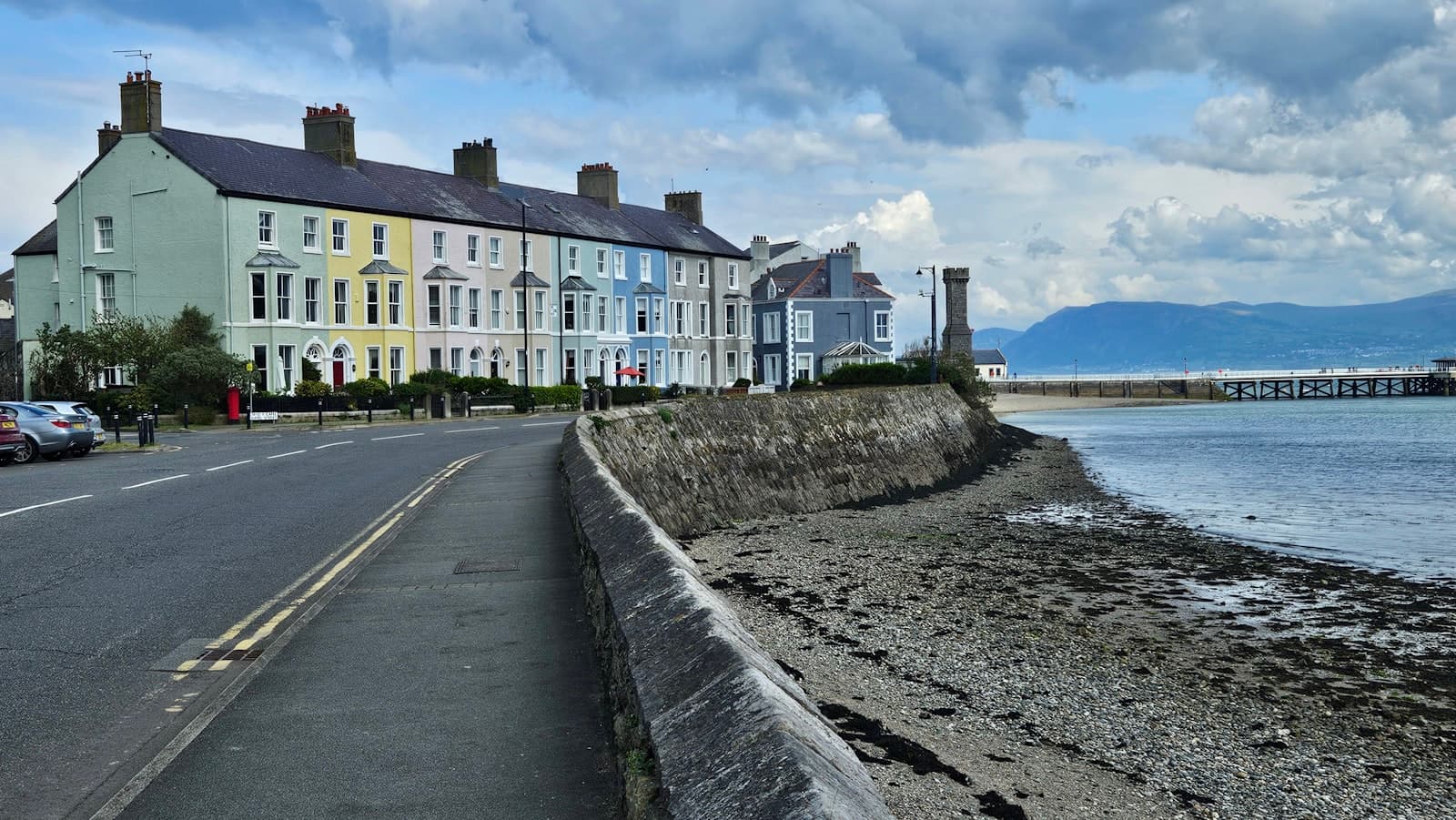
De klokkentoren tegenover Beaumaris Gaol heeft de eigenaardige reputatie nooit de juiste tijd bij te houden.
Volledig verhaal ontgrendeld in de tour
 Steve Collis from Melbourne, Australia / CC BY 2.0, via Wikimedia Commons
Zelfgeleide audiowandeling door Beaumaris — GPS-route, offline afspelen, meeslepende vertelling in 32 talen.
“Waar middeleeuwse ambitie samensmelt met kustcharme aan de Menai Strait.”
Niet de ansichtkaarten. De verhalen die zelfs locals niet kennen — gefluisterd in je oor, precies waar ze gebeurden.
De klokkentoren tegenover Beaumaris Gaol heeft de eigenaardige reputatie nooit de juiste tijd bij te houden.
De pittoreske landtong, bekend als Gallows Point, waar ooit scheepsbouw bloeide, heeft een veel macabere oorsprong voor zijn naam.
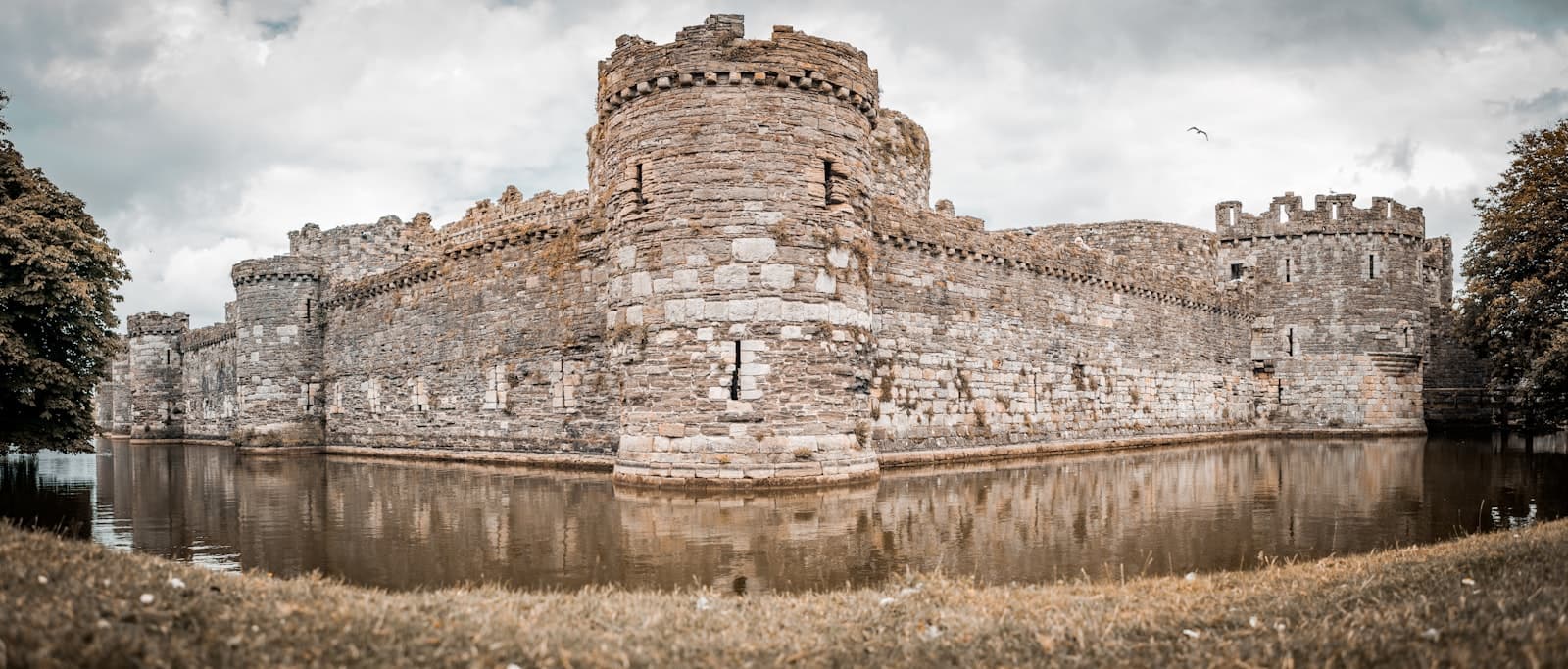
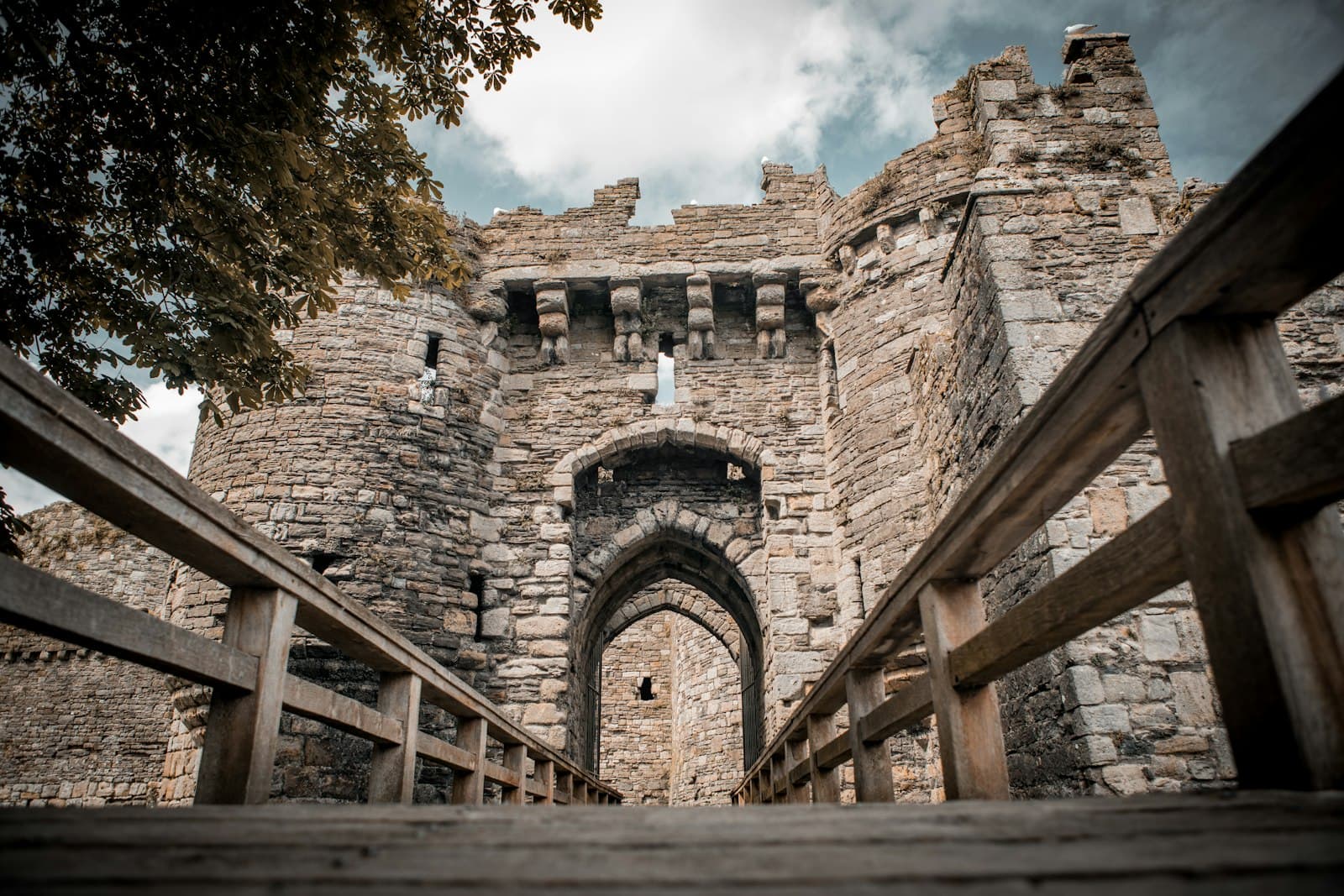
Beaumaris Castle, bekend om zijn ingewikkelde ontwerp, wordt vaak 'het grootste kasteel dat nooit is gebouwd' genoemd.
Ontdek elk geheim van Beaumaris
Elk adres, elke onthulling volledig — in je oor, precies waar het gebeurde.
Jij kiest je stops. Jij wandelt. De stem onthult wat de anderen missen.
Je zelfgeleide audiotour van Beaumaris is klaar — kies je bezienswaardigheden, kies je taal en start zodra je aankomt.
KopenLume heeft een ingebouwde augmented-reality-gids. Houd je telefoon omhoog: de camera toont de straat voor je, met een oplichtende pijl over het echte beeld die altijd naar je volgende stop wijst — geen kaart om uit te puzzelen, geen verkeerde afslagen. Zoals alles in Lume werkt het volledig offline.
Beaumaris, een kustplaats op het eiland Anglesey in Noord-Wales, biedt een mix van middeleeuwse geschiedenis en Georgische elegantie. Gelegen aan de oostelijke ingang van de Menai Strait, biedt het uitzicht op de bergen van Snowdonia aan de overkant van het water. De naam van de stad, afgeleid van het Normandisch-Franse 'beau marais', wat 'mooi moeras' betekent, verwijst naar de laaggelegen locatie die werd gekozen voor zijn opmerkelijke kasteel.
Oorspronkelijk een Vikingnederzetting bekend als Porth y Wygyr, of 'Haven van de Vikingen', begon Beaumaris zijn moderne ontwikkeling in 1295. Tegenwoordig is het een favoriete bestemming voor diegenen die op zoek zijn naar historische ontdekkingen, schilderachtige schoonheid en kustactiviteiten.
## Middeleeuwse oorsprong en Edward I's 'Iron Ring' Het verhaal van Beaumaris begint echt in 1295 met Koning Edward I van Engeland. Nadat hij Wales grotendeels had veroverd, initieerde Edward de bouw van een reeks formidabele kastelen om zijn controle te verstevigen, een netwerk dat nu bekend staat als de 'Iron Ring'. Beaumaris Castle was het laatste en misschien wel meest ambitieuze van deze projecten, onder toezicht van meesterkasteelbouwer James of St. George, die eerder aan Conwy en Harlech castles had gewerkt. Edward koos een moerasachtige locatie aan de Menai Strait voor deze nieuwe versterkte stad en kasteel. Het kasteel werd ontworpen met een geavanceerde concentrische indeling, met meerdere verdedigingslagen en opmerkelijke symmetrie. Vanwege financiële beperkingen en Edwards campagnes in Schotland, werd de bouw echter stopgezet in de jaren 1320, waardoor het kasteel beroemd onvoltooid bleef.
## Van Burgeroorlog tot Victoriaanse charme Door de eeuwen heen evolueerde Beaumaris tot een belangrijk administratief centrum en werd het in de 14e eeuw de hoofdstad van Anglesey. Het huisvestte de rechtbanken, gevangenis en andere officiële instellingen die het eiland bestuurden. De haven van de stad bloeide ook als een drukke haven, die handel over de Ierse Zee en langs de kust van Noord-Wales faciliteerde. Tijdens de 17e eeuw raakte Beaumaris verwikkeld in de Engelse Burgeroorlog, waarbij het kasteel in handen was van Royalistische troepen voordat het in 1646 door Parlementariërs werd veroverd. In tegenstelling tot veel andere kastelen, bleef Beaumaris aanzienlijke vernietiging bespaard en werd het bezet door Parlementaire troepen. Tegen de 18e eeuw kreeg de stad erkenning voor zijn elegante Georgische architectuur, waarvan veel vandaag de dag nog steeds te zien is.
## Het Victoriaanse tijdperk en daarna Het Victoriaanse tijdperk markeerde een belangrijk tijdperk van ontwikkeling voor Beaumaris, dat het transformeerde tot een populaire kustresort. De Beaumaris Pier, ontworpen door Frederick Foster, werd geopend in 1846 en werd een belangrijk aankomstpunt voor stoomschepen die toeristen vervoerden. De pier werd in 1872 herbouwd na stormschade en in 1895 verlengd tot 570 voet, met later een paviljoen. Deze toegankelijke pier stelde Beaumaris in staat om te concurreren om zomerverkeer met andere havens. Het Victoriaanse tijdperk zag ook de oprichting van burgerlijke instellingen zoals het gerechtsgebouw en de gevangenis, die nu als musea worden bewaard. Gedurende de 20e eeuw behield Beaumaris zijn karakter als een levendige kustplaats, bekend om zijn zeil- en bootgemeenschap in de beschutte wateren van de Menai Strait.
Beaumaris biedt verschillende belangrijke attracties die de diepe geschiedenis en de schilderachtige locatie weerspiegelen. De meest prominente is Beaumaris Castle, een UNESCO Werelderfgoed. Bezoekers kunnen de concentrische muren verkennen, de kantelen beklimmen en rond de brede gracht lopen, wat inzicht geeft in middeleeuwse militaire architectuur. De Beaumaris Gaol, een buiten gebruik gestelde 19e-eeuwse gevangenis, biedt een kijkje in de harde realiteit van het Victoriaanse gevangenisleven met zijn schemerige gangen, sobere cellen en een bewaard gebleven loopband. Naast de gevangenis is het Beaumaris Courthouse, daterend uit 1614, een van de oudste gerechtsgebouwen van Groot-Brittannië en biedt het verder historisch inzicht.
Voor een meer ontspannen ervaring strekt de Beaumaris Pier zich uit in de Menai Strait, met uitzicht op de bergen van Snowdonia en mogelijkheden om te krabben of boottochten te maken naar Puffin Island. Deze boottochten maken het mogelijk om wilde dieren te spotten, waaronder papegaaiduikers, zeekoeten, alken en soms zelfs dolfijnen. De straten van de stad zijn bekleed met Georgische architectuur, onafhankelijke boetiekjes, kunstgalerijen en cafés, perfect voor een wandeling. De Tudor Rose, een 15e-eeuws vakwerkgebouw, is ook opmerkelijk.
De beste tijd om Beaumaris te bezoeken is van de late lente tot het vroege najaar (mei tot september). Gedurende deze maanden is het weer mild, met comfortabele temperaturen die doorgaans variëren van 18°C tot 20°C in juni, juli en augustus. De meeste attracties, cafés en boottochten opereren volledig in deze periode, en er zijn meer uren zonneschijn per dag, met een piek in mei. Hoewel de zomer een levendige sfeer biedt, bieden de lente en de herfst een rustigere ervaring met minder drukte. Winters zijn vredig, maar kunnen nat en koud zijn.
Beaumaris ligt op het eiland Anglesey en is bereikbaar met de auto over de Menai Suspension Bridge vanaf het vasteland van Wales. De belangrijkste parkeerplaats van de stad bevindt zich tegenover Beaumaris Castle. Voor openbaar vervoer verbinden uurlijkse busdiensten (bijv. No. 58) Beaumaris met het busstation van Bangor. Het Beaumaris Tourist Information Point bevindt zich in het Stadhuis aan Castle Street.
Beaumaris Castle wordt beheerd door Cadw, de historische milieudienst van Wales, en biedt online kaartverkoop. De openingstijden variëren seizoensgebonden, met langere openingstijden in de zomer. Bezoekers met beperkte mobiliteit moeten zich ervan bewust zijn dat sommige gebieden op het kasteelterrein oneffen oppervlakken en treden kunnen hebben. Bij het maken van boottochten vanaf Beaumaris Pier is het raadzaam om de vaaromstandigheden van tevoren te controleren en geschikte kleding te dragen, aangezien het op zee koeler kan zijn.
Beaumaris — Koreaans, Chinees, Hebreeuws en nog 29 talen, elke stop verteld door een moedertaalspreker. Het grootste taalaanbod van alle zelfgeleide audiotours.
Beschikbaar in: