Der Löwe von Belfort
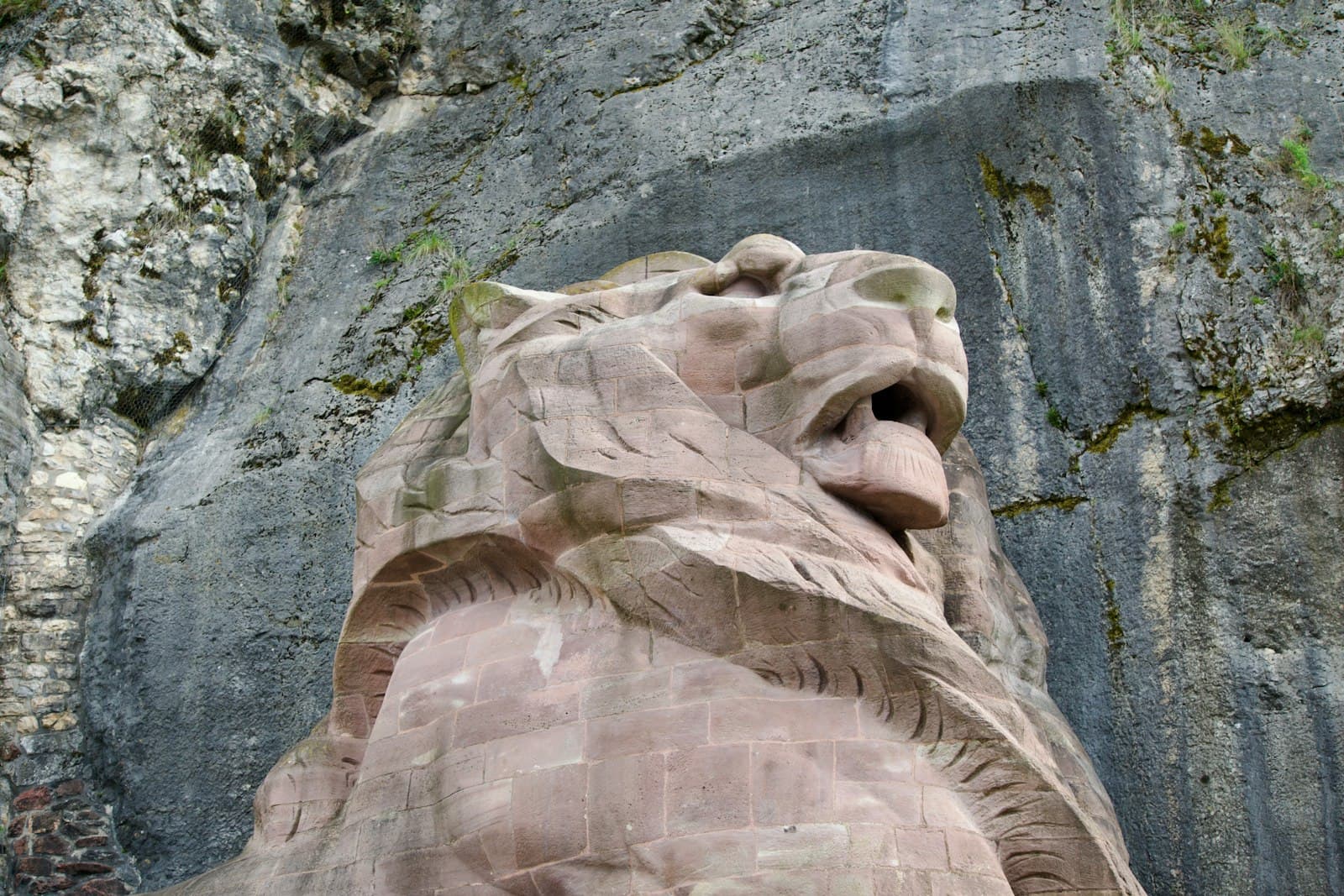
Der kolossale Löwe von Belfort, ein Symbol des französischen Widerstands, blickte fast in die falsche Richtung.
Die ganze Geschichte wird in der Tour freigeschaltet
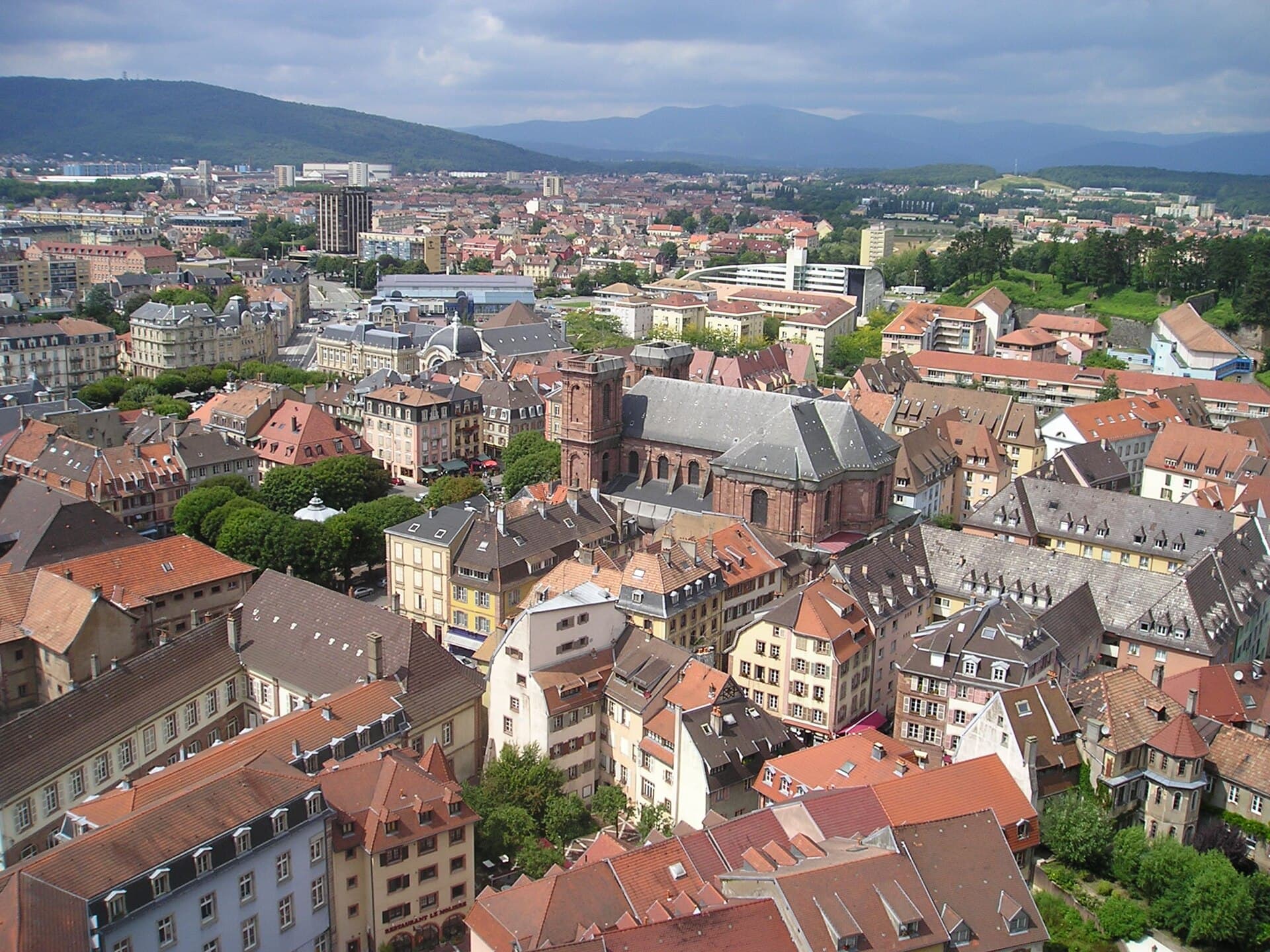 KBWEi at German Wikipedia / Public domain, via Wikimedia Commons
Selbstgeführte Audio-Walking-Tour durch Belfort — GPS-Route, Offline-Wiedergabe, erzählerische Narration in 32 Sprachen.
“Wo ein trotziger Löwe Jahrhunderte unerschütterlichen Geistes bewacht.”
Nicht die Postkarten. Die Geschichten, die selbst Einheimische nicht kennen – dir ins Ohr geflüstert, genau dort, wo sie geschahen.
Der kolossale Löwe von Belfort, ein Symbol des französischen Widerstands, blickte fast in die falsche Richtung.
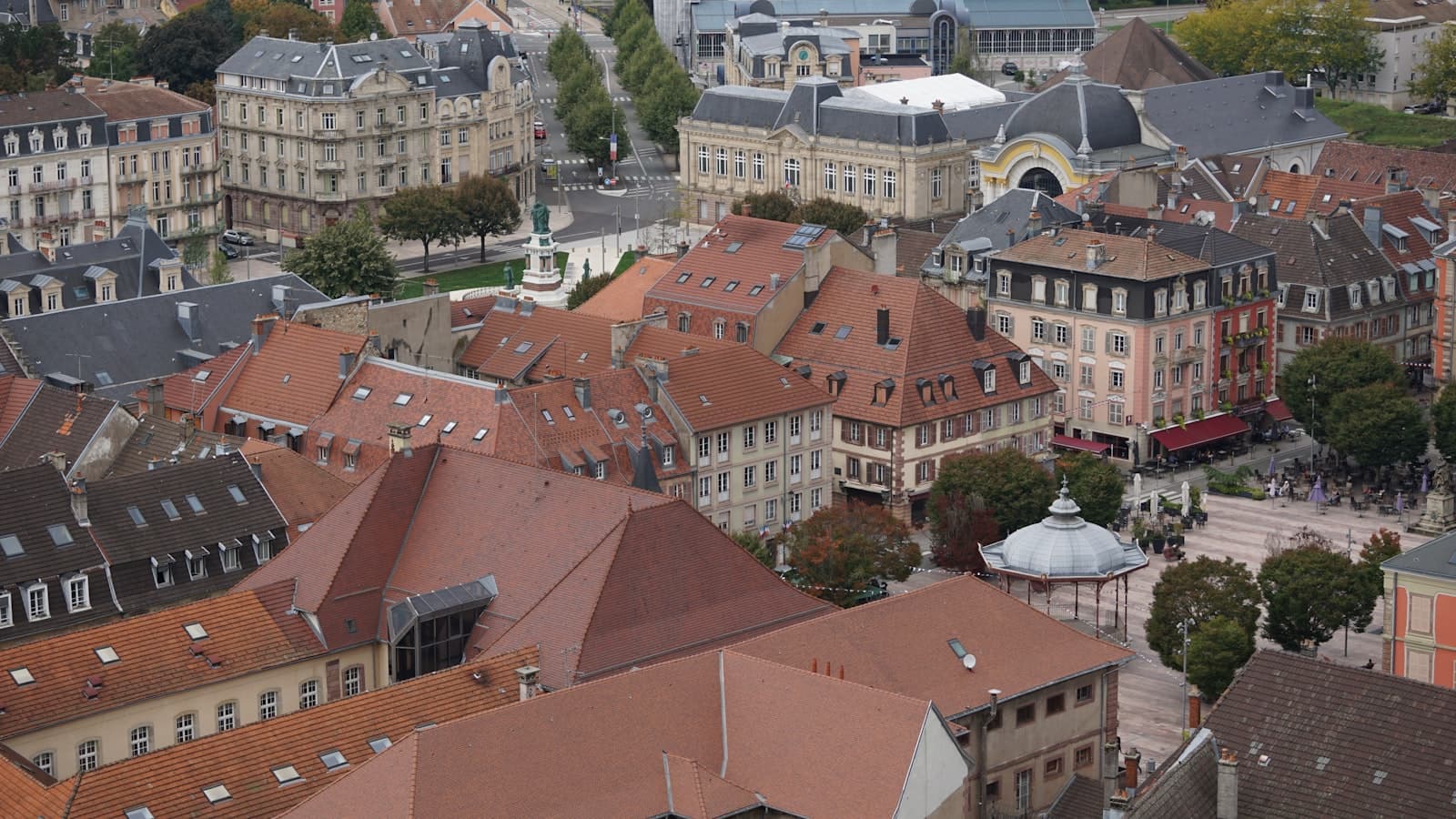
Belforts Altstadt mit ihren bunten Gebäuden und steilen Dächern birgt ein visuelles Geheimnis, das von ihrer historischen Identität zeugt.
Die uneinnehmbare Zitadelle von Belfort, ein Meisterwerk der Militärtechnik, verfügte über ein überraschendes Merkmal zum Schutz ihrer lebenswichtigen Bastionen.
Entdecke jedes Geheimnis von Belfort
Jede Adresse, jede Enthüllung vollständig – in deinem Ohr, genau dort, wo es geschah.
Du wählst deine Stationen. Du gehst. Die Stimme enthüllt, was andere übersehen.
Deine selbstgeführte Audio-Tour durch Belfort ist bereit – wähle deine Sehenswürdigkeiten, deine Sprache und starte, sobald du ankommst.
KaufenLume enthält einen integrierten Augmented-Reality-Guide. Halten Sie Ihr Handy hoch: Die Kamera zeigt die Straße vor Ihnen, mit einem leuchtenden Pfeil über dem echten Bild, der immer auf Ihren nächsten Stopp zeigt — keine Karte zum Rätseln, keine falschen Abzweigungen. Wie alles bei Lume funktioniert es komplett offline.
Belfort, eine Stadt im Nordosten Frankreichs, ist ein Zeugnis der Widerstandsfähigkeit und liegt strategisch günstig in einer natürlichen Lücke zwischen den Vogesen und dem Jura. Dieser einzigartige Ort, oft als "Belforter Lücke" bezeichnet, hat seine Identität geprägt und ihn zu einer wichtigen Route zwischen Rhein und Rhône gemacht, die ihn im Laufe der Geschichte zu einem häufigen Ziel machte. Heute bietet Belfort eine überzeugende Mischung aus militärischem Erbe, lebendiger Kultur und natürlicher Schönheit und lädt Besucher ein, seine befestigte Vergangenheit und seine lebendige Gegenwart zu erkunden.
Die Stadt, die von ihrer imposanten Zitadelle und dem monumentalen Löwen von Belfort dominiert wird, erzählt Geschichten von unerschütterlichem Mut. Jenseits seiner historischen Wahrzeichen präsentiert Belfort eine reizvolle Altstadt mit pastellfarbenen Gebäuden, belebten Märkten und einer starken lokalen Identität. Ob Sie die Militärgeschichte entlang alter Festungsmauern verfolgen, die Kunst von Frédéric-Auguste Bartholdi bewundern oder einfach nur die Atmosphäre eines von Cafés gesäumten Platzes genießen möchten, Belfort bietet ein authentisches und lohnendes französisches Erlebnis.
Die Geschichte Belforts ist untrennbar mit seiner strategischen geografischen Lage in der "Belforter Lücke", einem natürlichen Korridor zwischen den Vogesen und dem Jura, verbunden. Dieser Ort, der Handel und Truppenbewegungen erleichterte, bedeutete, dass die Stadt bereits in gallorömischer Zeit besiedelt war. Im 13. Jahrhundert war Belfort eine befestigte Siedlung und erhielt 1307 seine Charta von den Grafen von Montbéliard. Es überstand sieben Belagerungen im Mittelalter, ein Vorspiel zu seinem anhaltenden Ruf für Widerstandsfähigkeit.
1648, nach dem Westfälischen Frieden, wurde Belfort französisch und ging durch Ludwig XIV. an Kardinal Mazarin über. In Anerkennung seiner entscheidenden Bedeutung beauftragte Ludwig XIV. den renommierten Militäringenieur Vauban mit der Modernisierung der Verteidigungsanlagen von Belfort im Jahr 1678. Vaubans umfangreiche Arbeiten, die um 1703 abgeschlossen wurden, verwandelten die mittelalterliche Burg in eine uneinnehmbare Zitadelle mit dicken Mauern, unterirdischen Gängen und einem markanten fünfeckigen Grundriss, der lokal verfügbaren Jurastein verwendete. Er leitete sogar den Fluss Savoureuse um, um eine hydraulische Verteidigung zu schaffen.
Belforts entscheidender Moment kam während des Deutsch-Französischen Krieges von 1870–1871. Die Stadt widerstand berühmt einer zermürbenden 103-tägigen Belagerung durch preußische Truppen unter der Führung von Oberst Pierre Philippe Denfert-Rochereau. Trotz zahlenmäßiger Unterlegenheit widerstanden die 17.000 Verteidiger, darunter nur 3.500 Militärangehörige, 40.000 preußischen Truppen. Dieser heldenhafte Widerstand, bei dem über 400.000 Granaten auf die Stadt abgefeuert wurden, sorgte dafür, dass Belfort französisch blieb, als umliegende Gebiete des Elsass und Lothringens von Deutschland annektiert wurden. Der unerschütterliche Geist der Stadt wird durch den monumentalen Löwen von Belfort verewigt, eine 22 Meter lange und 11 Meter hohe Skulptur aus rotem Sandstein von Frédéric-Auguste Bartholdi, demselben Künstler, der die Freiheitsstatue schuf.
Nach dem Deutsch-Französischen Krieg stieg die Bevölkerung Belforts sprunghaft an, da Elsässer, die ihre französische Nationalität behalten wollten, dorthin zogen und zur Entwicklung und industriellen Entwicklung der Stadt beitrugen. Die Stadt blieb ein strategischer Punkt, der im Ersten Weltkrieg erfolgreich verteidigt und im Zweiten Weltkrieg befreit wurde. Heute ehrt Belfort seine Vergangenheit durch seine erhaltenen Befestigungsanlagen, Museen und Denkmäler und pflegt gleichzeitig eine aktive Kulturszene.
Beginnen Sie Ihre Erkundung in der Belfort Zitadelle, einer monumentalen Festung, die die Skyline der Stadt dominiert. Spazieren Sie entlang ihrer Festungsmauern, erkunden Sie die unterirdischen Gänge und besuchen Sie das Museum für Geschichte und Befestigungen, um tief in Belforts militärische Vergangenheit einzutauchen. Unterhalb der Zitadelle steht der kolossale Löwe von Belfort als mächtiges Symbol des Widerstands der Stadt. Diese beeindruckende Skulptur von Frédéric-Auguste Bartholdi aus rotem Sandstein ist ein bedeutender Anblick.
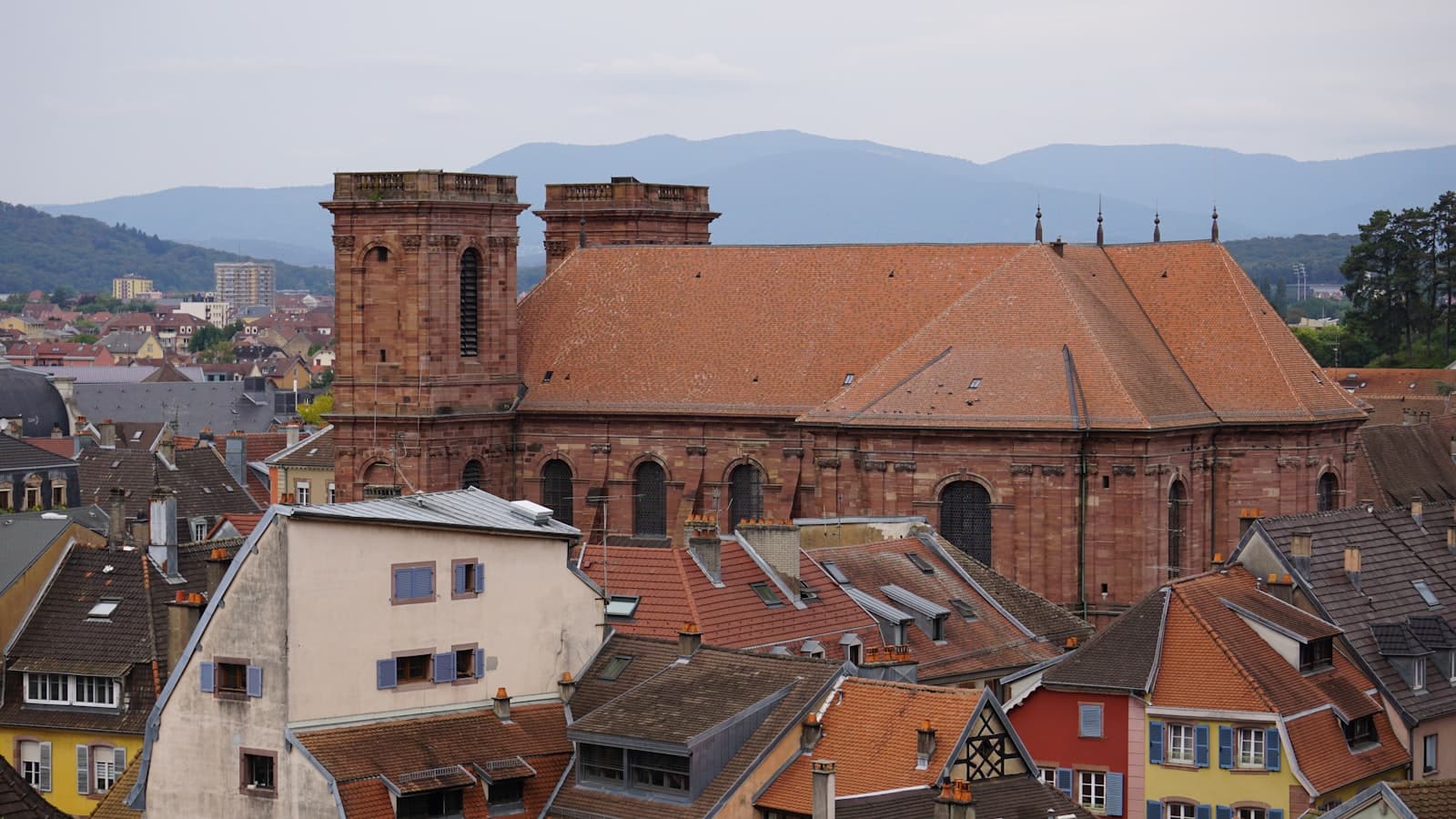
Schlendern Sie durch Belforts Altstadt (Vieille Ville), ein Labyrinth aus engen Gassen, pastellfarbenen Gebäuden und einladenden Plätzen. Der Place d'Armes beherbergt das neoklassizistische Rathaus und die beeindruckende Kathedrale Saint-Christophe, eine Kirche aus dem 18. Jahrhundert aus rosa Sandstein mit einer bemerkenswerten Orgel. Verpassen Sie nicht den Bartholdi-Brunnen, der mit Skulpturen des berühmten Künstlers der Stadt geschmückt ist. Für Kunstliebhaber zeigt das Museum für Moderne Kunst (Donation Maurice Jardot) eine bedeutende Sammlung von Gemälden, Skulpturen und Zeichnungen des 20. Jahrhunderts, darunter Werke von Picasso und Braque. Das Musée des Beaux-Arts, das sich in Turm 41 befindet, bietet eine weitere künstlerische Perspektive.
Außerhalb des Stadtzentrums sollten Sie das Monument des Trois Sièges auf dem Place de la République besuchen, ein weiteres Werk von Bartholdi, das die zahlreichen Belagerungen Belforts ehrt. Für Naturliebhaber bietet der nahe gelegene Ballon d'Alsace, der südlichste Gipfel der Vogesen, Wandermöglichkeiten, Radfahren und weite Ausblicke.
Die günstigste Zeit für einen Besuch in Belfort ist von Mai bis Oktober, wenn das Wetter mild ist und die Stadt am lebhaftesten ist. Frühling und Sommer sind ideal für Spaziergänge, den Genuss von Straßencafés und die Teilnahme an Festivals wie Les Eurockéennes im Juli, einem großen Musikfestival, und dem FIMU (Internationales Universitätsmusikfestival) im Mai. Der Herbst bringt kühlere Temperaturen und lebendige Herbstfarben. Während der Winter ruhiger ist, bietet er einen reizvollen Weihnachtsmarkt auf dem Place d'Armes. Die durchschnittlichen Tagestemperaturen liegen in den wärmeren Monaten zwischen 20 und 25 °C und im Winter zwischen 0 und 5 °C.
Belfort ist gut angebunden und erreichbar. Mit dem Zug wird die Stadt vom Bahnhof Gare de Belfort-Ville und dem nahe gelegenen TGV-Bahnhof Belfort–Montbéliard bedient, der Verbindungen zu Großstädten wie Paris (2,5 Stunden), Straßburg, Lyon und Basel bietet. Für Autofahrer liegt Belfort am Schnittpunkt wichtiger Routen, einschließlich der Autobahn A36, was es von Elsass, der Schweiz und dem Burgund aus leicht erreichbar macht. Die nächstgelegenen Flughäfen sind der EuroAirport Basel-Mulhouse-Freiburg (ca. 1 Stunde Fahrt) und der Flughafen Straßburg (1,5 Stunden).
Innerhalb Belforts ist die Stadt kompakt und leicht zu Fuß zu erkunden. Öffentliche Verkehrsmittel sind verfügbar. Die lokale Währung ist der Euro. Die Einheimischen sind als Belfortains bekannt. Viele Geschäfte und Restaurants finden Sie in den Fußgängerzonen der Altstadt, insbesondere rund um die Rue piétonne und den Place d'Armes. Vergessen Sie nicht, lokale Käsesorten von Orten wie La Fromagerie Bouhelier zu probieren oder den Marché Fréry für regionale Produkte zu erkunden.
Belfort — Koreanisch, Chinesisch, Hebräisch und 29 weitere Sprachen, jede Station von einer muttersprachlichen Stimme erzählt. Die größte Sprachauswahl aller selbstgeführten Audiotouren.
Verfügbar auf: