Piazza dei Martiri
Esta animada praça pública, um centro vibrante dos ritmos diários de Belluno, já ostentou uma designação diferente e cumpriu uma função profundamente distinta.
História completa desbloqueada no tour
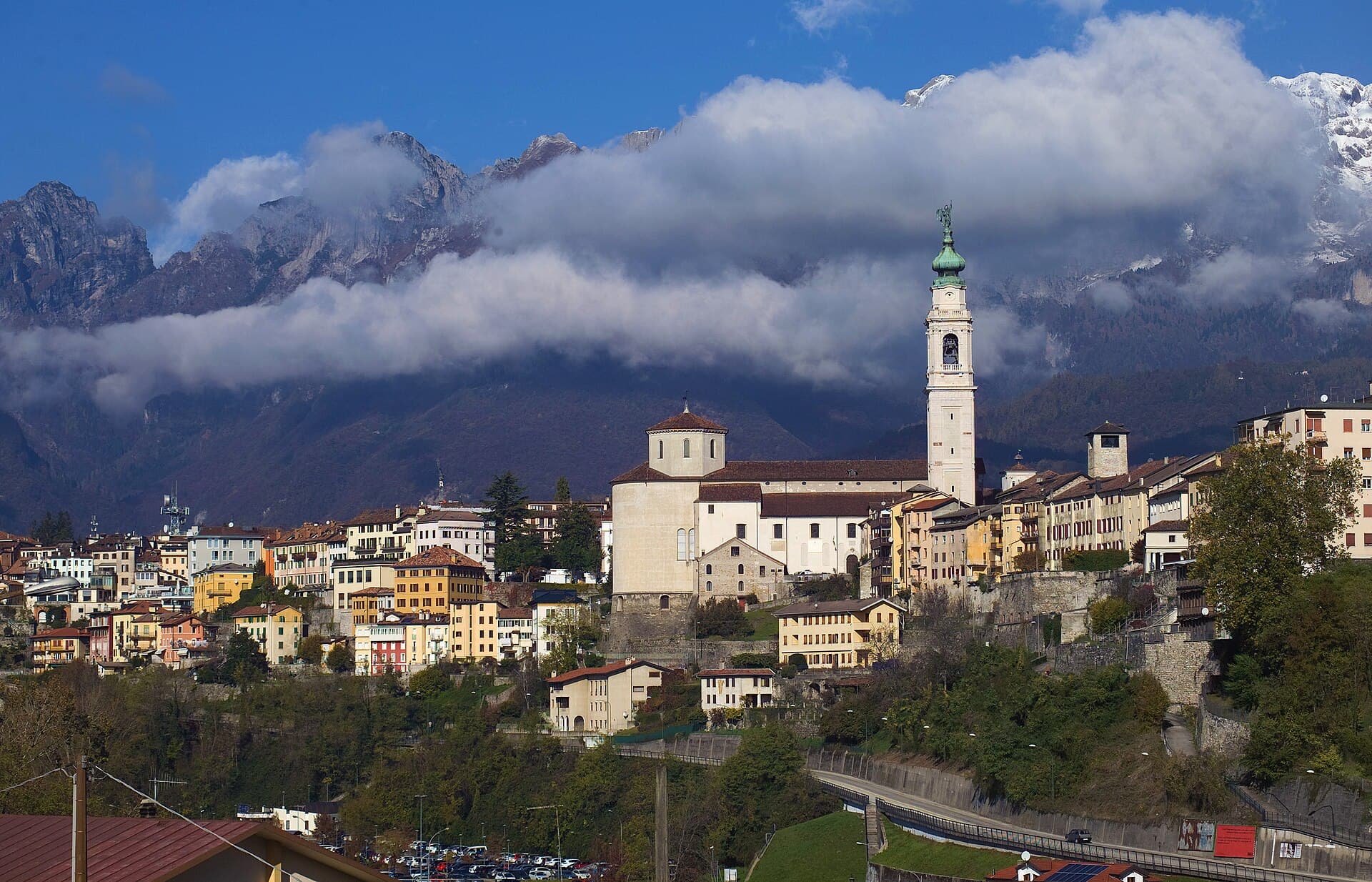 Ashley Pomeroy / CC BY-SA 4.0, via Wikimedia Commons
Tour de áudio autoguiado por Belluno — rota GPS a pé, reprodução offline, narração envolvente em 32 idiomas.
“Onde os rios Piave e Ardo convergem com as Dolomitas, uma cidade de iluminação e histórias duradouras se desenrola.”
Não os postais. As histórias que nem os locais conhecem — sussurradas ao seu ouvido, exatamente onde aconteceram.
Esta animada praça pública, um centro vibrante dos ritmos diários de Belluno, já ostentou uma designação diferente e cumpriu uma função profundamente distinta.
Subir os degraus de pedra esguios da torre sineira da Catedral de Belluno revela mais do que apenas vistas amplas.
O rio Piave, uma característica definidora do terreno de Belluno, desempenhou um papel fundamental no vínculo histórico da cidade com uma formidável república marítima.
Descubra cada segredo de Belluno
Cada endereço, cada revelação na íntegra — no seu ouvido, exatamente onde aconteceu.
Você escolhe as suas paragens. Você caminha. A voz revela o que os outros perdem.


A Lume inclui um guia de realidade aumentada. Levante o telemóvel: a câmara mostra a rua à sua frente, com uma seta luminosa sobreposta à imagem real que aponta sempre para a sua próxima paragem — sem mapa para decifrar, sem voltas erradas. Como tudo na Lume, funciona totalmente offline.
Belluno, uma cidade na região de Vêneto, Itália, situa-se na confluência dos rios Piave e Ardo, aninhada pelas majestosas Dolomitas. A arquitetura da cidade reflete séculos de influência veneziana, com palácios elegantes e ruas arcadas que convidam à exploração tranquila. A vida aqui segue uma cadência suave, pontuada pelo toque dos sinos das igrejas e o murmúrio das conversas em praças ensolaradas.
A elevação da cidade proporciona uma conexão visual constante com as montanhas circundantes, cujos picos muitas vezes estão cobertos de neve mesmo no final da primavera. Belluno serve como um portal para o Parque Nacional das Dolomitas, oferecendo tanto o conforto urbano quanto o acesso imediato a aventuras alpinas. É um lugar onde a grandiosidade natural e a arte humana coexistem, criando uma atmosfera de dignidade tranquila e beleza duradoura.
## Origens Antigas e Influência Romana A história de Belluno começa na antiguidade, com evidências de assentamentos primitivos anteriores à chegada dos romanos. Os romanos estabeleceram um 'municipium' aqui, reconhecendo sua posição estratégica. Construíram estradas e infraestrutura, integrando Belluno ao seu vasto império. O próprio nome da cidade acredita-se derivar do celta 'belo-dunum', que significa 'colina brilhante', talvez referindo-se à sua posição ensolarada.
## Lutas Medievais e Domínio Veneziano Após a queda do Império Romano, Belluno suportou um período de instabilidade, experimentando invasões e mudanças de alianças. Tornou-se uma comuna livre no século XII, desenvolvendo sua própria identidade cívica. No entanto, sua localização estratégica também a tornou um prêmio para potências maiores. No século XV, Belluno colocou-se voluntariamente sob a proteção da República de Veneza. Essa aliança marcou um ponto de virada significativo, inaugurando séculos de paz e prosperidade. O domínio veneziano trouxe estilos arquitetônicos, estruturas administrativas e laços econômicos que moldaram profundamente a cidade.
## De Napoleão à Itália Moderna A era veneziana terminou com a chegada das forças de Napoleão no final do século XVIII. Belluno passou então por várias mãos, incluindo o domínio austríaco, antes de se tornar parte do recém-unificado Reino da Itália em 1866. O século XX viu Belluno desempenhar um papel em ambas as Guerras Mundiais, particularmente durante a Primeira Guerra Mundial, quando estava perto das linhas de frente. Hoje, Belluno se destaca como capital provincial, um testemunho de seu passado em camadas e de seu espírito duradouro, equilibrando seu legado histórico com seu papel contemporâneo como centro regional.
Comece sua exploração na Piazza dei Martiri, uma praça espaçosa emoldurada por edifícios elegantes e um jardim central. De lá, caminhe em direção ao Duomo di Belluno, uma catedral com uma impressionante torre sineira projetada por Juvarra. O Palazzo dei Rettori, um edifício gótico veneziano, é um testemunho da longa associação da cidade com Veneza. Explore as ruas estreitas e arcadas do centro histórico, descobrindo praças menores e lojas de artesanato. O Museo Civico di Belluno oferece insights sobre a arte e a história local. Para um momento de contemplação tranquila, visite a Igreja de Santo Stefano, conhecida por seus afrescos. Um passeio ao longo do rio Piave oferece vistas panorâmicas da água e das montanhas além.
Os meses de primavera de abril e maio oferecem clima ameno, menos multidões e a beleza das paisagens em flor. O outono, especialmente setembro e outubro, apresenta ar fresco e as cores mutáveis das florestas circundantes, criando um cenário pitoresco para a exploração. O verão traz temperaturas mais quentes e uma atmosfera animada, ideal para atividades ao ar livre, embora também seja a estação mais movimentada. O inverno transforma a área em uma paisagem serena e coberta de neve, atraindo aqueles que buscam uma experiência tranquila e atmosférica.
Belluno é facilmente acessível de trem de grandes cidades italianas como Veneza e Pádua. O centro da cidade é compacto e melhor explorado a pé, permitindo que você aprecie seus detalhes arquitetônicos e cantos tranquilos. Ônibus locais atendem a área mais ampla, conectando-se a cidades vizinhas e pontos de partida de trilhas nas Dolomitas. O inglês é falado em estabelecimentos voltados para o turismo, mas aprender algumas frases básicas em italiano enriquecerá sua experiência. As opções gastronômicas variam de trattorias tradicionais que servem especialidades regionais a cafés que oferecem refeições leves e excelente café. Considere comprar um 'Belluno Card', se disponível, que pode oferecer descontos em museus e transporte local.
Belluno — coreano, chinês, hebraico e mais 29 idiomas, cada parada narrada por uma voz nativa. A maior variedade de idiomas entre os passeios de áudio autoguiados.
Disponível em: