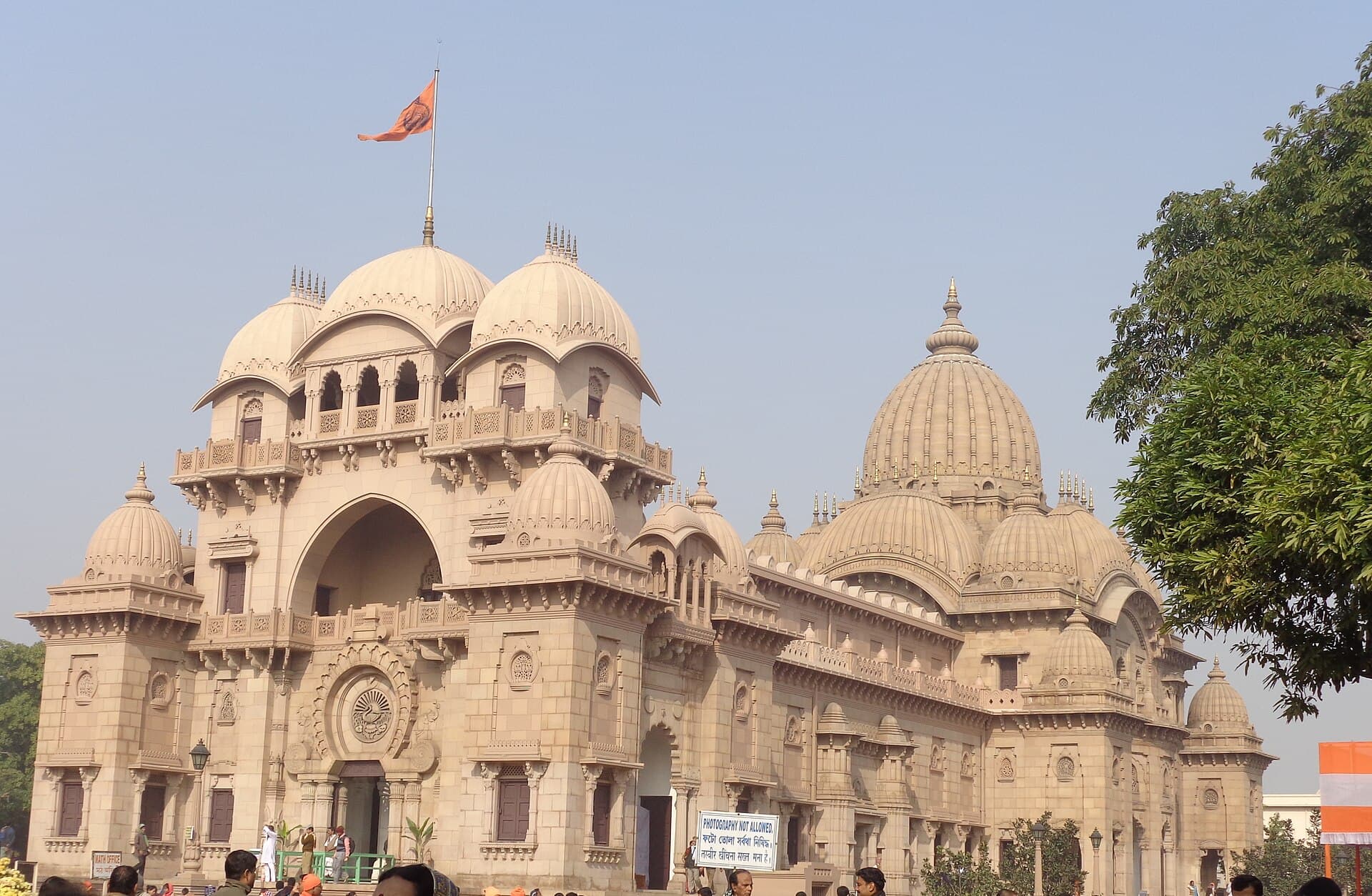
Belur, IndiaK.vishnupranay / CC BY-SA 4.0, via Wikimedia Commons
IN

Belur

Where stone blossoms into devotion, echoing Hoysala grandeur.

The secrets of Belur

Belur, as no one tells it.

Not the postcards. The stories even locals don't know — whispered in your ear, right where they happened.

3 secrets below. Many more wait inside the tour.
Chennakeshava Temple

The walls of the Chennakeshava Temple bear hundreds of intricate carvings, each a singular work of art. Among them, one figure particularly captures the eye, believed to be a portrait of royal beauty.

Full story unlocks in the tour
Chennakeshava Temple

Observe the pillars within the Chennakeshava Temple. While each contributes to the temple's splendor, no two are identical. Four central pillars, however, possess a distinct character.

Full story unlocks in the tour
Chennakeshava Temple

The Hoysala emblem, often seen at the temples, illustrates a legendary tale of a hero and a tiger. Some, however, suggest this emblem carries a deeper, symbolic meaning connected to the dynasty's ascent.

Full story unlocks in the tour
The full tour

Discover every secret of Belur

Every address, every reveal in full — in your ear, right where it happened.

Get the key to Belur

You pick your stops. You walk. The voice reveals what the others miss.

Choose your time

How long do you have in Belur?

No tours available yet. Check back soon — we're preparing them.

About Belur

The story of Belur

Belur, known as Velapuri in ancient inscriptions, is a town in Karnataka, India, celebrated for its architectural wonders from the Hoysala dynasty. Situated along the Yagachi River, it once served as the early capital of the Hoysala Empire, a period from the 10th to the 14th century when arts, literature, philosophy, and architecture flourished. The town stands as a significant pilgrimage center for Vaishnavism, drawing visitors from across the globe to experience its profound historical and cultural resonance.

The Chennakeshava Temple complex forms the heart of Belur, a testament to the Hoysala's extraordinary craftsmanship. This UNESCO World Heritage Site, part of the 'Sacred Ensembles of the Hoysalas,' displays intricate carvings, exquisite sculptures, and remarkable attention to detail, reflecting the devotion and skill of its creators. Exploring Belur offers a captivating journey into Karnataka's deep past, where history, art, and spirituality converge.

History

## The Ascent of Hoysala Grandeur Belur's story begins in the 11th century, when it was established as the initial capital of the Hoysala dynasty. The Hoysalas, who governed much of South India from the 10th to the 14th century, were prolific temple builders, and Belur quickly became a hub of artistic excellence under their patronage. The town was so highly regarded by the Hoysalas that later inscriptions referred to it as 'earthly Vaikuntha' (Vishnu's abode) and 'Dakshina Varanasi' (southern holy city of Hindus).

## The Birth of Chennakeshava The most prominent monument in Belur, the Chennakeshava Temple, was commissioned by King Vishnuvardhana in 1117 CE. This grand undertaking was built to commemorate his significant victory over the Cholas in the Battle of Talakadu in 1116 AD and was originally known as the Vijaya-Narayana temple. The construction of this architectural marvel spanned three generations and took 103 years to complete, with subsequent rulers and artisans contributing to its magnificence. The Hoysalas utilized soft soapstone for their structures, a material perfectly suited for the intricate carvings that define their architectural style.

## Enduring Through Time Despite its artistic and spiritual importance, the Hoysala Empire and its capital faced invasions and plunder in the early 14th century by the Delhi Sultanate. Belur and Halebidu suffered destruction in 1326 CE. However, the temples were repeatedly rebuilt and repaired throughout their existence, with later additions and modifications by the Vijayanagara Kings. Today, the Chennakeshava Temple complex, alongside the Hoysaleswara Temple at Halebidu and the Keshava Temple at Somanathapura, stands as a UNESCO World Heritage Site, preserving the legacy of Hoysala artistry and devotion.

What to see

The primary attraction in Belur is the Chennakeshava Temple, a striking example of Hoysala architecture dedicated to Lord Vishnu. The temple rests on a platform, or jagati, and is adorned with intricate carvings depicting scenes from Hindu mythology, daily life in the 12th century, dancers, musicians, and narratives from the Ramayana, Mahabharata, and Puranas. Stroll around the temple's exterior to admire the Madanika sculptures, celestial women supporting the eaves, each distinctive and capturing human moments with warmth and humor. Inside, the temple features 48 uniquely carved pillars, with four central ones displaying exquisite Madanika figures. The garbhagriha (inner sanctum) houses a six-foot-tall idol of Lord Vishnu. Within the complex, you will also discover the Kappe Chennigaraya Temple, built concurrently by the queen, and smaller shrines dedicated to Sowmyanayaki (Goddess Lakshmi) and Andal Amma. Be sure to observe the 42-meter high Gravity Pillar (Karthika Deepotsava Stumbha) in the courtyard. The Vishnu Samudra, a large temple tank, is also part of the complex.

When to visit

The most pleasant time to visit Belur spans the winter months, from October to March. During this period, the weather remains cool and agreeable, with temperatures typically ranging between 15°C and 30°C (59°F to 86°F), making it ideal for exploring the temples and outdoor areas. The cool weather is perfect for walking around the temple complex and appreciating the intricate architecture. It is advisable to avoid the hot and humid summer months (April to June), as temperatures can rise above 35°C (95°F), making sightseeing uncomfortable.

Practical

Belur is approximately 220 km from Bengaluru and 38 km from Hassan. The nearest major airports are Mangalore (IXE), about 135 km away, and Bengaluru (BLR), about 225 km away. Hassan Railway Station (HAS), around 35 km from Belur, serves as the nearest railhead. Belur is well-connected by road, with KSRTC buses operating from major cities like Bengaluru, Mysore, and Hassan. Auto-rickshaws and taxis are available for local transport.

When visiting the Chennakeshava Temple, modest attire covering shoulders and knees is recommended. Footwear must be removed before entering the temple. Photography is generally allowed within the temple complex, but it is prohibited inside the inner sanctum to maintain its sanctity. A nominal fee may be charged for cameras. Engaging a local guide can deepen your understanding of the temple's history and significance. Entry to the temple is free, though there are nominal charges for special darshan. The temple is open from 7:30 AM to 1:00 PM and from 2:00 PM to 8:00 PM, with the inner sanctum closed during specific intervals.

Good to know
What is the main attraction in Belur?
The primary attraction in Belur is the Chennakeshava Temple, a magnificent example of Hoysala architecture dedicated to Lord Vishnu.
What is the best time to visit Belur?
The ideal time to visit Belur is during the winter months, from October to March, when the weather is cool and pleasant for sightseeing.
Is there a dress code for visiting the temples in Belur?
Yes, visitors are encouraged to dress modestly, ensuring shoulders and knees are covered, as a sign of respect for the religious environment.
Is photography allowed inside the Chennakeshava Temple?
Photography is permitted within the temple complex, but it is strictly prohibited inside the inner sanctum (Garbhagriha) where the main deity resides.
How much time should I allocate for visiting the Chennakeshava Temple?
It is recommended to allocate at least 1.5 to 2 hours to explore the entire temple complex, appreciate its history, and marvel at its architecture.
What kind of food can I expect in Belur?
Belur offers traditional South Indian cuisine, with popular dishes including *Bisi Bele Bath*, *Masala Dosa*, *Thatte Idli*, and authentic filter coffee. You can find local restaurants and eateries serving these specialties.
Belur
From€9.00
No booking · activate anytime · 12h to walk it
Get the key to Belur