O Spitzhäuschen
Esta casa em enxaimel na Marktplatz parece desafiar a gravidade.
História completa desbloqueada no tour
 Carsten Steger / CC BY-SA 4.0, via Wikimedia Commons
Tour de áudio autoguiado por Bernkastel-Kues — rota GPS a pé, reprodução offline, narração envolvente em 32 idiomas.
“Onde a arquitetura medieval encontra os Rieslings frescos do Vale do Mosela.”
Não os postais. As histórias que nem os locais conhecem — sussurradas ao seu ouvido, exatamente onde aconteceram.
Esta casa em enxaimel na Marktplatz parece desafiar a gravidade.
Um vinhedo em particular em Bernkastel-Kues diz-se produzir vinho com poderes de cura lendários.
Além de seu papel como hospital histórico, esta instituição contém um tesouro surpreendente.
Descubra cada segredo de Bernkastel-Kues
Cada endereço, cada revelação na íntegra — no seu ouvido, exatamente onde aconteceu.
Você escolhe as suas paragens. Você caminha. A voz revela o que os outros perdem.


O seu tour áudio autoguiado de Bernkastel-Kues está pronto — escolha os seus pontos de interesse, selecione o seu idioma e comece no momento em que chegar.
ComprarA Lume inclui um guia de realidade aumentada. Levante o telemóvel: a câmara mostra a rua à sua frente, com uma seta luminosa sobreposta à imagem real que aponta sempre para a sua próxima paragem — sem mapa para decifrar, sem voltas erradas. Como tudo na Lume, funciona totalmente offline.
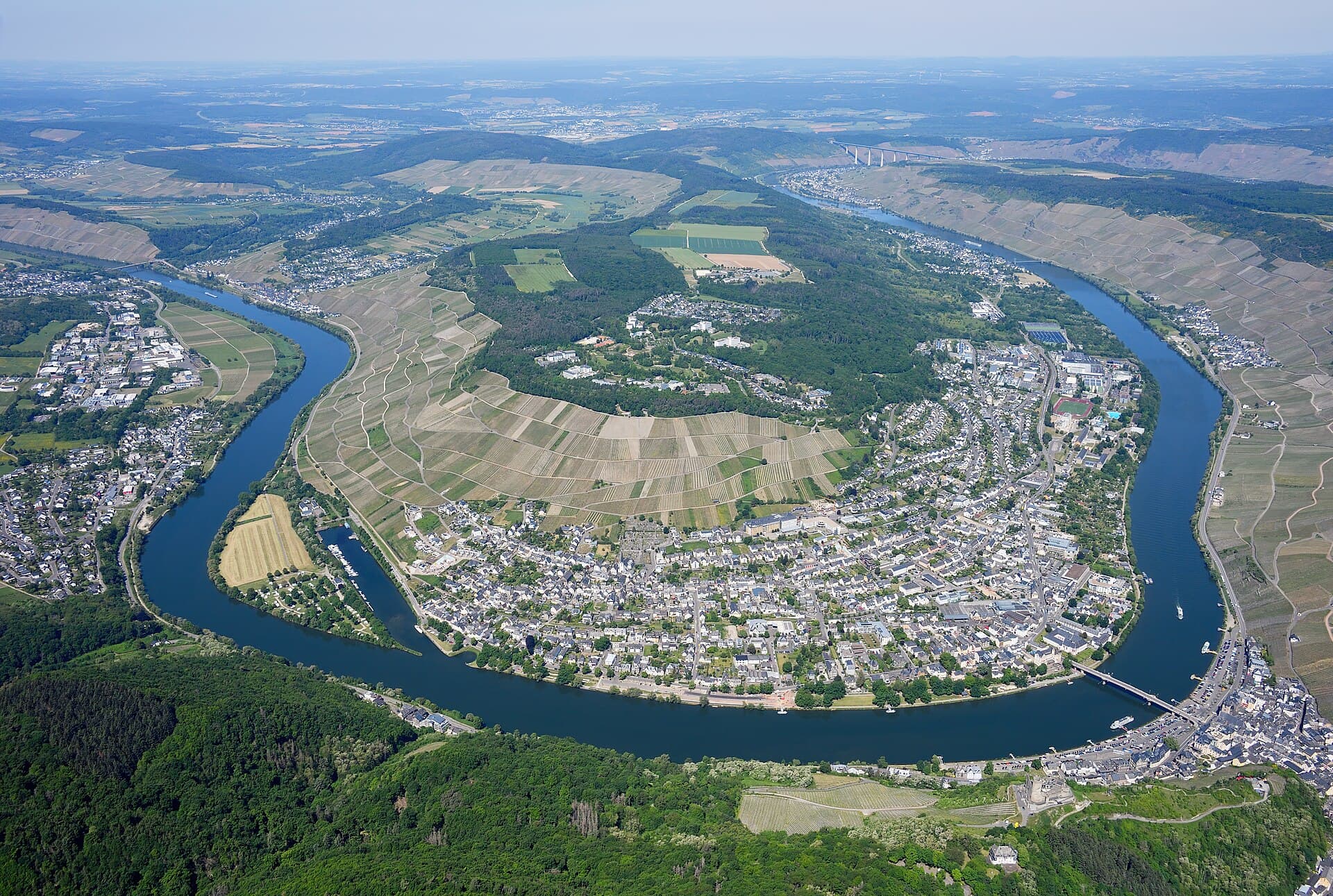
Bernkastel-Kues, uma cidade cativante no Vale do Mosela, na Alemanha, é um lugar onde séculos de esforço humano e viticultura se entrelaçam. Originalmente dois assentamentos distintos — Bernkastel na margem direita e Kues na esquerda — eles se fundiram em 1905, mais tarde se juntando às aldeias de Andel e Wehlen em 1970. A cidade é celebrada por seu centro histórico medieval bem preservado, caracterizado por vielas estreitas e impressionantes casas em enxaimel.
Supervisionada pelas ruínas do Castelo Landshut (Burg Landshut), Bernkastel-Kues é um ponto central na região vinícola do Mosela, reconhecida por seus vinhedos íngremes e pela produção de Riesling excepcional. O Rio Mosela é parte integrante da herança vinícola e do encanto cênico da cidade, oferecendo um cenário pitoresco para exploração. Se você for atraído por sua beleza arquitetônica, seus vinhos estimados ou pelas tranquilas atividades fluviais, Bernkastel-Kues proporciona uma experiência memorável para aqueles que buscam cultura local e beleza natural.
Com uma história que abrange mais de dois milênios, a área foi documentada pela primeira vez como uma propriedade romana por volta de 300 d.C. Hoje, Bernkastel-Kues serve como um resort de saúde reconhecido pelo estado e um centro de turismo, atraindo visitantes com sua mistura de significado histórico, animados festivais de vinho e atmosfera encantadora.
As origens de Bernkastel-Kues remontam a aproximadamente 5.000 anos, com os primeiros assentamentos datando da cultura da Cerâmica Linear. A história registrada da cidade começa por volta de 300 d.C., quando foi mencionada como uma propriedade romana chamada "Villa Rustica". A cidade atual se desenvolveu significativamente na Idade Média, com Bernkastel recebendo o status de cidade pelo Rei Rodolfo de Habsburgo em 1291. O próprio nome "Bernkastel" se traduz como "castelo do urso".
No século XV, Kues tornou-se o local de nascimento de Nicolau de Cusa (Nikolaus von Kues), um proeminente filósofo, jurista, matemático e astrônomo. Seu legado é preservado através do histórico Hospital São Nicolau (St. Nikolaus Hospital), que ele fundou. Ao longo dos séculos, as duas cidades de Bernkastel e Kues se desenvolveram independentemente, conectadas pelo Rio Mosela. A primeira ponte rodoviária entre elas foi construída entre 1872 e 1874, seguida por uma ligação ferroviária em 1882 e 1883.
A fusão formal de Bernkastel e da vila vinícola de Kues ocorreu em 1º de abril de 1905, formando a cidade conhecida hoje como Bernkastel-Kues. Mais tarde, em 1970, as aldeias de Andel e Wehlen foram incorporadas ao município. A cidade testemunhou períodos de agitação, incluindo tumultos significativos entre viticultores em 1926 e a destruição de sua sinagoga durante a Kristallnacht em 1938. Apesar desses desafios, Bernkastel-Kues manteve sua identidade como um centro vital de viticultura e um destino rico em patrimônio cultural.
A Marktplatz, ou praça do mercado, em Bernkastel é um ponto central, emoldurada por casas em enxaimel e a Prefeitura Renascentista, construída em 1608. A Fonte de São Miguel (St. Michael's Fountain), datada de 1606, também se encontra na praça. Uma curta caminhada da Marktplatz leva ao Spitzhäuschen, uma casa estreita e pontiaguda construída em 1416, que hoje abriga um bar de vinhos. O Graacher Tor, um portão de cerca de 1300, é o último portão da cidade remanescente e abriga um pequeno museu.
Acima de Bernkastel estão as ruínas do Burg Landshut, um castelo do século XIII. O castelo, que queimou em 1692, oferece vistas panorâmicas da cidade e do Vale do Mosela. Os visitantes podem alcançá-lo por trilha ou pegando o Burg Landshut-Express de meados de abril a outubro. Em Kues, o Hospital São Nicolau (St. Nikolaus Hospital - Cusanusstift), fundado por Nicolau de Cusa, possui uma biblioteca de livros antigos e uma capela gótica onde seu coração está sepultado.
Para os interessados em vinho, o Museu do Vinho do Mosela (Moselle Wine Museum), localizado nos terrenos do Hospital São Nicolau, oferece uma visão da história da vinicultura da região e oferece degustações de mais de 150 vinhos locais. Cruzeiros fluviais no Mosela oferecem vistas de vinhedos, vilarejos e castelos. Além disso, a Moselvinothek em Kues permite aos visitantes provar mais de 100 vinhos do Mosela.
A melhor época para visitar Bernkastel-Kues depende dos seus interesses. Para atividades em clima quente, de final de junho a final de agosto oferece temperaturas agradáveis, com média de 18°C a 24°C (64-75°F). Este período é ideal para passeios turísticos e exploração ao ar livre. O Festival do Vinho do Mosela do Meio Mosela (Moselle Wine Festival of the Middle Moselle) no início de setembro traz ruas animadas e celebrações de vinho. O final da primavera e o início do outono são adequados para caminhar pelos vinhedos em temperaturas moderadas. O inverno proporciona uma experiência mais tranquila, com decorações festivas durante o Advento e mercados de Natal, embora com menos horas de luz do dia.
Bernkastel-Kues é dividida em dois distritos principais, Bernkastel e Kues, conectados por uma ponte sobre o Rio Mosela. A cidade é caminhável, com muitos pontos turísticos a uma curta distância. As opções de acomodação incluem hotéis, pensões e campings, com reserva antecipada recomendada, especialmente durante a alta temporada ou festivais. As experiências gastronômicas variam de pratos tradicionais alemães a vinhos Riesling locais em inúmeros restaurantes e tavernas de vinho.
O transporte público inclui serviços de ônibus regionais ao longo do Rio Mosela. A estação de trem mais próxima é Wittlich Hauptbahnhof, a cerca de 20 km a oeste, com conexões de ônibus ou táxi para Bernkastel-Kues. Para informações turísticas, o Centro de Hóspedes do Mosela (Moselle Guest Center) em Bernkastel-Kues é um recurso principal para folhetos, acomodações e passeios em grupo. Muitas vinícolas oferecem degustações e passeios pelas adegas, mas é aconselhável pesquisar e reservar com antecedência.
Bernkastel-Kues — coreano, chinês, hebraico e mais 29 idiomas, cada parada narrada por uma voz nativa. A maior variedade de idiomas entre os passeios de áudio autoguiados.
Disponível em: