Бервикский мост
Бервикский мост имеет довольно необычную историю, связанную с материалами, из которых он был построен.
Полная история открывается в туре
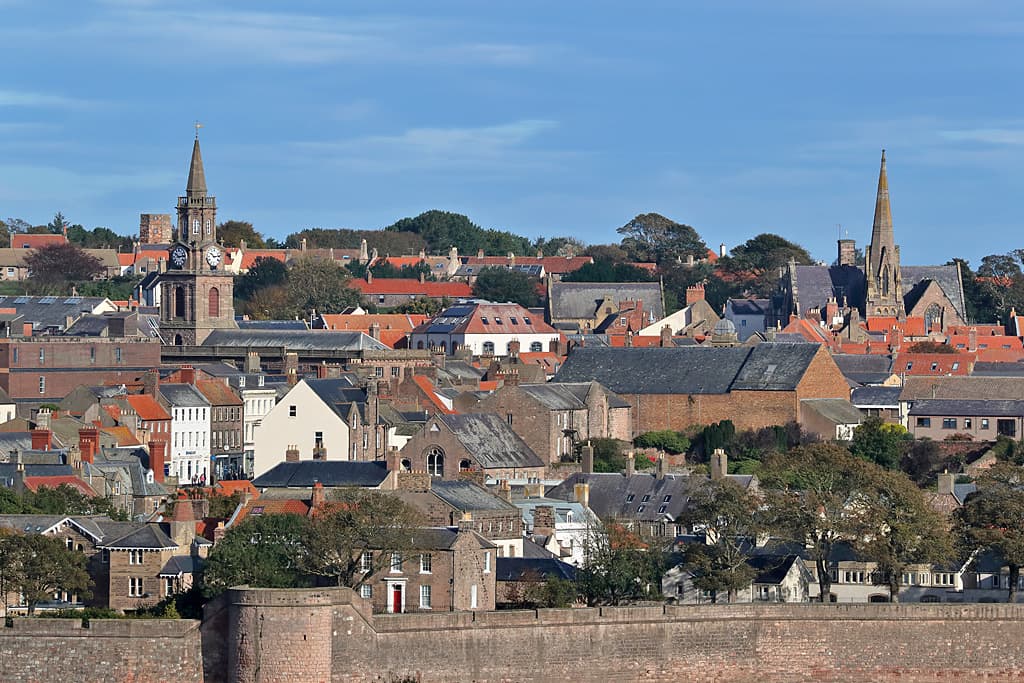 Walter Baxter / CC BY-SA 2.0, via Wikimedia Commons
Самостоятельная аудиопрогулка по Берик-апон-Туид — GPS-маршрут, офлайн-воспроизведение, увлекательное повествование на 32 языках.
“Где Англия встречается с Шотландией, и история оставляет свой след на каждом камне.”
Не открытки. Истории, которые не знают даже местные жители — шепотом в вашем ухе, прямо там, где они произошли.
Бервикский мост имеет довольно необычную историю, связанную с материалами, из которых он был построен.
Елизаветинские стены Бервика уникальны для Британии, и не только из-за своего возраста.
В Бервик-апон-Туиде есть приходская церковь, которая отличается от большинства других церквей, построенных в Англии в тот же период.
Откройте для себя каждый секрет Берик-апон-Туид
Каждый адрес, каждое полное раскрытие — в вашем ухе, прямо там, где это произошло.
Вы выбираете остановки. Вы гуляете. Голос раскрывает то, что упускают другие.


Ваш самостоятельный аудиотур по Берик-апон-Туид готов — выберите свои достопримечательности, выберите свой язык и начните в момент прибытия.
КупитьВ Lume встроен гид дополненной реальности. Поднимите телефон: камера показывает улицу перед вами, а поверх реального изображения светится стрелка, всегда указывающая на вашу следующую остановку — не нужно разбираться с картой и сворачивать не туда. Как и всё в Lume, это работает полностью офлайн.
Бервик-апон-Туид, город, который более дюжины раз переходил из рук в руки между Англией и Шотландией, расположен на самой северной окраине Англии, где река Твид впадает в Северное море. Этот пограничный город с его внушительными стенами и историческими мостами рассказывает историю постоянных перемен и неизменной идентичности. Прогулка по его улицам — это погружение в живую книгу истории, где каждый поворот открывает прошлое, сформированное конфликтами и стойкостью.
## Спорная граница Стратегическое положение Бервик-апон-Туида в устье реки Твид, естественной границы между Англией и Шотландией, сделало его призом в многовековых англо-шотландских конфликтах. Первоначально шотландский бур, он был процветающим портом и одним из четырех королевских бургов Шотландии. Город часто менял суверенитет, по разным оценкам, от 13 до 17 раз, что принесло ему звание «самого оспариваемого города Британии».
## Английский захват Поворотный момент наступил в 1482 году, когда Ричард, герцог Глостерский (позже Ричард III), захватил Бервик для Англии. Несмотря на кратковременную шотландскую оккупацию, английская власть была прочно восстановлена, и Бервик с тех пор остался английским. Однако его отличительный статус пограничного города привел к некоторым особенностям. На протяжении веков Бервик часто рассматривался как отдельная единица, а парламентские акты иногда ссылались на «Англию, Шотландию и Бервик-апон-Туид». Эта аномалия была окончательно устранена Актом о Бервик-апон-Туиде 1836 года, который официально включил его в состав Нортумберленда, Англия.
## Елизаветинские укрепления Самым ярким наследием бурного прошлого Бервика являются его великолепные елизаветинские стены. Построенные между 1558 и 1570 годами, эти стены представляли собой радикальный отход от средневековых укреплений. Разработанные итальянскими инженерами, они были построены с низкими, широкими бастионами для противостояния артиллерийскому огню — новой военной технологии, которая сделала старые, более высокие стены уязвимыми. Эти стены воплощают важный момент в военной архитектуре и остаются удивительно нетронутыми, предлагая уникальную возможность пройти по периметру крепости XVI века.
## Значимые мосты Бервик также определяется своими мостами. 15-арочный Старый мост, завершенный в 1624 году, был жизненно важным связующим звеном через Твид и инженерным чудом своей эпохи. Позже Королевский пограничный мост, впечатляющий железнодорожный виадук, спроектированный Робертом Стефенсоном и открытый королевой Викторией в 1850 году, еще больше укрепил значение Бервика как транспортного узла. Эти сооружения не только способствовали торговле и путешествиям, но и символизировали неизменную связь города как с английскими, так и с шотландскими соседями.
Начните свое исследование с прогулки по Елизаветинским стенам. Эти хорошо сохранившиеся валы предлагают обширные виды на город, реку Твид и Северное море, давая ощутимое представление о защитном прошлом Бервика. Затем исследуйте Бервикские казармы, комплекс зданий XVIII века, где сейчас расположены несколько музеев, в том числе Музей Королевских Шотландских Пограничников и Художественная галерея и музей Бервика. Не пропустите Бервикский мост, также известный как Старый мост, элегантное каменное сооружение с 15 арками, датируемое началом XVII века. Для другого ракурса прогуляйтесь по Королевскому пограничному мосту, впечатляющему викторианскому железнодорожному виадуку. Наконец, посетите Приходскую церковь Святой Троицы, редкий пример церкви, построенной в период Содружества, примечательной отсутствием шпиля из-за пуританских верований того времени.
Идеальное время для посещения Бервик-апон-Туида — весенние и летние месяцы (с мая по сентябрь). Погода обычно мягче и суше, что идеально подходит для прогулок по городским стенам и изучения окрестностей. Многие достопримечательности также продлевают часы работы в этот период.
До Бервик-апон-Туида легко добраться на поезде, с прямыми рейсами из Эдинбурга и Лондона по линии East Coast Main Line. Если вы едете на машине, дорога A1 проходит прямо через город. Парковка доступна на нескольких парковках, платных и бесплатных. Центр города компактен и удобен для пеших прогулок, но для осмотра стен и мощеных улиц рекомендуются удобные туфли. Информацию о местных автобусах и такси можно получить в Туристическом информационном центре.
Берик-апон-Туид: корейский, китайский, иврит и ещё 29 языков — каждую остановку озвучивает носитель языка. Самый широкий выбор языков среди аудиоэкскурсий без гида.
Доступные языки: