Астрономические часы Безансона
Эти сложные часы в Соборе Святого Иоанна предлагают нечто большее, чем простое измерение времени.
Полная история открывается в туре
 Wikipedro / CC BY-SA 4.0, via Wikimedia Commons
Самостоятельная аудиопрогулка по Безансон — GPS-маршрут, офлайн-воспроизведение, увлекательное повествование на 32 языках.
“Где древние камни встречаются с непрерывным потоком времени и реки.”
Не открытки. Истории, которые не знают даже местные жители — шепотом в вашем ухе, прямо там, где они произошли.
Эти сложные часы в Соборе Святого Иоанна предлагают нечто большее, чем простое измерение времени.
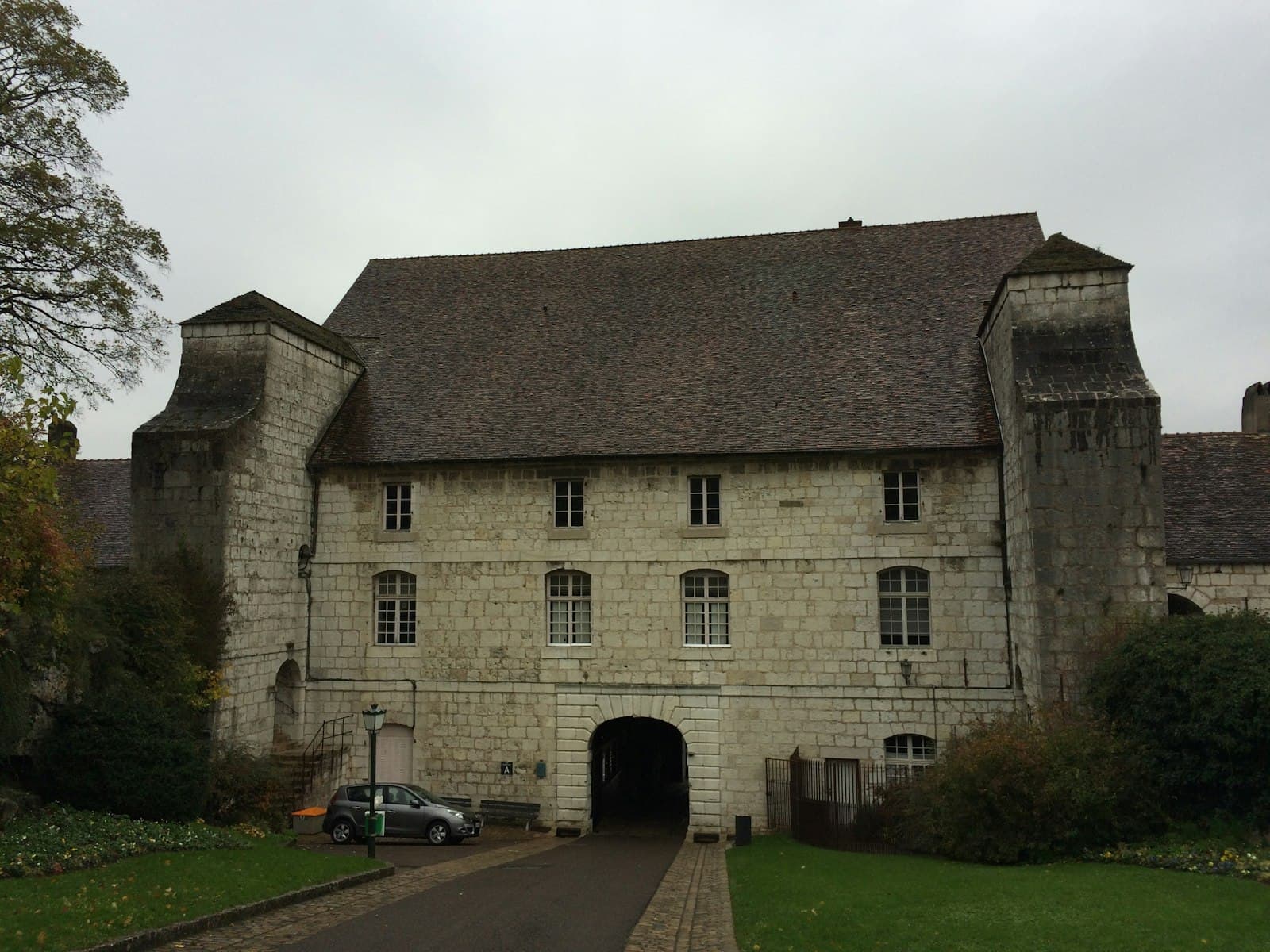
Этот объект Всемирного наследия ЮНЕСКО, шедевр военной инженерии, когда-то скрывал внутри своих внушительных стен неожиданное сообщество.
Дом, где родился один из величайших литературных деятелей Франции, — это не обычный биографический музей.
Откройте для себя каждый секрет Безансон
Каждый адрес, каждое полное раскрытие — в вашем ухе, прямо там, где это произошло.
Вы выбираете остановки. Вы гуляете. Голос раскрывает то, что упускают другие.
Ваш самостоятельный аудиотур по Безансон готов — выберите свои достопримечательности, выберите свой язык и начните в момент прибытия.
КупитьВ Lume встроен гид дополненной реальности. Поднимите телефон: камера показывает улицу перед вами, а поверх реального изображения светится стрелка, всегда указывающая на вашу следующую остановку — не нужно разбираться с картой и сворачивать не туда. Как и всё в Lume, это работает полностью офлайн.
Безансон, историческая столица региона Франш-Конте на востоке Франции, расположен в драматическом полукольце реки Ду. Эта стратегическая географическая особенность, которая дала старому городу прозвище «la Boucle» (петля), формировала его судьбу на протяжении более двух тысячелетий. Безансон, признанный объектом Всемирного наследия ЮНЕСКО за его великолепную Цитадель XVII века, представляет собой захватывающее сочетание римских руин, средневековой архитектуры и элегантных ренессансных зданий, обрамленных зелеными холмами.
Помимо своего архитектурного величия, Безансон — город, глубоко связанный с концепцией времени. Когда-то он был сердцем французского часового дела, наследие которого увековечено в его музеях и сложном астрономических часах в его соборе. Сегодня это процветающий университетский город, известный своей приверженностью к экологическим инициативам и спокойным темпом жизни, который поощряет нетороватое исследование.
## От древнего Везонцио до вольного имперского города История Безансона начинается около 1500 г. до н.э. с кельтских поселений бронзового века, занимавших стратегическую петлю реки Ду. К 58 г. до н.э. он был известен как Везонцио, столица галлов-секванов, место настолько стратегически важное, что сам Юлий Цезарь завоевал его во время Галльских войн, назвав его, по сообщениям, «драгоценным камнем в моей короне». Римляне укрепили эту местность, оставив после себя такие остатки, как Порт Нуар, триумфальная арка, и театр.
После римской эпохи судьба Безансона менялась, попеременно находясь под германским и французским господством. В 1032 году император Священной Римской империи Генрих II включил город в состав Священной Римской империи. К 1184 году император Фридрих Барбаросса даровал Безансону статус вольного имперского города, автономного города-государства под властью императора Священной Римской империи, и он стал архиепископством.
## Под властью Габсбургов и Франции В XIV веке Безансон попал под влияние герцогов Бургундских, а затем, по наследству, в XVI веке перешел под власть Габсбургов, в частности, испанской короны на 150 лет. Этот период оставил заметное архитектурное наследие, включая здания в стиле испанского ренессанса, такие как дворец Гранвель. В 1674 году войска Людовика XIV осадили Безансон, и через 27 дней город сдался. Нимвегенские договоры 1678-1679 годов официально присоединили Безансон и окружающий регион к Королевству Франция. В 1676 году Людовик XIV назначил Безансон новой столицей региона Франш-Конте, переведя туда свой парламент, университет и монетный двор из Доля.
## Шедевр Вобана и наследие часового дела После присоединения Людовик XIV поручил своему блестящему военному инженеру Себастьену Ле Престру де Вобану укрепить Безансон. Между 1674 и 1688 годами Вобан полностью перестроил Цитадель, создав шедевр военной архитектуры, который сегодня является объектом Всемирного наследия ЮНЕСКО. В XVIII веке начался расцвет часовой промышленности Безансона, во многом сформированный швейцарскими часовщиками. К 1880 году Безансон производил 90% французских часов, укрепив свой статус «французской столицы часового дела». Это наследие сегодня увековечено в Музее времени (Musée du Temps).
## Современный Безансон Безансон пережил дальнейшие конфликты, включая бомбардировки австрийцами в 1814 году и разрушения во время Второй мировой войны, когда Цитадель использовалась нацистами, а многие французские бойцы сопротивления были там казнены. В 1959 году французская армия передала Цитадель городу, превратив ее в значимое культурное и туристическое место. Сегодня Безансон признан одним из самых зеленых городов Франции, процветающим университетским городом с сильным акцентом на микротехнологии и биомедицинскую инженерию.
Начните свое исследование с Цитадели Безансона, объекта Всемирного наследия ЮНЕСКО, спроектированного Вобаном. Эта внушительная крепость предлагает обширные виды на город и реку Ду, а также вмещает несколько музеев, включая Музей Сопротивления и Депортации, этнографический музей и музей естественной истории с зоопарком и энтомологическим отделом.
Спуститесь в центр города, в основном пешеходный, и прогуляйтесь по его историческим улицам. Посетите Музей изящных искусств и археологии (Musée des Beaux-Arts et d'Archéologie), одну из старейших публичных художественных коллекций Франции, представляющую работы от античности до современного искусства таких мастеров, как Гойя и Пикассо. Не пропустите Музей времени (Musée du Temps), расположенный в элегантном ренессансном дворце Гранвель, который рассказывает о часовом наследии Безансона.
Зайдите в Собор Святого Иоанна (Saint-Jean Cathedral), чтобы полюбоваться его великолепными астрономическими часами XIX века — сложным чудом, состоящим из 30 000 деталей и 122 индикаторов. Неподалеку вы найдете Порт Нуар (Porte Noire), римскую триумфальную арку возрастом 2000 лет. Совершите неспешную прогулку по набережной Вобана (Quai Vauban), живописной набережной реки, или совершите прогулку на лодке по реке Ду, чтобы увидеть город с другого ракурса.
Для любителей литературы дом, где родился Виктор Гюго, на улице Гранд-Рю, 140, предлагает уникальный взгляд на социальные и политические убеждения прославленного писателя.
Самое приятное время для посещения Безансона для занятий на свежем воздухе — с конца июня до начала сентября. В эти летние месяцы температура обычно приятная, со средними максимумами около 23-26°C (73-79°F) и комфортными вечерами. Хотя июль и август самые теплые, они также, как правило, самые сухие. Весна (апрель-май) и ранняя осень (сентябрь-октябрь) предлагают более мягкие температуры и меньше толп, что делает их подходящими для изучения исторических мест и наслаждения активным отдыхом, таким как прогулки. Будьте готовы к случайным дождям в эти переходные сезоны.
До Безансона легко добраться на поезде, с высокоскоростными поездами TGV из парижского вокзала Гар-де-Лион, обычно с пересадкой в Дижоне или Доле, время в пути составляет примерно 2,5-3 часа. В городе доступен местный транспорт через трамвайные и автобусные линии Ginko. Исторический центр города в основном пешеходный, что делает его приятным для прогулок.
Варианты размещения варьируются от отелей в историческом районе, таких как Hôtel Le Sauvage, до более экономичных сетей и хостелов. Туристический пропуск Безансона (Besançon Tourism Pass) может предоставить бесплатный доступ к нескольким достопримечательностям и неограниченный проезд на общественном транспорте. Город также служит отличной базой для однодневных поездок в близлежащие Доль, Дижон и Бон, или даже дальше, во Фрайбург (Германия) или Женеву (Швейцария).
Безансон: корейский, китайский, иврит и ещё 29 языков — каждую остановку озвучивает носитель языка. Самый широкий выбор языков среди аудиоэкскурсий без гида.
Доступные языки: