Mul Chowk, Bhaktapur Durbar Square
Non tutti gli spazi sacri sono aperti a tutti.
La storia completa si sblocca nel tour
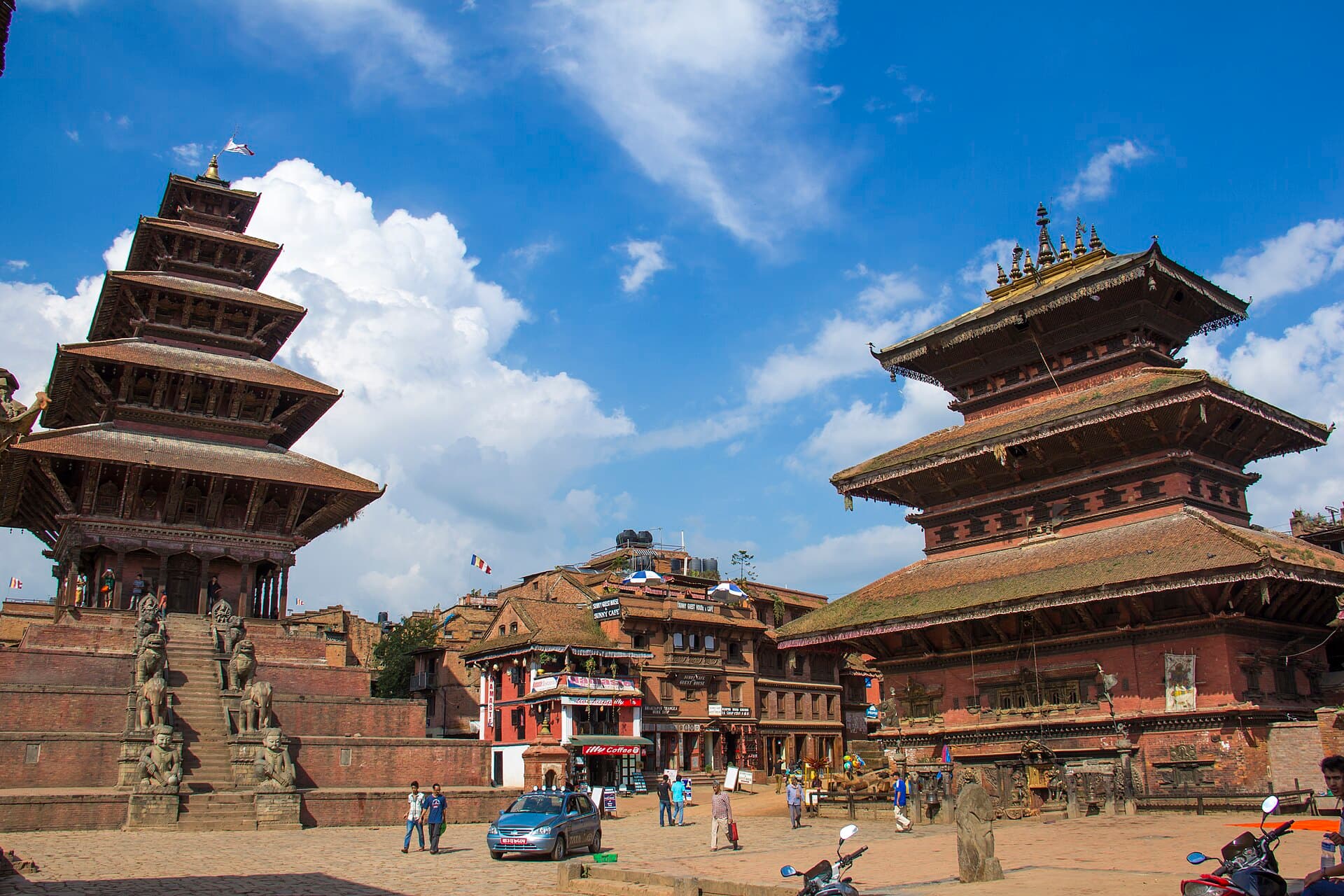 Saroj Pandey / CC BY-SA 3.0, via Wikimedia Commons
Tour audio autoguidato di Bhaktapur — percorso GPS a piedi, riproduzione offline, narrazione coinvolgente in 32 lingue.
“Dove antichi mattoni e legno intagliato raccontano storie più antiche della memoria.”
Non le cartoline. Le storie che nemmeno i locali conoscono — sussurrate nel tuo orecchio, proprio dove sono accadute.
Non tutti gli spazi sacri sono aperti a tutti.
Questo antico tempio ha una sorprendente storia d'origine che lo collega a un'altra struttura famosa.
Questo grande stagno racchiude una storia di un potente scontro sotto la sua superficie calma.
Scopri ogni segreto di Bhaktapur
Ogni indirizzo, ogni rivelazione completa — nel tuo orecchio, proprio dove è accaduta.
Scegli le tue tappe. Cammini. La voce rivela ciò che gli altri perdono.


Il tuo tour audio autoguidato di Bhaktapur è pronto — scegli i tuoi punti di interesse, seleziona la tua lingua e inizia nel momento in cui arrivi.
AcquistaLume include una guida in realtà aumentata. Alza il telefono: la fotocamera mostra la strada davanti a te, con una freccia luminosa sovrapposta all'immagine reale che punta sempre verso la tua prossima tappa — nessuna mappa da decifrare, nessuna svolta sbagliata. Come tutto in Lume, funziona completamente offline.
Bhaktapur, conosciuta localmente come Khwopa, è una città nella valle di Kathmandu, a circa 13 chilometri (8,1 miglia) a est di Kathmandu. Spesso chiamata la "Città dei Devoti", è un importante insediamento Newar e una delle tre principali città del Nepal nella valle, insieme a Kathmandu e Lalitpur. Bhaktapur si distingue per il suo carattere medievale ben conservato, l'architettura tradizionale Newari e il profondo patrimonio culturale. Il centro storico della città è libero dalle auto, consentendo un'esperienza più immersiva delle sue strade lastricate in pietra, templi e vivaci mercati.
Designata patrimonio mondiale dell'UNESCO, Bhaktapur offre uno spaccato di uno stile di vita che risale al Medioevo, con strade lastricate in mattoni e tradizionali case in mattoni rossi. Nonostante i danni subiti nel terremoto del 2015, estesi sforzi di restauro hanno ricostruito e rinforzato con cura molte strutture utilizzando tecniche tradizionali Newari, preservando la bellezza architettonica originale della città. Questo impegno continuo per la conservazione del patrimonio rende Bhaktapur una destinazione avvincente, dove antichi rituali e artigianato continuano a prosperare nelle sue piazze storiche.
## Da Antico Hub Commerciale a Capitale Reale La storia di Bhaktapur risale almeno all'inizio dell'VIII secolo, fondata come insediamento lungo le antiche rotte commerciali tibetane che portarono notevole ricchezza alla zona. Fu fondata nel XII secolo dal re Ananda Malla e crebbe fino a diventare il più grande dei tre regni Newari nella valle di Kathmandu, servendo persino da capitale di tutto il Nepal fino alla metà del XV secolo.
## La Dinastia Malla e un'Età d'Oro La dinastia Malla, che regnò per cinque secoli e mezzo, plasmò profondamente Bhaktapur. Questo periodo è considerato un'età d'oro per la città, segnato da una fioritura di arte e architettura. Dopo il regno del re Yaksha Malla (1428-1482), il regno fu diviso tra i suoi figli, portando alla creazione di tre principati rivali: Bhaktapur, Kantipur (Kathmandu) e Lalitpur (Patan). Questa rivalità stimolò involontariamente un periodo di intenso sviluppo architettonico, poiché ogni regno competeva per la città più bella. Molti dei più grandi monumenti sopravvissuti di Bhaktapur, inclusa l'imponente pagoda Nyatapola, furono commissionati durante il regno del re Bhupatindra Malla (1696–1722).
## Declino e Conservazione Moderna Nel 1769, Bhaktapur fu conquistata e annessa al Regno di Gorkha in espansione, che in seguito divenne il Regno del Nepal, e la capitale fu spostata a Kathmandu. L'importanza politica e culturale della città diminuì successivamente. Terremoti devastanti nel 1833 e nel 1934 causarono danni significativi, ma meticolosi sforzi di ricostruzione valsero alla città lo status di patrimonio mondiale dell'UNESCO nel 1979. Più recentemente, il terremoto dell'aprile 2015 ha anch'esso colpito i siti del patrimonio di Bhaktapur. Tuttavia, gli sforzi di restauro della città sono stati notevoli, con molte strutture danneggiate accuratamente ricostruite utilizzando tecniche di costruzione tradizionali Newari, garantendo che la sua bellezza senza tempo persista.
Bhaktapur è un museo vivente, con le sue quattro piazze principali che offrono un viaggio attraverso l'arte e l'architettura Newari. Bhaktapur Durbar Square, patrimonio mondiale dell'UNESCO, era un tempo il complesso del palazzo reale dei re Malla. Qui troverai il Palazzo delle 55 Finestre Scolpite, un capolavoro del XV secolo di intricati lavori in legno, e la Porta d'Oro, un esempio di arte a repoussé che conduce ai giardini del palazzo. Il Museo Nazionale d'Arte si trova anch'esso all'interno di Durbar Square, esponendo dipinti paubha, manoscritti e sculture.
Taumadhi Square ospita il Tempio Nyatapola a cinque piani, il tempio in stile pagoda più alto del Nepal, che ha resistito in modo notevole al terremoto del 1933. Adiacente si erge il Tempio Bhairavnath, dedicato al Dio del Terrore. Più a est, Dattatreya Square presenta il Tempio Dattatreya, dedicato a una divinità composita di Brahma, Vishnu e Shiva, e un monastero vicino con squisite Finestre del Pavone.
Infine, Pottery Square (conosciuta anche come Bolachha Tole o Kumal Tole) è un'officina attiva a cielo aperto dove artigiani locali, principalmente della casta Kumale, creano vasi tradizionali in terracotta utilizzando torni a pedale e li asciugano al sole. I visitatori possono osservare il processo di produzione della ceramica, acquistare souvenir fatti a mano e persino cimentarsi nell'artigianato. La piazza contiene anche il Tempio Jetha Ganesh e il Tempio Gorakhnath.
Il periodo ideale per visitare Bhaktapur è l'autunno (ottobre-dicembre) e la primavera (marzo-aprile). Durante questi mesi, il clima è caratterizzato da cieli sereni, giornate calde e notti fresche, offrendo condizioni confortevoli per visite turistiche e attività all'aperto. L'autunno, in particolare, è noto per festival vivaci come Indra Jatra e Dashain, e la stagione del raccolto del riso, offrendo una ricca esperienza culturale. Mentre l'inverno (dicembre-febbraio) porta temperature più fresche e meno turisti, consentendo un'esplorazione più pacifica, la stagione dei monsoni (giugno-agosto) è generalmente da evitare a causa delle forti piogge, sebbene offra paesaggi lussureggianti e meno folla.
Bhaktapur si trova a circa 12-13 chilometri (8 miglia) da Kathmandu e a 6 miglia dall'aeroporto internazionale di Tribhuvan. La maggior parte delle nazionalità può ottenere un visto turistico all'arrivo all'aeroporto di Kathmandu. C'è una tassa d'ingresso per gli stranieri per entrare a Bhaktapur, che è patrimonio mondiale dell'UNESCO, attualmente intorno ai 1.800 Rupie Nepalesi (circa $15 USD). Questo biglietto è spesso valido per una settimana, consentendo più ingressi. Il contante è preferito nella maggior parte dei luoghi, sebbene siano disponibili bancomat. Il nepalese e il newari sono le lingue principali, con un po' di inglese parlato nelle aree turistiche. Si consiglia un abbigliamento modesto, soprattutto quando si visitano i templi. Bhaktapur è una città molto sicura per i turisti ed è facilmente esplorabile a piedi, poiché l'antico centro della città è libero dalle auto.
Bhaktapur — coreano, cinese, ebraico e altre 29 lingue, ogni tappa narrata da una voce madrelingua. La più ampia scelta di lingue tra i tour audio autoguidati.
Disponibile in: