Aina Mahal
Jenseits der glitzernden Spiegel enthüllt eine seltsame Sammlung die Faszination eines Herrschers für europäische Innovationen.
Die ganze Geschichte wird in der Tour freigeschaltet
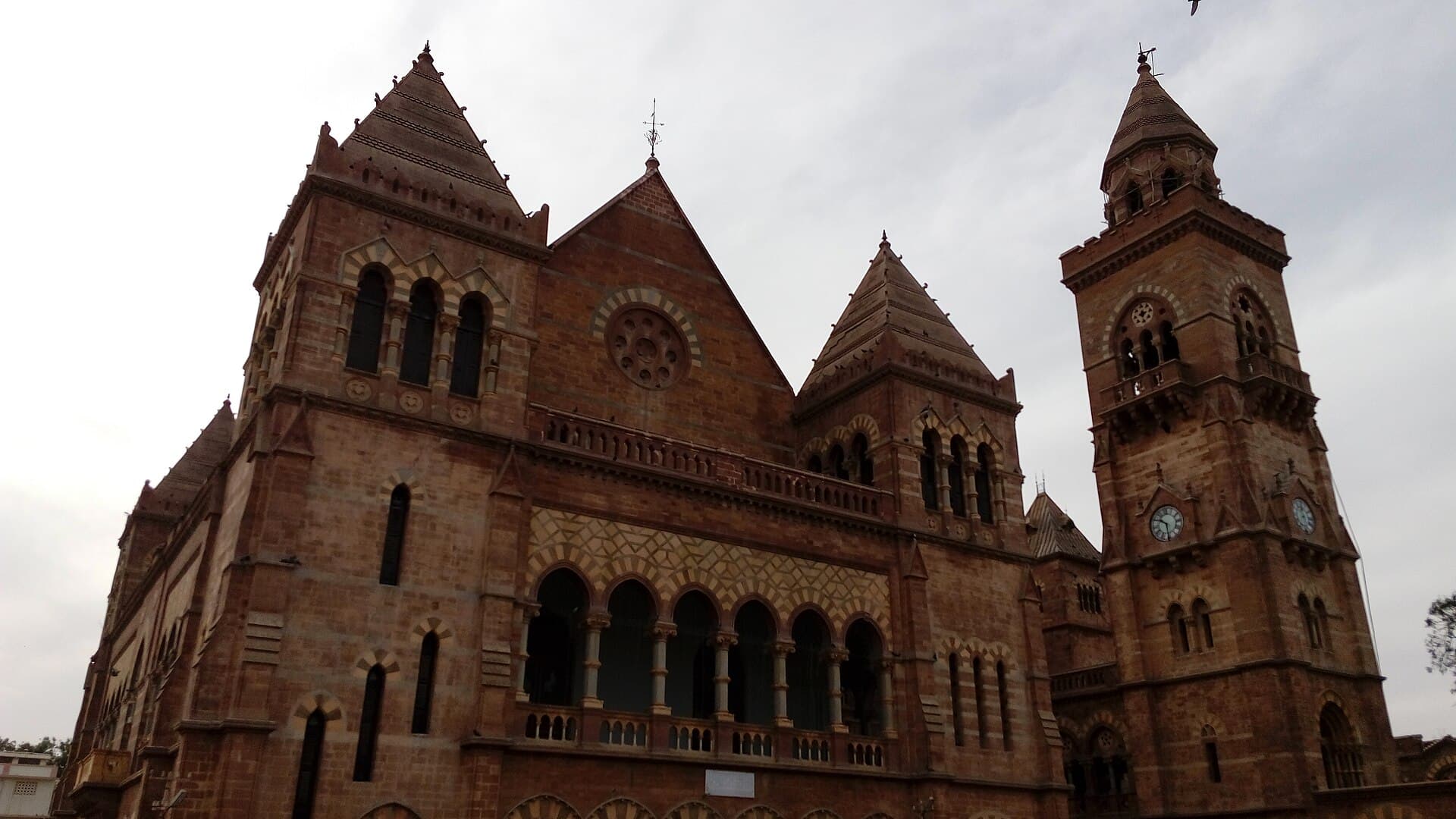 Nizil Shah / CC BY-SA 3.0, via Wikimedia Commons
Selbstgeführte Audio-Walking-Tour durch Bhuj — GPS-Route, Offline-Wiedergabe, erzählerische Narration in 32 Sprachen.
“Wo alte Echos auf lebendige Handwerke treffen.”
Nicht die Postkarten. Die Geschichten, die selbst Einheimische nicht kennen – dir ins Ohr geflüstert, genau dort, wo sie geschahen.
Jenseits der glitzernden Spiegel enthüllt eine seltsame Sammlung die Faszination eines Herrschers für europäische Innovationen.
Der Palast im italienischen Gotikstil hat eine überraschende Verbindung zum Bollywood-Kino.
Diese ruhigen Gedenkstätten, obwohl beschädigt, deuten auf eine seltene Mischung von Architekturstilen hin.
Entdecke jedes Geheimnis von Bhuj
Jede Adresse, jede Enthüllung vollständig – in deinem Ohr, genau dort, wo es geschah.
Du wählst deine Stationen. Du gehst. Die Stimme enthüllt, was andere übersehen.


Deine selbstgeführte Audio-Tour durch Bhuj ist bereit – wähle deine Sehenswürdigkeiten, deine Sprache und starte, sobald du ankommst.
KaufenLume enthält einen integrierten Augmented-Reality-Guide. Halten Sie Ihr Handy hoch: Die Kamera zeigt die Straße vor Ihnen, mit einem leuchtenden Pfeil über dem echten Bild, der immer auf Ihren nächsten Stopp zeigt — keine Karte zum Rätseln, keine falschen Abzweigungen. Wie alles bei Lume funktioniert es komplett offline.
Bhuj, das historische Herz der Kutch-Region in Gujarat, Indien, ist eine Stadt, in der jahrhundertealte Geschichte und beständige Traditionen zusammenlaufen. Gegründet 1510 von Rao Hamirji und später 1549 von Rao Khengarji I. zur Hauptstadt des Fürstenstaates Kutch gemacht, ist Bhuj seit langem ein bedeutendes kulturelles und wirtschaftliches Zentrum. Seine strategische Lage verband das Landesinnere mit dem Seehafen von Mandvi und förderte ein Erbe des Handels und feiner Handwerkskunst.
Obwohl Bhuj verheerende Erdbeben erlebte, insbesondere 1819 und 2001, hat es sich konsequent wieder aufgebaut und seine einzigartige architektonische Identität und sein kulturelles Erbe bewahrt. Die Widerstandsfähigkeit der Stadt zeigt sich in ihrer Mischung aus indischen, islamischen und europäischen Architekturstilen, ein Beweis für die vielfältigen Einflüsse, die sie im Laufe der Zeit geprägt haben. Heute ist Bhuj ein faszinierendes Reiseziel für Geschichtsinteressierte, Liebhaber traditioneller Künste und für diejenigen, die den lebendigen Charakter Gujarats erleben möchten.
## Gründung und frühe Entwicklung Bhuj's Ursprünge reichen bis ins Jahr 1510 zurück, als es von Rao Hamirji gegründet wurde. Seine wahre Bedeutung begann 1549, als Rao Khengarji I. es zur Hauptstadt des Fürstenstaates Kutch (Kutch) machte und es strategisch im Zentrum der Region platzierte. Der Name der Stadt leitet sich vom Hügel Bhujiyo Dungar ab, an dessen Fuße sie liegt, einem Hügel, der mit einer lokalen Schlangengottheit verbunden ist.
## Architektonische Entwicklung und königliche Schirmherrschaft Die architektonische Landschaft von Bhuj ist ein faszinierendes Gewebe aus verschiedenen Einflüssen. Frühe Bauwerke zeigten Rajput- und islamische Stile, die sich um den Darbargadh-Palastkomplex entwickelten. Mitte des 18. Jahrhunderts, unter der Schirmherrschaft von Maharao Lakhpatji, erlebte Bhuj eine Ära künstlerischer Synthese. Lakhpatji, ein begeisterter Kunstmäzen, beauftragte den Bau des Aina Mahal (Spiegelpalast) und gründete eine Kunstschule, zu der er europäische Meister einlud, um lokale Handwerker zu unterrichten. Ramsinh Malam, ein legendärer Handwerker und Navigator, der nach einer Schiffbrüchigkeit 18 Jahre lang europäische Handwerkskunst in Holland studiert hatte, spielte eine Schlüsselrolle bei diesem indo-europäischen Fusionsstil.
## Britischer Einfluss und Neuzeit Das 19. Jahrhundert sah die Einführung italienischer Gotik und neoklassizistischer Stile, am bemerkenswertesten mit dem Bau des Prag Mahal, entworfen vom britischen Architekten Colonel Wilkins und fertiggestellt 1879. Diese Periode brachte auch moderne Infrastruktur, einschließlich des ersten Uhrturms der Stadt, der die Skyline von Bhuj veränderte. Nach der Unabhängigkeit Indiens im Jahr 1947 schloss sich der Staat Kutch der Union von Indien an, und Bhuj behielt seinen Verwaltungsstatus. 1960 wurde Bhuj Teil des neu gegründeten Bundesstaates Gujarat.
## Widerstandsfähigkeit und Wiederaufbau Bhuj hat eine Geschichte bedeutender Erdbeben überstanden, wobei große Ereignisse in den Jahren 1819 und 2001 weitreichende Zerstörungen verursachten. Insbesondere das Erdbeben von 2001 verwüstete einen Großteil des historischen Zentrums. Die Stadt hat jedoch durchweg bemerkenswerte Widerstandsfähigkeit bewiesen, umfangreiche Wiederaufbau- und Revitalisierungsbemühungen unternommen, die zu Verbesserungen der Infrastruktur und einer erneuerten Stadtlandschaft geführt haben.
Beginnen Sie Ihre Erkundung im Aina Mahal (Spiegelpalast), einem Palast aus dem 18. Jahrhundert, der indo-europäische Architektur mit kunstvollen Spiegelarbeiten, belgischen Glaskronleuchtern und einer Sammlung königlicher Besitztümer zeigt. Daneben steht der Prag Mahal, ein beeindruckender Palast aus dem 19. Jahrhundert im italienischen Gotikstil. Erklimmen Sie seinen 45 Meter hohen Uhrturm für einen weiten Blick über Bhuj. Beide Paläste, obwohl beim Erdbeben 2001 beschädigt, bieten einen Einblick in den Reichtum der Könige von Kutch.
Besuchen Sie das Kutch Museum, das 1877 gegründet wurde und damit das älteste Museum Gujarats ist. Es beherbergt eine vielfältige Sammlung von Kutch-Textilien, historischen Waffen, antiken Münzen und Musikinstrumenten. Machen Sie einen ruhigen Spaziergang um den Hamirsar See, einen künstlichen See im Herzen der Stadt, der besonders während der Monsunzeit mit seiner üppigen Vegetation und Vogelwelt besticht. Die Royal Cenotaphs (Chattardi), kunstvoll geschnitzte Sandstein-Denkmäler für die Jadeja Rajputenherrscher, bieten eine ruhige und malerische Atmosphäre. Für ein spirituelles Erlebnis beeindruckt der Shri Swaminarayan Tempel, der nach dem Erdbeben von 2001 wiederaufgebaut wurde, mit seiner Architektur aus weißem Marmor und seinen filigranen Details.
Kein Besuch in Bhuj ist vollständig, ohne seine berühmten Handwerkskünste zu erkunden. Das Dorf Bhujodi, nur 8 km entfernt, ist ein Zentrum für Weber und Kunsthandwerker, die exquisite Kutch-Textilien herstellen. Im Hiralaxmi Memorial Craft Park können Sie traditionelle Kutchi-Textilien und Handwerkskunst entdecken.
Die beste Zeit für einen Besuch in Bhuj sind die kühleren Monate von Oktober bis Februar. In dieser Zeit ist das Wetter angenehm, mit Temperaturen zwischen etwa 8°C und 28°C, ideal für Besichtigungen und Outdoor-Aktivitäten. Diese Saison fällt auch mit dem Rann Utsav (Wüstenfest) im Großen Rann von Kutch zusammen, einem wichtigen kulturellen Ereignis, das viele Besucher anzieht. Die Sommer (März-Juni) sind extrem heiß mit Temperaturen über 40°C und werden generell nicht für Besuche empfohlen. Die Monsunzeit (Juni-September) bringt mäßigen Regen und hohe Luftfeuchtigkeit mit sich, was Besichtigungen unangenehm machen kann.
Bhuj ist gut angebunden per Flugzeug, Bahn und Straße. Der Rudra Mata Flughafen (BHJ) ist ein Inlandsflughafen etwa 4-5,5 km vom Stadtzentrum entfernt, mit Direktflügen von Mumbai und Anschlussflügen von anderen großen indischen Städten. Der Bahnhof Bhuj liegt etwa 1-4 km vom Stadtzentrum entfernt und bietet regelmäßige Zugverbindungen zu Städten wie Mumbai, Ahmedabad und Delhi. Ein ausgedehntes Netz von National- und Staatsstraßen verbindet Bhuj mit wichtigen Städten in Gujarat, wobei Staats- und Privatbusse regelmäßige Verbindungen anbieten.
Innerhalb von Bhuj sind Auto-Rikschas (Tuk-Tuks) das gebräuchlichste und bequemste lokale Transportmittel. Sammel-Rikschas, bekannt als chakadas, sind auch beliebt für Fahrten in nahegelegene Dörfer. Taxis und Mietwagen sind mit oder ohne Fahrer verfügbar. Bei Ihrem Besuch sollten Sie bequeme Kleidung aus atmungsaktiver Baumwolle tragen, insbesondere angesichts des halbtrockenen Klimas. Tragen Sie abgefülltes Wasser bei sich, um hydriert zu bleiben, und vermeiden Sie Leitungswasser. Die meisten Hauptattraktionen sind montags geschlossen, planen Sie entsprechend.
Bhuj — Koreanisch, Chinesisch, Hebräisch und 29 weitere Sprachen, jede Station von einer muttersprachlichen Stimme erzählt. Die größte Sprachauswahl aller selbstgeführten Audiotouren.
Verfügbar auf: