Forte Junagarh
Questa formidabile fortezza, a differenza della maggior parte delle roccaforti del Rajasthan, non fu costruita sulla cima di una collina.
La storia completa si sblocca nel tour
 DevUbc / CC BY-SA 4.0, via Wikimedia Commons
Tour audio autoguidato di Bikaner — percorso GPS a piedi, riproduzione offline, narrazione coinvolgente in 32 lingue.
“Dove il deserto respira storie di valore e devozione.”
Non le cartoline. Le storie che nemmeno i locali conoscono — sussurrate nel tuo orecchio, proprio dove sono accadute.
Questa formidabile fortezza, a differenza della maggior parte delle roccaforti del Rajasthan, non fu costruita sulla cima di una collina.
Migliaia di ratti si muovono liberamente all'interno di questo tempio, considerati esseri sacri.
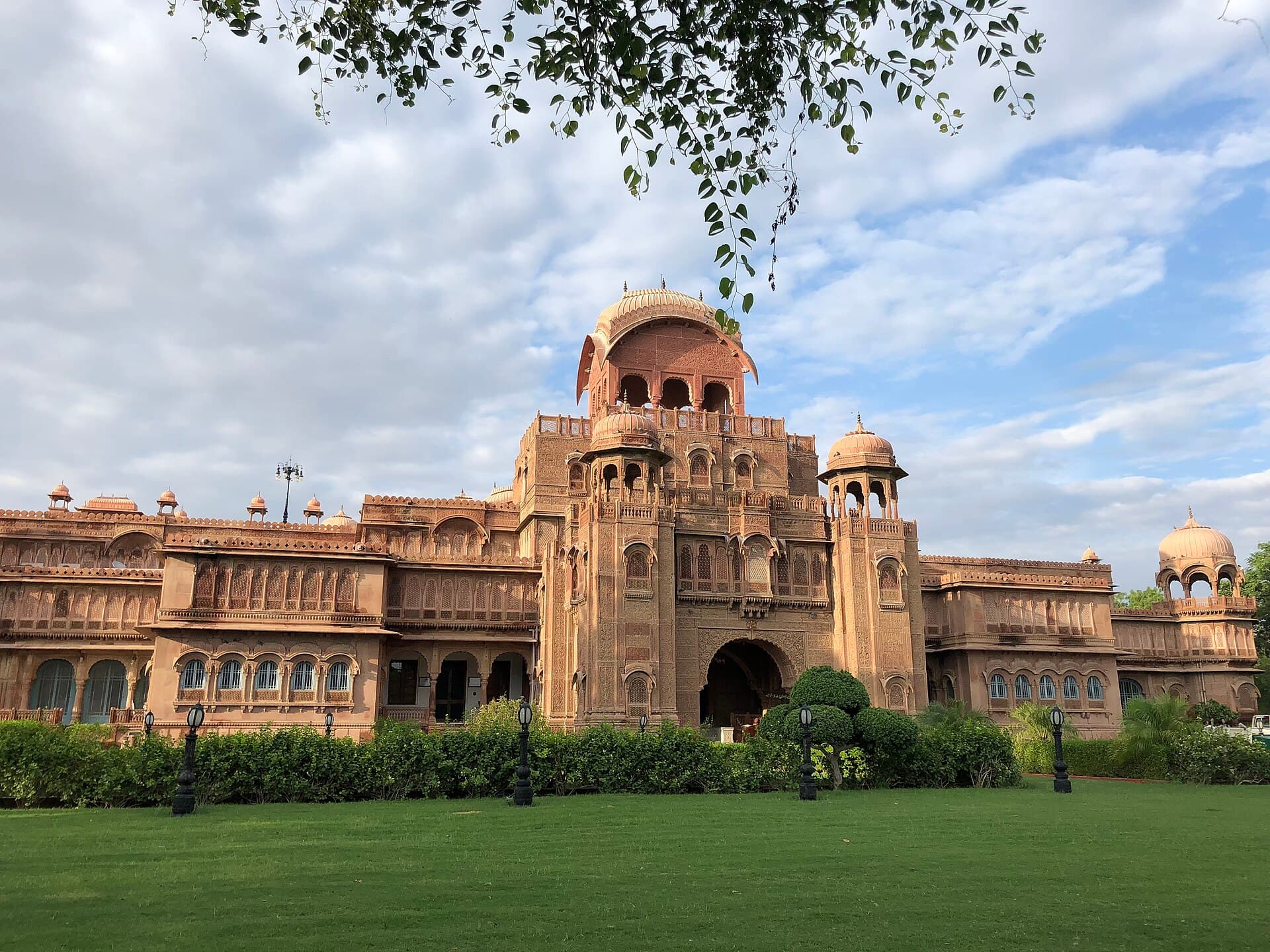
Questo capolavoro architettonico Indo-Saraceno fu commissionato dai britannici per un giovane Maharaja.
Scopri ogni segreto di Bikaner
Ogni indirizzo, ogni rivelazione completa — nel tuo orecchio, proprio dove è accaduta.
Scegli le tue tappe. Cammini. La voce rivela ciò che gli altri perdono.


Il tuo tour audio autoguidato di Bikaner è pronto — scegli i tuoi punti di interesse, seleziona la tua lingua e inizia nel momento in cui arrivi.
AcquistaLume include una guida in realtà aumentata. Alza il telefono: la fotocamera mostra la strada davanti a te, con una freccia luminosa sovrapposta all'immagine reale che punta sempre verso la tua prossima tappa — nessuna mappa da decifrare, nessuna svolta sbagliata. Come tutto in Lume, funziona completamente offline.
Bikaner, una città nell'espanse nord-occidentale dello stato indiano del Rajasthan, sorge dal deserto del Thar come un panorama di arenaria rossa e un patrimonio vivido. Fondata nel 1488 da Rao Bika, un principe Rathore Rajput, Bikaner si trasformò rapidamente da una terra selvaggia conosciuta come Jangladesh alla quarta città più grande del Rajasthan. La sua posizione strategica lungo le antiche rotte carovaniere, che collegavano l'Asia centrale con la costa del Gujarat, consolidò il suo ruolo di snodo cruciale per il commercio e la cultura.
Spesso conosciuta come la 'Città dei Cammelli', Bikaner è celebrata per il suo profondo legame con i cammelli, ospitando persino uno dei più estesi allevamenti di cammelli dell'Asia. Oltre alla sua distesa desertica e alle leggende sui cammelli, Bikaner presenta un'affascinante fusione di sontuosi palazzi, templi finemente intagliati e mercati vivaci che illuminano la sua duratura eredità reale e le sue tradizioni artistiche. È una città dove il passato si intreccia con grazia con il presente, invitando i visitatori a esplorare il suo fascino distintivo e a scoprire narrazioni incise nella pietra e nella sabbia.
La narrazione di Bikaner inizia nel 1488 con Rao Bika, un principe Rathore Rajput e il figlio maggiore di Rao Jodha, fondatore di Jodhpur. La leggenda narra che, a seguito di un commento insensibile del padre, Rao Bika lasciò Jodhpur con il fratello minore, gli zii e un contingente di cavalieri e soldati, avventurandosi nella terra selvaggia conosciuta come Jangladesh. Sognava di stabilire il proprio regno e, discernendo le potenzialità della regione desertica, pose le fondamenta di Bikaner il 12 aprile 1488. La città, che porta il nome del suo fondatore, fu strategicamente posizionata a Rati Ghati, un punto d'incontro cruciale per le rotte commerciali del deserto.
Circa un secolo dopo la sua fondazione, le fortune di Bikaner migliorarono significativamente sotto il suo sesto sovrano, Raja Rai Singhji, che governò dal 1571 al 1611. Rai Singh, un fidato generale dell'imperatore Moghul Akbar, utilizzò le risorse acquisite dai suoi jagir (concessioni terriere) per finanziare la costruzione del formidabile Forte Junagarh tra il 1589 e il 1594. Questa imponente fortificazione, inizialmente chiamata Chintamani, divenne un simbolo della potenza e dell'abilità artistica di Bikaner, mostrando una fusione di forme architettoniche Rajput, Moghul e Gujarati. Nel corso dei secoli, i successivi sovrani continuarono ad arricchire la grandezza architettonica della città, con palazzi, padiglioni e templi abilmente integrati nelle strutture esistenti.
Bikaner passò sotto l'amministrazione britannica nel 1818, diventando infine parte della Repubblica Indiana nel 1947. Durante i primi anni del XX secolo, il Maharaja Ganga Singh, considerando il medievale Forte Junagarh inadatto a un monarca contemporaneo, commissionò la costruzione del magnifico Palazzo Lalgarh. Progettato dall'architetto britannico Sir Samuel Swinton Jacob, il palazzo, costruito tra il 1902 e il 1926, esemplifica lo stile Indo-Saraceno, fondendo elementi architettonici Rajput, Moghul ed europei. Lo sviluppo del Canale Ganga nel 1928 e del Canale Indira Gandhi nel 1987 supportarono ulteriormente l'espansione della regione. Oggi, Bikaner rimane una città vivace, che custodisce la sua eredità storica abbracciando la vita contemporanea.
Bikaner presenta una serie accattivante di attrazioni, ognuna delle quali racconta una storia della sua eredità reale. Il Forte Junagarh, una meraviglia del XVI secolo, testimonia l'architettura Rajput con i suoi intagli intricati, gli eleganti balconi e le imponenti mura. All'interno, esplora sontuosi palazzi come Anup Mahal, Phool Mahal e Chandra Mahal, adornati con squisita arte Rajasthani, e visita il museo del forte che espone manufatti del passato di Bikaner.
Appena fuori città, il Tempio Karni Mata a Deshnok, ampiamente conosciuto come il 'Tempio dei Ratti', offre un incontro culturale distintivo dove migliaia di ratti sono venerati come sacri. Il Palazzo Lalgarh, un capolavoro architettonico Indo-Saraceno, ospita ora un hotel storico e lo Shri Sadul Museum, che espone manufatti reali e un unico vagone ferroviario. Assicurati di visitare le Rampuria Havelis nella Città Vecchia, un gruppo di dimore del XV secolo riconosciute per la loro distintiva architettura in arenaria rossa, le grate intagliate (jalis) e gli interni riccamente dipinti. Per un'immersione più profonda nella cultura locale, il National Research Centre on Camel offre spunti su questi animali del deserto e persino sui prodotti derivati dal latte di cammella. Puoi anche vivere direttamente il deserto del Thar con un safari a dorso di cammello attraverso le sue sabbie dorate.
Il periodo ideale per visitare Bikaner è durante i mesi invernali più freschi e secchi, da ottobre a marzo. Durante questo periodo, le temperature sono gradevoli, rendendolo perfetto per visitare e esplorare le attrazioni della città. Le estati, da aprile a giugno, possono essere eccezionalmente calde, con temperature che superano frequentemente i 48°C (118,4°F), rendendo le attività all'aperto scomode. La stagione dei monsoni, da luglio a settembre, porta piogge sporadiche. Il vivace Festival dei Cammelli a gennaio è un'attrazione significativa, che mostra il patrimonio culturale della regione.
Bikaner è ben collegata e accessibile tramite vari mezzi di trasporto. L'aeroporto più vicino è il Bikaner Nal Airport (BKB), a circa 15 km dal centro città. In alternativa, l'aeroporto di Jodhpur (JDH) offre un'opzione più grande, situata a circa 251 km di distanza. Bikaner Junction funge da importante stazione ferroviaria con servizi di treni costanti da città come Delhi, Jaipur e Jodhpur. La città mantiene anche buoni collegamenti stradali, con autobus governativi e privati che operano dalle città vicine.
All'interno di Bikaner, risciò automatici e taxi sono facilmente disponibili per il trasporto. Molte delle principali attrazioni sono raggruppate, rendendo piacevole camminare per scoprire la Città Vecchia e le sue havelis. Quando si visitano i templi, è consigliabile una sciarpa leggera per la protezione solare e per coprire la testa. Bikaner è generalmente considerata adatta alle famiglie, offrendo esperienze educative e culturali per tutte le età.
Bikaner — coreano, cinese, ebraico e altre 29 lingue, ogni tappa narrata da una voce madrelingua. La più ampia scelta di lingue tra i tour audio autoguidati.
Disponibile in: