Museo Guggenheim Bilbao
L'esterno scintillante del museo è immediatamente riconoscibile, eppure la sua genesi architettonica è nata da una visione inaspettata.
La storia completa si sblocca nel tour
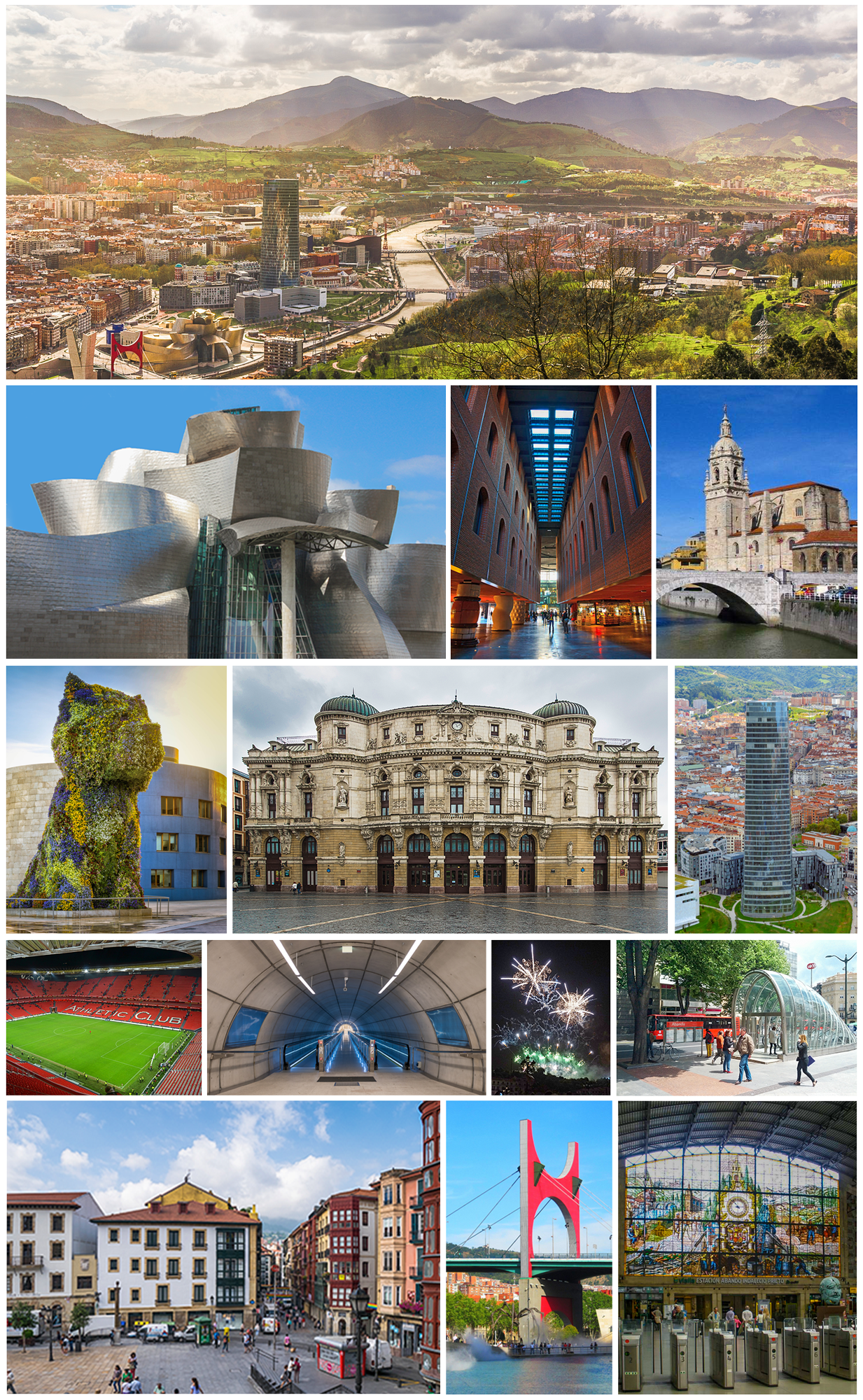 Tommie Hansen, Ardfern, Tomas Fano, 0Igor González Martín, Jesús Ignacio Bravo Soler, Pedro J Pacheco, Irekia/Gobierno Vasco, Euskaldunaa, Basotxerri, Eric Fischer, Tiia Monto, pictures Jettcom y Zarateman / CC BY-SA 4.0, via Wikimedia Commons
Tour audio autoguidato di Bilbao — percorso GPS a piedi, riproduzione offline, narrazione coinvolgente in 32 lingue.
“Bilbao: Dove la forza industriale incontra la luce artistica.”
Non le cartoline. Le storie che nemmeno i locali conoscono — sussurrate nel tuo orecchio, proprio dove sono accadute.
L'esterno scintillante del museo è immediatamente riconoscibile, eppure la sua genesi architettonica è nata da una visione inaspettata.
Questo attraversamento pedonale, una creazione di Santiago Calatrava, cattura lo sguardo ma inizialmente presentava una superficie pericolosa per chi camminava.
Sotto gli affascinanti vicoli medievali del centro storico di Bilbao si nascondono passaggi con una storia sorprendente.
Scopri ogni segreto di Bilbao
Ogni indirizzo, ogni rivelazione completa — nel tuo orecchio, proprio dove è accaduta.
Scegli le tue tappe. Cammini. La voce rivela ciò che gli altri perdono.


Il tuo tour audio autoguidato di Bilbao è pronto — scegli i tuoi punti di interesse, seleziona la tua lingua e inizia nel momento in cui arrivi.
AcquistaLume include una guida in realtà aumentata. Alza il telefono: la fotocamera mostra la strada davanti a te, con una freccia luminosa sovrapposta all'immagine reale che punta sempre verso la tua prossima tappa — nessuna mappa da decifrare, nessuna svolta sbagliata. Come tutto in Lume, funziona completamente offline.
Bilbao, il più grande centro urbano dei Paesi Baschi spagnoli, ha subito una notevole metamorfosi da porto operaio a fiorente cuore culturale. Si adagia lungo il fiume Nervión, a circa 11 chilometri nell'entroterra dalla Baia di Biscaglia, incorniciata da montagne verdi. Questa vivace città intreccia abilmente il suo profondo patrimonio con un'architettura lungimirante, creando una destinazione affascinante per i viaggiatori.
Riconosciuta per la sua architettura innovativa, l'arte di livello mondiale e le distinte tradizioni culinarie basche, Bilbao offre un'esperienza diversa dalle altre città spagnole. Il rinnovamento della città, in gran parte innescato dall'apertura del Museo Guggenheim Bilbao nel 1997, ha attirato un numero crescente di visitatori, rafforzando significativamente la sua economia. Dall'esplorazione di venerabili quartieri antichi alla degustazione della rinomata cultura dei pintxos, Bilbao presenta un affascinante mix di passato e presente.
## Da Villaggio di Pescatori a Potenza Industriale Le origini di Bilbao risalgono a una comunità di navigatori lungo l'estuario del fiume Nervión, che esportavano minerale di ferro e lavorazioni in ferro in tutta Europa. La città fu formalmente fondata il 15 giugno 1300, quando Don Diego López V de Haro, Signore di Biscaglia, le concesse lo status di città e privilegi speciali. Questo atto preparò il terreno per la sua futura espansione, con l'area ora conosciuta come Casco Viejo (Città Vecchia) che ne formava il nucleo medievale, inizialmente composto da sette strade.
## Un Nodo di Commercio e Scambi Nel 1511, la Regina Giovanna di Castiglia creò il Consolato del Mare di Bilbao, un organismo influente che regolava il commercio e le attività portuali, consolidando la posizione di Bilbao come porto principale del regno. La città divenne la capitale della provincia di Biscaglia nel 1602, una designazione precedentemente detenuta da Bermeo. I secoli XVIII e XIX videro l'ascesa di Bilbao come motore economico dei Paesi Baschi, segnata dall'arrivo della ferrovia, dalla fondazione della Banca di Bilbao e dall'istituzione della Borsa di Bilbao.
## Industrializzazione e Rinascita Bilbao conobbe una rapida industrializzazione nel XIX e all'inizio del XX secolo, diventando la seconda regione più industrializzata della Spagna, trainata dall'estrazione mineraria, dalla produzione di acciaio e dalla cantieristica navale. Tuttavia, la metà del XX secolo portò difficoltà economiche, portando a un declino delle industrie pesanti. Una devastante inondazione nel 1983 devastò la città, promuovendo un'iniziativa di rinnovamento urbano completa. Questo periodo di trasformazione culminò con l'apertura del Museo Guggenheim Bilbao nel 1997, un progetto che rianimò la città e la pose sulla mappa culturale globale. Questo 'Effetto Bilbao' generò milioni di entrate e modernizzò gli spazi pubblici, attirando quasi un milione di visitatori ogni anno.
Un viaggio attraverso Bilbao inizia spesso con il Museo Guggenheim Bilbao, un capolavoro dell'architettura del XX secolo concepito da Frank Gehry. Le sue curve rivestite in titanio, che evocano una nave o un fiore che sboccia, ospitano significative collezioni d'arte moderna e contemporanea. All'esterno, non perdete 'Puppy' di Jeff Koons, una colossale scultura floreale, e 'Maman' di Louise Bourgeois, un'immensa scultura di ragno.
Immergetevi nella storia esplorando il Casco Viejo, il quartiere medievale di Bilbao. Passeggiate per i suoi vicoli stretti e pedonalizzati, noti come le 'Siete Calles' (Sette Strade), che risalgono al XV secolo. Qui incontrerete la Cattedrale di Santiago gotica e la Plaza Nueva ottocentesca, una vivace piazza ideale per assaggiare i pintxos.
Per ampie viste sulla città, salite sul Monte Artxanda tramite la Funicolare di Artxanda. Il Mercado de la Ribera, il più grande mercato alimentare coperto d'Europa, è un'altra tappa essenziale. Questa struttura Art Déco, risalente al 1929, offre tre piani di prodotti freschi, carne, pesce e una vivace food court dove potrete gustare pintxos e jazz dal vivo. Non trascurate i ponti di Bilbao, come il dibattuto ma suggestivo Ponte Zubizuri di Santiago Calatrava e il venerabile Ponte di San Antón, raffigurato sullo stemma dell'Athletic Club Bilbao.
Bilbao gode di un clima oceanico temperato, il che significa che la pioggia può verificarsi durante tutto l'anno. Tuttavia, il momento più opportuno per visitare per attività all'aperto con clima caldo e un'atmosfera vivace va da fine giugno a inizio settembre. Luglio e agosto sono i mesi più secchi e soleggiati, con temperature medie massime intorno ai 22–28°C (71–82°F) e brezze rinfrescanti dall'Atlantico.
La primavera (aprile-giugno) e l'inizio dell'autunno (settembre-ottobre) offrono anch'essi un clima gradevole con meno folla, rendendoli ideali per esplorare il panorama culinario e gli eventi culturali della città. L'autunno è particolarmente consigliato a chi apprezza il cibo, poiché mette in risalto gli ingredienti baschi stagionali.
Il sistema di trasporto pubblico di Bilbao è efficiente e perfettamente integrato, comprendendo una metropolitana, autobus urbani e interurbani e un tram. La metropolitana è pulita e veloce, con linee che collegano il centro città ai quartieri periferici. Il tram offre un viaggio panoramico lungo il fiume, fermandosi nei principali punti di interesse come il Guggenheim e la Città Vecchia.
La tessera Barik è consigliata ai visitatori che soggiornano per più di qualche giorno, offrendo viaggi scontati su tutti i mezzi di trasporto. Anche i taxi sono facilmente disponibili, identificabili dal loro colore bianco con una striscia rossa. Sebbene lo spagnolo (castigliano) sia la lingua dominante, il basco (Euskara) è anche una lingua ufficiale ed è ampiamente utilizzato nella segnaletica pubblica e negli eventi culturali. Imparare alcune frasi basche come 'kaixo' (ciao) e 'eskerrik asko' (grazie) può arricchire la vostra esperienza.
Bilbao — coreano, cinese, ebraico e altre 29 lingue, ogni tappa narrata da una voce madrelingua. La più ampia scelta di lingue tra i tour audio autoguidati.
Disponibile in: