Мосс-Мэншн
Этот исторический особняк, свидетельство великолепия начала 20 века, как говорят, имеет постоянного, эфирного жителя.
Полная история открывается в туре
 Quintin Soloviev / CC BY 4.0, via Wikimedia Commons
Самостоятельная аудиопрогулка по Биллингс — GPS-маршрут, офлайн-воспроизведение, увлекательное повествование на 32 языках.
“Где река Йеллоустон встречается с Римроками, город, построенный на больших мечтах и еще больших небесах.”
Не открытки. Истории, которые не знают даже местные жители — шепотом в вашем ухе, прямо там, где они произошли.
Этот исторический особняк, свидетельство великолепия начала 20 века, как говорят, имеет постоянного, эфирного жителя.
Здание, которое когда-то служило мрачной, временной цели после разрушительного события, теперь является домом для оживленного бизнеса.
Под оживленными улицами Биллангса находится сеть проходов с менее сенсационной, но столь же интригующей историей происхождения, чем предполагает местная молва.
Откройте для себя каждый секрет Биллингс
Каждый адрес, каждое полное раскрытие — в вашем ухе, прямо там, где это произошло.
Вы выбираете остановки. Вы гуляете. Голос раскрывает то, что упускают другие.


Ваш самостоятельный аудиотур по Биллингс готов — выберите свои достопримечательности, выберите свой язык и начните в момент прибытия.
КупитьВ Lume встроен гид дополненной реальности. Поднимите телефон: камера показывает улицу перед вами, а поверх реального изображения светится стрелка, всегда указывающая на вашу следующую остановку — не нужно разбираться с картой и сворачивать не туда. Как и всё в Lume, это работает полностью офлайн.
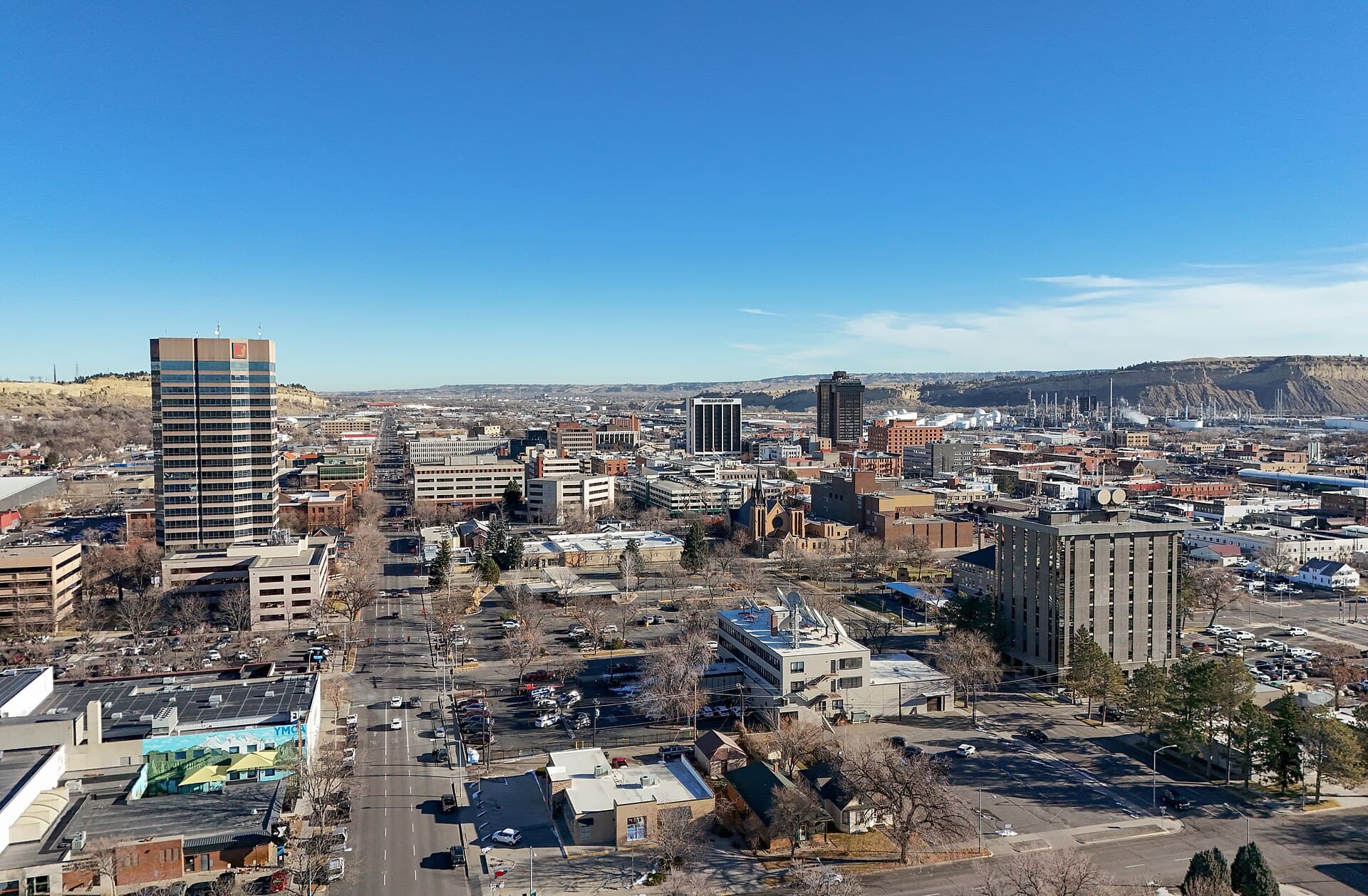
Биллангс, крупнейший город Монтаны, служит региональным центром торговли и культуры, драматически обрамленный рекой Йеллоустоун и песчаниковыми утесами, известными как Римрокc. Часто называемый «Волшебным городом» из-за своего быстрого роста в конце 19 века, Биллангс предлагает уникальное сочетание городских удобств и обширной природной красоты. Он служит воротами к некоторым из самых знаковых ландшафтов Монтаны, включая близлежащий Национальный парк Йеллоустоун и живописные горы Бэртут.
Территория, которая станет Биллангсом, имеет историю, насчитывающую тысячелетия, с свидетельствами человеческого присутствия, датируемыми 2600 годом до нашей эры. Народ кроу, или апсаалуке, что означает «дети птицы с большим клювом», населял этот регион примерно с 1700 года нашей эры, называя его Аммолапашкууа, или «где они рубят дерево», из-за ранней лесопилки. В 1806 году Уильям Кларк из экспедиции Льюиса и Кларка прошел через этот район, начертав свое имя на Помпейском столбе, значимом скальном образовании к северо-востоку от нынешнего города.
Современный город Биллангс был официально основан в 1882 году, что стало прямым результатом экспансии железной дороги Northern Pacific на запад. Названный в честь Фредерика Х. Биллангса, финансиста и бывшего президента железной дороги, город был стратегически расположен вдоль реки Йеллоустоун. Его рост был поразительно быстрым; то, что начиналось всего с трех зданий, быстро расширилось до более чем 2000 за несколько месяцев, заслужив прозвище «Волшебный город» за почти мгновенное появление и быстрое развитие.
Биллангс быстро зарекомендовал себя как жизненно важный торговый и распределительный центр для восточной Монтаны и северного Вайоминга, чему способствовали скотоводство, сельское хозяйство и зарождающиеся отрасли нефти и природного газа. Центр города, особенно вдоль Монтана-авеню, отражает эту глубокую историю смешением архитектурных стилей, от ранних зданий с фасадами из досок до более прочных кирпичных построек, возведенных после частых пожаров. Значение города продолжало расти, став крупным региональным сервисным центром для Северных равнин и Скалистых гор, со значительными разработками в области медицинских и розничных услуг, а также телекоммуникаций. Сегодня Биллангс остается свидетельством его трудолюбивого происхождения, города, который постоянно адаптировался, сохраняя свое западное наследие.
Начните свое исследование с Римрокc, драматических песчаниковых утесов, которые определяют северную окраину Биллангса. Эти образования предлагают обширные виды на город и долину Йеллоустоун, с различными тропами для пеших прогулок и возможностями для живописных поездок.
Погрузитесь в прошлое в Национальном парке Пиктограф-Кейв, Национальном историческом памятнике с доисторическими наскальными рисунками и артефактами, датируемыми тысячами лет. Парк предлагает пешеходные тропы и визит-центр для интерпретации древних коренных традиций.
Чтобы взглянуть на жизнь начала 20 века, посетите Исторический дом-музей Мосс-Мэншн. Эта элегантная резиденция 1903 года демонстрирует богато украшенную архитектуру и дает представление о социальной истории Биллангса.
Центр наследия Запада, расположенный в бывшей публичной библиотеке Пармли Биллангса (1901 г.), является региональным музеем, рассказывающим истории долины реки Йеллоустоун и Северных равнин.
Любители природы оценят Зоопарк Монтана, парк дикой природы и ботанический сад площадью 70 акров, посвященный региональным и глобальным видам. Город также предлагает доступ к реке Йеллоустоун, где вы можете найти тропы для прогулок, возможности для рыбалки и приключения на воде.
Для уникального культурного опыта следуйте по Биллангс Брю Трейл, который соединяет несколько местных пивоварен, предлагая попробовать крафтовое пиво города.
Лучшее время для посещения Биллангса для общих мероприятий на свежем воздухе — с конца июня до конца августа, когда температура самая теплая, а небо самое ясное. В июле и августе средняя дневная температура составляет около 85-87°F (29-30°C) при небольшом количестве осадков, что идеально подходит для изучения парков и посещения мероприятий на свежем воздухе. Поздняя весна (май и начало июня) и ранняя осень (сентябрь) также предлагают приятную погоду с меньшим количеством туристов. Май и июнь приносят пышные пейзажи и комфортные температуры, а сентябрь — чистый, сухой воздух и дневные температуры около 74°F (23°C), идеально подходящие для пеших прогулок.
Международный аэропорт Биллангс-Логан (BIL) — крупнейший и самый загруженный аэропорт Монтаны, расположенный в двух милях к северо-западу от центра города, обслуживаемый крупными авиакомпаниями. Автомобили напрокат доступны в аэропорту, и наличие автомобиля рекомендуется для изучения города и окрестностей. Общественный транспорт предоставляется Billings Metropolitan Transit (MET), с маршрутными и паратранзитными автобусными услугами, охватывающими город. Автобусы MET доступны для инвалидных колясок и оснащены багажниками для велосипедов. Оплата проезда возможна наличными, смарт-картами или через приложение Umo, а также доступно приложение для отслеживания автобусов в реальном времени Passio Go!. Погода в Биллангсе может быстро меняться, поэтому рекомендуется одеваться многослойно независимо от сезона. Лето может быть жарким, а зимы — холодными со снегом, хотя и, как правило, мягче, чем в других частях Монтаны.
Биллингс: корейский, китайский, иврит и ещё 29 языков — каждую остановку озвучивает носитель языка. Самый широкий выбор языков среди аудиоэкскурсий без гида.
Доступные языки: