Farol de Biloxi
Este farol duradouro resistiu a inúmeras tempestades, mas seu passado guarda uma revelação inesperada sobre o indivíduo que manteve sua iluminação por décadas.
História completa desbloqueada no tour
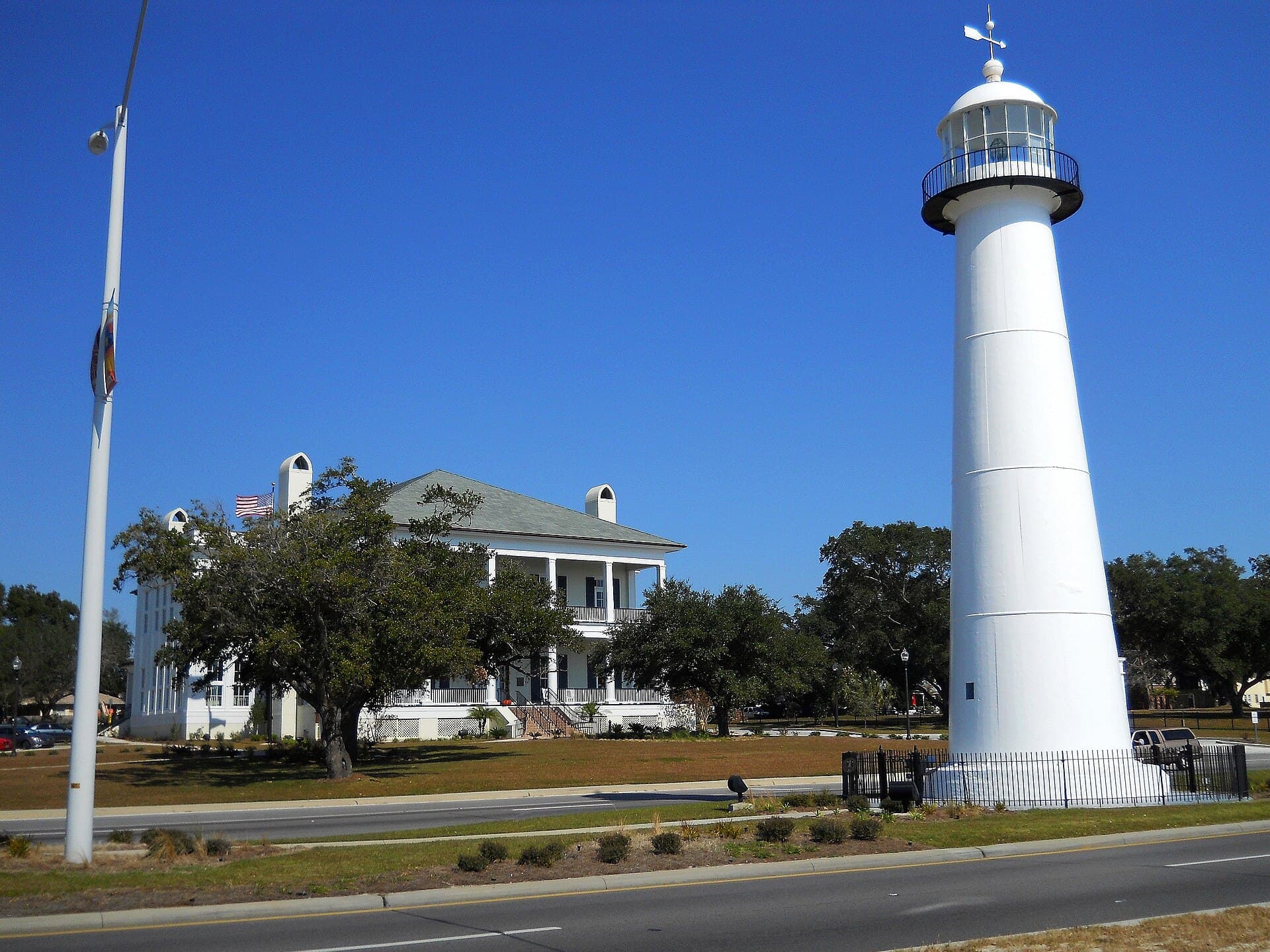 Woodlot / CC BY-SA 3.0, via Wikimedia Commons
Tour de áudio autoguiado por Biloxi — rota GPS a pé, reprodução offline, narração envolvente em 32 idiomas.
“Onde o encanto da Costa do Golfo encontra um espírito duradouro.”
Não os postais. As histórias que nem os locais conhecem — sussurradas ao seu ouvido, exatamente onde aconteceram.
Este farol duradouro resistiu a inúmeras tempestades, mas seu passado guarda uma revelação inesperada sobre o indivíduo que manteve sua iluminação por décadas.
Após o Furacão Katrina, um Waffle House específico em Biloxi se tornou um símbolo da determinação da cidade em reconstruir, mas sua construção teve um custo surpreendente.
Antes do Furacão Katrina, uma árvore específica de Carvalho Vivo em Biloxi dizia-se ter sido um ponto de encontro para tribos nativas americanas e era rumorada de esconder um segredo de pirata.
Descubra cada segredo de Biloxi
Cada endereço, cada revelação na íntegra — no seu ouvido, exatamente onde aconteceu.
Você escolhe as suas paragens. Você caminha. A voz revela o que os outros perdem.

O seu tour áudio autoguiado de Biloxi está pronto — escolha os seus pontos de interesse, selecione o seu idioma e comece no momento em que chegar.
ComprarA Lume inclui um guia de realidade aumentada. Levante o telemóvel: a câmara mostra a rua à sua frente, com uma seta luminosa sobreposta à imagem real que aponta sempre para a sua próxima paragem — sem mapa para decifrar, sem voltas erradas. Como tudo na Lume, funciona totalmente offline.
Biloxi, Mississippi, uma cidade na Costa do Golfo, oferece uma mistura singular de graça sulista, um profundo legado marítimo e entretenimento contemporâneo. Com uma narrativa que abrange mais de 300 anos, Biloxi se destaca como uma das cidades mais antigas dos Estados Unidos, estabelecida pela primeira vez por colonos franceses em 1699. Sua posição estratégica ao longo do Golfo do México moldou sua identidade, transitando de um porto de frutos do mar movimentado para um destino de resort favorito.
Hoje, Biloxi é reconhecida por suas amplas praias de areia branca, animados resorts de cassino e uma paisagem culinária profundamente enraizada nos costumes crioulo-franceses e frutos do mar frescos do Golfo. Apesar de enfrentar a força devastadora do Furacão Katrina em 2005, a cidade exibiu notável resiliência, reconstruindo e restaurando seus locais e atrações históricas. Desde subir ao distinto Farol de Biloxi até explorar museus e saborear peixes frescos, Biloxi oferece uma variedade diversificada de experiências para todos os visitantes.
A narrativa de Biloxi começa já em 8.000 a.C. com habitantes nativos americanos; artefatos de quatro períodos significativos foram desenterrados na península. Em 1699, Pierre Le Moyne d'Iberville, liderando uma expedição francesa, desembarcou no que é hoje Biloxi, estabelecendo o primeiro assentamento europeu duradouro na Louisiana Francesa. O próprio nome 'Biloxi' vem da tribo nativa americana local, significando 'Primeiras Pessoas'. A cidade funcionou brevemente como a capital da Louisiana Francesa de 1720 a 1723, antes da capital ser realocada para Nova Orleans.
Ao longo de sua extensa história, Biloxi testemunhou oito bandeiras distintas desfraldarem sobre seu território, incluindo as da França, Inglaterra, Espanha, República da Flórida Ocidental e dos Estados Confederados da América, antes de sua incorporação aos Estados Unidos. Durante o período antebellum do século XIX, Biloxi começou a evoluir para um refúgio de verão apreciado, atraindo sulistas em busca da brisa costeira. Foi formalmente incorporada como uma vila em 1838.
A era pós-Guerra Civil viu Biloxi alavancar seus recursos marítimos. No alvorecer do século XX, tornou-se conhecida como a "Capital Mundial dos Frutos do Mar", com mais de 40 instalações de processamento de frutos do mar operando durante a década de 1920. Essa indústria atraiu diversas comunidades de imigrantes, incluindo austríacos, boêmios e cajuns, que enriqueceram o tecido cultural da cidade. A construção de um dique em 1927 visou proteger a Costa do Golfo do Mississippi de furacões, um desafio recorrente para a região. Em 1941, o Campo Keesler, agora Base da Força Aérea Keesler, foi estabelecido, diversificando ainda mais a população e a economia de Biloxi. Mais recentemente, o jogo legalizado em 1992 transformou Biloxi em um destino proeminente de cassinos.
Comece sua exploração no Centro de Visitantes de Biloxi, onde você pode obter informações e aprender sobre a história da cidade através de exposições e um breve filme. Um emblema definidor da cidade é o Farol de Biloxi, uma estrutura de ferro fundido erguida em 1848, que você pode visitar por uma taxa modesta.
Aprofunde-se na história em Beauvoir, a propriedade de 50 acres que serviu como última morada de Jefferson Davis, o único Presidente da Confederação. A propriedade abrange um Museu da Guerra Civil e o Túmulo do Soldado Confederado Desconhecido. Para uma compreensão mais profunda do passado marítimo da cidade, visite o Museu da Indústria Marítima e de Frutos do Mar. O Museu de Arte Ohr-O'Keefe, com estruturas concebidas por Frank Gehry, exibe a cerâmica distinta de George Ohr. Biloxi também apresenta nove resorts de cassino para diversão e jogos. Para aqueles que apreciam atividades ao ar livre, considere uma Viagem de Camarão de Biloxi para entender a indústria local, ou pegue um barco de transporte para Ship Island para praias, coleta de conchas e observação da vida selvagem.
Biloxi experimenta um clima subtropical úmido com verões quentes e invernos amenos. Os momentos mais oportunos para visitar para um clima agradável e atividades ao ar livre são de início de abril a meados de maio e de final de setembro a início de novembro. A primavera traz temperaturas confortáveis nos 70 e 80 Fahrenheit, juntamente com flores desabrochando e celebrações de frutos do mar. O outono oferece temperaturas quentes e menos multidões à medida que a temporada de furacões diminui em novembro. Embora os verões sejam quentes e úmidos, com temperaturas atingindo os 90 Fahrenheit, eles são adequados para atividades de praia. Os invernos são amenos, com temperaturas variando de 50 a 70 Fahrenheit.
Biloxi é facilmente acessível de carro pela Interestadual 10 a partir de Nova Orleans e Mobile. O Aeroporto Internacional de Gulfport-Biloxi (GPT) atende a área com voos de grandes centros, embora o transporte público do aeroporto para o centro de Biloxi não esteja disponível, necessitando de um táxi. A Greyhound também oferece serviço de ônibus com conexões diretas de Nova Orleans e Mobile.
Embora dirigir permaneça o método mais simples para navegar em Biloxi, o serviço de ônibus Casino Hopper da Coast Transit Authority faz paradas no Centro de Visitantes, outros pontos de interesse e todos os cassinos. A cidade é geralmente acolhedora para famílias, oferecendo inúmeros museus, praias e atrações interativas. Biloxi fica a aproximadamente 90 milhas (cerca de 90 minutos de carro) a leste de Nova Orleans, tornando-a uma viagem de um dia viável ou um segmento de uma viagem pela Costa do Golfo.
Biloxi — coreano, chinês, hebraico e mais 29 idiomas, cada parada narrada por uma voz nativa. A maior variedade de idiomas entre os passeios de áudio autoguiados.
Disponível em: