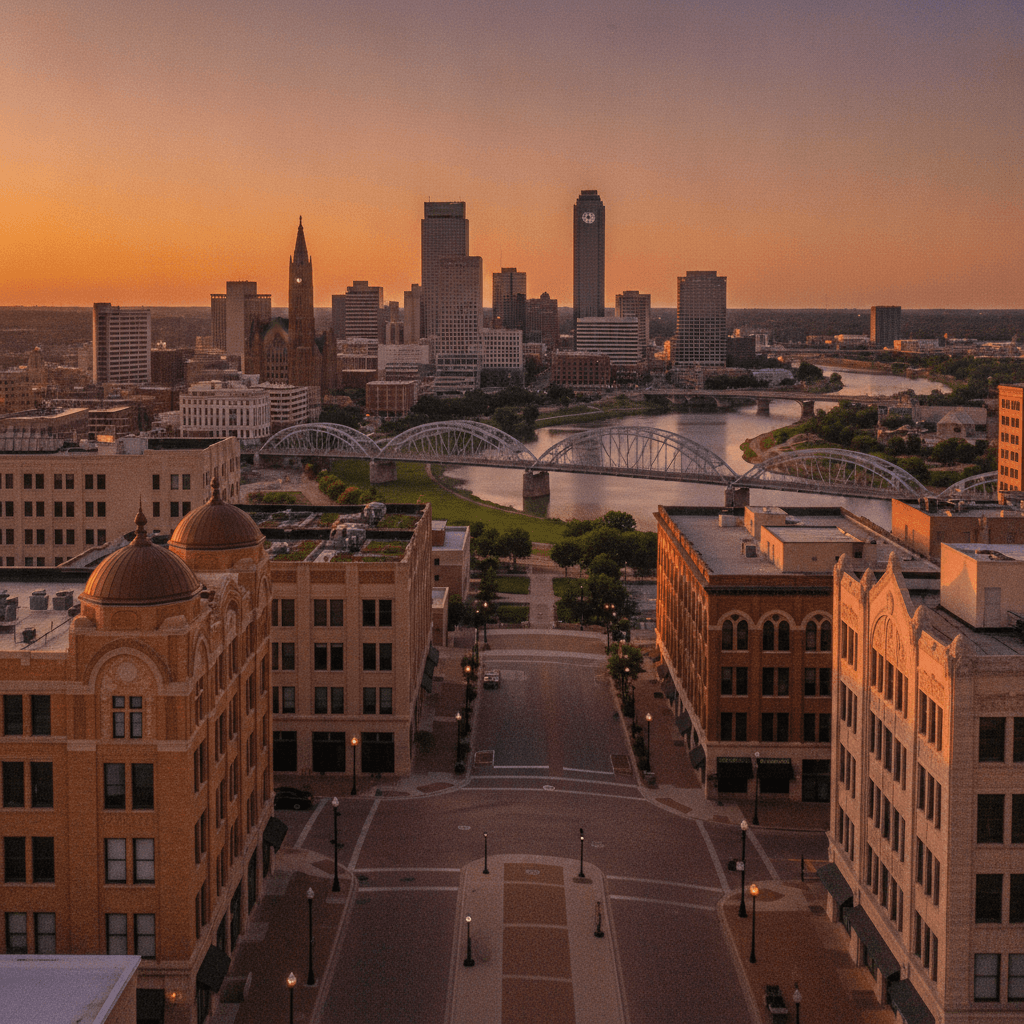
As an urbanist from Germany, my first impression of American cities often involves a search for the pedestrian experience. Large avenues, sprawling districts – these can feel daunting. Yet, Tulsa, Oklahoma, surprised me. This city, born from oil wealth and a distinct vision, reveals its true character not from a car window, but by placing one foot in front of the other.
Here, the grid is navigable, the streetscapes engaging, and the layers of history are palpable beneath your soles. For those seeking to genuinely understand how a city functions, how its past shapes its present, a Tulsa self-guided audio tour is a revelation. It transforms simple navigation into a journey of discovery, allowing you to absorb the urban fabric at your own pace.
The Enduring Grandeur of Deco Downtown
Tulsa’s downtown core is an absolute masterclass in Art Deco architecture, a direct testament to the oil boom that fueled its rapid growth in the early 20th century. Walking these streets, you don't just see buildings; you witness an era of immense ambition and prosperity etched in stone and steel. The pedestrian scale here is surprisingly intimate, despite the towering facades.
Begin your exploration near 4th and Boston, perhaps at the iconic Philcade Building with its intricate interior lobby – a stunning example of Art Deco elegance, once home to oil barons. From there, let your gps audio tour Tulsa guide you through a parade of architectural wonders:
- Atlas Life Building: Recognizable by its grand clock and neon sign, it’s a beacon of the era.
- Boston Avenue United Methodist Church: A striking, almost sculptural edifice that blends Art Deco with Gothic Revival, truly a unique landmark that invites contemplation.
- Mayo Hotel: A beautifully restored historic hotel, its exterior detailing is worth pausing for.
As you walk, notice the details: the geometric patterns, the use of terra cotta and polished metals, the sheer verticality. These buildings were designed to impress, to convey status and progress, and they still do so today. The street-level interactions, the shop windows, the small plazas – they all contribute to a dynamic urban walkability that I find particularly fascinating.
From Industrial Echoes to Vibrant Arts
Venturing slightly north from the core financial district, you transition into the Tulsa Arts District (formerly Brady Arts District). This area is a brilliant example of urban regeneration, where former industrial spaces and warehouses have been reimagined into a thriving cultural hub. It demonstrates how a city can evolve while respecting its historical footprint.
Here, the walking experience shifts. You’ll find wide sidewalks, public art installations, and a palpable energy, especially in the evenings. Key things to do in Tulsa on foot in this district include:
- Guthrie Green: A beautifully designed urban park and performance space that serves as a living room for the neighborhood, often hosting free concerts and events.
- ONEOK Field: Home to the Tulsa Drillers baseball team, its presence adds a lively sporting dimension to the district.
- Cain's Ballroom: A legendary music venue with a rich history, its exterior alone hints at the countless stories held within its walls.
The Lume experience guides you through these transformations, offering narratives that explain the district's journey from gritty industrial past to its current artistic vibrancy, all while you navigate the well-connected streets.
Greenwood's Path to Reconciliation
No Tulsa walking tour is complete without a visit to the Greenwood District, a place of profound historical significance. Once known as “Black Wall Street,” it was a beacon of African American entrepreneurship and prosperity, tragically devastated during the 1921 Tulsa Race Massacre. Walking here is a somber but essential journey.
Your audio tour can guide you respectfully through this powerful landscape, helping you understand the immense loss and the remarkable resilience of the community. You’ll encounter sites like:
- Greenwood Cultural Center: A vital institution dedicated to preserving African American history and promoting reconciliation.
- John Hope Franklin Reconciliation Park: A poignant memorial space with powerful sculptures and interpretive elements, inviting reflection on justice and healing.
The sidewalks here lead you through a story of injustice, remembrance, and the ongoing work of rebuilding and reconciliation. It's a testament to how even the most painful parts of urban history are etched into the public spaces, demanding our attention and understanding.
Tulsa, with its distinct districts and layered history, offers a rich landscape for urban exploration. Each step you take reveals another facet of its character, from the grand aspirations of its oil-rich past to the enduring spirit of its communities. Experiencing this city on foot, with a self-guided audio tour, truly allows you to connect with its narrative, its architecture, and its soul, all at your own pace and curiosity.