Cappella di Santa Kinga, Miniera di Sale di Bochnia
Questa cappella sotterranea detiene una distinzione unica tra i luoghi di culto.
La storia completa si sblocca nel tour
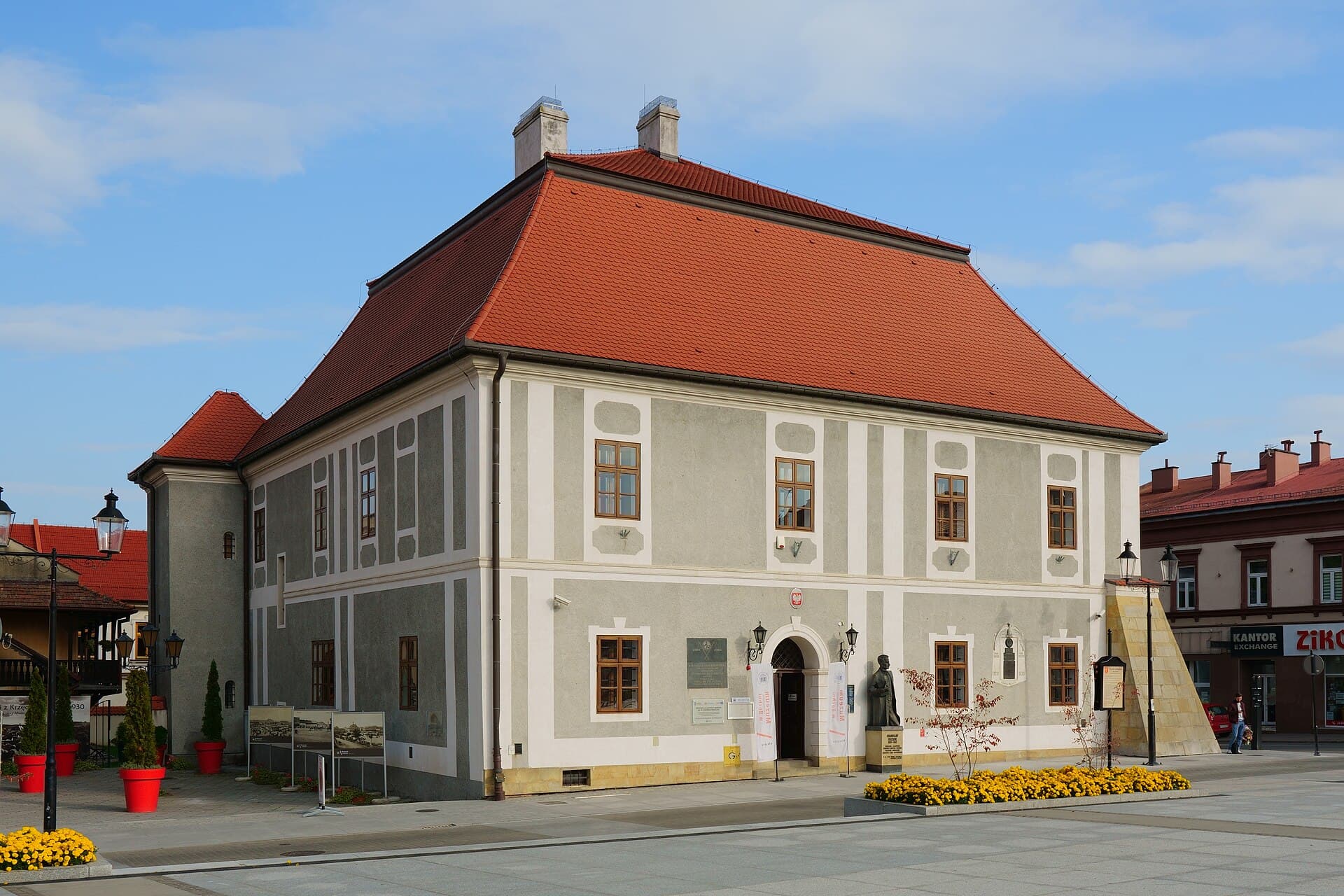 Januszk57 / CC BY-SA 4.0, via Wikimedia Commons
Tour audio autoguidato di Bochnia — percorso GPS a piedi, riproduzione offline, narrazione coinvolgente in 32 lingue.
“Sotto una tranquilla città polacca, un antico mondo di sale rivela le storie di re, minatori e l'anello di una principessa.”
Non le cartoline. Le storie che nemmeno i locali conoscono — sussurrate nel tuo orecchio, proprio dove sono accadute.
Questa cappella sotterranea detiene una distinzione unica tra i luoghi di culto.
Immagina di passare una notte nel profondo di una miniera di sale, non per lavoro, ma per il benessere.
La scoperta del sale a Bochnia è legata a un leggendario anello di fidanzamento reale.
Scopri ogni segreto di Bochnia
Ogni indirizzo, ogni rivelazione completa — nel tuo orecchio, proprio dove è accaduta.
Scegli le tue tappe. Cammini. La voce rivela ciò che gli altri perdono.


Il tuo tour audio autoguidato di Bochnia è pronto — scegli i tuoi punti di interesse, seleziona la tua lingua e inizia nel momento in cui arrivi.
AcquistaLume include una guida in realtà aumentata. Alza il telefono: la fotocamera mostra la strada davanti a te, con una freccia luminosa sovrapposta all'immagine reale che punta sempre verso la tua prossima tappa — nessuna mappa da decifrare, nessuna svolta sbagliata. Come tutto in Lume, funziona completamente offline.
Bochnia, una città nella Polonia meridionale, detiene il primato di ospitare la miniera di sale più antica d'Europa ancora in funzione. Fondata nel 1248, quattro anni prima che Cracovia ottenesse i suoi privilegi cittadini, l'identità di Bochnia è stata indissolubilmente legata al suo tesoro sotterraneo per secoli. Situata sul fiume Raba, al confine tra le Colline Precarpatiche e il Bacino di Sandomierz, Bochnia oggi offre un mix di profondità storica e spazi verdi naturali.
Sebbene la sua più celebre controparte a Wieliczka attiri spesso folle più numerose, la Miniera di Sale di Bochnia offre un'esplorazione più intima e attiva del patrimonio minerario del sale polacco. Oltre alla miniera, la città presenta un affascinante centro storico, parchi e musei, invitando i visitatori a immergersi nel suo passato e presente multiforme.
La storia dell'estrazione del sale nell'area di Bochnia risale al 3500 a.C., con i primi abitanti che ottenevano il sale da pozzi di salamoia. Il momento cruciale arrivò nel 1248 con la scoperta di un sostanziale giacimento di salgemma, che portò alla fondazione della Miniera di Sale di Bochnia. Questa scoperta trasformò rapidamente l'insediamento e, nel 1253, Bochnia ottenne i diritti cittadini secondo il diritto di Magdeburgo dal duca Bolesław Wstydliwy.
La miniera divenne rapidamente un'impresa reale, nota come parte delle Żupy Krakowskie (Saline di Cracovia), e svolse un ruolo cruciale nell'economia della monarchia polacca. Durante i regni di re come Casimiro il Grande nel XIV secolo, le entrate del sale generate da Bochnia e dalla vicina miniera di Wieliczka rappresentavano un terzo del reddito totale del tesoro reale. Casimiro il Grande consolidò ulteriormente la struttura del settore emanando lo "Statuto delle Saline" nel 1368, un documento che regolava l'organizzazione delle saline e i principi commerciali. Questo periodo vide uno sviluppo significativo, con l'istituzione di nuovi pozzi come Regis, Bochneris e Campi, ampliando le capacità estrattive della miniera.
La prosperità di Bochnia iniziò a diminuire alla fine del XVI secolo, affrontando crisi economiche, guerre, pestilenze e invasioni straniere, inclusi danni significativi da parte delle truppe svedesi a metà del XVII secolo. Nel 1772, con la Prima Spartizione della Polonia, Bochnia passò sotto il dominio austriaco, rimanendovi fino a quando la Polonia riconquistò l'indipendenza nel 1918. Nonostante ciò, il XIX secolo portò segni di ripresa, stimolati dalla costruzione della Ferrovia Galiziana.
La produzione commerciale di sale nella Miniera di Sale di Bochnia cessò nel 1990 a causa dell'esaurimento del giacimento e dell'aumento dei costi. Tuttavia, gli sforzi furono quindi reindirizzati alla conservazione del suo patrimonio naturale e storico. Nel 1981, la miniera fu dichiarata monumento del patrimonio e nel 2013 fu aggiunta alla Lista del Patrimonio Mondiale dell'UNESCO come estensione dell'iscrizione della Miniera di Sale di Wieliczka, riconoscendo il suo eccezionale valore storico e culturale. Oggi, la miniera è una delle principali attrazioni turistiche, offrendo vari percorsi ed esperienze che approfondiscono secoli di storia mineraria.
Il punto di forza innegabile di Bochnia è la sua Miniera di Sale di Bochnia, patrimonio dell'UNESCO. I visitatori possono esplorare un labirinto di camere e corridoi, alcuni interamente scavati nel sale, e scoprire antichi attrezzi e attrezzature minerarie. La miniera offre diverse esperienze uniche, tra cui un trenino sotterraneo, uno scivolo in legno di 140 metri e l'unico attraversamento in barca sotterranea di una camera salina allagata in Europa. La Camera Ważyn, la più grande camera sotterranea artificiale d'Europa, funge da sanatorio e può ospitare soggiorni notturni, offrendo un microclima unico benefico per le affezioni respiratorie.
Sopra terra, il centro storico di Bochnia invita all'esplorazione con la sua architettura medievale e la storica Piazza del Mercato. La Basilica di San Nicola, un edificio gotico, presenta un dipinto della Madonna del Rosario. Gli appassionati d'arte apprezzeranno il Museo Stanisław Fischer, ospitato in un ex monastero domenicano, che espone pittura polacca e una variegata collezione di reperti archeologici, artistici, etnografici, storici e naturali. Per uno sguardo alla vita di villaggio del XIII secolo, l'Archeology Park – Osada VI Oraczy (Insediamento dei Contadini), una ricostruzione di un villaggio medievale, si trova vicino al Pozzo Campi.
Bochnia gode di estati confortevoli, con il periodo più caldo che va da fine maggio a inizio settembre, quando le temperature medie giornaliere massime superano i 20°C. Luglio è tipicamente il mese più caldo, con massime medie intorno ai 24°C e minime di 13°C. I cieli più limpidi si trovano anche a luglio. Per attività all'aperto con clima mite, il periodo migliore per visitare è da metà giugno a inizio settembre. Gli inverni sono freddi, nevosi e ventosi, con gennaio che è il mese più freddo, con medie minime di -4°C e massime di 1°C.
Bochnia si trova a circa 40 chilometri (25 miglia) a est di Cracovia, rendendola una gita di un giorno accessibile. Treni diretti da Kraków Główny (Stazione Centrale) a Bochnia partono frequentemente, con un tempo di percorrenza di circa 40-50 minuti. Dalla stazione ferroviaria di Bochnia, l'ingresso alla miniera è a 10-15 minuti a piedi o a breve tragitto in taxi. Se si guida, prendere l'autostrada A4 in direzione Tarnów/Rzeszów e uscire a Bochnia; è disponibile un parcheggio a pagamento presso la miniera.
Tutti i tour della Miniera di Sale di Bochnia sono guidati. Sebbene i tour siano generalmente condotti in polacco, sono disponibili audioguide gratuite in inglese, tedesco, spagnolo, francese, italiano, ceco e slovacco presso la biglietteria. Si consiglia di prenotare i biglietti online in anticipo, soprattutto durante l'alta stagione, poiché può essere più economico e aiuta a garantirsi gli orari preferiti. La miniera mantiene una temperatura costante di 14–16°C tutto l'anno, quindi è consigliabile portare una giacca leggera.
Bochnia — coreano, cinese, ebraico e altre 29 lingue, ogni tappa narrata da una voce madrelingua. La più ampia scelta di lingue tra i tour audio autoguidati.
Disponibile in: