La Scala del Re d'Aragona
La leggenda narra che questi 189 gradini furono scavati in una sola notte da un esercito invasore.
La storia completa si sblocca nel tour
 Gianni Careddu / CC BY-SA 3.0, via Wikimedia Commons
Tour audio autoguidato di Bonifacio — percorso GPS a piedi, riproduzione offline, narrazione coinvolgente in 32 lingue.
“Dove le scogliere calcaree incontrano mari turchesi e la storia è scolpita in ogni pietra.”
Non le cartoline. Le storie che nemmeno i locali conoscono — sussurrate nel tuo orecchio, proprio dove sono accadute.
La leggenda narra che questi 189 gradini furono scavati in una sola notte da un esercito invasore.
Questa strada prende il nome da una donna che usò una tattica insolita per difendere Bonifacio durante un assedio.
Vicino a Bonifacio c'è una grotta marina con un'apertura naturale nel soffitto che riproduce la forma della Corsica.
Scopri ogni segreto di Bonifacio
Ogni indirizzo, ogni rivelazione completa — nel tuo orecchio, proprio dove è accaduta.
Scegli le tue tappe. Cammini. La voce rivela ciò che gli altri perdono.
Il tuo tour audio autoguidato di Bonifacio è pronto — scegli i tuoi punti di interesse, seleziona la tua lingua e inizia nel momento in cui arrivi.
AcquistaLume include una guida in realtà aumentata. Alza il telefono: la fotocamera mostra la strada davanti a te, con una freccia luminosa sovrapposta all'immagine reale che punta sempre verso la tua prossima tappa — nessuna mappa da decifrare, nessuna svolta sbagliata. Come tutto in Lume, funziona completamente offline.
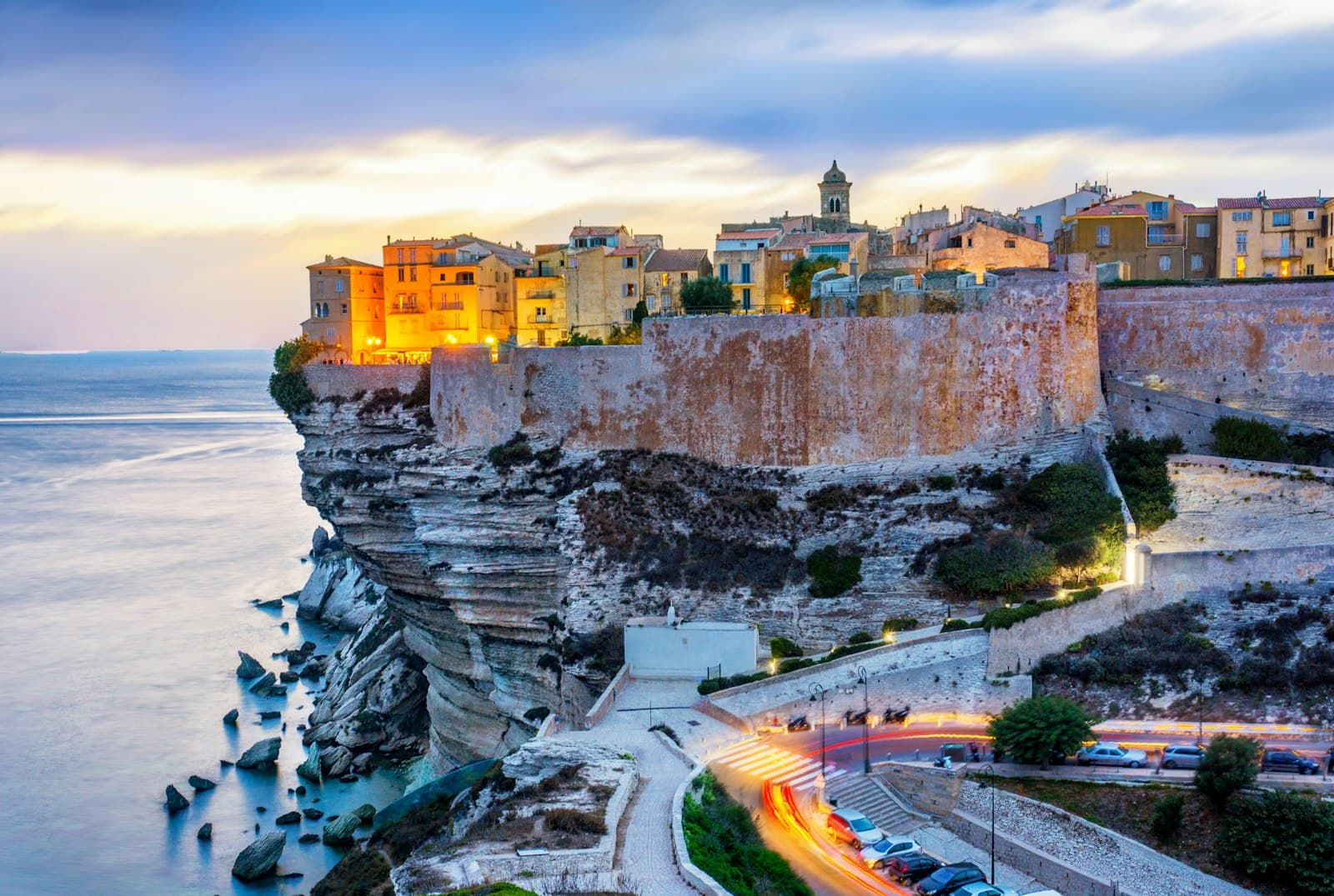
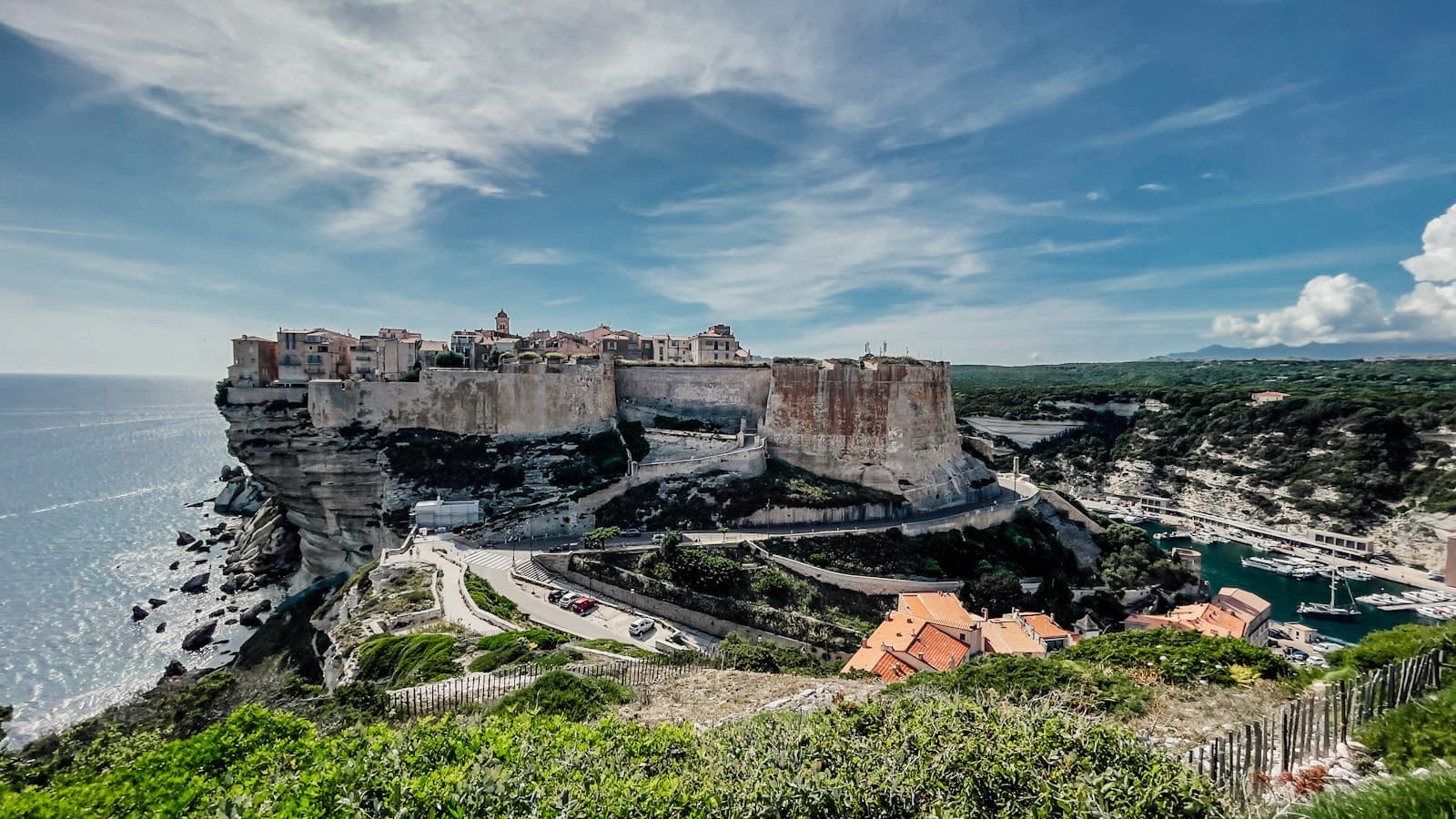
Bonifacio, una città-fortezza medievale sulla punta più meridionale della Corsica, si bilancia precariamente in cima a splendide scogliere di calcare bianco che si tuffano nel Mar Mediterraneo. Questa posizione geografica unica, a soli 12 chilometri dalla Sardegna, le è valsa il soprannome di 'Città delle Scogliere'. La città è divisa in due aree distinte: la storica cittadella, o Haute Ville, in alto, e la vivace zona del porto sottostante, situata all'interno di un'insenatura simile a un fiordo.
Riconosciuta come Città d'Arte e Storia dal 2019, Bonifacio affascina i visitatori con la sua architettura medievale preservata, le strade labirintiche e le viste panoramiche che si estendono attraverso le Bocche di Bonifacio fino alla costa lontana della Sardegna. Il suo spettacolare scenario naturale, scolpito dal vento e dalle onde nel corso dei millenni, crea un porto suggestivo e un paesaggio indimenticabile.
Dalle antiche mura ai vivaci lungomare, Bonifacio offre un mix di profondità storica e fascino costiero. È un luogo dove ogni angolo rivela una storia e la pura bellezza dei suoi dintorni lascia un'impressione duratura.
La storia di Bonifacio risale a millenni fa, con prove di presenza umana risalenti al 6750 a.C. circa, segnate dalla scoperta dello scheletro della 'Dama di Bonifacio' in una grotta vicina. Sebbene il sito fosse abitato in epoca romana, la città di Bonifacio fu fondata intorno all'828 d.C. dal Conte Bonifacio di Toscana. Egli stabilì una fortezza strategica per proteggere i confini esterni della Toscana, con la torre circolare del castello, Il Torrione, che è una delle poche strutture rimaste di questo primo periodo.
Nel corso dei secoli, Bonifacio divenne una roccaforte militare chiave, molto contesa per la sua spettacolare posizione in cima alle scogliere. Nel XII secolo, cadde sotto il controllo della Repubblica di Pisa prima di essere conquistata dai Genovesi. L'influenza genovese fu profonda, portando a un dialetto distintivo di influenza ligure ancora parlato oggi. Essi fortificarono ampiamente la città, costruendo bastioni e baluardi militari che la resero una delle fortezze più formidabili del Mediterraneo.
Bonifacio subì numerosi assedi, tra cui un notevole assedio di cinque mesi nel 1420 da parte del re Alfonso V d'Aragona, che tentò di far arrendere gli abitanti per fame. Gli abitanti resistettero ferocemente, arrivando persino a lanciare formaggi contro gli assalitori. Un altro brutale assedio avvenne nel 1554 da parte di forze combinate francesi e turche, che si concluse con saccheggi e massacri dopo che un messaggero in cerca di aiuto da Genova fu intercettato e costretto a consegnare una lettera falsificata che negava l'aiuto. Bonifacio tornò infine sotto il dominio genovese prima di essere ceduta alla Francia nel 1768 tramite il Trattato di Versailles.
Nonostante periodi di declino economico, Bonifacio ha vissuto una rinascita grazie al turismo, trasformandosi in un'elegante città costiera che unisce il glamour alla sua profonda storia. La cittadella, un tempo centro amministrativo della Legione Straniera francese fino al 1983, funge ora da museo vivente. Oggi, il passato di Bonifacio è evidente nella sua architettura medievale, nelle antiche chiese e nell'idioma ligure ancora presente, offrendo ai visitatori un legame tangibile con la sua storia tumultuosa e affascinante.
Inizia la tua esplorazione nel centro storico di Bonifacio, o Haute Ville, un labirinto di strade strette ed edifici medievali in cima alle scogliere. La Porta di Genova (Porte de Gênes) del XVI secolo, con il suo imponente ponte levatoio, funge da storico punto di ingresso a questo labirinto fortificato. Dalle mura, avrai ampie viste sul Mediterraneo, sui tetti di terracotta e sulla costa lontana della Sardegna.
Non perderti il Bastione dell'Etendard, una delle fortezze più alte di Francia, che offre un panorama a 360 gradi di Bonifacio, del suo porto e delle calette circostanti. All'interno, un museo ripercorre la turbolenta storia della città. Un'esperienza davvero unica è scendere la Scala del Re d'Aragona (Escalier du Roy d'Aragon), 189 gradini scavati nella parete rocciosa, che conducono a un camminamento lungo l'oceano. Sebbene impegnativa, la vista sulle acque turchesi è straordinaria.
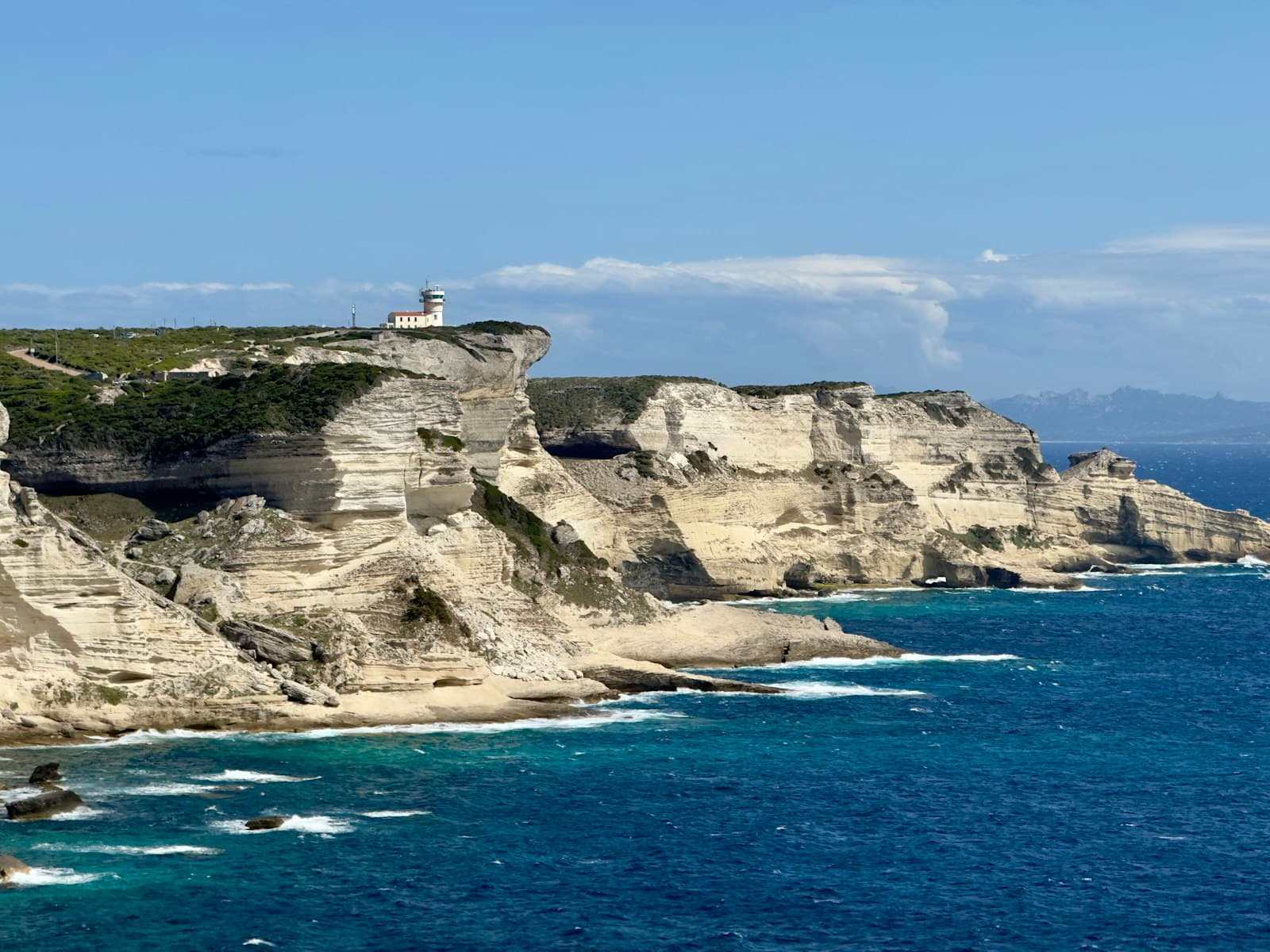
Sotto la cittadella si trova il vivace porto di Bonifacio, un centro di caffè sul lungomare, ristoranti e barche. Da qui, considera una gita in barca per esplorare le spettacolari grotte marine, come la Grotta Sdragonato, e ammirare la cittadella da una prospettiva diversa. Il Cimetière Marin de Bonifacio, uno storico cimitero marino sulla punta della scogliera, offre un luogo sereno e pittoresco con le sue tombe bianche che contrastano con il mare. Per chi cerca la bellezza naturale, il sentiero costiero per Capo Pertusato offre magnifiche viste sulle falesie calcaree e sull'iconico scoglio 'Granello di Sabbia'.
Il periodo ideale per visitare Bonifacio dipende dalle tue preferenze. Per un clima caldo e soleggiato, perfetto per nuotare, e un'atmosfera vivace, il periodo da metà giugno a metà settembre è il migliore, anche se preparati alla folla e ai prezzi più alti. Se preferisci temperature più miti e meno folla, la primavera (aprile-giugno) e l'autunno (settembre-ottobre) sono scelte eccellenti. Durante queste stagioni intermedie, le temperature variano da 13-22°C in primavera e 20-27°C in autunno, ideali per passeggiate ed escursioni. Da novembre a marzo, escluso il periodo natalizio/Capodanno, offre un'esperienza più tranquilla e conveniente per i viaggiatori con budget limitato e per coloro interessati all'esplorazione culturale, con giornate più fresche intorno ai 10-15°C.
Bonifacio si trova a circa 20 chilometri dall'aeroporto di Figari-Sud Corse (FSC), che offre voli diretti dalle principali città francesi e da alcune destinazioni europee. Dall'aeroporto, puoi raggiungere Bonifacio in taxi, auto a noleggio o bus navetta stagionale. I traghetti collegano anche Bonifacio direttamente a Santa Teresa Gallura in Sardegna, con un tempo di percorrenza di circa 50 minuti.
All'interno di Bonifacio, il centro storico si esplora meglio a piedi a causa delle sue strade strette e delle scale. Si consigliano scarpe comode. Per esplorare le aree circostanti, è consigliabile un'auto a noleggio. Il parcheggio può essere difficile, soprattutto in estate; le opzioni includono il Parcheggio P5 dietro la cittadella o il Parcheggio P1 Marina, con un trenino turistico (Petit Train) che collega il porto alla città alta. L'ufficio turistico locale in 2, rue Fred Scamaroni può fornire informazioni dettagliate su attrazioni e attività.
Bonifacio — coreano, cinese, ebraico e altre 29 lingue, ogni tappa narrata da una voce madrelingua. La più ampia scelta di lingue tra i tour audio autoguidati.
Disponibile in: