Deep within a small rock-shelter near Boquete, archaeologists unearthed a cluster of 12 unusual stones.
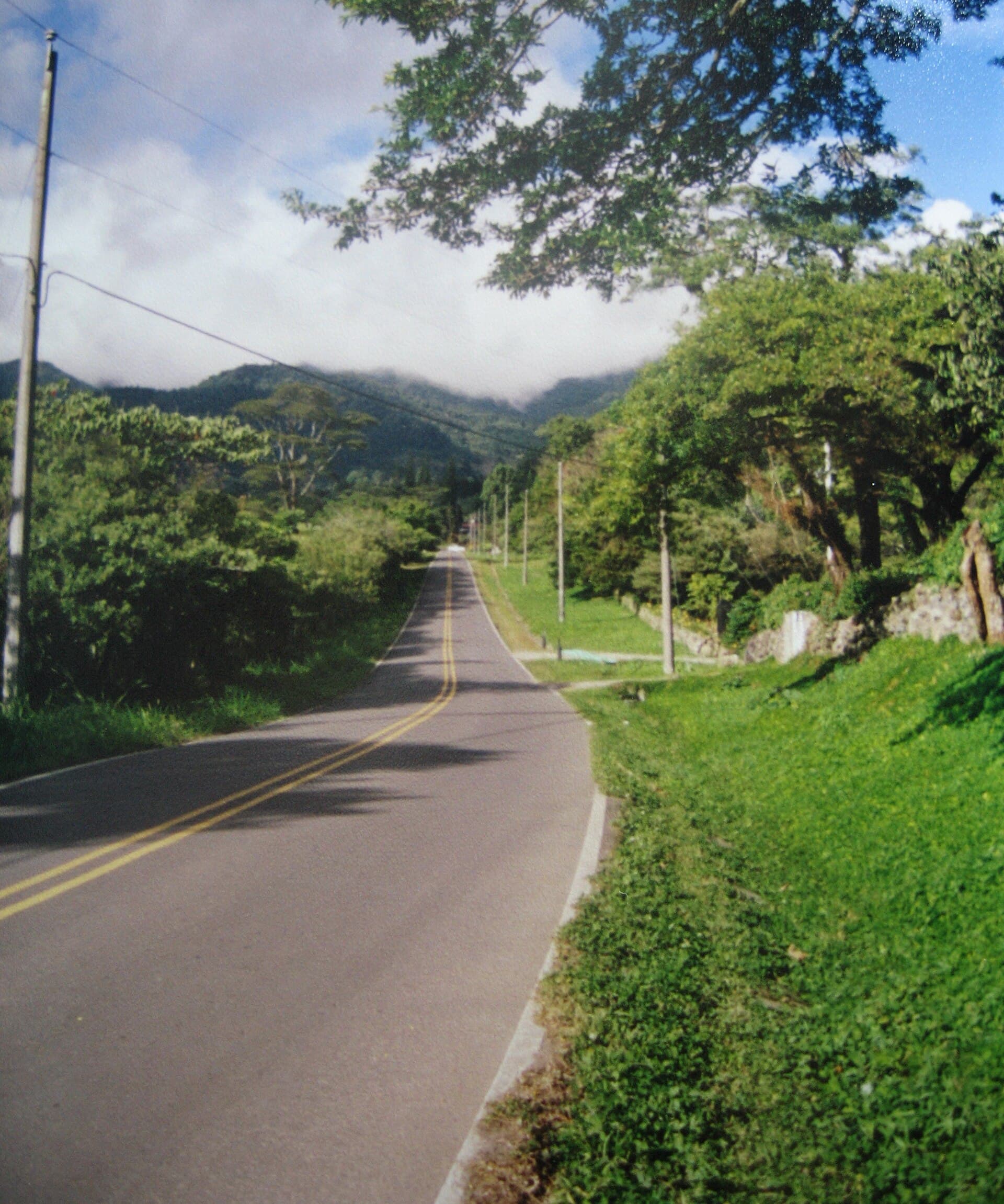
No machine-readable author provided. Bateau ivre assumed (based on copyright claims). / Public domain, via Wikimedia CommonsBoquete
“Where the mountains meet the clouds and coffee dreams take flight.”
Boquete, as no one tells it.
Not the postcards. The stories even locals don't know — whispered in your ear, right where they happened.
The Caldera River, flowing through Boquete, holds a secret to its consistently cool waters.
This cloud forest trail gained a notorious reputation after two hikers went missing years ago.
Discover every secret of Boquete
Every address, every reveal in full — in your ear, right where it happened.
You pick your stops. You walk. The voice reveals what the others miss.
How long do you have in Boquete?
No tours available yet. Check back soon — we're preparing them.
The story of Boquete
Boquete, a mountain town in Panama's western Chiriquí Province, offers a refreshing escape with its cooler climate and verdant highlands. Situated along the Caldera River, approximately 60 kilometers (37 miles) from the Costa Rican border, Boquete sits at an elevation of about 1,200 meters (3,900 feet) above sea level. This elevation provides a welcome contrast to the warmer lowlands, drawing both Panamanians and international visitors seeking its scenic beauty and agreeable temperatures.
The town's name, meaning 'gap or opening' in Spanish, refers to the natural mountain pass through which early gold seekers once trekked, hoping to find a quicker route to the Pacific. Today, Boquete is celebrated for its exceptional coffee, often judged among the finest globally, and its thriving agricultural industry, which also includes fruits and flowers. Beyond its agricultural prowess, Boquete has cultivated a reputation as a popular tourist destination and a favored spot for retirees from around the world.
## Ancient Roots and Colonial Refuge Boquete's history stretches back over 2,000 years, with archaeological evidence like petroglyphs in the Caldera region indicating ancient settlements between 600 BC and 300 AD. During Spanish colonization, the rugged highlands served as an isolated refuge for indigenous tribes such as the Ngöbe and Misquito peoples. These indigenous communities, including the Ngäbe and Buglé, flourished in the region, utilizing its fertile volcanic soil and favorable climate for agriculture long before European arrival.
## European Settlement and Agricultural Boom The earnest colonization of Boquete began in the second half of the 19th century, attracting settlers from other parts of Panama like Bugaba, Gualaca, and David, as well as immigrants from Yugoslavia, France, Germany, and the United States. These early settlers were drawn to the area's resemblance to their mountainous homelands and its agricultural potential. They established the first coffee plantations and farms, laying the groundwork for what would become Boquete's primary industry. The modern town of Boquete was officially founded on April 11, 1911. Initially, Lino served as the district capital, but it soon moved to Bajo Boquete, which remains the town center today.
## The Rise of Coffee and Tourism Coffee cultivation truly began in earnest in the 1920s, with plantations spreading across the mountainous terrain. Boquete's unique microclimate, volcanic soil, and elevation create ideal conditions for growing high-quality coffee. The region is particularly famous for its Geisha coffee variety, which gained international recognition after 2004 and has since commanded record-breaking prices at auction, solidifying Boquete's place on the global specialty coffee stage. By the 1960s, Boquete started attracting visitors drawn to its natural beauty and pleasant year-round climate, marking the beginning of its tourism development. The town continues to evolve, blending its historical heritage with contemporary amenities and adventure tourism, while maintaining its small-town charm and cultural authenticity.
Boquete offers a variety of experiences, from exploring its renowned coffee culture to embarking on adventurous hikes. A coffee tour is essential, with farms like Hacienda La Esmeralda, Casa Ruiz, and Kotowa Coffee offering insights into the cultivation and processing of some of the world's finest beans, including the famous Geisha variety. Many tours culminate in a tasting that can transform you into a coffee connoisseur.
For outdoor enthusiasts, Boquete is a gateway to numerous trails. The Lost Waterfalls Trail leads through dense rainforest to three impressive cascades, taking about 2-3 hours to complete. The Pipeline Trail, an easier two-hour hike, follows a river through the jungle to a waterfall and features a thousand-year-old tree. Birdwatchers might try the Sendero Los Quetzales (Quetzal Trail) in Volcán Barú National Park, known for opportunities to spot the elusive Quetzal bird. For a more challenging trek, the El Pianista Trail ventures into a cloud forest, offering lush scenery and abundant wildlife. Adrenaline seekers can also find ziplining, rafting on the Chiriquí Viejo River, and rock climbing in areas like 'Los Ladrillos.'
Beyond organized tours, consider visiting the Caldera Hot Springs for a natural, quiet escape. In town, the Church of San Juan Bautista offers a tranquil site, and the Jungla de Panama Wildlife Refuge provides an opportunity to see local fauna. Do not miss the Tuesday morning market where Ngäbe-Buglé women sell handcrafted goods, offering a chance to engage with indigenous culture.
Boquete enjoys a consistently cool, spring-like climate year-round due to its elevation. The dry season, from mid-December to mid-April, is generally considered the best time to visit, offering sunny days and comfortable temperatures ideal for hiking and outdoor activities. During this period, daytime temperatures typically range from 21°C to 24°C (70°F to 75°F), with nights dropping to around 15°C (high 50s°F). The famous Feria de las Flores y del Café (Flower and Coffee Festival) takes place in mid-January, attracting thousands of tourists and filling accommodations. For fewer crowds and lower prices while still enjoying good weather, late November, May, and early December are excellent alternatives. The rainy season, from May to December, brings afternoon showers that often clear by night, making the landscape particularly lush and fresh.
Boquete is generally considered a safe destination for tourists, with a low crime rate and a friendly local community. However, as with any travel, it's wise to take precautions against petty theft and scams, and avoid displaying excessive valuables. Road conditions to Boquete are generally good, with paved highways connecting to major cities like Panama City and David, though winding mountain roads and potential weather-related delays should be anticipated.
To reach Boquete from Panama City, the fastest way is to fly to David's Enrique Malek International Airport (DAV), a journey of about an hour. From David, a taxi ride to Boquete takes approximately 50 minutes and costs around $30-45. Alternatively, public buses from Panama City to David take about 6-7 hours and cost around $20, with frequent departures. From David's bus terminal, local buses to Boquete run every 30 minutes, costing about $1.75 for a 45-minute to one-hour ride. Minivan services also offer a 7-hour direct route from Panama City to Boquete for around $90. Within Boquete, walking is pleasant, and taxis for short distances cost around $2.
- What is Boquete best known for?
- Boquete is best known for its exceptional coffee, particularly the Geisha variety, which is considered among the finest and most expensive in the world. It's also celebrated for its cool mountain climate, lush cloud forests, and a wide array of outdoor activities like hiking and birdwatching.
- Is Boquete, Panama safe for tourists?
- Yes, Boquete is generally considered a very safe destination for tourists, with a low crime rate and a welcoming local community. While petty theft can occur, violent crime against tourists is uncommon.
- What is the best time of year to visit Boquete?
- The dry season, from mid-December to mid-April, is the most popular time to visit Boquete for its sunny days and comfortable temperatures, ideal for outdoor activities. The Flower and Coffee Festival in January is a major highlight.
- How do I get to Boquete from Panama City?
- The fastest way is to fly from Panama City to David, then take a 50-minute taxi to Boquete. Alternatively, public buses offer a more economical but longer option from Panama City to David, followed by a local bus to Boquete.
- What kind of hiking trails are in Boquete?
- Boquete offers a diverse range of hiking trails, from easy walks like the Pipeline Trail to more challenging treks such as the Lost Waterfalls Trail and the El Pianista Trail through cloud forests. The Sendero Los Quetzales is popular for birdwatching.
- What is the climate like in Boquete?
- Boquete enjoys a unique, spring-like climate year-round with refreshingly cool temperatures due to its elevation. Average daytime temperatures range from 21°C to 24°C (70°F to 75°F), with cooler nights. The region experiences a 'bajareque,' a light afternoon mist, particularly during the rainy season.