Boston Common
O parque público mais antigo da América esconde um segredo sob seus veneráveis caminhos.
História completa desbloqueada no tour
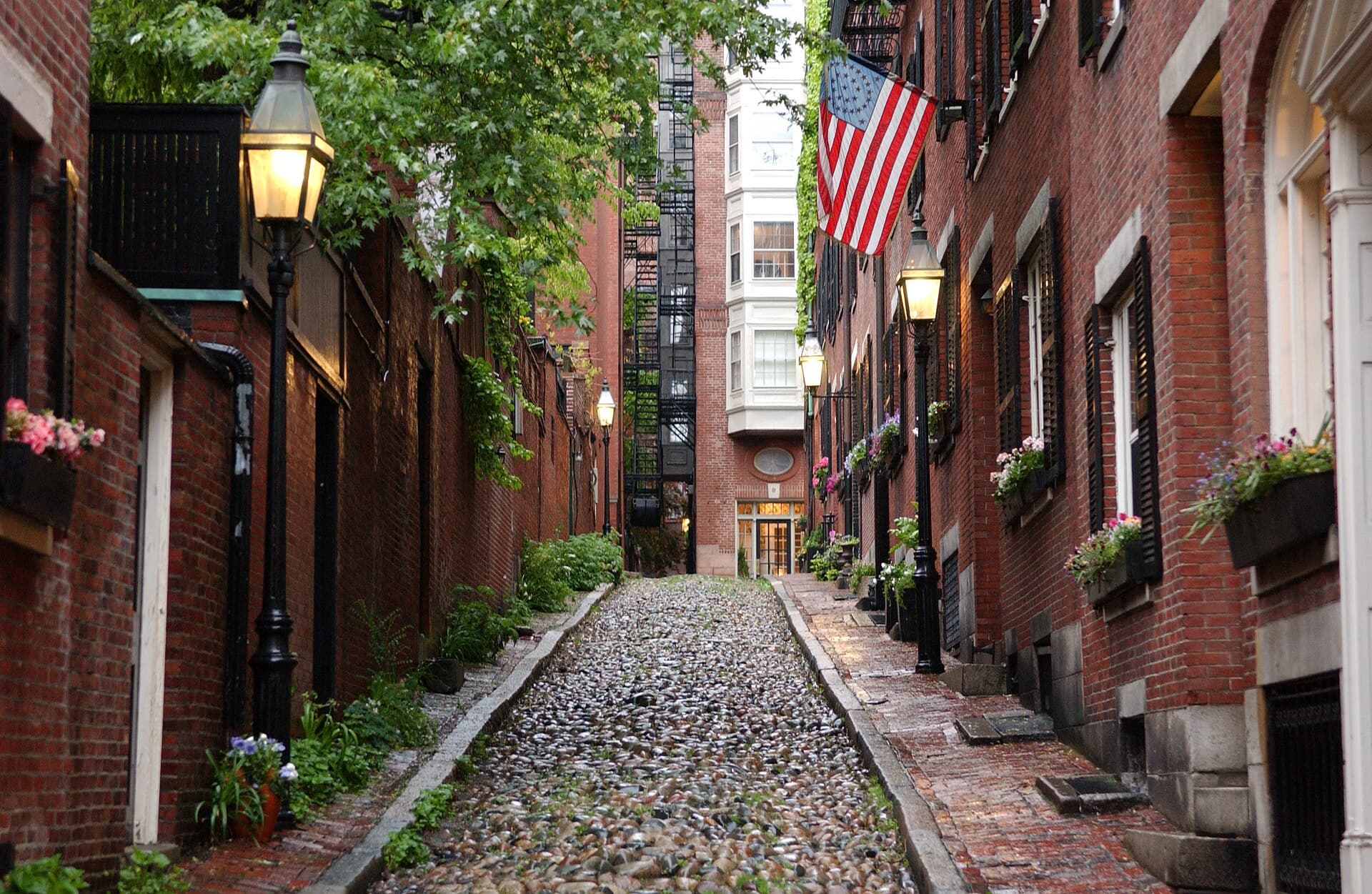 Ian Howard / CC BY 2.5, via Wikimedia Commons
Tour de áudio autoguiado por Boston — rota GPS a pé, reprodução offline, narração envolvente em 32 idiomas.
“Onde a história respira através dos tijolos e a inovação alça voo.”
Não os postais. As histórias que nem os locais conhecem — sussurradas ao seu ouvido, exatamente onde aconteceram.
O parque público mais antigo da América esconde um segredo sob seus veneráveis caminhos.
A casa do celebrado ourives e patriota guarda um passado surpreendente que antecede sua residência.
A lagoa serena onde os Swan Boats deslizam nem sempre foi uma ilha.
Descubra cada segredo de Boston
Cada endereço, cada revelação na íntegra — no seu ouvido, exatamente onde aconteceu.
Você escolhe as suas paragens. Você caminha. A voz revela o que os outros perdem.


O seu tour áudio autoguiado de Boston está pronto — escolha os seus pontos de interesse, selecione o seu idioma e comece no momento em que chegar.
ComprarA Lume inclui um guia de realidade aumentada. Levante o telemóvel: a câmara mostra a rua à sua frente, com uma seta luminosa sobreposta à imagem real que aponta sempre para a sua próxima paragem — sem mapa para decifrar, sem voltas erradas. Como tudo na Lume, funciona totalmente offline.
Boston, Massachusetts, é uma cidade onde a história respira por suas ruas de tijolos e o espírito revolucionário ecoa em seus veneráveis salões. Fundada em 1630 por puritanos ingleses em busca de liberdade religiosa, rapidamente se tornou um porto próspero e um centro de educação. Frequentemente chamada de "Hub of the Universe" (Centro do Universo) ou "Atenas da América" devido à sua ênfase no aprendizado e nas artes, as contribuições culturais de Boston são tão significativas quanto suas contribuições históricas.
Desde os eventos cruciais da Revolução Americana até seu papel duradouro como centro de inovação e aprendizado, Boston oferece uma narrativa envolvente. Seu tamanho compacto a torna eminentemente caminhável, convidando os visitantes a explorar seus diversos bairros, do histórico North End ao elegante Beacon Hill. Se você está traçando os passos de patriotas ou aproveitando sua cena contemporânea, Boston promete uma jornada através do tempo e da cultura.
## Do Assentamento Puritano ao Berço da Revolução A história de Boston começou em 1630, quando colonos puritanos ingleses, liderados por John Winthrop, se estabeleceram na Península de Shawmut após descobrirem que seu assentamento inicial em Charlestown carecia de água potável. Eles compraram a terra de William Blackstone, um padre anglicano e o primeiro colono europeu da península. A nova comunidade foi nomeada Boston, em homenagem à cidade mercantil de Boston, Lincolnshire, Inglaterra.
A cidade cresceu rapidamente em um porto animado, engajando-se em transporte marítimo e pesca. A ética puritana influenciou profundamente seu desenvolvimento inicial, levando à fundação da primeira escola pública da América, a Boston Latin School, em 1635, e da Universidade de Harvard logo depois.
Boston se tornou um ponto focal do fervor revolucionário em meados do século XVIII. Faneuil Hall, construída como um mercado e salão de reuniões em 1741, tornou-se conhecida como o "Berço da Liberdade", onde os colonos protestavam contra leis como o Sugar Act e o Stamp Act, articulando o princípio de "nenhum imposto sem representação". O Massacre de Boston em 1770 e a Festa do Chá de Boston em 1773 foram eventos seminais que alimentaram ainda mais a dissidência dos colonos contra o domínio britânico. Na véspera da Revolução Americana, a Old North Church desempenhou um papel crucial quando duas lanternas foram penduradas em seu campanário em 18 de abril de 1775, sinalizando que as tropas britânicas estavam avançando "por mar" em direção a Lexington e Concord, o que deu início à Guerra Revolucionária Americana.
Boston Common, estabelecido em 1634, detém a distinção de ser o parque público mais antigo da América. Inicialmente usado para pastagem de gado e treinamento militar, também serviu como local para punições puritanas, incluindo enforcamentos públicos. Durante a ocupação britânica em 1775, mais de 1.000 soldados britânicos acamparam no Common. Nos séculos seguintes, Boston continuou a evoluir, tornando-se um centro para movimentos abolicionistas, comícios pelos direitos civis e um centro para instituições culturais como o Museum of Fine Arts, fundado em 1870.
Comece sua exploração na Freedom Trail, um caminho de 4 km que conecta 16 locais historicamente significativos, começando em Boston Common. Passeie por Boston Common, o parque público mais antigo da América, e seu contraponto formal, o Boston Public Garden, o primeiro jardim botânico público dos Estados Unidos, conhecido por seus Swan Boats e estátuas de "Make Way for Ducklings". Explore Faneuil Hall, um mercado histórico e salão de reuniões que desempenhou um papel crucial na Revolução Americana. Visite a Paul Revere House, a estrutura mais antiga ainda existente no centro de Boston, oferecendo um vislumbre da vida colonial. Veja a Old North Church, famosa por seu papel na corrida de Paul Revere. Mergulhe em arte e cultura no Museum of Fine Arts (MFA), lar de uma vasta coleção que abrange desde obras antigas até contemporâneas. Faça um passeio pelas charmosas ruas de Beacon Hill, conhecida por sua arquitetura histórica, e explore o North End, a comunidade residencial mais antiga de Boston, celebrada por sua herança italiana. Não perca a grandiosidade arquitetônica da Boston Public Library em Copley Square.
A melhor época para visitar Boston é durante a primavera (março a maio) e o outono (setembro a meados de outubro) para um clima agradável e menos multidões. A primavera oferece flores desabrochando, enquanto o outono exibe uma bela folhagem. O verão (junho a agosto) é popular por suas temperaturas quentes, com máximas diárias médias acima de 23°C, mas também traz multidões maiores e maior umidade. Os invernos (dezembro a fevereiro) são frios e com neve, com máximas diárias médias abaixo de 7°C, mas oferecem uma atmosfera local e festividades de fim de ano.
Boston é uma cidade altamente caminhável, especialmente seu centro, Beacon Hill, Back Bay e os bairros do North End. O transporte público, conhecido como "T" (metrô e ônibus), é eficiente e conecta as principais atrações, tornando um carro alugado desnecessário e muitas vezes um incômodo devido ao estacionamento. Considere comprar um passe de vários dias para o "T". Gorjetas em restaurantes e bares são padrão, tipicamente 18-22% para bom serviço. A água da torneira é segura para beber. Para atrações e restaurantes populares, especialmente durante a alta temporada (junho-agosto), é aconselhável reservar ingressos e fazer reservas com antecedência, às vezes até meses antes para restaurantes de alta demanda. Leve roupas em camadas, pois o clima de Boston pode flutuar, mesmo dentro do mesmo dia.
Boston — coreano, chinês, hebraico e mais 29 idiomas, cada parada narrada por uma voz nativa. A maior variedade de idiomas entre os passeios de áudio autoguiados.
Disponível em: