Biblioteca del Castello Orsini-Odescalchi
Oltre le grandi sale e le mura difensive, un regno accademico meno battuto attende tra le mura del castello.
La storia completa si sblocca nel tour
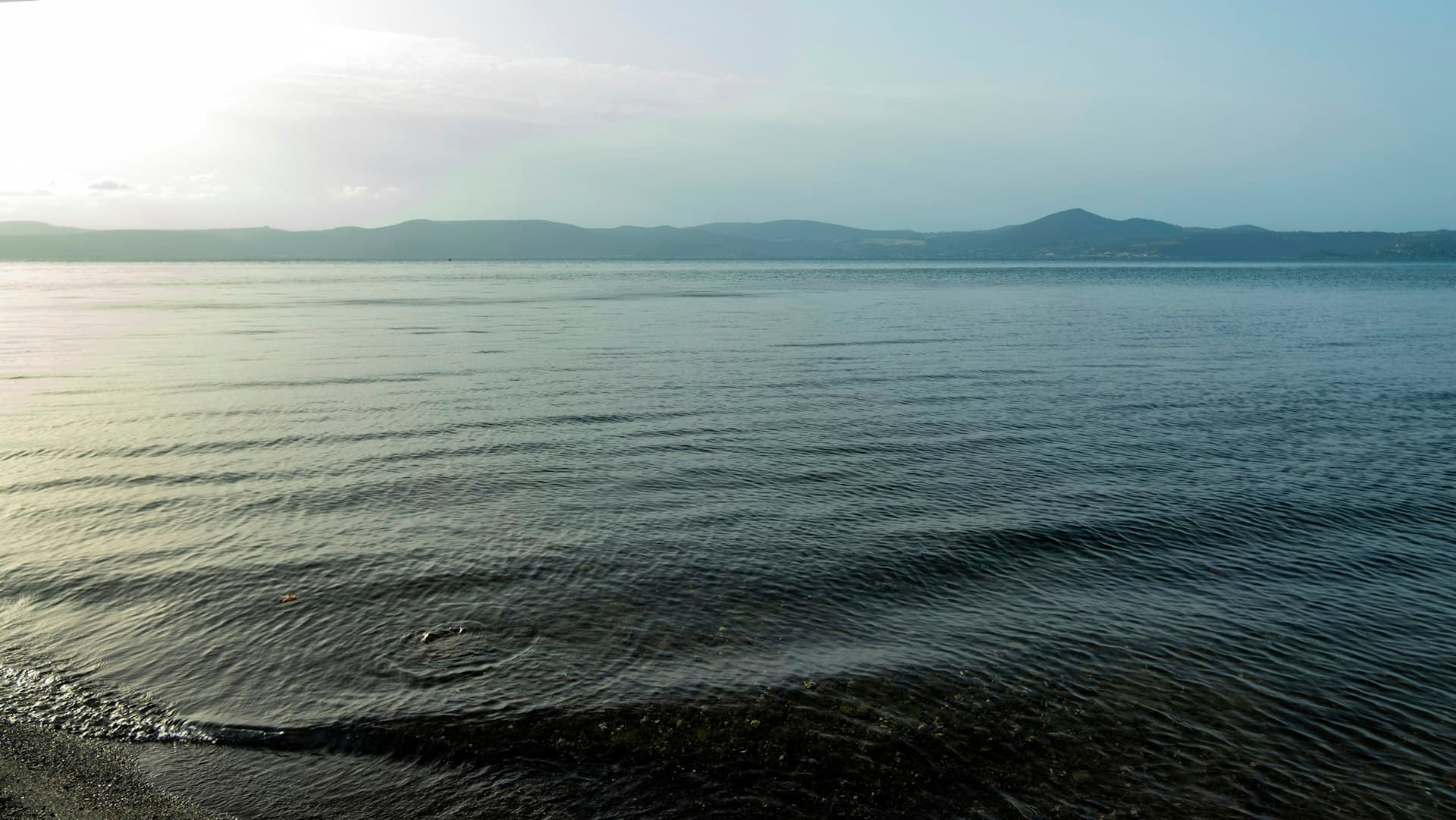 Photo: Nikole Ceccarelli / Unsplash
Tour audio autoguidato di Bracciano — percorso GPS a piedi, riproduzione offline, narrazione coinvolgente in 32 lingue.
“Dove l'antica pietra incontra la placida distesa di un lago vulcanico.”
Non le cartoline. Le storie che nemmeno i locali conoscono — sussurrate nel tuo orecchio, proprio dove sono accadute.
Oltre le grandi sale e le mura difensive, un regno accademico meno battuto attende tra le mura del castello.
Le acque calme e limpide del Lago di Bracciano nascondono una genesi infuocata sotto la loro superficie.
Le celebrate fontane di Roma devono un debito a Bracciano, sebbene non senza un tocco di artificio storico.
Scopri ogni segreto di Bracciano
Ogni indirizzo, ogni rivelazione completa — nel tuo orecchio, proprio dove è accaduta.
Scegli le tue tappe. Cammini. La voce rivela ciò che gli altri perdono.


Il tuo tour audio autoguidato di Bracciano è pronto — scegli i tuoi punti di interesse, seleziona la tua lingua e inizia nel momento in cui arrivi.
AcquistaLume include una guida in realtà aumentata. Alza il telefono: la fotocamera mostra la strada davanti a te, con una freccia luminosa sovrapposta all'immagine reale che punta sempre verso la tua prossima tappa — nessuna mappa da decifrare, nessuna svolta sbagliata. Come tutto in Lume, funziona completamente offline.
Bracciano, una cittadina accattivante nella regione Lazio, si trova a circa 30 chilometri (19 miglia) a nord-ovest di Roma. È nota per il suo castello medievale immacolatamente conservato, il Castello Orsini-Odescalchi, e per l'ampio lago vulcanico di Bracciano, l'ottavo lago più grande d'Italia. La città offre un sereno rifugio dal trambusto della capitale, unendo splendore naturale a secoli di ingegno umano.
La città stessa è un labirinto tortuoso di strade e venerabili edifici, che invitano i visitatori a viaggiare nel tempo. Il castello imponente, che domina il lago, si erge come innegabile emblema di Bracciano e un primo esempio di architettura rinascimentale. Il Lago di Bracciano, con le sue acque cristalline, è un'area naturale protetta, che offre opportunità per varie attività acquatiche e un'atmosfera di profonda calma.
La storia di Bracciano risale all'antichità, con prove di insediamenti etruschi e romani nelle vicinanze. Si ritiene che il nome della città derivi da 'Lacus Sabatinus', il nome latino del lago che domina, forse legato a una divinità etrusca o alla parola latina per 'rugiada'. Inizialmente un piccolo villaggio di pescatori in epoca etrusca, Bracciano iniziò ad acquisire importanza intorno al X secolo a.C. con la costruzione di una torre militare per difendersi dalle incursioni saracene.
Nell'XI secolo, la famiglia Prefetti di Vico acquisì il territorio e trasformò la torre in un castello. La formidabile famiglia Orsini prese possesso di Bracciano nel 1234, sviluppando ulteriormente sia la città che il castello, inaugurando un periodo di fiorente importanza. Il Castello Orsini, come era allora conosciuto, iniziò la costruzione intorno al 1470 sotto Napoleone Orsini, un leader militare. La sua posizione strategica che domina il Lago di Bracciano lo rese un punto centrale per il controllo delle terre circostanti.
Il XVI secolo segnò un periodo di splendore per Bracciano. Paolo Giordano I Orsini, che sposò Isabella de' Medici, ricevette il titolo di Duca di Bracciano nel 1560. Il castello subì una modernizzazione, con Taddeo Zuccari, un distinto pittore romano, che adornò la Sala Papalinia con affreschi. Tuttavia, il declino della famiglia Orsini portò alla vendita del ducato e del castello alla famiglia Odescalchi nel 1696. Gli Odescalchi, con legami con Papa Innocenzo XI, elevarono ulteriormente lo status del castello. Nel 1952, il Principe Livio IV Odescalchi aprì il castello al pubblico come museo storico.
L'attrazione più importante di Bracciano è il Castello Orsini-Odescalchi, una magnifica fortezza medievale che espone anche elementi architettonici rinascimentali. I visitatori possono esplorare oltre 20 stanze decorate su due livelli, adornate con arredi originali, affreschi, dipinti e una collezione di armi e armature. Salendo in cima si gode di una vista mozzafiato sul Lago di Bracciano e sulla campagna circostante. Il castello ospita anche eventi culturali ed è una location prediletta per i matrimoni.
Oltre al castello, passeggiate per il centro storico di Bracciano, una rete di passaggi tortuosi, antiche strutture in pietra e graziose boutique. Piazza IV Novembre, la piazza centrale, è un vivace snodo con edifici storici e caffè. Il Duomo di Santo Stefano, noto anche come Collegiata di Santo Stefano Protomartire, funge da principale edificio religioso di Bracciano. Assicuratevi di visitare la Chiesa di Santa Maria Novella, che presenta affreschi medievali e un notevole soffitto a cassettoni ligneo. Il Museo Civico di Bracciano, ospitato nell'ex convento agostiniano di Santa Maria Novella, narra gli eventi storici e culturali della città dall'epoca etrusca al XX secolo.
Per lo splendore naturale, il Lago di Bracciano offre acque limpide per nuotare, navigare, andare in canoa e fare windsurf. Il lago e la sua area circostante fanno parte del Parco Naturale Regionale Bracciano-Martignano, una zona protetta dove le imbarcazioni a motore sono limitate per preservare la qualità dell'acqua e la quiete. Lungo la riva si trovano spiagge pubbliche con sabbia scura e vulcanica. Il Belvedere della Sentinella e la Chiesa di Santa Maria del Riposo offrono viste ampie e suggestive del lago.
I periodi più piacevoli per visitare Bracciano sono la primavera e l'autunno, in particolare da metà aprile a metà giugno e da settembre a inizio ottobre. Durante questi mesi, il clima è mite e luminoso, perfetto per le attività all'aperto e per esplorare le città intorno al lago. L'estate, in particolare luglio e agosto, è anche popolare per le attività con il bel tempo come nuotare nel lago, anche se le temperature possono essere piuttosto calde, con agosto che è il mese più caldo. La stagione più fredda, da novembre a marzo, può essere fredda e piovosa, rendendo le attività all'aperto meno piacevoli.
Bracciano è facilmente raggiungibile da Roma tramite una ferrovia urbana (Linea FR3), con un viaggio che dura circa 55 minuti per stazioni come Ostiense e Valle Aurelia. La stazione ferroviaria di Bracciano si trova a circa 10 minuti a piedi dal centro storico e dal castello. I taxi sono solitamente disponibili alla stazione ferroviaria, e c'è anche un servizio di autobus da Piazza Dante, anche se la frequenza degli autobus può variare.
Camminare per il centro storico e fino al castello comporta strade acciottolate irregolari, quindi si consigliano calzature comode. Per raggiungere la riva del lago dal centro della città, è una ripida discesa (circa 2 km), e le opzioni di trasporto pubblico direttamente dalla riva alla città potrebbero essere limitate. Bracciano offre varie opzioni di ristorazione, tra cui trattorie locali e ristoranti con vista sul lago, che servono cucina tradizionale laziale e pesce fresco dal lago.
Bracciano — coreano, cinese, ebraico e altre 29 lingue, ogni tappa narrata da una voce madrelingua. La più ampia scelta di lingue tra i tour audio autoguidati.
Disponibile in: