Marvel Cave
Prima di ancorare un tentacolare parco di divertimenti, una certa meraviglia sotterranea attirava i visitatori per decenni con un fascino diverso.
La storia completa si sblocca nel tour
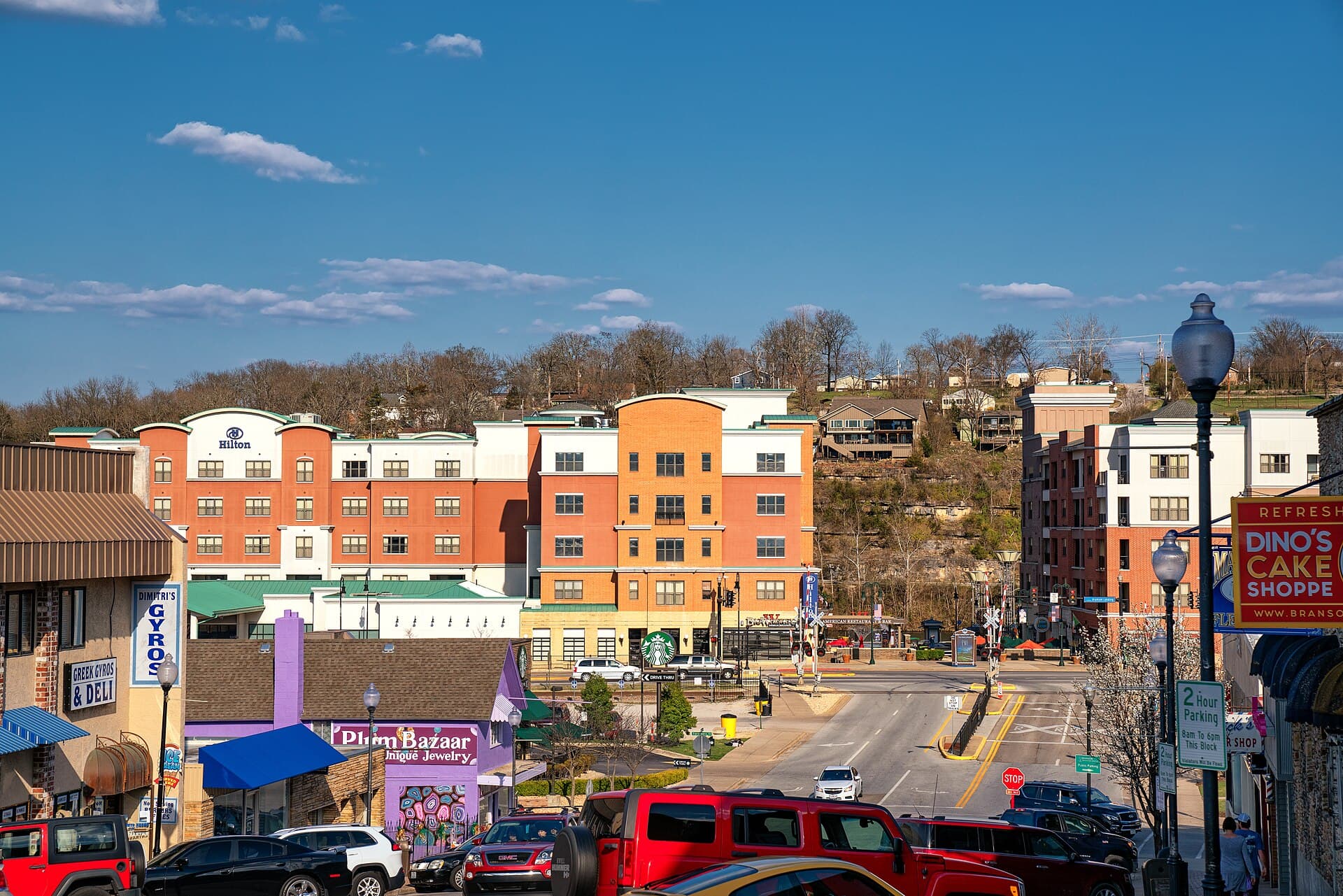 Tony Webster / CC BY-SA 2.0, via Wikimedia Commons
Tour audio autoguidato di Branson — percorso GPS a piedi, riproduzione offline, narrazione coinvolgente in 32 lingue.
“Dove lo spirito degli Ozark incontra un palcoscenico illuminato.”
Non le cartoline. Le storie che nemmeno i locali conoscono — sussurrate nel tuo orecchio, proprio dove sono accadute.
Prima di ancorare un tentacolare parco di divertimenti, una certa meraviglia sotterranea attirava i visitatori per decenni con un fascino diverso.
Navigare nell'arteria principale di Branson può mettere a dura prova la pazienza; tuttavia, la gente del posto possiede una strategia per aggirare le ore di punta.
Un intero quartiere commerciale a Branson scomparve un tempo in un singolo evento infuocato, solo per ricostruirsi coraggiosamente.
Scopri ogni segreto di Branson
Ogni indirizzo, ogni rivelazione completa — nel tuo orecchio, proprio dove è accaduta.
Scegli le tue tappe. Cammini. La voce rivela ciò che gli altri perdono.

Il tuo tour audio autoguidato di Branson è pronto — scegli i tuoi punti di interesse, seleziona la tua lingua e inizia nel momento in cui arrivi.
AcquistaLume include una guida in realtà aumentata. Alza il telefono: la fotocamera mostra la strada davanti a te, con una freccia luminosa sovrapposta all'immagine reale che punta sempre verso la tua prossima tappa — nessuna mappa da decifrare, nessuna svolta sbagliata. Come tutto in Lume, funziona completamente offline.
Branson, Missouri, immersa tra le Ozark Mountains, si è trasformata da un modesto insediamento in una destinazione turistica di spicco, celebrata per i suoi spettacoli dal vivo e le attrazioni per tutte le età. Il fascino della città va oltre le sue rinomate esibizioni, offrendo un mix di attività ricreative all'aperto sui suoi tre laghi — Table Rock Lake, Lake Taneycomo e Bull Shoals Lake — e un'atmosfera calorosa radicata nell'ospitalità del Sud.
Con origini che risalgono ai primi del 1800, Branson si è ufficialmente costituita nel 1912. La pubblicazione del romanzo di Harold Bell Wright, The Shepherd of the Hills, nel 1907, ha svolto un ruolo significativo nell'attrarre i primi visitatori a sperimentare i paesaggi delle Ozark descritti nel libro. Oggi, Branson continua ad attrarre milioni di visitatori ogni anno, offrendo una vasta gamma di esperienze, dalle esaltanti giostre dei parchi a tema alle tranquille attività sul lungolago.
Le origini di Branson risalgono alla fine del XIX secolo, quando Rueben S. Branson, proprietario di un emporio e direttore postale, istituì un ufficio postale nel 1882. La comunità che si formò attorno al suo negozio adottò infine il suo nome. L'arrivo della Missouri Pacific Railroad nel 1902 stimolò la crescita, trasformando Branson in una città più attiva all'inizio del XX secolo. La città fu ufficialmente incorporata il 1° aprile 1912, con una popolazione di 1.200 residenti.
Inizialmente, la visione per Branson era quella di un centro industriale, che esportava tronchi, legname e beni manifatturieri dalle Ozark. Tuttavia, l'idea di Branson come città turistica prese rapidamente piede. I primi sviluppi includevano un impianto di ghiaccio commerciale, un impianto di imbottigliamento di bevande analcoliche, una fabbrica di caramelle e una gelateria, tutti rivolti ai vacanzieri. I tre hotel della città — il Commercial, il Branson e il Malone (poi ribattezzato White River Hotel) — iniziarono ad accogliere un numero crescente di visitatori.
Un momento cruciale nella storia del turismo di Branson arrivò con la pubblicazione nel 1907 del romanzo di Harold Bell Wright, The Shepherd of the Hills. Questo libro, ambientato nelle Ozark, ottenne un riconoscimento nazionale e ispirò le persone a visitare l'area per vedere i paesaggi descritti nella storia. Questo legame letterario contribuì a consolidare la reputazione di Branson come destinazione. Dopo la Seconda Guerra Mondiale, l'area continuò ad attrarre artisti, artigiani e pensionati, contribuendo alla sua crescita come centro di prodotti e servizi artigianali.
L'era moderna dell'intrattenimento iniziò nel 1959 con l'apertura del Baldknobbers Jamboree, il primo spettacolo di musica dal vivo di Branson, che pose le basi per la sua fiorente scena di intrattenimento. L'acquisto della Marvel Cave da parte della famiglia Herschend nel 1949 e il loro successivo sviluppo della Silver Dollar City nel 1960 consolidarono ulteriormente la posizione di Branson come importante attrazione turistica. Oggi, Branson è ampiamente conosciuta come la 'Capitale Mondiale degli Spettacoli di Musica dal Vivo', offrendo una vasta gamma di spettacoli e attrazioni che continuano ad attrarre milioni di visitatori ogni anno.
Branson presenta una variegata collezione di attrazioni. Silver Dollar City è un importante parco a tema, con montagne russe, giostre per famiglie, spettacoli dal vivo e dimostrazioni artigianali, il tutto costruito attorno alla Marvel Cave. Per coloro che cercano avventure acquatiche, il Table Rock Lake è preferito per nuoto, nautica, pesca e sci nautico, con numerosi resort e campeggi lungo le sue sponde. Il Lake Taneycomo, alimentato dal Table Rock Lake, è una destinazione di prim'ordine per la pesca alla trota.
La passeggiata Branson Landing, situata sul Lake Taneycomo, offre opportunità per shopping, ristorazione e intrattenimento. Gli spettacoli dal vivo sono una pietra angolare del fascino di Branson, con un'ampia gamma di generi musicali, commedie, spettacoli di magia ed esperienze di cena-teatro disponibili. Altre attrazioni degne di nota includono il Titanic Museum Attraction, il Bigfoot Fun Park e Fritz's Adventure. Per un viaggio pittoresco, considera la Branson Scenic Railway, un viaggio di andata e ritorno di 40 miglia attraverso le Ozark Mountains, o esplora il Lost Canyon Cave & Nature Trail presso Top of the Rock.
Branson offre esperienze distinte durante tutto l'anno, con stagioni di punta in estate (giugno-agosto) e durante l'Ozark Mountain Christmas (novembre-dicembre). Per un clima confortevole e meno folla, la tarda primavera (maggio-inizio giugno) e l'inizio dell'autunno (settembre-ottobre) sono ideali. L'autunno porta un brillante fogliame autunnale, in particolare a ottobre, rendendolo uno dei preferiti da molti visitatori. Gennaio e febbraio vedono il minor numero di visitatori e spesso presentano tariffe di alloggio scontate.
Un veicolo personale o un'auto a noleggio è essenziale per spostarsi a Branson, poiché la città non è progettata per lunghe passeggiate e manca di sistemi di trasporto pubblico su rotaia o metropolitana. Il principale corridoio dell'intrattenimento, la Highway 76, si estende per diverse miglia e attrazioni come Silver Dollar City e Branson Landing sono sparse in tutta l'area. Durante i periodi di punta, specialmente la sera d'estate, il traffico sulla Highway 76 può essere lento; è consigliabile pianificare percorsi alternativi o prevedere tempo di viaggio aggiuntivo.
Si consiglia di prenotare alloggio e biglietti per gli spettacoli in anticipo, in particolare durante le stagioni di punta. Per i pasti, effettuare prenotazioni per gruppi di quattro o più persone durante i periodi di punta può aiutare a evitare lunghe attese. L'abbigliamento a strati è pratico per le visite primaverili e autunnali a causa delle fluttuazioni di temperatura, mentre l'estate richiede protezione solare e repellente per insetti. Scarpe comode da passeggio sono una necessità durante tutto l'anno.
Branson — coreano, cinese, ebraico e altre 29 lingue, ogni tappa narrata da una voce madrelingua. La più ampia scelta di lingue tra i tour audio autoguidati.
Disponibile in: