Il Campanile dell'Abbazia
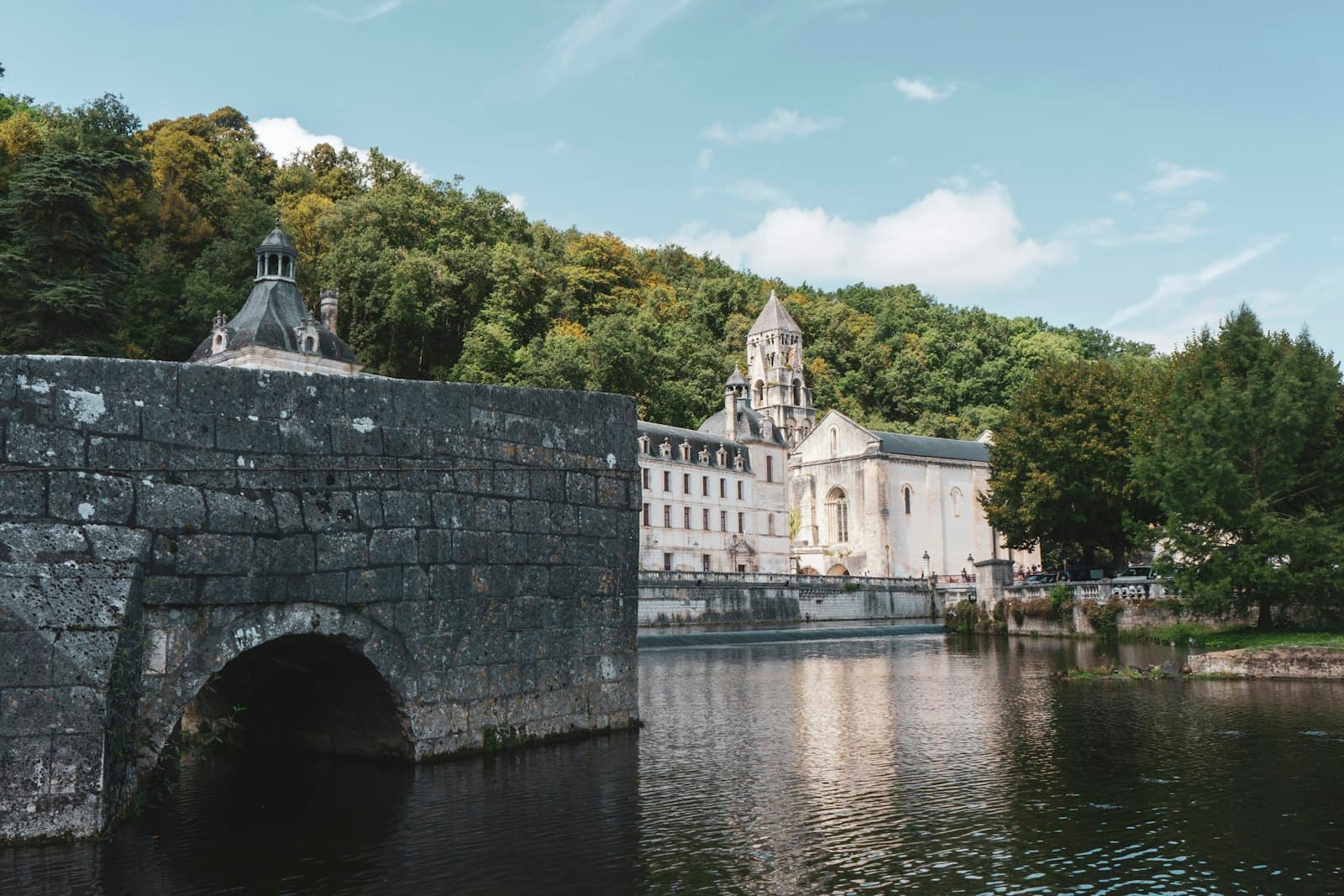
Questo campanile romanico è considerato uno dei più antichi della Francia, eppure la sua costruzione rivela un dettaglio inaspettato.
La storia completa si sblocca nel tour
 Benjamin Smith / CC BY-SA 4.0, via Wikimedia Commons
Tour audio autoguidato di Brantôme — percorso GPS a piedi, riproduzione offline, narrazione coinvolgente in 32 lingue.
“Dove l'antica pietra incontra l'acqua che scorre, Brantôme ti invita a vagare per un'isola senza tempo.”
Non le cartoline. Le storie che nemmeno i locali conoscono — sussurrate nel tuo orecchio, proprio dove sono accadute.
Questo campanile romanico è considerato uno dei più antichi della Francia, eppure la sua costruzione rivela un dettaglio inaspettato.
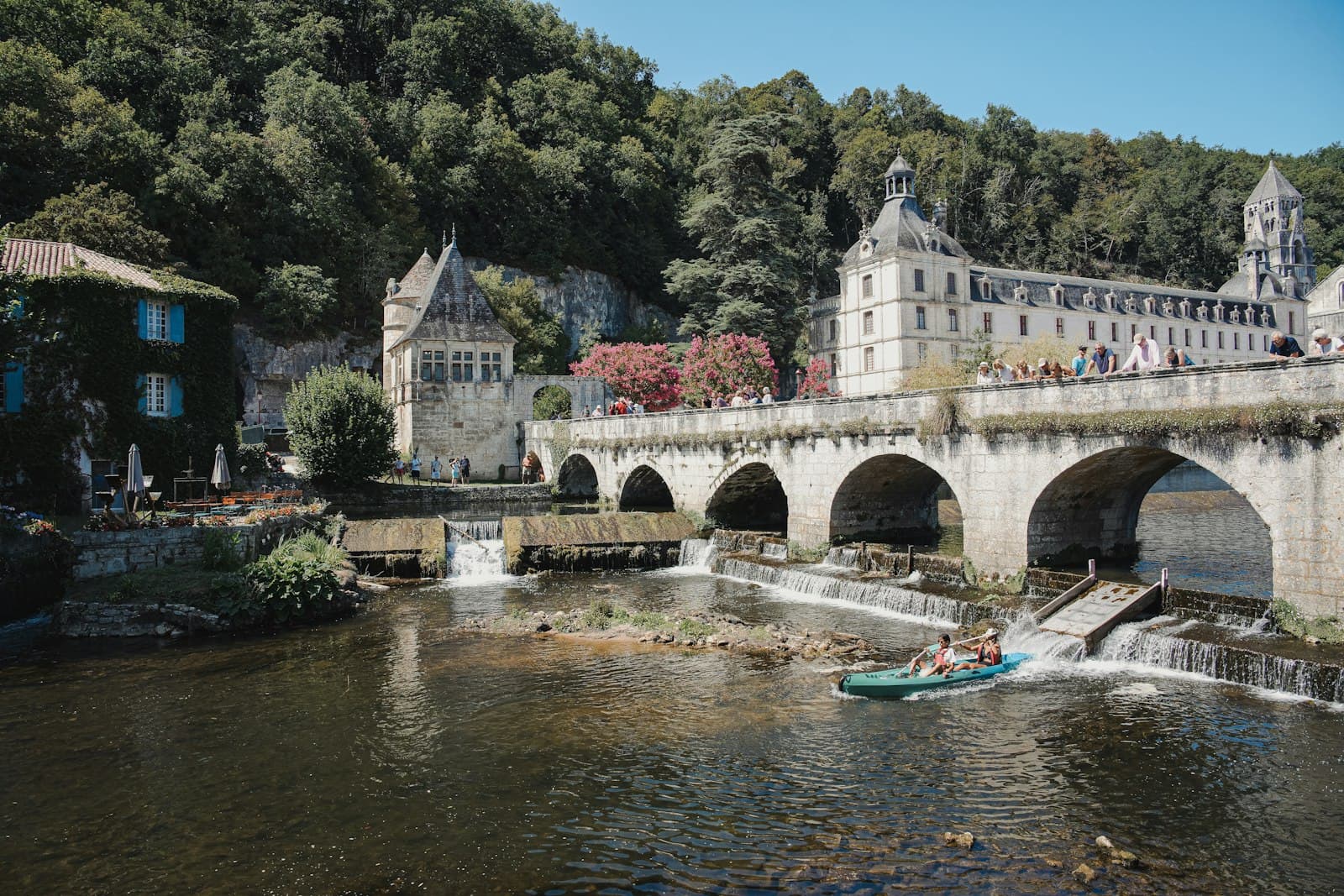
Brantôme presenta un ponte distintivo, noto come il 'ponte piegato', ma il suo insolito angolo serviva a più di un semplice scopo visivo.
Nelle profondità delle grotte trogloditiche dietro l'abbazia, un misterioso bassorilievo raffigura il Giudizio Universale, le cui origini sono avvolte nella congettura locale.
Scopri ogni segreto di Brantôme
Ogni indirizzo, ogni rivelazione completa — nel tuo orecchio, proprio dove è accaduta.
Scegli le tue tappe. Cammini. La voce rivela ciò che gli altri perdono.
Il tuo tour audio autoguidato di Brantôme è pronto — scegli i tuoi punti di interesse, seleziona la tua lingua e inizia nel momento in cui arrivi.
AcquistaLume include una guida in realtà aumentata. Alza il telefono: la fotocamera mostra la strada davanti a te, con una freccia luminosa sovrapposta all'immagine reale che punta sempre verso la tua prossima tappa — nessuna mappa da decifrare, nessuna svolta sbagliata. Come tutto in Lume, funziona completamente offline.
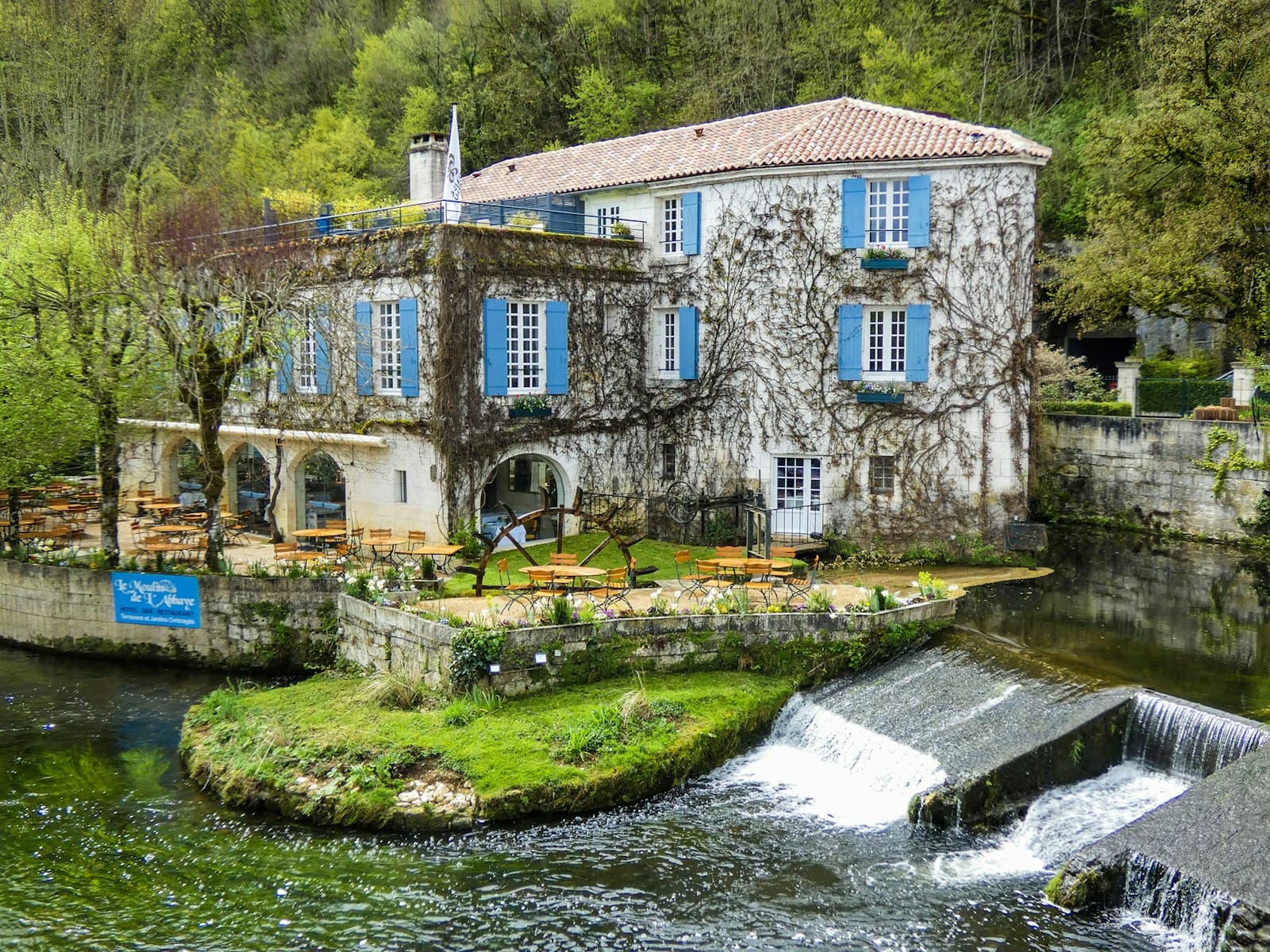
Brantôme, spesso chiamata la "Venezia del Périgord", è un'affascinante cittadina nel dipartimento della Dordogna, nel sud-ovest della Francia. Il suo soprannome deriva dalla sua singolare ambientazione: il centro cittadino occupa un'isola creata da un'ansa del fiume Dronne, con ponti in pietra che collegano le sue varie sezioni. Questo incantevole insieme di acqua, architettura medievale e rinascimentale e scogliere calcaree coltiva un'atmosfera serena che incoraggia i visitatori a soffermarsi ed esplorare.
La città offre un mix di splendore naturale e profondità storica, offrendo una fuga tranquilla. Dalle passeggiate lungo banchine fiorite all'esplorazione di antiche grotte, Brantôme offre un'esperienza ricca. Serve come punto di ingresso alla regione del Périgord Vert, celebrata per i suoi paesaggi verdi, boschi, valli e prati.
La storia di Brantôme è profondamente intrecciata con la sua Abbazia Benedettina, che si erge come la struttura distintiva della città. L'area fu inizialmente abitata nel V secolo da monaci che scavarono rifugi trogloditici nelle rive del fiume Dronne, utilizzando le scogliere per protezione e il fiume per sostentamento. Queste antiche dimore, alcune delle quali presentano scene come il Giudizio Universale scolpite nella pietra, rimangono aperte all'esplorazione ancora oggi.
L'abbazia stessa fu fondata secondo la leggenda nel 769 da Carlo Magno, a cui si dice abbia donato le reliquie di San Sicario, uno degli infanti della Strage degli Innocenti. Questo atto attirò pellegrini e portò prosperità a Brantôme, ulteriormente migliorata dal commercio fluviale. Tuttavia, l'abbazia subì un passato turbolento, subendo distruzioni durante le incursioni vichinghe nell'848 e nell'857, e di nuovo durante la Guerra dei Cent'anni. Fu ricostruita più volte, tra cui alla fine del X secolo e di nuovo nel 1465 e 1480.
Nel XVI secolo, l'Abate Pierre de Bourdeille, noto anche come 'Brantôme', giocò un ruolo significativo, salvando persino l'abbazia da un attacco ugonotto invitando gli invasori a un sontuoso banchetto. Il campanile romanico dell'XI secolo, considerato uno dei più antichi della Francia, è un elemento architettonico prominente, costruito in modo unico su uno sperone roccioso piuttosto che direttamente sulla chiesa. Durante la Rivoluzione Francese, l'abbazia fu secolarizzata, la sua vita monastica cessò e la sua vasta biblioteca dispersa. Oggi, il complesso abbaziale ospita il municipio e un museo, mentre le grotte trogloditiche continuano a offrire uno sguardo sul patrimonio spirituale dell'area e sulla prima abitazione umana.
Il fascino di Brantôme si assapora al meglio esplorando le sue vie d'acqua, le antiche costruzioni e i giardini. L'Abbazia Benedettina di Brantôme, con il suo campanile romanico, è un punto di interesse centrale. I visitatori possono esplorare i chiostri dell'abbazia, il refettorio e le grotte trogloditiche scavate nella parete rocciosa, che un tempo servivano come ritiri monastici e luoghi di sepoltura. Un particolare punto di interesse all'interno delle grotte è la Grotta del Giudizio Universale, con intriganti bassorilievi.
Passeggiate lungo il fiume Dronne, che circonda la città, offrendo viste su case in pietra con balconi fioriti e giardini lungo il fiume. Considerate una crociera in canoa, kayak o barca elettrica per una prospettiva diversa della città e dei suoi ponti storici. Il Jardin des Moines (Giardino dei Monaci), un tranquillo parco fluviale, offre un luogo sereno per la contemplazione e viste sull'abbazia. Le strette vie della città rivelano edifici medievali e rinascimentali, botteghe artigiane e invitanti caffè. Il mercato del venerdì mattina, uno dei migliori della regione, offre prodotti locali, formaggi, artigianato e specialità regionali.
Il periodo più piacevole per visitare Brantôme è dalla tarda primavera all'inizio dell'autunno, in particolare da maggio a settembre. Durante questi mesi, il clima è mite e i giardini sono in piena fioritura. Luglio e agosto sono particolarmente vivaci con festival ed eventi, anche se la città può essere affollata. Per un'esperienza più tranquilla con un clima gradevole, considerate una visita a maggio, giugno o settembre. Le temperature medie diurne variano da 15-25°C (59-77°F) durante la primavera e l'inizio dell'autunno.
Brantôme si trova nel dipartimento della Dordogna, nel sud-ovest della Francia, nella regione della Nuova Aquitania. Il modo più comodo per arrivare a Brantôme è in auto, poiché consente di esplorare la campagna circostante. Périgueux si trova a circa 30 minuti di auto e Bordeaux a circa due ore di guida. Per chi viaggia in treno, prendete un treno ad alta velocità per Angoulême, poi un autobus per Brantôme. Gli aeroporti più vicini sono Bergerac Dordogne Périgord Airport (EGC) e Bordeaux–Mérignac Airport (BOD).
Il parcheggio è disponibile a Brantôme e dintorni, anche vicino all'abbazia e alla piazza del mercato, spesso gratuito o a basso costo, anche se i posti possono riempirsi rapidamente durante i periodi di punta. La città è facilmente percorribile a piedi, con la maggior parte dei luoghi d'interesse raccolti attorno all'ansa del fiume. L'ufficio turistico locale fornisce mappe e informazioni.
Brantôme — coreano, cinese, ebraico e altre 29 lingue, ogni tappa narrata da una voce madrelingua. La più ampia scelta di lingue tra i tour audio autoguidati.
Disponibile in: