Cattedrale di Brasília
La sua suggestiva silhouette a forma di corona di spine è immediatamente riconoscibile, ma la sequenza di ingresso è progettata per essere un viaggio a sé stante.
La storia completa si sblocca nel tour
 Arturdiasr / CC BY-SA 4.0, via Wikimedia Commons
Tour audio autoguidato di Brasilia — percorso GPS a piedi, riproduzione offline, narrazione coinvolgente in 32 lingue.
“Un sogno modernista inciso nella savana brasiliana.”
Non le cartoline. Le storie che nemmeno i locali conoscono — sussurrate nel tuo orecchio, proprio dove sono accadute.
La sua suggestiva silhouette a forma di corona di spine è immediatamente riconoscibile, ma la sequenza di ingresso è progettata per essere un viaggio a sé stante.
Lúcio Costa immaginava queste aree residenziali come rifugi egualitari, liberi da distinzioni di classe.
L'ufficio ufficiale del Presidente del Brasile, questo edificio sembra galleggiare con le sue delicate colonne.
Scopri ogni segreto di Brasilia
Ogni indirizzo, ogni rivelazione completa — nel tuo orecchio, proprio dove è accaduta.
Scegli le tue tappe. Cammini. La voce rivela ciò che gli altri perdono.


Il tuo tour audio autoguidato di Brasilia è pronto — scegli i tuoi punti di interesse, seleziona la tua lingua e inizia nel momento in cui arrivi.
AcquistaLume include una guida in realtà aumentata. Alza il telefono: la fotocamera mostra la strada davanti a te, con una freccia luminosa sovrapposta all'immagine reale che punta sempre verso la tua prossima tappa — nessuna mappa da decifrare, nessuna svolta sbagliata. Come tutto in Lume, funziona completamente offline.
Brasília, la capitale del Brasile, è una città diversa da qualsiasi altra, una audace dichiarazione di modernismo scolpita nelle alte pianure della regione Centro-Ovest del paese. Inaugurata il 21 aprile 1960, la città fu concepita e costruita in soli 41 mesi sotto l'ambizioso piano "cinquant'anni di prosperità in cinque" del Presidente Juscelino Kubitschek. Il suo distintivo layout a forma di aeroplano, il "Piano Pilota", fu un'idea del pianificatore urbano Lúcio Costa, mentre gli iconici edifici pubblici furono progettati dal rinomato architetto Oscar Niemeyer.
Questa città pianificata, Patrimonio dell'Umanità dell'UNESCO dal 1987, rappresenta una testimonianza monumentale dell'architettura modernista e della pianificazione urbana del XX secolo. Il design di Brasília enfatizza spazi aperti, settori funzionali e strutture che si fondono con il paesaggio naturale, creando un museo a cielo aperto di innovazione architettonica. Dalle sue imponenti piazze governative ai suoi unici superblocchi residenziali, Brasília offre un profondo apprezzamento per una città costruita da una visione del futuro.
L'idea di trasferire la capitale del Brasile dalle sue città costiere a una posizione più centrale e interna risale alla fine del XVIII secolo, una nozione rafforzata nel 1823 da José Bonifácio de Andrada e Silva, noto come il "Patriarca dell'Indipendenza", che suggerì per primo il nome "Brasília". Questa visione fu persino sancita nella prima costituzione repubblicana del Brasile nel 1891. Tuttavia, fu solo a metà del XX secolo che questo sogno a lungo accarezzato iniziò veramente a prendere forma.
Il Presidente Juscelino Kubitschek, eletto nel 1955, fece della costruzione di una nuova capitale una promessa centrale della sua campagna. Nel 1956 fu istituita una società pubblica, la NOVACAP, per supervisionare l'imponente impresa. Una giuria internazionale selezionò il "Piano Pilota" di Lúcio Costa nel 1957 tra 5.550 concorrenti, un progetto che, nonostante la mancanza di disegni dettagliati, affascinò con i suoi principi modernisti e la sua forma simbolica di aeroplano. Oscar Niemeyer, stretto collaboratore di Kubitschek, fu incaricato come architetto capo per la maggior parte degli edifici pubblici, con l'ingegnere strutturale Joaquim Cardozo e il paesaggista Roberto Burle Marx a completare il team visionario.
La costruzione iniziò nel 1956 nel clima ostile del Cerrado, a centinaia di chilometri dalle infrastrutture esistenti. Nonostante le immense sfide logistiche, tra cui la costruzione di strade e un aeroporto per portare i materiali, Brasília fu inaugurata il 21 aprile 1960, appena 41 mesi dopo l'inizio dei lavori. Questa rapida costruzione, pur essendo fonte di orgoglio nazionale, portò anche a significativa inflazione e tensioni economiche. Il design della città, con i suoi distinti settori e la sua scala monumentale, era inteso a promuovere una nuova società egualitaria, sebbene in pratica spesso portasse alla segregazione.
Le meraviglie architettoniche di Brasília sono la sua principale attrazione. Inizia dalla Praça dos Três Poderes (Piazza dei Tre Poteri), il cuore simbolico della città, dove i poteri esecutivo, legislativo e giudiziario del governo sono rappresentati dal Palácio do Planalto, dal Congresso Nazionale e dalla Corte Suprema Federale. Il Congresso Nazionale del Brasile, con le sue suggestive torri gemelle e le cupole a contrasto, è un capolavoro del design moderno.
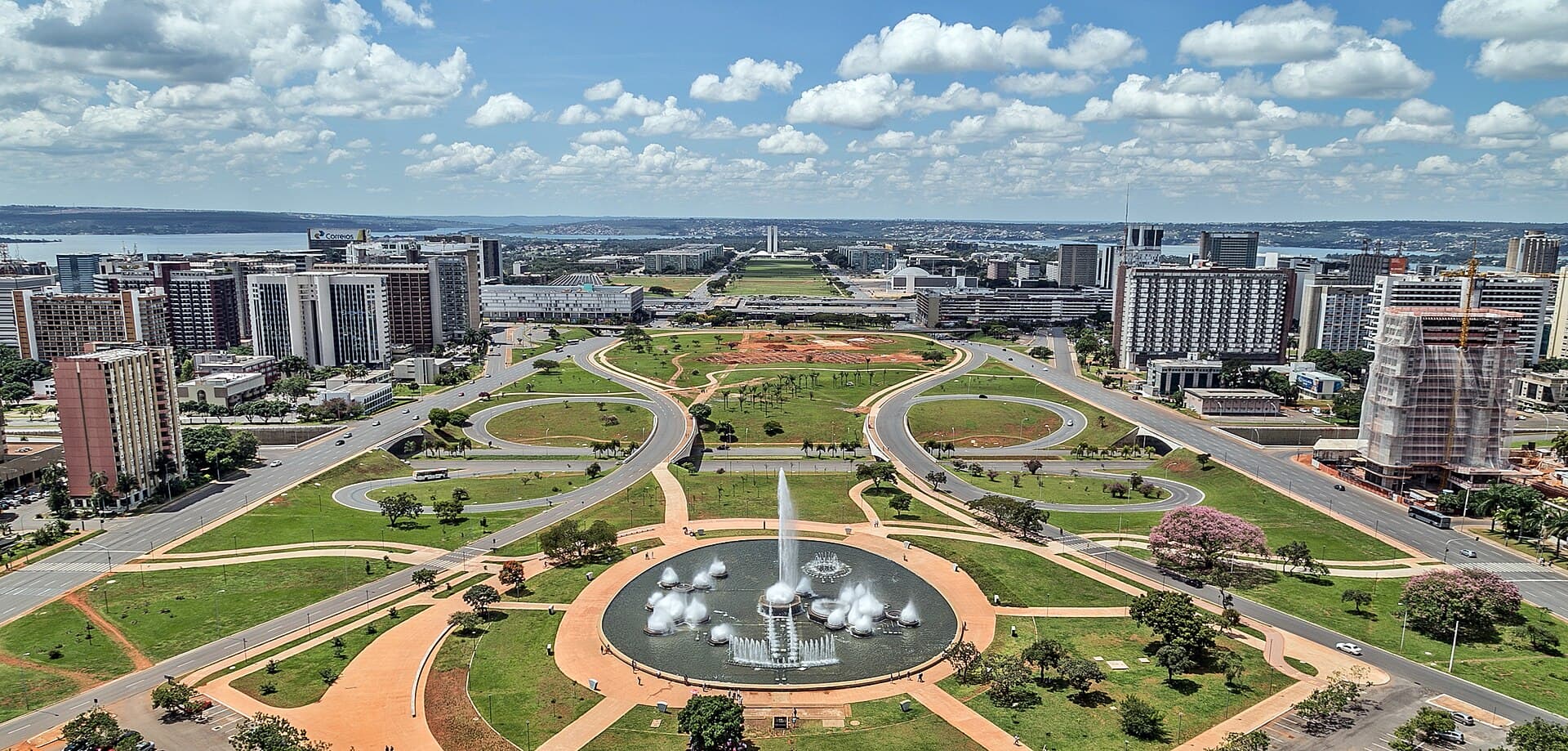
Nelle vicinanze, la Cattedrale di Brasília è una meraviglia architettonica, la sua struttura iperboloide di 16 colonne di cemento assomiglia a una corona di spine, con una vasca riflettente alla sua base. Non perderti il Memoriale Juscelino Kubitschek, un omaggio al fondatore della città, e il Palazzo Itamaraty, sede del Ministero degli Affari Esteri, noto per i suoi eleganti archi e le caratteristiche acquatiche circostanti. Per viste panoramiche del piano urbano di Costa, sali sulla Torre della TV, che offre una prospettiva a volo d'uccello del layout a forma di aeroplano della città. Il Parque da Cidade Sarah Kubitschek offre un vasto spazio verde per la ricreazione.
Brasília ha un clima tropicale savana con distinte stagioni umide e secche. La stagione secca, da maggio a settembre, è generalmente considerata il periodo migliore per visitarla. Durante questi mesi, il tempo è piacevole con minore umidità e meno piogge, rendendolo ideale per esplorare le meraviglie architettoniche all'aperto della città. La stagione umida, da ottobre ad aprile, porta temperature più elevate e piogge più frequenti.
Brasília è generalmente considerata una città sicura per i turisti, specialmente all'interno dell'area centrale del Plano Piloto. Tuttavia, usa cautela, in particolare di notte, ed evita di mostrare oggetti di valore. Si consiglia di utilizzare servizi di ride-sharing o taxi, soprattutto dopo il tramonto, ed evitare gli autobus pubblici a causa dei maggiori rischi di rapina e aggressione. La valuta ufficiale è il Real brasiliano (BRL) e, sebbene le carte di credito siano ampiamente accettate, si consiglia di portare un po' di contanti locali per acquisti più piccoli. Dal 10 aprile 2025, i cittadini di Stati Uniti, Canada e Australia avranno bisogno di un visto elettronico per entrare in Brasile. Controlla sempre i requisiti di visto più recenti con largo anticipo rispetto al tuo viaggio.
Brasilia — coreano, cinese, ebraico e altre 29 lingue, ogni tappa narrata da una voce madrelingua. La più ampia scelta di lingue tra i tour audio autoguidati.
Disponibile in: