Main Street
Breckenridge, por un tiempo, simplemente desapareció de los mapas oficiales de EE. UU.
La historia completa se desbloquea en el tour
 Av9 / CC BY-SA 3.0, via Wikimedia Commons
Tour de audio autoguiado de Breckenridge — ruta GPS a pie, reproducción offline, narración en 32 idiomas.
“Donde la elegancia victoriana se encuentra con la euforia de la montaña, y de cada pico surgen historias perdurables.”
No las postales. Las historias que ni los locales conocen — al oído, justo donde ocurrieron.
Breckenridge, por un tiempo, simplemente desapareció de los mapas oficiales de EE. UU.
Uno de los salones más antiguos al oeste del Mississippi sigue sirviendo a sus clientes hoy en día.
El nombre de la ciudad cambió debido a una lealtad en la Guerra Civil.
Descubre todos los secretos de Breckenridge
Cada dirección, cada revelación al completo — a tu oído, justo donde ocurrió.
Eliges tus paradas. Caminas. La voz te revela lo que los demás ignoran.
Tu tour de audioguía por Breckenridge te espera — elige tus lugares, tu idioma y empieza al llegar.
ComprarLume incluye una guía de realidad aumentada. Levanta el móvil y su cámara muestra la calle que tienes delante, con una flecha luminosa sobre la imagen real que siempre apunta a tu próxima parada — sin mapas que descifrar, sin giros equivocados. Como todo en Lume, funciona completamente sin conexión.
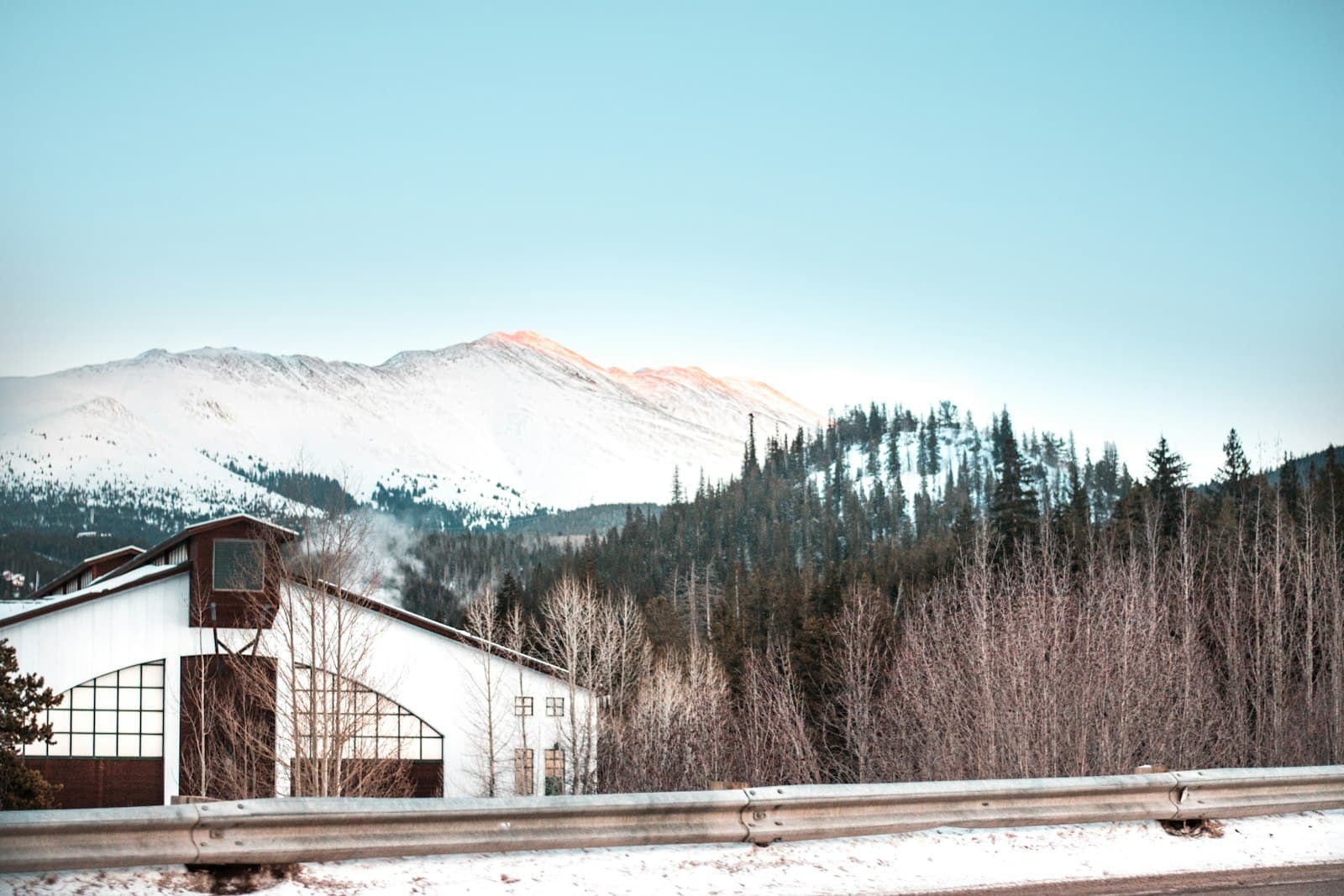
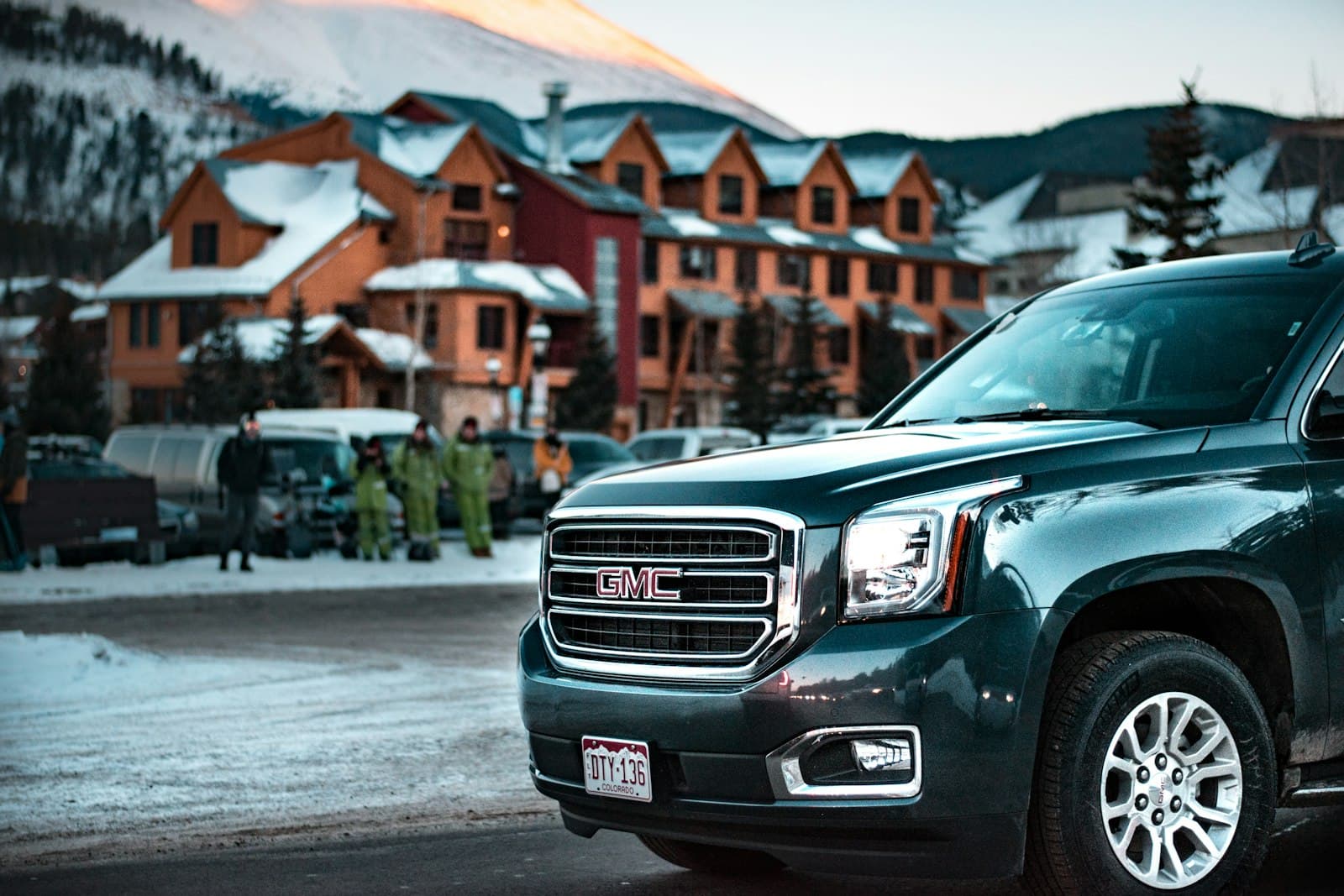
Breckenridge, Colorado, es un histórico pueblo minero transformado en una estación de esquí de clase mundial, situado en lo alto de las Montañas Rocosas a una altitud de 2.900 metros (9.600 pies) sobre el nivel del mar. Su colorido pasado, que se remonta a la Fiebre del Oro de Pike's Peak en 1859, es evidente en la arquitectura victoriana preservada que bordea su acogedora Main Street. Más allá de sus célebres pistas, Breckenridge ofrece una animada escapada durante todo el año con una próspera escena artística, diversas experiencias culinarias y abundantes actividades al aire libre.
Con un promedio de 300 días de sol y más de 300 pulgadas de nieve anualmente, Breckenridge ofrece un lienzo dramático para la aventura, desde emocionantes deportes de invierno hasta serenas caminatas de verano. La ciudad combina a la perfección su carácter perdurable con las comodidades modernas, ofreciendo una experiencia de montaña distintiva que atrae a millones de visitantes cada año.
## Del polvo de oro al 'oro blanco' La historia de Breckenridge comenzó en 1859 con el descubrimiento de oro a lo largo del río Blue, lo que provocó una avalancha de buscadores a la zona entonces conocida como 'Blue River Diggings'. La ciudad fue establecida formalmente en noviembre de 1859 por la compañía de prospección del General George E. Spencer. Inicialmente nombrada 'Breckinridge' en honor al vicepresidente de EE. UU. John C. Breckinridge, la ortografía se alteró a 'Breckenridge' en 1861 después de que este se uniera a la Confederación durante la Guerra Civil.
Durante su apogeo minero, Breckenridge floreció como un centro para la extracción de oro, plata y plomo, con operaciones como la Mina Wellington contribuyendo significativamente a su crecimiento. La ciudad se convirtió en una importante ubicación de minería de roca dura y centro de suministro, y en 1880, se trazó una ambiciosa cuadrícula para el sitio de la ciudad de 320 acres. La amplia Main Street, aún presente hoy, fue diseñada para acomodar carros de carga. En 1887, la pieza de oro más grande encontrada en Colorado en ese momento, una pepita de 13.5 libras apodada 'Tom's Baby', fue desenterrada cerca de Breckenridge, consolidando aún más su renombre minero.
Después de la Segunda Guerra Mundial, una disminución en los precios de los metales llevó a una recesión en la industria minera, y la población de Breckenridge disminuyó, casi convirtiéndose en un pueblo fantasma para la década de 1950. Sin embargo, una nueva era comenzó en 1961 cuando Trygve Berge y Sigurd Rockne, esquiadores olímpicos de Noruega, fundaron la Estación de Esquí de Breckenridge. Esto marcó el descubrimiento del 'oro blanco' y revitalizó la economía de la ciudad, transformándola en un destino de esquí de primer nivel. La finalización del Túnel Eisenhower en la Interestatal 70 en 1973 mejoró aún más la accesibilidad desde Denver, solidificando el estatus de Breckenridge como un popular pueblo de montaña.
Hoy, Breckenridge posee uno de los distritos históricos más grandes de Colorado, con más de 200 estructuras listadas en el Registro Nacional de Lugares Históricos, preservando su carácter único y su legado duradero.
Pasea por la histórica Main Street de Breckenridge, donde los edificios de la época victoriana albergan más de 200 tiendas, restaurantes y bares. Explora el Distrito de las Artes de Breckenridge, un campus de un acre que cuenta con estudios, galerías y espacios para espectáculos en estructuras históricas renovadas, ofreciendo clases y eventos culturales. Para echar un vistazo al pasado de la ciudad, visita el Museo Barney Ford House, dedicado a un esclavo fugitivo que se convirtió en un prominente empresario y pionero de los derechos civiles, o el Museo Edwin Carter, que exhibe las colecciones de un naturalista pionero preocupado por el impacto ambiental de la minería.
Los entusiastas del aire libre pueden tomar la góndola gratuita BreckConnect para disfrutar de amplias vistas de la Cordillera Tenmile, incluso sin esquiar. Camina o anda en bicicleta por Boreas Pass Road para disfrutar de vistas panorámicas de montañas y valles, una ruta rica en historia minera. En invierno, además de esquiar y hacer snowboard en los cinco picos de la estación, considera practicar raquetas de nieve en el Breckenridge Nordic Center o un tour en trineo de perros. Para una experiencia local única, busca el Bosque de las Hadas, un sendero adornado con pequeñas casas de hadas y pueblos de gnomos cerca del sendero Sawmill Creek.
Breckenridge ofrece experiencias distintas a lo largo del año. El invierno, desde principios de noviembre hasta mediados de abril, es ideal para esquiar y hacer snowboard, con abundantes nevadas y cielos despejados. La primavera (de marzo a mayo) trae una atmósfera más tranquila con oportunidades para esquiar en primavera y el comienzo de actividades de clima más cálido, a menudo con menos multitudes y mejores ofertas. El verano (de junio a agosto) es popular para practicar senderismo, ciclismo de montaña y asistir a festivales, con temperaturas agradables en los 20 grados Celsius. El otoño (de septiembre a noviembre) exhibe el follaje dorado de los álamos, aire fresco y menos gente, lo que lo hace excelente para paseos panorámicos y caminatas tranquilas.
Breckenridge se encuentra a una gran altitud de 2.900 metros (9.600 pies), por lo que los visitantes deben tomar precauciones para aclimatarse, como mantenerse hidratados y evitar actividades extenuantes el primer día. La ciudad ofrece una variedad de opciones de alojamiento, desde históricos B&B hasta condominios y hoteles, incluyendo propiedades con acceso directo a las pistas. Muchos alojamientos ofrecen servicios de transporte gratuitos dentro de Breckenridge.
Es factible moverse por Breckenridge sin coche. El sistema de autobuses GRATUITO del pueblo, FREE RIDE, ofrece transporte público gratuito por todo Breckenridge y hasta la estación de esquí. Para viajar dentro del Condado de Summit, el autobús Summit Stage también es gratuito. Desde el Aeropuerto Internacional de Denver (DIA), los servicios de transporte son una opción popular, con varias compañías que ofrecen traslados compartidos o privados. También están disponibles taxis y servicios de transporte compartido como Uber y Lyft. El estacionamiento en el centro de Breckenridge a menudo es de pago y puede llenarse rápidamente, por lo que se recomienda utilizar el transporte público.
Breckenridge en coreano, en chino o en hebreo — y 29 idiomas más, cada parada narrada por una voz nativa. La mayor variedad de idiomas de cualquier audioguía autoguiada.
Disponible en: