Часовая башня Ратуши Брисбена
Величественная часовая башня Ратуши Брисбена хранит секрет, выходящий за рамки простого отсчета времени.
Полная история открывается в туре
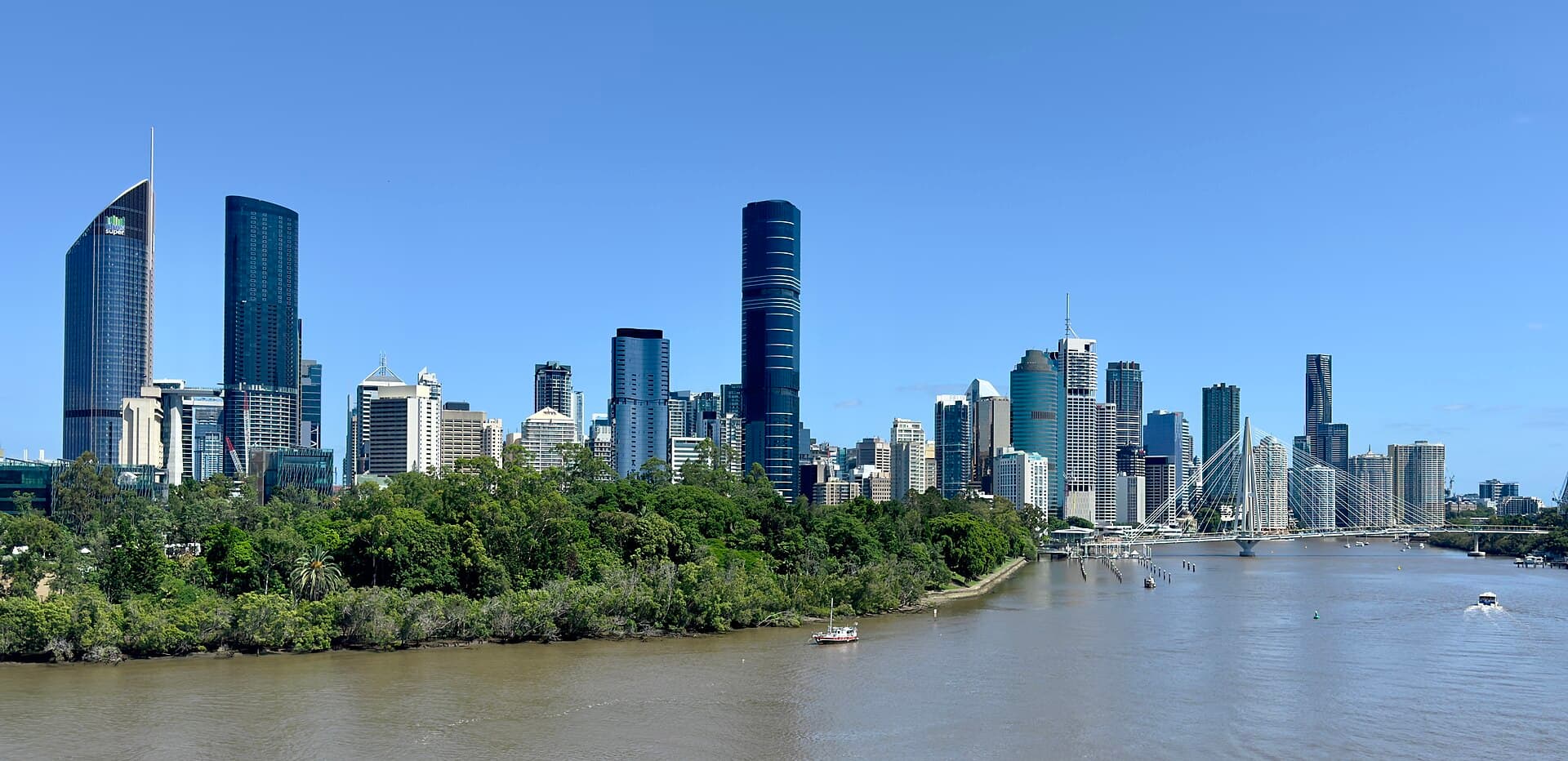 Chris Olszewski / CC BY-SA 4.0, via Wikimedia Commons
Самостоятельная аудиопрогулка по Брисбен — GPS-маршрут, офлайн-воспроизведение, увлекательное повествование на 32 языках.
“Где река изгибается, там разворачиваются истории.”
Не открытки. Истории, которые не знают даже местные жители — шепотом в вашем ухе, прямо там, где они произошли.
Величественная часовая башня Ратуши Брисбена хранит секрет, выходящий за рамки простого отсчета времени.
Эти драматические скалы являются популярным местом для активного отдыха, но само их существование рассказывает историю ранних, суровых начинаний Брисбена.
Прогуливаясь по центральному деловому району Брисбена, вы можете заметить закономерность в названиях улиц, намекающую на королевскую связь.
Откройте для себя каждый секрет Брисбен
Каждый адрес, каждое полное раскрытие — в вашем ухе, прямо там, где это произошло.
Вы выбираете остановки. Вы гуляете. Голос раскрывает то, что упускают другие.


Ваш самостоятельный аудиотур по Брисбен готов — выберите свои достопримечательности, выберите свой язык и начните в момент прибытия.
КупитьВ Lume встроен гид дополненной реальности. Поднимите телефон: камера показывает улицу перед вами, а поверх реального изображения светится стрелка, всегда указывающая на вашу следующую остановку — не нужно разбираться с картой и сворачивать не туда. Как и всё в Lume, это работает полностью офлайн.
Брисбен, столица Квинсленда, часто описывают как «реку с городом, обернутым вокруг нее» — подходящий образ для города, чья идентичность неразрывно связана с извилистой рекой Брисбен. Этот субтропический центр предлагает динамичное сочетание городской утонченности, пышных зеленых зон и непринужденного образа жизни на свежем воздухе. С населением более 2,5 миллионов человек он является третьим по численности населения городом Австралии, однако отличается низкой плотностью населения, что обеспечивает достаточно места для дыхания и исследования.
Известный своим завидным субтропическим климатом и более чем 300 солнечными днями в году, Брисбен способствует активному образу жизни на свежем воздухе. От признанных ресторанов и баров на крышах до процветающих культурных кварталов и крафтовых пивоварен — город предлагает разнообразные впечатления. За пределами городского сердца Брисбен служит воротами к тропическим островам залива Мортон и древним тропическим лесам и горным хребтам внутренних районов, предоставляя спектр приключений для каждого путешественника.
Задолго до европейского заселения долина реки Брисбен была важным культурным, экономическим и церемониальным ландшафтом для народов Туррбал, Ягера и Куандампука, населявших этот регион более 22 000 лет. Народ Туррбал знал эту местность как «Минджин», что означает «место в форме шипа», относящееся к характерному изгибу реки Брисбен, где сейчас находится центральный деловой район.
Европейские исследования начались в 1799 году с открытия залива Мортон Мэтью Флиндерсом. Официальное открытие реки Брисбен произошло шесть месяцев спустя, когда британский главный землемер Джон Оксли, с помощью заключенного, исследовал водный путь. Британский каторжный аванпост был основан в Редклиффе в сентябре 1824 года, но был перенесен в мае 1825 года на берега реки Брисбен, что ознаменовало место современного города. Поселение первоначально называлось «Эденгласси» в честь поместья сэра Фрэнсиса Форбса в Шотландии, но в 1834 году было переименовано в Брисбен в честь тогдашнего губернатора Нового Южного Уэльса Томаса Брисбена.
Каторжное правление закончилось в 1842 году, открыв район для свободных поселенцев. В 1859 году Квинсленд отделился от Нового Южного Уэльса, и Брисбен был объявлен его столицей. Город расширялся экономически и демографически, а в 1925 году был создан единый Город Брисбен, объединивший многочисленные муниципалитеты в единый столичный орган. Эта трансформация сделала Брисбен крупнейшим муниципальным городом Австралии под единой местной властью.
В 20 веке Брисбен пережил промышленные волнения и значительные наводнения. Во время Второй мировой войны Брисбен сыграл решающую роль, став самым загруженным портом подводных лодок в мире и выполняя функции штаба командования союзных сил Юго-Западной части Тихого океана, принимая около 80 000 американских солдат. Крупные события, такие как Игры Содружества 1982 года и Всемирная выставка 1988 года, еще больше вывели город на мировую арену, что привело к значительному развитию инфраструктуры. В 2021 году Брисбен был выбран для проведения летних Олимпийских и Паралимпийских игр 2032 года, что ознаменовало новую главу в его истории.
Брисбен предлагает ряд впечатлений, сочетая очарование речного города с культурными и природными достопримечательностями. Исследуйте оживленный центр города, Центральный деловой район (CBD), где небоскребы соседствуют с историческими зданиями, такими как Ратуша, которая предлагает бесплатные экскурсии на свою знаменитую Часовую башню. Прогуляйтесь по пешеходной улице Queen Street Mall для покупок и обедов или посетите Городской ботанический сад — исторический зеленый оазис с разнообразными коллекциями растений. От Ботанического сада вы можете выйти на Brisbane Riverwalk — живописную дорожку, вьющуюся вдоль берега реки, откуда открывается вид на городской пейзаж и мост Стори Бридж.
Парки Саут-Бэнк, расположенные на южных берегах реки Брисбен, являются популярным местом для отдыха и развлечений, с пышными газонами, садами и уникальным пляжем Стритс Бич — искусственным городским пляжем. Для панорамных видов на город отправляйтесь на смотровую площадку Маунт-Кут-Тха, особенно на восходе или закате. Скалы Кангару-Пойнт, образованные из вулканических пород, являются отличительной достопримечательностью, предлагающей возможности для скалолазания и спуска на веревке, а также отличные места для пикника с видами на город. Для уникального культурного понимания рассмотрите тур BlackCard Cultural Tour с гидами-аборигенами, чтобы прикоснуться к старейшей живой культуре мира.
Брисбен имеет субтропический климат, что делает его приятным местом для посещения круглый год. Для комфортной температуры, низкой влажности и меньшего количества туристов идеально подходят переходные сезоны — осень (март-май) и весна (сентябрь-ноябрь). В это время температура колеблется от умеренной до теплой, идеально подходящей для активного отдыха. Зима (июнь-август) также является популярным временем, предлагая мягкую, сухую погоду и ясное небо, с температурой редко опускающейся ниже 11°C (51°F). Этот период также является лучшим временем для наблюдения за китами у залива Мортон. Лето (декабрь-февраль) жаркое, влажное и склонное к послеполуденным грозам, но может предложить выгодные тарифы и пик серфинга.
Передвигаться по Брисбену удобно благодаря развитой системе общественного транспорта: автобусы, поезда и паромы. Паром CityHopper, курсирующий по реке Брисбен, бесплатен для поездок по городу и предлагает живописный способ передвижения. Для другого общественного транспорта рассмотрите карту Go Card, чтобы сэкономить более 30% на тарифах. Такси и службы такси, такие как Uber, доступны, хотя и могут быть дорогими. Брисбен также является городом, дружелюбным к велосипедистам, с обширными велосипедными дорожками.
Варианты размещения разнообразны, центральные районы, такие как Саут-Бэнк, CBD, Саут-Брисбен и Фортитуд-Вэлли, рекомендуются из-за близости к достопримечательностям. Электрический ток в Брисбене составляет 220–240 В, переменный ток 50 Гц, с трехконтактной розеткой, поэтому может потребоваться адаптер. Чаевые в Австралии не являются обычным явлением, но местные жители могут оставить до 10% за хорошее обслуживание. Брисбен круглый год следует восточному стандартному времени и не переходит на летнее время.
Брисбен: корейский, китайский, иврит и ещё 29 языков — каждую остановку озвучивает носитель языка. Самый широкий выбор языков среди аудиоэкскурсий без гида.
Доступные языки: