Der Leuchtturm von Brive (Phare de Brive)
In einer Stadt weit weg vom Meer fragt man sich vielleicht, warum ein Leuchtturm prominent in Brive-la-Gaillarde steht.
Die ganze Geschichte wird in der Tour freigeschaltet
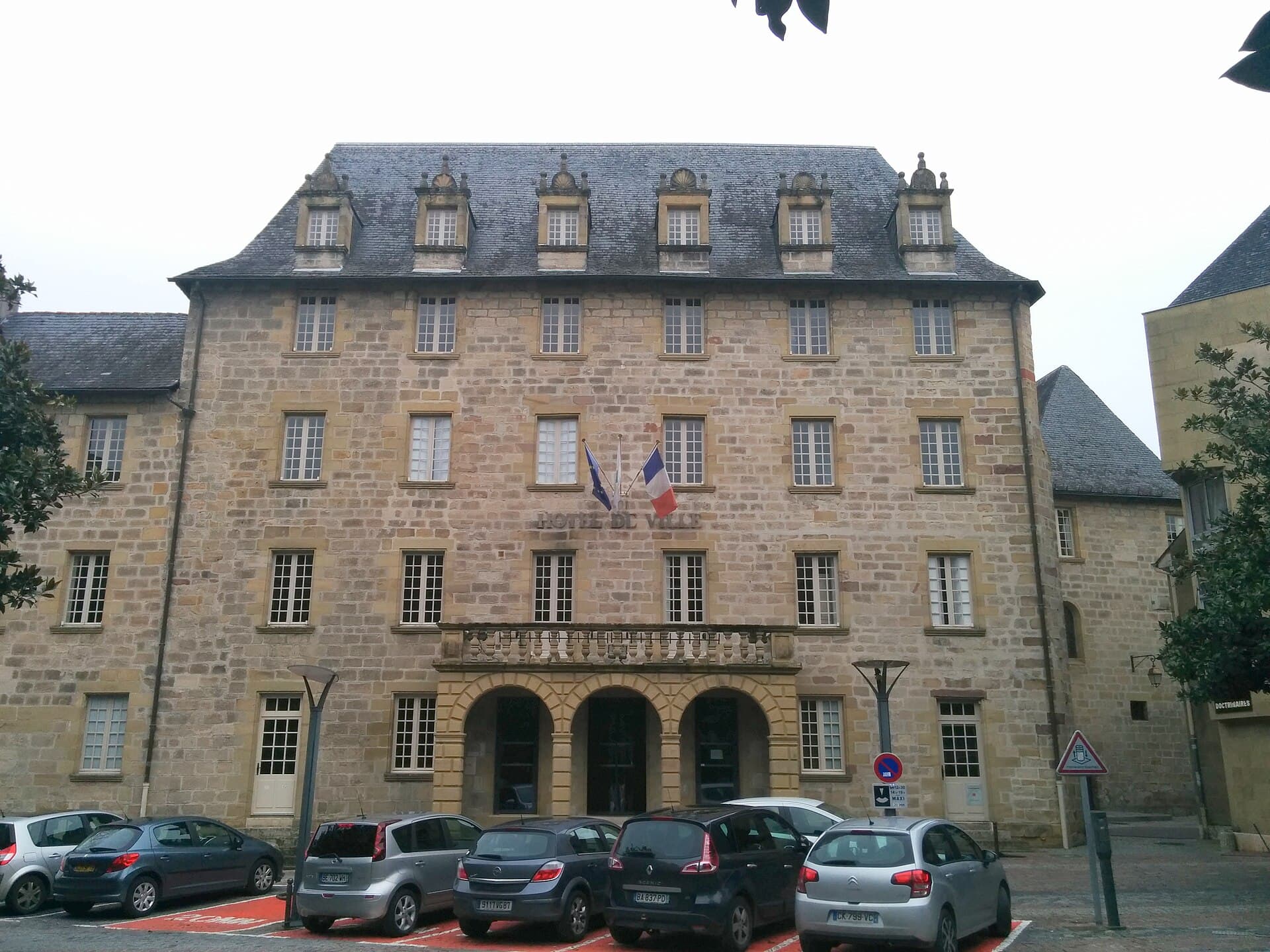 Remiltelandroid / CC BY 3.0, via Wikimedia Commons
Selbstgeführte Audio-Walking-Tour durch Brive-la-Gaillarde — GPS-Route, Offline-Wiedergabe, erzählerische Narration in 32 Sprachen.
“Wo alte Brücken auf belebte Märkte und einen trotzigen Geist treffen.”
Nicht die Postkarten. Die Geschichten, die selbst Einheimische nicht kennen – dir ins Ohr geflüstert, genau dort, wo sie geschahen.
In einer Stadt weit weg vom Meer fragt man sich vielleicht, warum ein Leuchtturm prominent in Brive-la-Gaillarde steht.
Unter den romanischen Bögen der Hauptkirche von Brive verbirgt sich eine weitaus ältere und mysteriösere Geschichte, als ihre heutige Fassade vermuten lässt.
Der lebhafte Markt von Brive ist mehr als nur ein Ort, um lokale Produkte zu kaufen; er ist eine Institution, die sogar in Liedern gefeiert wird.
Entdecke jedes Geheimnis von Brive-la-Gaillarde
Jede Adresse, jede Enthüllung vollständig – in deinem Ohr, genau dort, wo es geschah.
Du wählst deine Stationen. Du gehst. Die Stimme enthüllt, was andere übersehen.

Deine selbstgeführte Audio-Tour durch Brive-la-Gaillarde ist bereit – wähle deine Sehenswürdigkeiten, deine Sprache und starte, sobald du ankommst.
KaufenLume enthält einen integrierten Augmented-Reality-Guide. Halten Sie Ihr Handy hoch: Die Kamera zeigt die Straße vor Ihnen, mit einem leuchtenden Pfeil über dem echten Bild, der immer auf Ihren nächsten Stopp zeigt — keine Karte zum Rätseln, keine falschen Abzweigungen. Wie alles bei Lume funktioniert es komplett offline.
Brive-la-Gaillarde, oft einfach Brive genannt, ist eine Stadt im Département Corrèze in Frankreich, gelegen in der Region Nouvelle-Aquitaine. Mit rund 47.000 Einwohnern ist sie ein zentraler Punkt zwischen dem Dordogne-Tal und dem Zentralmassiv. Die Stadt zeichnet sich durch ihre charakteristischen beigefarbenen Sandsteingebäude aus, die im Sonnenlicht einen goldenen Schimmer erhalten, und ein historisches Zentrum, das zur Erkundung zu Fuß einlädt. Brive bietet eine Mischung aus kultureller Tiefe, gastronomischen Genüssen und architektonischer Schönheit, was es zu einem einladenden Reiseziel für Reisende macht.
Der Name der Stadt, 'Briva', leitet sich von einem keltischen Wort ab, das 'Brücke' oder 'Furt' bedeutet, was auf ihre historische Bedeutung als Übergangspunkt über den Fluss Corrèze hinweist. Die Ergänzung 'la-Gaillarde' im Jahr 1919 bedeutet 'die Tapfere' oder 'die Starke', ein Zeugnis für die Widerstandsfähigkeit der Stadt im Laufe ihrer Geschichte. Von ihren antiken gallo-römischen Ursprüngen bis zu ihrer Rolle als regionale Hauptstadt des französischen Widerstands während des Zweiten Weltkriegs hat Brive-la-Gaillarde eine einzigartige Identität bewahrt.
Heute ist Brive ein geschäftiges Zentrum, das für seine außergewöhnliche kulinarische Szene, seine lebhaften Märkte und seinen starken Gemeinschaftssinn bekannt ist. Es ist ein Ort, an dem man in die lokale Kultur eintauchen, regionale Köstlichkeiten genießen und ein tiefes, jahrhundertealtes Erbe entdecken kann.
Die Geschichte von Brive-la-Gaillarde reicht bis in die Antike zurück, ihre Ursprünge sind mit einer gallo-römischen Siedlung verbunden. Der Name 'Briva' selbst ist keltisch und bedeutet 'Brücke', was auf ihre frühe Bedeutung als strategischer Übergangspunkt über den Fluss Corrèze an der römischen Straße von Lyon nach Bordeaux hinweist. Die römische Präsenz markierte den Beginn der Urbanisierung in der Region.
Im Mittelalter gedieh Brive als Handelszentrum und profitierte von seiner vorteilhaften geografischen Lage. Die Stadt entwickelte sich rund um ihre landwirtschaftlichen Messen und zog Händler und Handwerker aus ganz Europa an. Auch religiöse Bauwerke entstanden, mit einer Basilika, die im 5. Jahrhundert um das Grab des Heiligen Martin des Spaniers errichtet wurde. Diese frühe Kirche wurde später im 11. Jahrhundert durch die Kollegiatkirche Saint-Martin ersetzt, die zu einem bedeutenden Wallfahrtsort wurde.
Das 14. Jahrhundert brachte den turbulenten Hundertjährigen Krieg, während dessen Brive-la-Gaillarde zu einem Symbol des französischen Widerstands wurde und englischen Angriffen tapfer standhielt. Diese herausfordernde Zeit prägte den zähen Charakter der Stadt. Zwei Verteidigungsmauern wurden um das Stadtzentrum errichtet, was ihren 'gaillard' (befestigten) Ruf weiter festigte. Im 16. Jahrhundert blieb die Stadt während der Religionskriege dem Katholizismus treu, eine Loyalität, die mit dem Bau eines Gerichtsgebäudes belohnt wurde. Das 18. Jahrhundert markierte einen wirtschaftlichen Aufschwung, belegt durch die Zunahme von Privathäusern entlang der Boulevards und den Bau einer neuen Brücke, während die alten Stadtmauern abgerissen und Sümpfe trockengelegt wurden.
Im 19. Jahrhundert entwickelte sich Brive zu einem bedeutenden Industriestandort, insbesondere mit der Gründung einer Baumwollspinnerei im Jahr 1832, die sie zum wichtigsten Industriestandort der Region machte. Der offizielle Name der Stadt wurde 1919 zu Brive-la-Gaillarde erweitert, was ihre Stärke und Widerstandsfähigkeit würdigt. Eines der bemerkenswertesten Kapitel in der Geschichte von Brive ist zweifellos ihre Rolle während des Zweiten Weltkriegs. Brive-la-Gaillarde war eine regionale Hauptstadt der Résistance und beherbergte mehrere geheime Informationsnetzwerke und Widerstandsbewegungen. Sie trägt stolz die Auszeichnung, die erste Stadt im besetzten Frankreich gewesen zu sein, die sich am 15. August 1944 aus eigener Kraft befreite, und erhielt dafür die Militärauszeichnung 'Croix de guerre 1939–1945'. Dieser Geist der Unabhängigkeit und Stärke prägt Brive-la-Gaillarde bis heute.
Beginnen Sie Ihre Erkundung im historischen Zentrum, wo sich enge Gassen um die Kollegiatkirche Saint-Martin schlängeln. Diese romanische Kirche aus dem 12. Jahrhundert verfügt über einen neoromanischen Glockenturm und ist ein denkmalgeschütztes Bauwerk. In der Nähe bietet das Labenche Museum, untergebracht in einem Renaissance-Herrenhaus aus dem 16. Jahrhundert, mit seinen umfangreichen Sammlungen, darunter englische Wandteppiche aus dem 17. Jahrhundert und ein Klavier von Claude Debussy, eine Reise durch die lokale Geschichte.
Verpassen Sie nicht den markanten Leuchtturm von Brive, einen Wasserturm aus dem 19. Jahrhundert, der heute das Tourismusbüro beherbergt und von seiner Spitze einen weiten Blick über die Stadt bietet. Die Märkte der Stadt sind ein besonderes Highlight; die Halle Georges Brassens, dienstags, donnerstags und samstags geöffnet, ist ein lebhaftes Zentrum für lokale Produkte und regionale Spezialitäten. Für ein einzigartiges kulinarisches Erlebnis besuchen Sie die Denoix-Brennerei, ein Familienunternehmen in vierter Generation, das 1839 gegründet wurde und für seine traditionellen Walnuss- und Kräuterliköre bekannt ist und Führungen und Verkostungen anbietet. Das Museum des Widerstands und der Deportation bietet auch einen bewegenden Einblick in die Kriegsgeschichte von Brive und seinen berühmten Sohn Edmond Michelet.
Außerhalb des Stadtzentrums sollten Sie die Grotten von Saint-Antoine besuchen, einen Ort der Eremitage und Wallfahrt mit einer schönen Aussicht über Brive. Für ein wirklich ungewöhnliches Erlebnis gibt es in Brive-la-Gaillarde sogar ein Museum für Fundstücke, das sich in einem ehemaligen Fundbüro der SNCF befindet und Hunderte von vergessenen Gegenständen ausstellt.
Die ideale Zeit für einen Besuch in Brive-la-Gaillarde für Aktivitäten bei warmem Wetter ist von Mitte Juni bis Mitte September. In diesen Monaten ist das Wetter im Allgemeinen warm und angenehm, mit durchschnittlichen Höchsttemperaturen im Juli von 29 °C und geringeren Niederschlägen. Mai, Juni und September bieten ebenfalls angenehme durchschnittliche Tagestemperaturen. Während die Sommer warm sind, sind sie normalerweise nicht glühend heiß, und die Winter sind mild mit seltenen strengen Frösten. Der Niederschlag verteilt sich ziemlich gleichmäßig über das ganze Jahr, daher ist das Mitführen eines Regenschirms oder einer leichten Regenjacke unabhängig von der Jahreszeit ratsam.
Brive-la-Gaillarde ist mit dem Auto über die Autobahnen A20 (von Paris oder Toulouse) und A89 (von Bordeaux oder Clermont-Ferrand) gut erreichbar. Der Flughafen Brive–Souillac (BVE) bietet Verbindungen, einschließlich einiger internationaler Flüge. Der Bahnhof der Stadt bietet Verbindungen zu wichtigen Städten wie Limoges, Périgueux, Bordeaux, Toulouse und Paris.
Innerhalb der Stadt lässt sich das historische Zentrum am besten zu Fuß erkunden. Für weitere Fahrten ist das lokale Busnetz Libéo effizient und erschwinglich. Wenn Sie die umliegende Dordogne-Region erkunden möchten, wird ein Mietwagen für Flexibilität dringend empfohlen. Die lokale Währung ist der Euro (€), und obwohl Kreditkarten weit verbreitet sind, ist es nützlich, Bargeld für Einkäufe auf dem Markt und in kleineren Geschäften mitzuführen. Brive ist eine sichere Stadt mit niedriger Kriminalitätsrate. Das Tourismusbüro im Leuchtturm von Brive bietet Karten, persönliche Beratung und Informationen zu lokalen Veranstaltungen und geführten Touren.
Brive-la-Gaillarde — Koreanisch, Chinesisch, Hebräisch und 29 weitere Sprachen, jede Station von einer muttersprachlichen Stimme erzählt. Die größte Sprachauswahl aller selbstgeführten Audiotouren.
Verfügbar auf: