Burgplatz
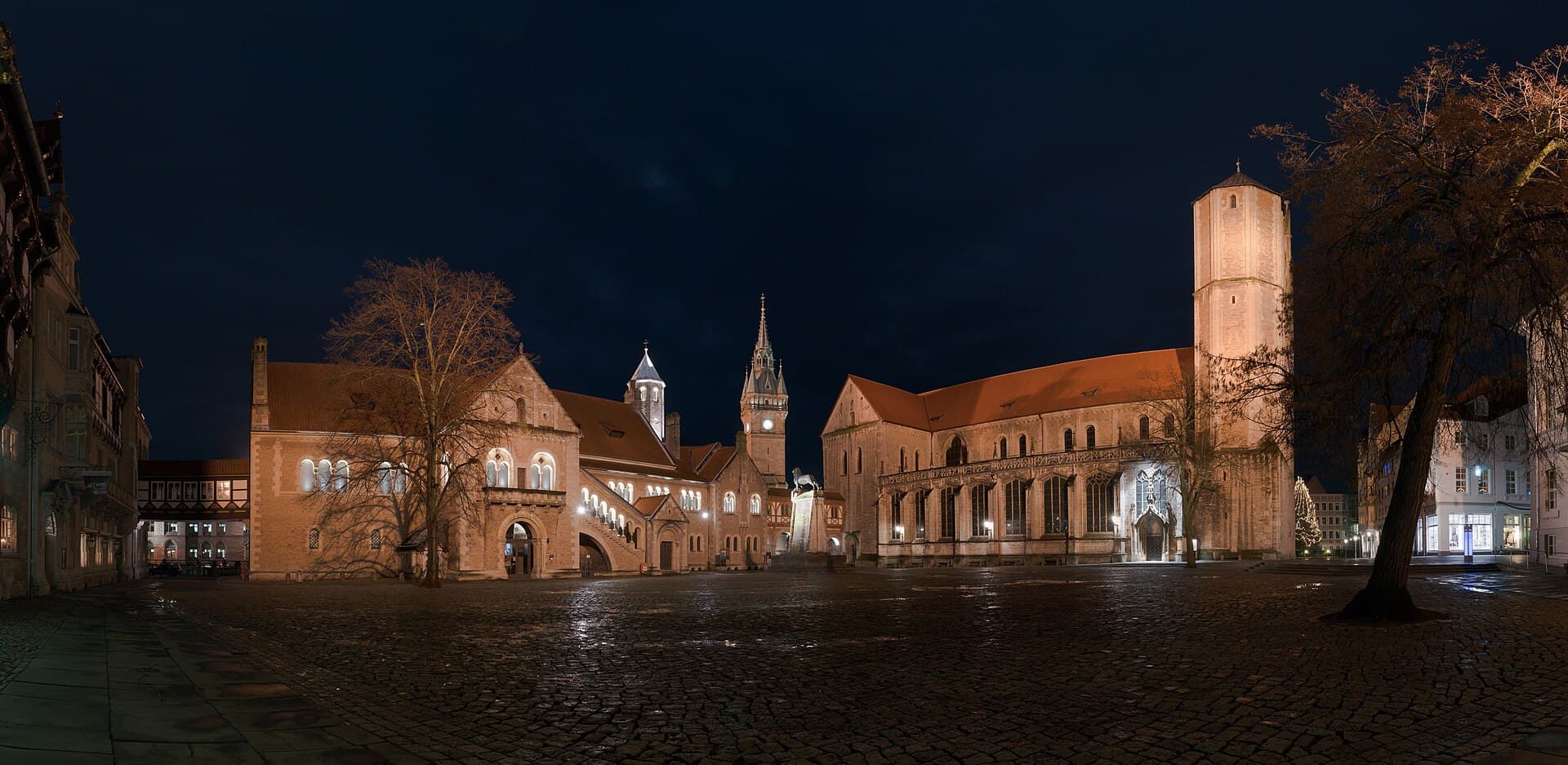
Культовый Брауншвейгский лев на Бургплац — не оригинал.
Полная история открывается в туре
 PtrQs / CC BY-SA 4.0, via Wikimedia Commons
Самостоятельная аудиопрогулка по Брауншвейг — GPS-маршрут, офлайн-воспроизведение, увлекательное повествование на 32 языках.
“Где средневековая мощь встречается с современной причудливостью.”
Не открытки. Истории, которые не знают даже местные жители — шепотом в вашем ухе, прямо там, где они произошли.
Культовый Брауншвейгский лев на Бургплац — не оригинал.
Это мультяшное здание вызвало немалый ажиотаж, когда было впервые предложено.
Брауншвейг скромно претендует на самую старую датированную надпись на фахверковом доме в Германии.
Откройте для себя каждый секрет Брауншвейг
Каждый адрес, каждое полное раскрытие — в вашем ухе, прямо там, где это произошло.
Вы выбираете остановки. Вы гуляете. Голос раскрывает то, что упускают другие.


Ваш самостоятельный аудиотур по Брауншвейг готов — выберите свои достопримечательности, выберите свой язык и начните в момент прибытия.
КупитьВ Lume встроен гид дополненной реальности. Поднимите телефон: камера показывает улицу перед вами, а поверх реального изображения светится стрелка, всегда указывающая на вашу следующую остановку — не нужно разбираться с картой и сворачивать не туда. Как и всё в Lume, это работает полностью офлайн.
Брауншвейг, или как его называют местные жители, Брауншвейг, — город в Нижней Саксонии, Германия, который органично сочетает средневековое прошлое с динамичным современным духом. Расположенный к северу от гор Гарц на реке Окер, город имеет историю, уходящую корнями по крайней мере в 1031 год. Когда-то могущественный торговый центр и видный член Ганзейского союза, Брауншвейг процветал под влиянием таких фигур, как Генрих Лев, чье наследие до сих пор глубоко вплетено в ткань города.
Несмотря на значительные разрушения во время Второй мировой войны, Брауншвейг был тщательно восстановлен, сохранив свою историческую сущность и одновременно приняв современную архитектуру и процветающее научное сообщество. Сегодня он является крупным центром научных исследований и разработок, получив с 2007 года титул «Город науки». Посетители обнаружат удобный для пеших прогулок город с зелеными зонами, оживленной сценой искусства и культуры, а также уникальное сочетание исторических памятников и удивительных современных достопримечательностей.
Происхождение Брауншвейга часто приписывают Бруно, сыну герцога Людольфа Саксонского, около 861 года, хотя его значительное развитие началось позже. Настоящий расцвет города начался в XII веке, когда Генрих Лев, герцог Саксонии и Баварии, сделал Брауншвейг своей герцогской резиденцией в 1142 году. Он превратил его в могущественный торговый центр, заказав строительство замка Данквардероде как своего дворца и инициировав строительство романского собора Святого Блазиуса. Его самым долговечным символом является Брауншвейгский лев, бронзовая статуя, воздвигнутая в 1166 году, которая служила мощным заявлением о его власти.
В XIII веке Брауншвейг стал ведущим членом Ганзейского союза, мощной средневековой торговой конфедерации. Эта ассоциация принесла огромные богатства и влияние, сделав его одним из важнейших экономических и политических центров Северной Европы. Стратегическое расположение города на реке Окер, судоходной до Северного моря через Аллер и Везу, еще больше укрепило его торговую мощь. К 1600 году Брауншвейг был седьмым по величине городом Германии.
На протяжении позднего Средневековья и раннего Нового времени Брауншвейг в значительной степени управлялся своим патрицианским классом и гильдиями, несмотря на то, что формально был резиденцией герцогства Брауншвейг-Люнебург. Позже он стал столицей герцогства Брауншвейг, государства в составе Германского союза, а затем Германской империи, до его роспуска в 1918 году. Город претерпел значительные разрушения во время Второй мировой войны, особенно во время бомбардировки в октябре 1944 года, которая уничтожила около 80% его исторического центра. После войны Брауншвейг подвергся обширному восстановлению, тщательно отреставрировав свои исторические памятники и интегрировав современную инфраструктуру. Сегодня он признан крупным центром научных исследований и разработок, продолжая свое наследие инноваций.
Начните свое исследование с Бургплац (Замковая площадь), исторического сердца Брауншвейга. Там вы найдете культовую статую Брауншвейгского льва, копию оригинала XII века, которая гордо стоит перед замком Данквардероде. Замок, перестроенный между 1887 и 1906 годами, теперь является домом для средневековой коллекции Музея герцога Антона Ульриха, включая оригинального Брауншвейгского льва. Рядом с замком находится Брауншвейгский собор Святого Блазиуса, романская базилика, построенная по инициативе Генриха Льва, где находится его гробница и средневековое искусство.
Пройдитесь до Альтштадтмаркт (Рыночная площадь Старого города), площади, окруженной историческими зданиями, такими как готическая Старая ратуша и церковь Святого Мартина. Не пропустите Магнифиртель, один из старейших районов Брауншвейга, характеризующийся очаровательными фахверковыми домами, небольшими кафе и бутиками. Ярким контрастом к историческому окружению является Happy Rizzi House, красочный офисный комплекс в стиле поп-арт, спроектированный американским художником Джеймсом Рицци, с его оживленным фасадом, покрытым мультяшными рисунками. Для панорамного вида на город поднимитесь по 161 ступеньке башни Брауншвейгской ратуши.
Лучшее время для посещения Брауншвейга для приятной погоды и активного отдыха — с середины мая до середины сентября. В эти месяцы температура колеблется от умеренной до приятно теплой, в среднем от 19 до 24°C в июле и августе. Хотя возможны кратковременные дожди, они обычно непродолжительны, что идеально подходит для изучения исторических мест и парков города. Весна (март-май) и осень (сентябрь-ноябрь) предлагают более прохладные температуры, в среднем 43–58°F и 54–60°F соответственно, с умеренными осадками. Зима (декабрь-февраль) холодная, со средней температурой около 39–42°F, и предлагает возможность посетить традиционные немецкие рождественские ярмарки.
Брауншвейг хорошо связан и легко доступен. Самый практичный способ добраться до города из других немецких городов — на поезде, а Braunschweig Hauptbahnhof (главный вокзал) расположен к юго-востоку от центра города. В черте города местные жители часто пользуются велосипедами, автобусами и региональными поездами, поскольку городская территория плотная и удобная для пеших прогулок. Общественный транспорт, включая трамваи и автобусы, обеспечивает легкий доступ к основным достопримечательностям. Для тех, кто путешествует на машине, имеются парковочные места, в том числе большой гараж в торговом центре Schloss-Arkaden, центральном месте в центре Брауншвейга.
Используемая валюта — евро (EUR). Исследуя город, рассмотрите возможность присоединиться к местному клубу или общественной группе, чтобы познакомиться с жителями и попрактиковаться в немецком языке. Город также предлагает оживленную культурную жизнь с различными мероприятиями и выставками, а студенты могут воспользоваться культурным билетом, включенным в их семестровую плату, который предоставляет бесплатный доступ в Государственный театр и другие площадки.
Брауншвейг: корейский, китайский, иврит и ещё 29 языков — каждую остановку озвучивает носитель языка. Самый широкий выбор языков среди аудиоэкскурсий без гида.
Доступные языки: