Parque del Agua
Über seine Brunnen und Farnengärten hinaus birgt dieser Ökopark eine überraschende Verbindung zur alten kolumbianischen Kultur.
Die ganze Geschichte wird in der Tour freigeschaltet
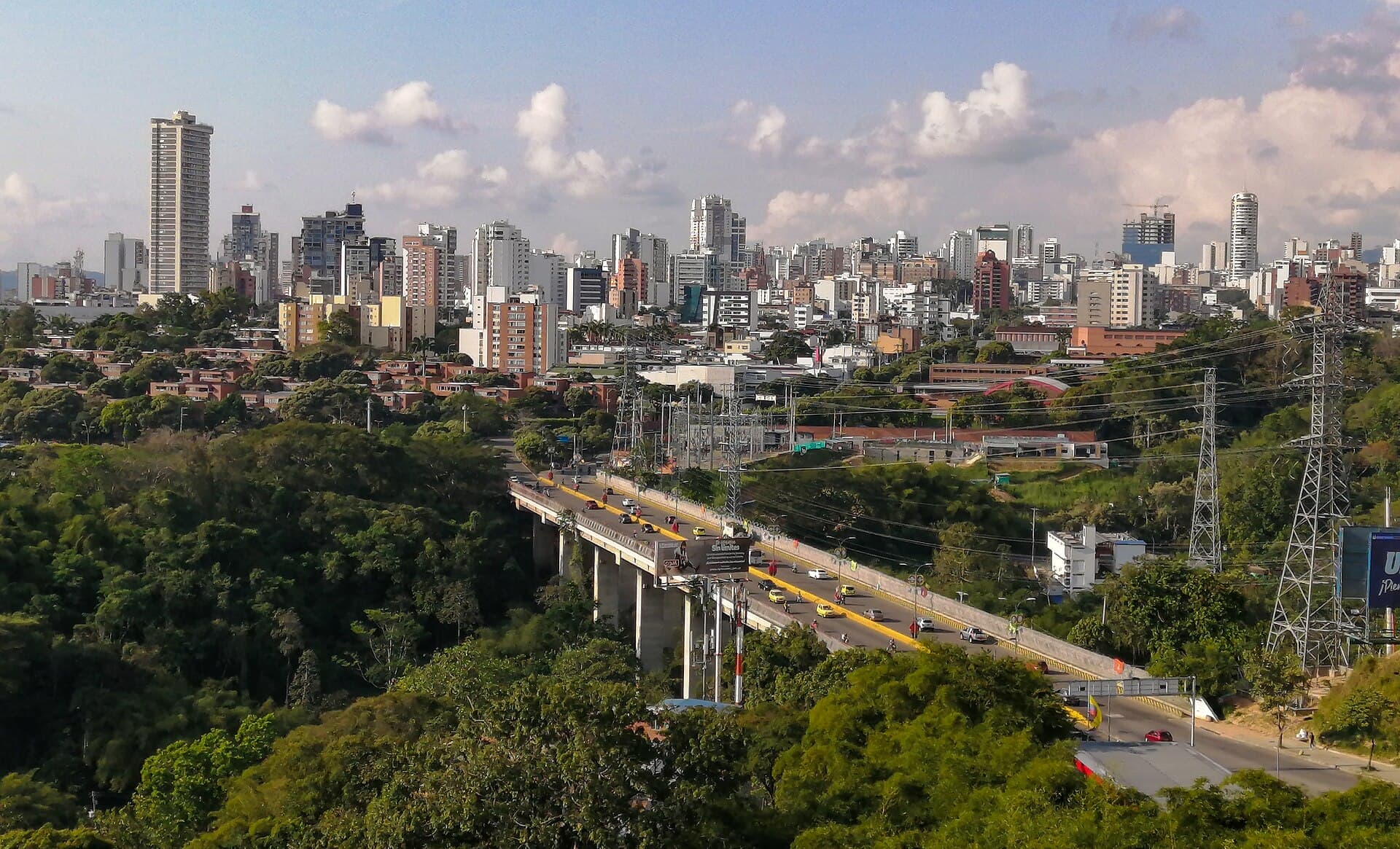 EEIM / CC BY-SA 4.0, via Wikimedia Commons
Selbstgeführte Audio-Walking-Tour durch Bucaramanga — GPS-Route, Offline-Wiedergabe, erzählerische Narration in 32 Sprachen.
“Bucaramanga: Wo urbane Grünflächen auf Anden-Abenteuer treffen.”
Nicht die Postkarten. Die Geschichten, die selbst Einheimische nicht kennen – dir ins Ohr geflüstert, genau dort, wo sie geschahen.
Über seine Brunnen und Farnengärten hinaus birgt dieser Ökopark eine überraschende Verbindung zur alten kolumbianischen Kultur.
Die Fußballmannschaft der Stadt, Atlético Bucaramanga, ist unter einem wilden Spitznamen bekannt, aber es geht nicht nur um ihre Leistung auf dem Spielfeld.
Im späten 19. Jahrhundert sorgte ein eigenartiges Ereignis namens 'La Culebra Pico de Oro' (Die Gold-Schnabel-Schlange) für angespannte Stimmung in Bucaramanga.
Entdecke jedes Geheimnis von Bucaramanga
Jede Adresse, jede Enthüllung vollständig – in deinem Ohr, genau dort, wo es geschah.
Du wählst deine Stationen. Du gehst. Die Stimme enthüllt, was andere übersehen.

Deine selbstgeführte Audio-Tour durch Bucaramanga ist bereit – wähle deine Sehenswürdigkeiten, deine Sprache und starte, sobald du ankommst.
KaufenLume enthält einen integrierten Augmented-Reality-Guide. Halten Sie Ihr Handy hoch: Die Kamera zeigt die Straße vor Ihnen, mit einem leuchtenden Pfeil über dem echten Bild, der immer auf Ihren nächsten Stopp zeigt — keine Karte zum Rätseln, keine falschen Abzweigungen. Wie alles bei Lume funktioniert es komplett offline.
Bucaramanga, die Hauptstadt des Departements Santander in Kolumbien, wird aufgrund seiner mehr als 160 Parks und zahlreichen Grünflächen oft 'La Ciudad de Los Parques' (Die Stadt der Parks) und 'La Ciudad Bonita' (Die Schöne Stadt) genannt. Die Stadt liegt an den nordöstlichen Hängen der östlichen Andenkordillere in einer Höhe von 950 Metern und genießt ein tropisches Klima mit ganzjährig gleichbleibend milden Temperaturen, die im Durchschnitt etwa 22 Grad Celsius betragen.
Diese moderne Stadt mit über 613.400 Einwohnern (Prognose 2023) weist eine der niedrigsten Arbeitslosenquoten Kolumbiens auf und verfügt über die fünftgrößte Volkswirtschaft des Landes nach BIP. Bucaramanga dient als Tor zu den dramatischen Landschaften der östlichen kolumbianischen Anden, einschließlich des Chicamocha-Canyons und reizvoller Kolonialstädte wie Barichara und Girón.
Die Ursprünge Bucaramangas reichen bis zu einer indigenen Siedlung zurück, wobei die wirtschaftliche Aktivität zunächst auf den Goldabbau aus alluvialen Ablagerungen, insbesondere in der Nähe der Schlucht La Rosita, konzentriert war. Der spanische Priester Miguel de Trujillo und Hauptmann Andrés Páez de Sotomayor gründeten am 22. Dezember 1622 offiziell eine kleine Siedlung, hauptsächlich zur Evangelisierung des lokalen Guane-Volkes. Viele Jahrzehnte lang blieb Bucaramanga eine sekundäre Siedlung im Vergleich zur nahegelegenen Kolonialstadt Girón.
Bis 1779 entwickelte sich Bucaramanga von einer indigenen Stadt zu einer Pfarrei, bekannt als Pfarrei Unserer Lieben Frau von Chiquinquira und San Laureano de la Real de Minas de Bucaramanga. Mitte des 19. Jahrhunderts kam es zu einem bedeutenden Wandel mit der Ankunft deutscher Kaufleute und Abenteurer, insbesondere Geo von Lengerke. Dieser Zustrom veränderte die Wirtschaft der Stadt grundlegend: vom lokalen Goldbergbau hin zum internationalen Handel, insbesondere dem Export von Kaffee und Chinin, wodurch Bucaramanga in die Weltwirtschaft integriert wurde. 1886 löste Bucaramanga Socorro als Hauptstadt des Departements ab und festigte seine Rolle als führendes Zentrum der Region.
Die Stadt erlebte in der ersten Hälfte des 20. Jahrhunderts ein bescheidenes Wachstum, teilweise aufgrund der Verwüstungen des Bürgerkriegs von 1899–1902, bekannt als Tausend-Tage-Krieg. Seit den 1960er Jahren ist Bucaramanga jedoch schnell gewachsen und hat sich auf benachbarte Gemeinden wie Floridablanca, Girón und Piedecuesta ausgedehnt, die heute mit über 1,3 Millionen Einwohnern die Metropolregion Bucaramanga bilden. Heute ist Bucaramanga für seine wirtschaftliche Wettbewerbsfähigkeit bekannt, mit einem Schwerpunkt auf Dienstleistungen und spezialisierten Industrien, einschließlich biomedizinischer Dienstleistungen, und seiner Rolle als Basis für das kolumbianische Petroleum Institute (ICP).
Bucaramanga bietet eine Mischung aus urbanem Reiz und natürlicher Pracht. Erkunden Sie die vielen Grünflächen der Stadt, wie den Parque García Rovira, einen zentralen Park, und den Parque San Pío, der eine Bronzeskulptur von Fernando Botero beherbergt. Der Parque del Agua ist ein Ökopark mit Wasserspielen, Farnengärten und Wegen, der besonders im Dezember mit Weihnachtsbeleuchtung bezaubert. Für einen tieferen Einblick in die Geschichte besuchen Sie die Casa de Bolívar, ein Kolonialhaus, das einst Simón Bolívar beherbergte und heute ein Museum mit präkolumbianischen, kolonialen und republikanischen Artefakten, einschließlich der des indigenen Guane-Stammes, beherbergt.
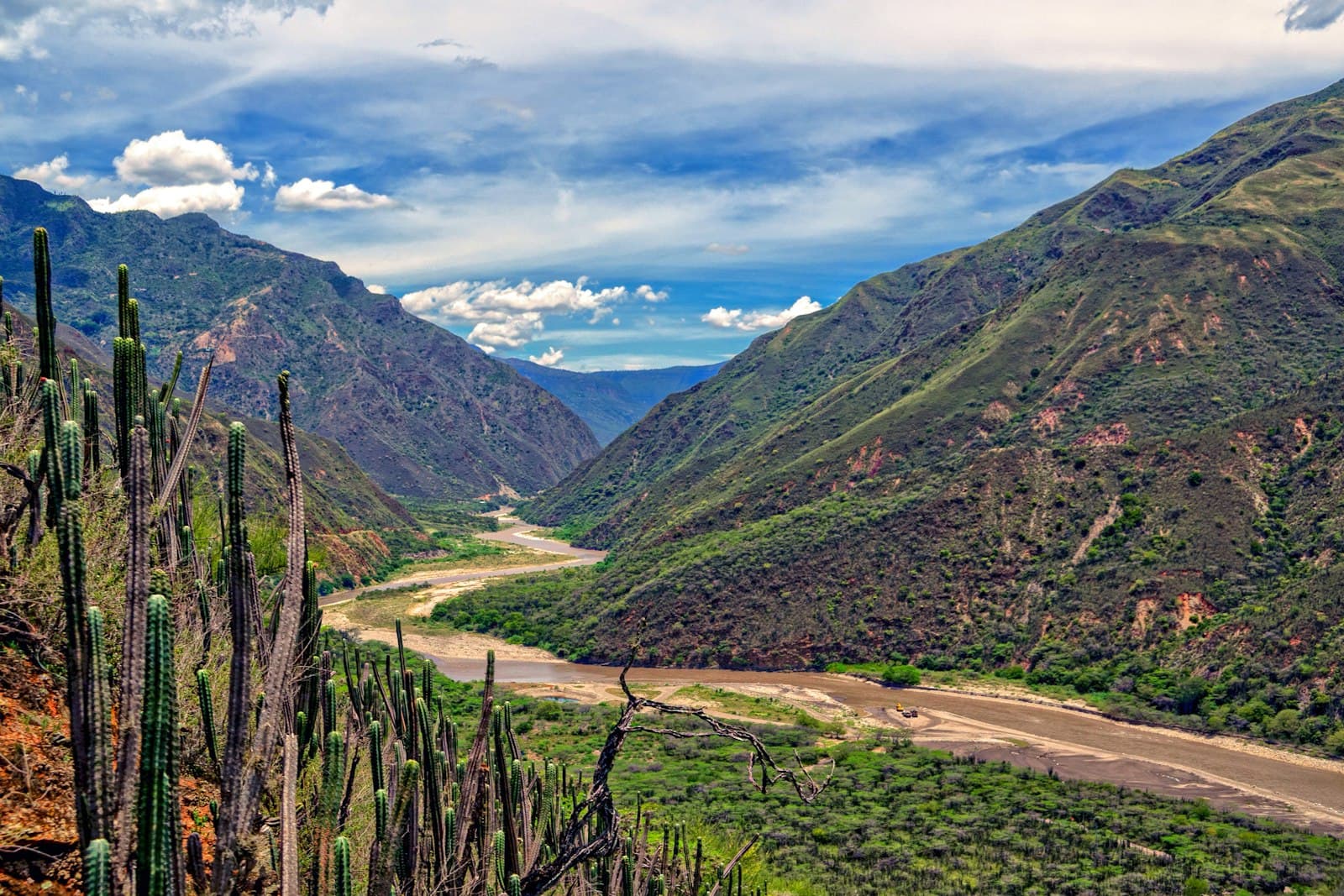
Außerhalb der Stadtgrenzen ist der Chicamocha-Canyon ein herausragendes Naturwunder, das weite Ausblicke und Aktivitäten wie Paragliding bietet. Der Parque Nacional del Chicamocha (PANACHI) bietet eine Seilbahnfahrt über den Canyon. Erwägen Sie Tagesausflüge in nahegelegene Kolonialstädte wie Girón, bekannt für seine weiße Kolonialarchitektur, und Barichara, das oft als eine der schönsten Städte Kolumbiens gilt. Für Adrenalinjunkies ist San Gil als Hauptstadt der Abenteuersportarten Kolumbiens bekannt und bietet Wildwasser-Rafting, Höhlenforschung und Bungee-Jumping.
Bucaramanga genießt das ganze Jahr über ein konstant warmes, tropisches Klima mit Durchschnittstemperaturen zwischen 20 und 27 °C, was es zu jeder Zeit zu einem geeigneten Reiseziel macht. Die trockenere Jahreszeit von Dezember bis Februar und wieder von Mitte Juni bis Ende August wird jedoch aufgrund geringerer Niederschläge und klarerer Himmel oft für Outdoor-Aktivitäten empfohlen. Januar ist typischerweise der trockenste Monat. Die Kaffeeerntezeit im Oktober und November bietet Gelegenheiten, Kaffeeplantagen zu besuchen und die lokale Produktion zu erleben.
Der Flughafen Palonegro (BGA) liegt etwa 7 Kilometer vom Stadtzentrum entfernt. Taxis und Fahrdienst-Apps wie Uber, Didi und InDriver stehen für den Transport in die Stadt zur Verfügung, wobei Fahrdienste möglicherweise erfordern, zu einem ausgewiesenen Parkplatz außerhalb des Ankunftsbereichs zu gehen. Der öffentliche Nahverkehr in Bucaramanga besteht hauptsächlich aus einem erschwinglichen und umfangreichen Bussystem namens Metrolinea. Die Stadt gilt auch als gut zu Fuß erkundbar, insbesondere in Vierteln wie Cabecera und Prado. Obwohl Bucaramanga im Allgemeinen als sicher gilt, insbesondere in Touristen- und Expat-Gebieten, ist es immer ratsam, die üblichen Sicherheitsvorkehrungen zu treffen, wie z. B. auf die Umgebung zu achten und es zu vermeiden, nachts allein in weniger belebten Gegenden spazieren zu gehen. Kleinkriminalität kann an belebten Orten vorkommen.
Bucaramanga — Koreanisch, Chinesisch, Hebräisch und 29 weitere Sprachen, jede Station von einer muttersprachlichen Stimme erzählt. Die größte Sprachauswahl aller selbstgeführten Audiotouren.
Verfügbar auf: