Minareto Kalyan
Questo svettante minareto, una luce guida di Bukhara, nasconde un oscuro segreto che persino un formidabile conquistatore teneva in reverenza.
La storia completa si sblocca nel tour
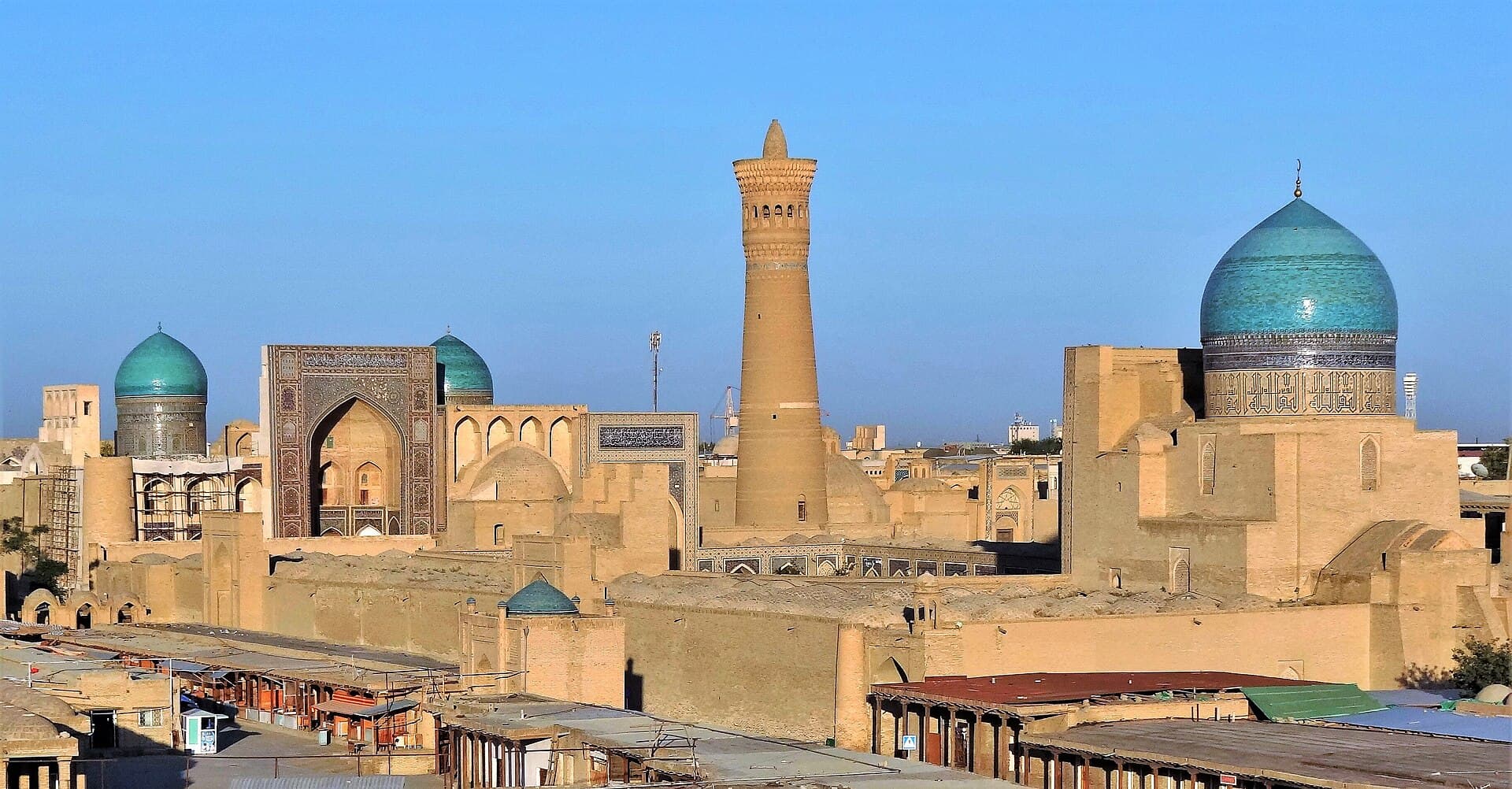 Adam Jones from Kelowna, BC, Canada / CC BY-SA 4.0, via Wikimedia Commons
Tour audio autoguidato di Bukhara — percorso GPS a piedi, riproduzione offline, narrazione coinvolgente in 32 lingue.
“Dove gli antichi sussurri della Via della Seta riecheggiano attraverso ogni arco baciato dal sole e intricato mosaico.”
Non le cartoline. Le storie che nemmeno i locali conoscono — sussurrate nel tuo orecchio, proprio dove sono accadute.
Questo svettante minareto, una luce guida di Bukhara, nasconde un oscuro segreto che persino un formidabile conquistatore teneva in reverenza.
Questa meraviglia architettonica, risalente al IX e X secolo, sopravvisse all'avanzata distruttiva di Gengis Khan grazie a un imprevisto evento naturale.
Per secoli, questa formidabile fortezza ha funzionato come una città nella città, un nucleo di autorità e intrighi, eppure il suo crollo finale arrivò in modo sorprendentemente contemporaneo.
Scopri ogni segreto di Bukhara
Ogni indirizzo, ogni rivelazione completa — nel tuo orecchio, proprio dove è accaduta.
Scegli le tue tappe. Cammini. La voce rivela ciò che gli altri perdono.


Il tuo tour audio autoguidato di Bukhara è pronto — scegli i tuoi punti di interesse, seleziona la tua lingua e inizia nel momento in cui arrivi.
AcquistaLume include una guida in realtà aumentata. Alza il telefono: la fotocamera mostra la strada davanti a te, con una freccia luminosa sovrapposta all'immagine reale che punta sempre verso la tua prossima tappa — nessuna mappa da decifrare, nessuna svolta sbagliata. Come tutto in Lume, funziona completamente offline.
Bukhara, un'antica città oasi in Uzbekistan, si erge come una testimonianza vivente in cui l'eredità della Via della Seta risuona attraverso le sue vie straordinariamente conservate e le meraviglie architettoniche. Con una cronologia che si estende per oltre 2.500 anni, si classifica tra i più antichi centri urbani abitati ininterrottamente al mondo. Spesso definita 'Nobile Bukhara' (Bukhārā-ye sharīf), è stata per secoli un crocevia cruciale di commercio, ricerca accademica, scambio culturale e devozione religiosa.
Il nucleo storico della città, riconosciuto come patrimonio mondiale dell'UNESCO, svela una ricca serie di moschee, madrasse e mercati coperti, offrendo una finestra su un paesaggio urbano dell'Asia centrale medievale. Attraversando Bukhara, si incontra un'atmosfera distintiva, separata dalle sue controparti della Via della Seta come Samarcanda e Khiva, caratterizzata dalle sue strutture color sabbia e da un palpabile senso del passato. È un luogo dove l'artigianato tradizionale, come il ricamo in oro e la lavorazione dei metalli, continua a prosperare, mantenendo un legame tangibile con la sua storia leggendaria.
## Dall'Oasi Antica all'Hub Intellettuale Islamico Le origini di Bukhara risalgono ad almeno 2.500 anni fa, con alcune stime che collocano la sua fondazione già nel III o IV secolo a.C. Posizionata sul canale Shakhrud all'interno del delta del fiume Zeravshan, si sviluppò rapidamente in un importante centro per il commercio e l'artigianato lungo la Via della Seta.
Le forze arabe conquistarono Bukhara nel 709 d.C. e, all'inizio dell'VIII secolo, aveva consolidato il suo ruolo di importante centro culturale e commerciale. Sotto la dinastia persiana dei Samanidi, nel IX e X secolo, Bukhara fiorì come centro leader della cultura e della borsa di studio islamica, diventando celebre per le sue vaste biblioteche. Quest'epoca, spesso considerata il suo apogeo, vide progressi nella tecnologia, nella medicina e nell'arte, attirando studiosi e artigiani da tutto il mondo islamico.
## Poteri Cambianti ed Eredità Duratura Dopo i Samanidi, Bukhara fu successivamente conquistata dai Qarakhanidi e dai Karakitai prima di cadere sotto Gengis Khan nel 1220. Nonostante la devastazione diffusa, alcune strutture iconiche come il Minareto Kalyan e il Mausoleo di Ismail Samani furono notevolmente risparmiate. Timur (Tamerlano) conquistò la città nel 1370.
Nel 1506, gli Uzbeki Shaybanidi conquistarono Bukhara, stabilendola come capitale del loro stato, che si evolse nel Khanato di Bukhara a metà del XVI secolo. La città raggiunse il suo picco di influenza durante la fine del XVI secolo, con il dominio degli Shaybanidi che comprendeva gran parte dell'Asia centrale, della Persia settentrionale e dell'Afghanistan. La dinastia Manghit, fondata dall'emiro Moḥammed Raḥīm a metà del XVIII secolo, affermò in seguito la sua indipendenza dall'influenza persiana.
## Protettorato Russo e Uzbekistan Moderno Nel 1868, il Khanato di Bukhara divenne un protettorato russo. L'emiro fu rovesciato dalle truppe dell'Armata Rossa nel 1920, portando alla creazione della Repubblica Socialista Sovietica di Bukhara, con Bukhara come capitale. Nel 1924, la repubblica fu assorbita nella RSS Uzbeka e Bukhara ne rimase la capitale. L'Uzbekistan ottenne l'indipendenza nel 1991 e Bukhara continua ad essere la capitale della Regione di Bukhara. L'espansione della città accelerò dopo la scoperta di gas naturale nelle vicinanze alla fine degli anni '50.
Il nucleo storico di Bukhara è un'area accogliente per i pedoni, ideale per l'esplorazione a piedi. Il Complesso Po-i-Kalyan è una destinazione avvincente, che comprende il Minareto Kalyan, la Moschea Kalyan e la Madrasa Mir-i-Arab. Il Minareto Kalyan, una struttura alta 48 metri in mattoni cotti del 1127, presenta una silhouette particolarmente suggestiva.
La Fortezza dell'Ark, un'imponente cittadella antica, servì come dimora per numerose corti reali e si erge come l'edificio più antico di Bukhara. Al suo interno si scoprono vari musei. Il Mausoleo di Ismail Samani, un trionfo architettonico del IX-X secolo, espone una fusione singolare di design zoroastriano e islamico.
Lyabi Khauz è una piazza centrale con uno stagno, circondato da madrasse e caffè, che offre un luogo vivace per osservare la vita quotidiana. Assicurati di visitare la Madrasa Nadir Divan-Begi e la Madrasa Kukeldash all'interno di questa collezione di strutture. Anche la Moschea Bolo Hauz, con le sue colonne di legno e il soffitto elaborato, merita una visita.
Esplora i mercati coperti, come Toqi Telpak Furushon, per l'artigianato tradizionale, in particolare i rinomati tappeti e moquette di Bukhara. Più lontano, il Chor Minor (quattro minareti) è un'intrigante casa del portone. Per una comprensione più approfondita delle usanze locali, considera la visita al Bagno Bozori Kord o al Bazar Centrale.
I periodi più gradevoli per visitare Bukhara sono la primavera (da aprile a inizio giugno) e l'autunno (da settembre a inizio novembre). Durante queste stagioni di transizione, le temperature sono miti e piacevoli, generalmente comprese tra 15°C e 25°C (59°F e 77°F), rendendo le condizioni favorevoli per le visite turistiche e le attività all'aperto. La primavera porta paesaggi fioriti, mentre l'autunno offre un clima confortevole e meno visitatori rispetto ai mesi estivi di punta. Le estati sono eccezionalmente calde, con temperature che superano frequentemente i 35°C (95°F), e gli inverni sono freddi, scendendo intorno a 0°C (32°F). L'annuale Festival della Seta e delle Spezie, che si tiene a Bukhara verso la fine di maggio o l'inizio di giugno, è una vivace celebrazione della musica tradizionale, dell'artigianato e della cucina.
La valuta ufficiale in Uzbekistan è il Som Uzbeko (UZS). Mentre gli hotel più grandi e le attività commerciali nelle città come Bukhara possono accettare carte, il contante rimane la forma di pagamento più comune, in particolare per mercati, taxi e venditori di cibo di strada. Gli sportelli bancomat sono accessibili nelle aree turistiche e si possono cambiare dollari USA o Euro in UZS presso banche o uffici di cambio autorizzati. Il cambio di denaro sul mercato nero è vietato.
Per la maggior parte dei viaggiatori, non è richiesto un visto per soggiorni fino a 30 giorni. Tuttavia, è essenziale verificare i requisiti di visto attuali in base alla propria nazionalità e alla durata prevista del soggiorno. Tutti i viaggiatori che rimangono più di tre giorni devono registrarsi presso il Dipartimento locale del Ministero degli Affari Interni entro 72 ore dall'arrivo; gli hotel gestiscono solitamente questo processo automaticamente.
Il centro storico di Bukhara è molto percorribile a piedi e la maggior parte dei veicoli è limitata nelle sue vie pedonali e piazze principali, creando un'esperienza immersiva. Per destinazioni oltre il centro storico, sono disponibili e convenienti applicazioni di ride-sharing come Yandex Go. La stazione ferroviaria si trova a circa 30 minuti dal centro storico e i taxi possono essere prenotati tramite Yandex Go o negoziando con gli autisti. Sebbene la conoscenza dell'inglese sia in crescita, specialmente tra i giovani e coloro che lavorano nel settore turistico, l'uzbeko e il russo sono più diffusi. Imparare alcune frasi base in uzbeko o russo può arricchire la vostra visita.
Bukhara — coreano, cinese, ebraico e altre 29 lingue, ogni tappa narrata da una voce madrelingua. La più ampia scelta di lingue tra i tour audio autoguidati.
Disponibile in: