Der Berkeley Pit
Buttes berüchtigtste Sehenswürdigkeit birgt ein Geheimnis, das Wissenschaftler und Einheimische gleichermaßen verblüfft.
Die ganze Geschichte wird in der Tour freigeschaltet
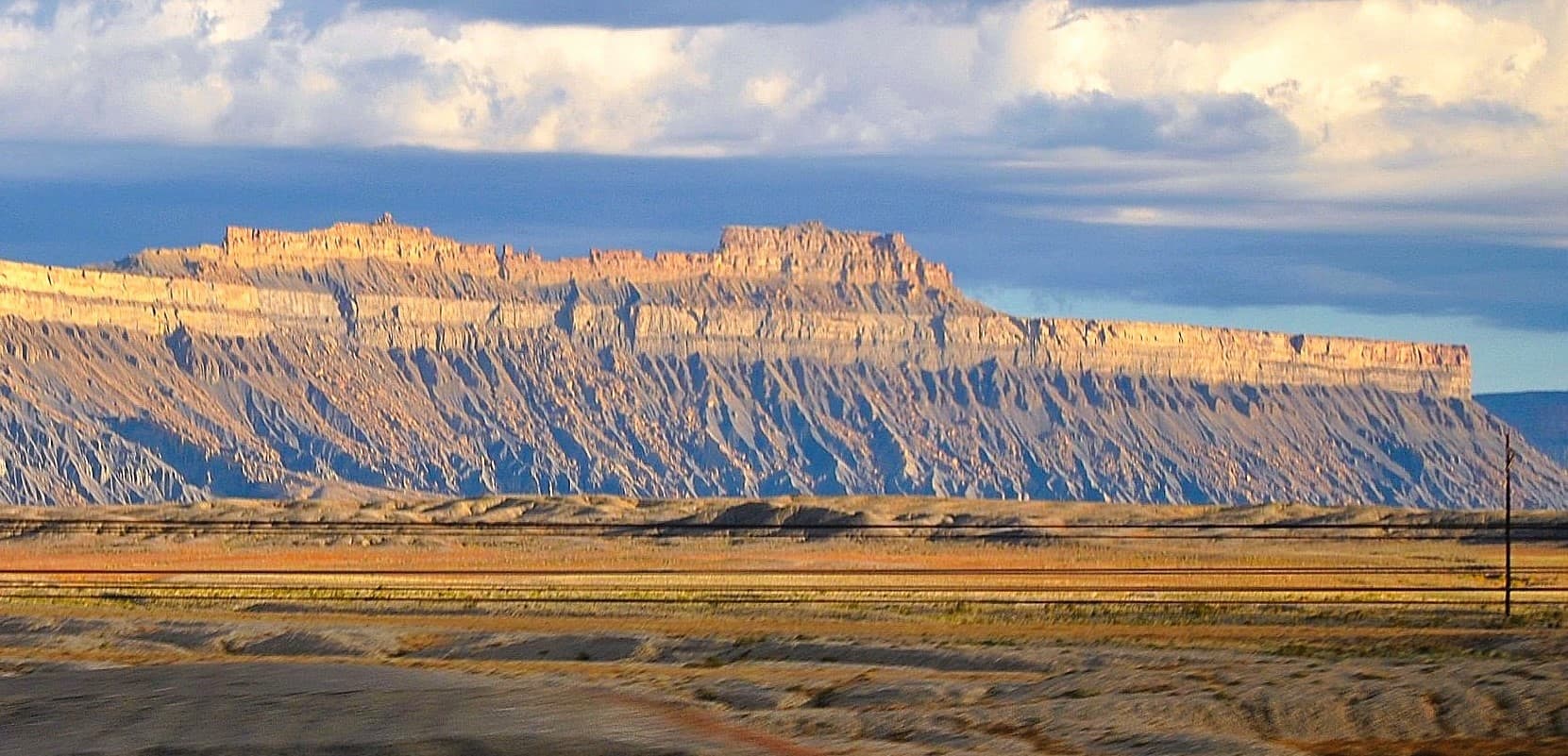 Loco Steve / cc by 2.0, via Wikimedia Commons
Selbstgeführte Audio-Walking-Tour durch Butte — GPS-Route, Offline-Wiedergabe, erzählerische Narration in 32 Sprachen.
“Der reichste Hügel der Erde, in Kupfer und Entschlossenheit gemeißelt.”
Nicht die Postkarten. Die Geschichten, die selbst Einheimische nicht kennen – dir ins Ohr geflüstert, genau dort, wo sie geschahen.
Buttes berüchtigtste Sehenswürdigkeit birgt ein Geheimnis, das Wissenschaftler und Einheimische gleichermaßen verblüfft.
Wenn Sie durch die historischen Straßen von Butte spazieren, werden Ihnen vielleicht ungewöhnliche Details an den Gehwegen auffallen.
Eines der am längsten bestehenden Unternehmen Buttes operierte fast ein Jahrhundert lang offen, auch nachdem es technisch illegal war.
Entdecke jedes Geheimnis von Butte
Jede Adresse, jede Enthüllung vollständig – in deinem Ohr, genau dort, wo es geschah.
Du wählst deine Stationen. Du gehst. Die Stimme enthüllt, was andere übersehen.


Deine selbstgeführte Audio-Tour durch Butte ist bereit – wähle deine Sehenswürdigkeiten, deine Sprache und starte, sobald du ankommst.
KaufenLume enthält einen integrierten Augmented-Reality-Guide. Halten Sie Ihr Handy hoch: Die Kamera zeigt die Straße vor Ihnen, mit einem leuchtenden Pfeil über dem echten Bild, der immer auf Ihren nächsten Stopp zeigt — keine Karte zum Rätseln, keine falschen Abzweigungen. Wie alles bei Lume funktioniert es komplett offline.
Butte, Montana, eine Stadt, die im Schmelztiegel des amerikanischen Westens geschmiedet wurde, zeugt von der rohen Kraft der Industrie und dem unerschütterlichen Geist seiner Bevölkerung. Einst bekannt als "Die reichste Hügel der Erde", befeuerten seine Kupferminen die industrielle Revolution der Nation und zogen Einwanderungswellen aus aller Welt an. Dieser Zustrom schuf eine vielfältige Gemeinschaft, die der Architektur, Kultur und dem Charakter der Stadt einen unauslöschlichen Stempel aufdrückte.
Heute ist Butte eine Stadt der Kontraste, in der viktorianische Herrenhäuser neben Arbeiterhäusern stehen und die Narben des Bergbaus vor der Kulisse der Rocky Mountains sichtbar sind. Es ist ein Ort, an dem Geschichte nicht nur in Museen bewahrt wird; sie ist in die Landschaft selbst und in die Geschichten ihrer Bewohner eingraviert. Butte zu erkunden, ist ein Eintauchen in ein einzigartiges Kapitel der amerikanischen Geschichte, das einen Einblick in das Leben derer bietet, die eine Stadt von Grund auf aufgebaut haben, Reichtum aus der Erde gewonnen und gleichzeitig eine eigene Identität geschmiedet haben.
## Vom Goldrausch zum Kupferkönig Buttes Geschichte begann in den 1860er Jahren mit der Entdeckung von Seifengold, das schnell Prospektoren in das Montana-Territorium lockte. Der eigentliche Boom kam jedoch mit der Erkenntnis riesiger Silber- und, was noch wichtiger ist, Kupfervorkommen. Bis zum späten 19. Jahrhundert wurde Butte zum weltweit führenden Kupferproduzenten und verdiente sich seinen Spitznamen "Die reichste Hügel der Erde".
## Der Krieg der Kupferkönige Der immense durch Kupfer generierte Reichtum führte zu intensiven Rivalitäten zwischen mächtigen Industriellen, die berühmt als "Krieg der Kupferkönige" bezeichnet wurden. Marcus Daly, William A. Clark und F. Augustus Heinze kämpften um die Kontrolle über Minen und Schmelzöfen, ein Kampf, der in Gerichtssälen, Parlamenten und sogar auf den Straßen von Butte ausgetragen wurde. Diese Konflikte prägten jahrzehntelang die politische und wirtschaftliche Landschaft Montanas.
## Arbeit und Einwanderung Die Nachfrage nach Arbeitskräften in Buttes Minen zog eine vielfältige Bevölkerung von Einwanderern aus Irland, Cornwall, China und verschiedenen ost- und südeuropäischen Ländern an. Dies schuf eine reiche Vielfalt an Kulturen, befeuerte aber auch eine starke Arbeiterbewegung. Butte wurde zu einem Zentrum gewerkschaftlicher Aktivitäten, wobei sich Bergleute organisierten, um für bessere Löhne, sicherere Arbeitsbedingungen und faire Behandlung zu kämpfen. Die Stadt war Schauplatz einiger der bedeutendsten Streiks und Arbeitskämpfe in der amerikanischen Geschichte.
## Niedergang und Wiedergeburt Nach seinem Höhepunkt im frühen 20. Jahrhundert ging die Bergbauindustrie Buttes allmählich zurück. Die Schließung der Betriebe der Anaconda Copper Mining Company in den 1980er Jahren markierte einen bedeutenden Wandel und hinterließ ein Erbe von Umweltproblemen, insbesondere den Berkeley Pit. Butte hat jedoch seine Vergangenheit angenommen und sich in ein Zentrum für historische Erhaltung und Tourismus verwandelt, während es gleichzeitig seine Wirtschaft diversifiziert.
Beginnen Sie Ihre Erkundung im World Museum of Mining, das sich auf dem Gelände der historischen Orphan Girl Mine befindet und einen authentischen Einblick in Buttes Bergbauvergangenheit bietet. Steigen Sie zur Statue der Our Lady of the Rockies auf, einem 90 Fuß hohen Monument mit Blick auf die Stadt, das mit einer malerischen Bustour erreichbar ist. Schlendern Sie durch Uptown Butte, einem National Historic Landmark District, bewundern Sie die gut erhaltene viktorianische Architektur und erkunden Sie lokale Geschäfte und Restaurants. Besuchen Sie den Berkeley Pit, eine riesige ehemalige Tagebaugrube, die heute eine Superfund-Stätte ist und von einem Aussichtspunkt aus eine eindringliche Perspektive auf die industriellen Auswirkungen bietet. Für einen tieferen Einblick in die lokale Geschichte bietet das Copper King Mansion Führungen durch ein prunkvolles Haus aus dem Gilded Age. Das Dumas Brothel Museum bietet einen einzigartigen und offenen Einblick in eine andere Seite von Buttes Vergangenheit.
Die beste Zeit für einen Besuch in Butte ist im späten Frühling, Sommer und frühen Herbst (Mai bis Oktober). Das Wetter ist im Allgemeinen angenehm, ideal für Spaziergänge und Outdoor-Aktivitäten. Die Sommermonate bieten auch verschiedene lokale Festivals und Veranstaltungen, darunter das Montana Folk Festival. Die Winter können kalt und schneereich sein, bieten aber Möglichkeiten für Wintersport in den nahegelegenen Gebieten.
Butte ist über die Interstate 15 und die Interstate 90 erreichbar. Der Bert Mooney Airport (BTM) bietet regionale Flüge an. Während Uptown Butte gut zu Fuß erreichbar ist, wird ein Auto empfohlen, um Attraktionen außerhalb des Stadtzentrums zu erreichen, wie Our Lady of the Rockies und den Aussichtspunkt Berkeley Pit. Die Unterkünfte reichen von historischen Hotels in Uptown bis zu modernen Hotelketten. Das gastronomische Angebot umfasst eine Mischung aus klassischer amerikanischer Küche, Steakhäusern und lokalen Pubs. Achten Sie darauf, die Betriebszeiten der einzelnen Attraktionen zu überprüfen, da einige saisonale Öffnungszeiten haben.
Butte — Koreanisch, Chinesisch, Hebräisch und 29 weitere Sprachen, jede Station von einer muttersprachlichen Stimme erzählt. Die größte Sprachauswahl aller selbstgeführten Audiotouren.
Verfügbar auf: