Cape Byron Leuchtturm
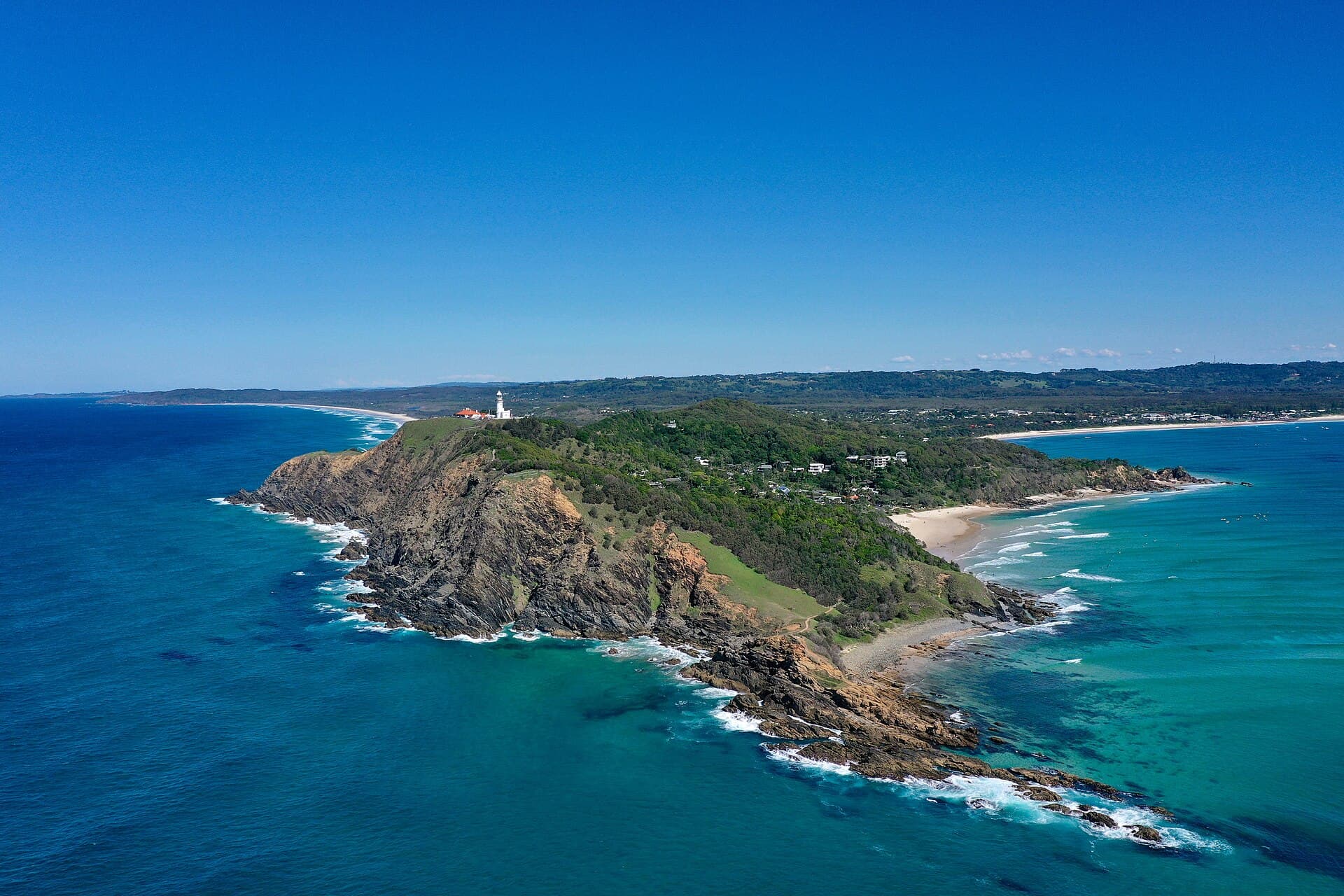
Der ikonische Cape Byron Leuchtturm, ein Leitlicht für Schiffe, birgt eine überraschende Inschrift auf seinen Türen.
Die ganze Geschichte wird in der Tour freigeschaltet
 Kpravin2 / CC BY-SA 4.0, via Wikimedia Commons
Selbstgeführte Audio-Walking-Tour durch Byron Bay — GPS-Route, Offline-Wiedergabe, erzählerische Narration in 32 Sprachen.
“Wo der Kontinent die Sonne begrüßt und der Geist des Ozeans auf das Land trifft.”
Nicht die Postkarten. Die Geschichten, die selbst Einheimische nicht kennen – dir ins Ohr geflüstert, genau dort, wo sie geschahen.
Der ikonische Cape Byron Leuchtturm, ein Leitlicht für Schiffe, birgt eine überraschende Inschrift auf seinen Türen.
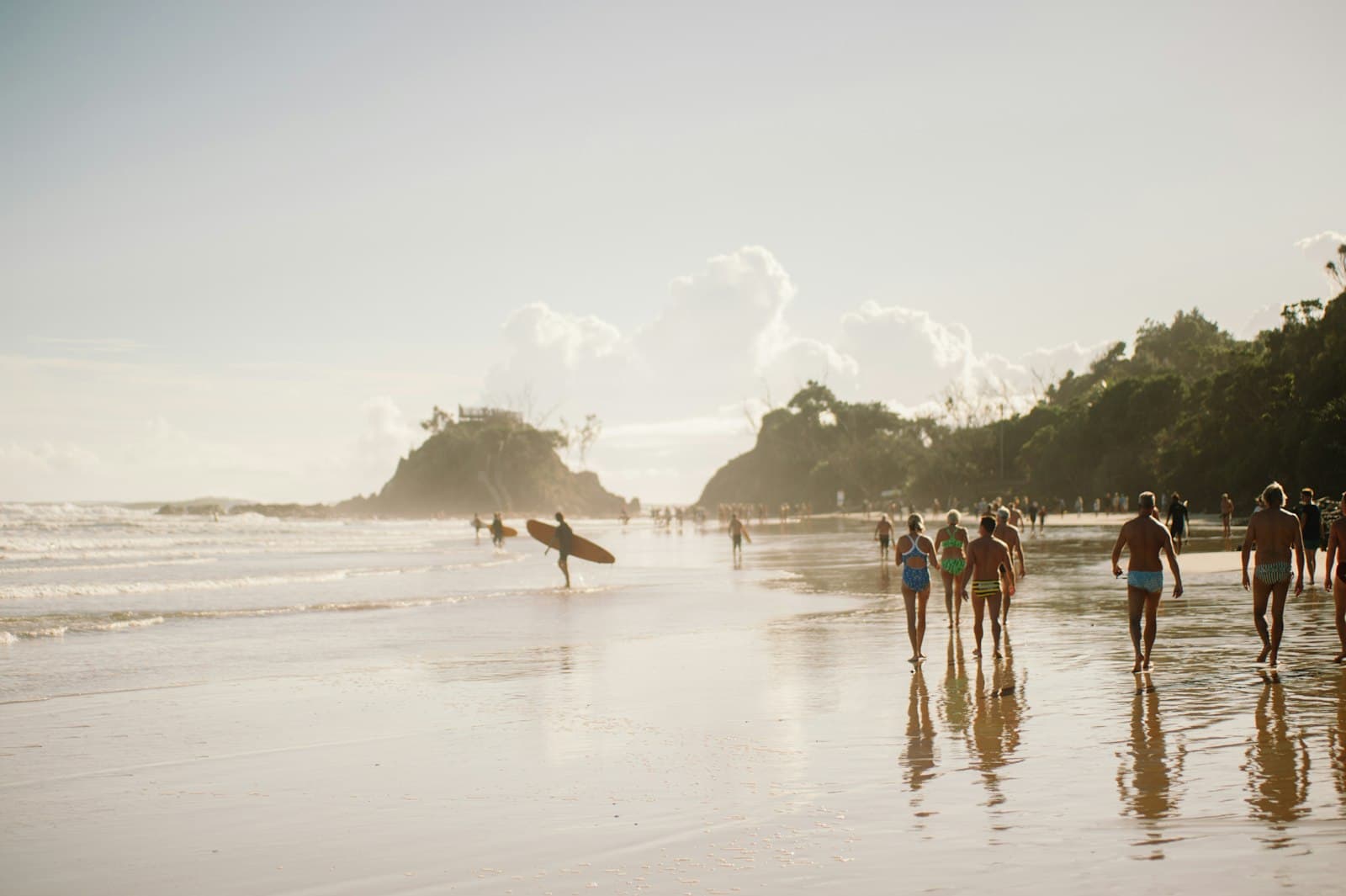
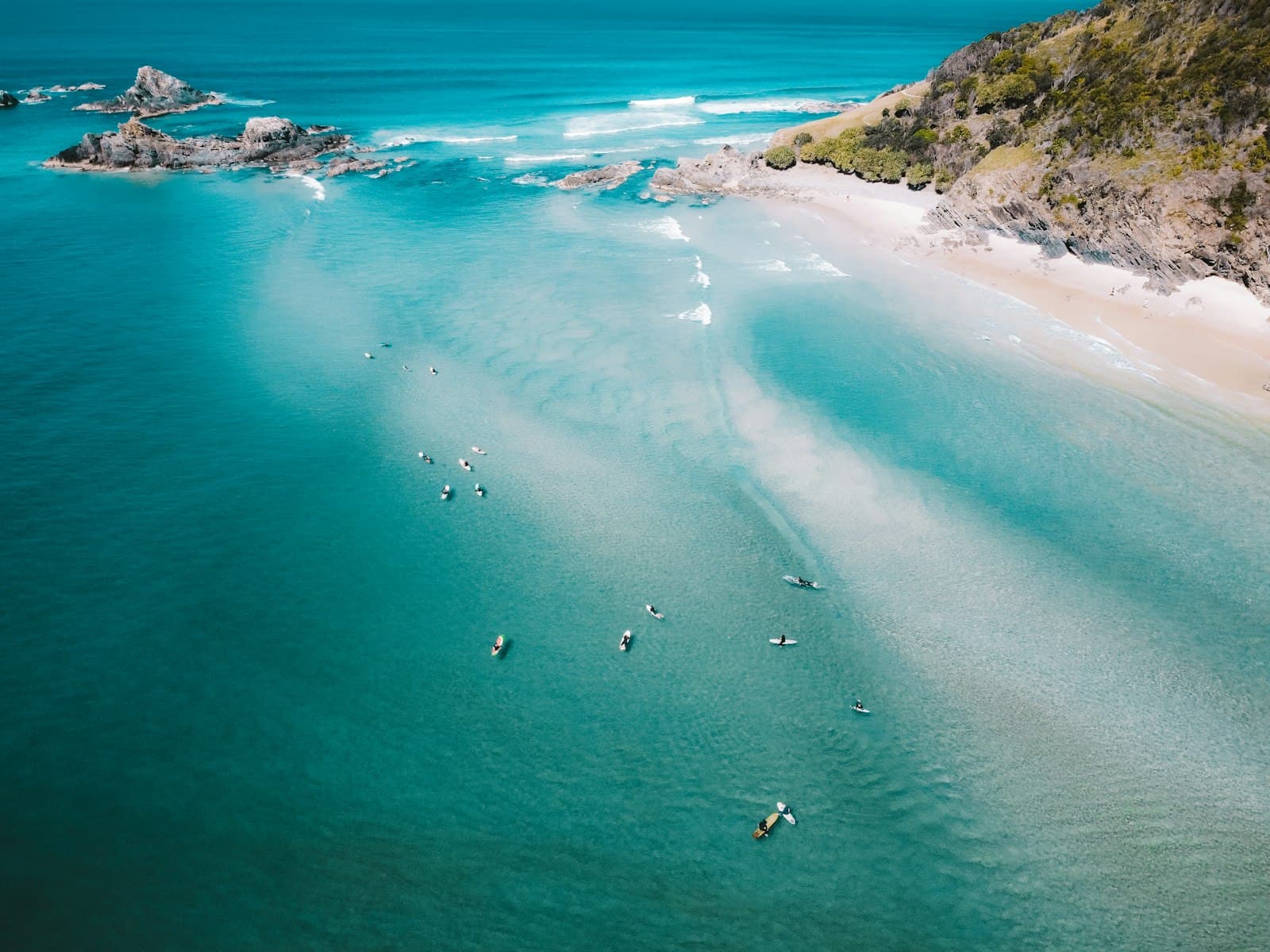
Über seinen Ruf als erstklassiger Surfspot hinaus birgt der Strand The Pass eine greifbare Verbindung zur alten Vergangenheit von Byron Bay.
Viele Straßen von Byron Bay tragen Namen, die für eine australische Küstenstadt vielleicht unpassend erscheinen.
Entdecke jedes Geheimnis von Byron Bay
Jede Adresse, jede Enthüllung vollständig – in deinem Ohr, genau dort, wo es geschah.
Du wählst deine Stationen. Du gehst. Die Stimme enthüllt, was andere übersehen.
Deine selbstgeführte Audio-Tour durch Byron Bay ist bereit – wähle deine Sehenswürdigkeiten, deine Sprache und starte, sobald du ankommst.
KaufenLume enthält einen integrierten Augmented-Reality-Guide. Halten Sie Ihr Handy hoch: Die Kamera zeigt die Straße vor Ihnen, mit einem leuchtenden Pfeil über dem echten Bild, der immer auf Ihren nächsten Stopp zeigt — keine Karte zum Rätseln, keine falschen Abzweigungen. Wie alles bei Lume funktioniert es komplett offline.
Byron Bay, an der äußersten Nordostküste von New South Wales, Australien, ist ein Reiseziel, an dem der östlichste Punkt des Kontinents auf den Pazifischen Ozean trifft. Bekannt für seine weitläufigen Strände, konstanten Wellen und eine ausgeprägt entspannte Atmosphäre, zieht es Besucher an, die sowohl lebendige Energie als auch friedliche Rückzugsorte suchen. Die Stadt liegt im Bundjalung Country, einem Land, das seit über 20.000 Jahren von den Arakwal Bumberlin gepflegt wird, die die Gegend Cavvanbah nennen, was 'Versammlungsort' bedeutet.
Über seinen Ruf als Surf-Destination hinaus bietet Byron Bay eine vielfältige Landschaft, vom ikonischen Cape Byron Leuchtturm, der Wache über die Küste hält, bis zu den üppigen, subtropischen Regenwäldern seines Hinterlandes. Die Stadt hat sich von einer industriell geprägten Vergangenheit zu einem heutigen Fokus auf Tourismus, Naturschutz und einen Lebensstil entwickelt, der seine natürliche Umgebung umarmt. Diese Mischung aus natürlicher Erhabenheit, einem reichen kulturellen Teppich und einem entspannten Ethos fesselt weiterhin diejenigen, die sie besuchen.
Obwohl beliebt, besonders während der Hauptsaison, behält Byron Bay Oasen der Ruhe und Möglichkeiten zur Verbindung mit seinem natürlichen und kulturellen Erbe. Von der Erkundung des Meereslebens im Cape Byron Marine Park bis zur Entdeckung lokaler Märkte und der Auseinandersetzung mit indigenen Kulturerlebnissen lädt die Stadt zu einer tieferen Erkundung jenseits ihrer ausgetretenen Pfade ein.
Die Geschichte von Byron Bay reicht über 20.000 Jahre zurück, wobei das Volk der Arakwal, ein Stamm der Bundjalung-Nation, die traditionellen Hüter dieses Landes war. Sie nannten die Gegend Cavvanbah, was 'Versammlungsort' bedeutet, ein Ort von kultureller Bedeutung und Zeremonien. Captain James Cook segelte 1770 vorbei und benannte Cape Byron nach Vizeadmiral 'Foul-Weather Jack' John Byron, dem Großvater des Dichters Lord Byron.
Die europäische Besiedlung begann in den 1830er Jahren, angetrieben zunächst durch die Zedernholz-Abholzung im ausgedehnten subtropischen Regenwald der Region, bekannt als 'Big Scrub'. Das Land wurde 1861 offiziell zur Besiedlung freigegeben. 1870 wurde Gold entdeckt, was zu einem kurzen Goldrausch führte, bei dem bis zu 20 Bergbaupachten am Tallow Beach Gold aus schwarzen Sanden gewannen. Das Dorf Cavvanba wurde 1884 gegründet und 1894 in Byron Bay umbenannt, 1896 wurde es eine Kleinstadt, deren Straßen oft nach Schriftstellern und Dichtern benannt wurden.
Byron Bays Industriezeit sah es zu einem geschäftigen Hafen werden. Die erste Anlegestelle wurde 1886 gebaut, und die Eisenbahn kam 1894 an. Die Norco Co-operative, gegründet 1895, unterstützte eine florierende Milch- und Fleischverarbeitungsindustrie und exportierte Butter weltweit. Der Cape Byron Leuchtturm, ein bedeutendes Wahrzeichen, wurde 1901 am östlichsten Punkt Australiens errichtet, obwohl sein Bau einen heiligen Zeremonienplatz der Arakwal-Männer beeinträchtigte. Andere Industrien umfassten den Sandabbau, der in den 1930er Jahren die Strände von Ballina bis Brunswick Heads verwüstete, und den Walfang, der von 1954 bis 1962 betrieben wurde. Der Geruch der Fleisch- und Molkereien, kombiniert mit dem jährlichen Wal-Schlachten, trug während dieser Industriezeit zu einer weniger ansprechenden Atmosphäre bei.
In den frühen 1970er Jahren waren die Rohstoffindustrien eingestellt worden und die Agrarsektoren schrumpften. Die Stadt begann sich mit der Ankunft von Surfern und der Gegenkultur-Bewegung zu verändern. Das Aquarius Festival 1973 im nahegelegenen Nimbin festigte den Ruf der Region als Zufluchtsort für alternative Lebensstile weiter. Dieser Wandel markierte Byron Bays Übergang von einer Industriestadt zu einer, die sich auf Dienstleistungen, Lebensstil und Tourismus konzentriert.
Heute ist Byron Bay bekannt für seine erstklassigen Strände, Regenwald-Wälder und seinen ikonischen Status als östlichster Punkt des australischen Festlandes. Es zieht Besucher wegen seiner Festivals, Kunst und Unterhaltung an, neben einem wachsenden Fokus auf Gartenbau, Naturschutz und Lifestyle-Unternehmen. Die Gründung des Arakwal National Park im Jahr 2001, der gemeinsam mit den Arakwal verwaltet wird, signalisiert ein Engagement für den Erhalt des kulturellen Erbes und traditioneller Praktiken. Byron Bay entwickelt sich weiter und gleicht seine Popularität mit Bemühungen aus, sein entspanntes Tempo und seine natürliche Schönheit zu erhalten.
Der Cape Byron Leuchtturm steht am östlichsten Punkt Australiens und bietet einen weiten Blick auf den Ozean. Der Spaziergang zum Leuchtturm ist eine beliebte Aktivität, die entlang von Stränden und durch Regenwald führt. Unterhalb des Leuchtturms ist The Pass ein bekannter Surfspot, und Wategos Beach bietet eine malerische, geschützte Bucht zum Schwimmen und Sonnenbaden.
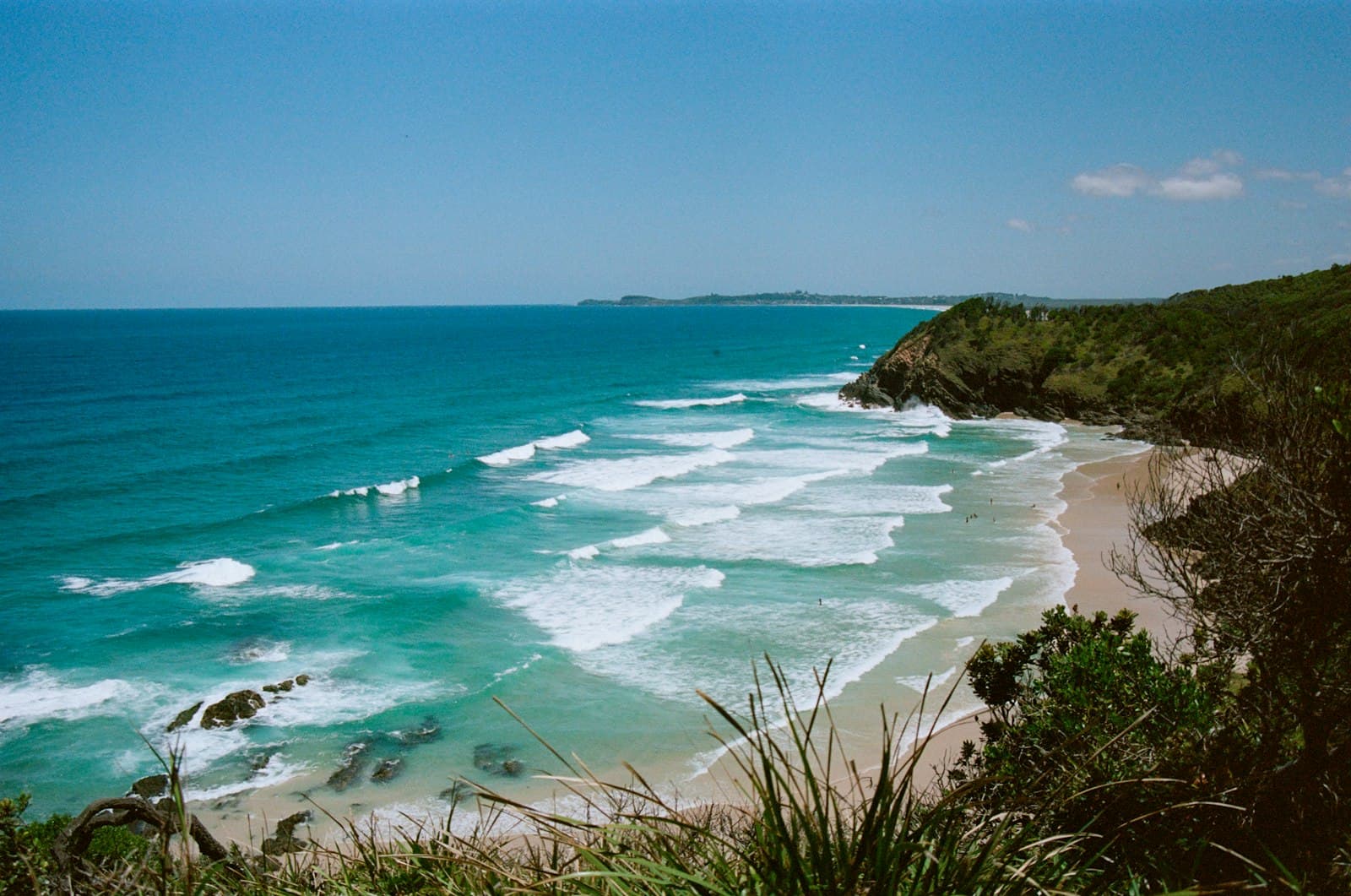
Die Strände von Byron Bay sind ein Hauptanziehungspunkt. Main Beach, zentral gelegen, ist ideal für einfachen Zugang zu den Annehmlichkeiten der Stadt. Belongil Beach, ein ruhigerer Abschnitt, beherbergt die sichtbaren Überreste des Schiffswracks SS Wollongbar bei Ebbe. Für diejenigen, die Ruhe suchen, ist Whites Beach ein weniger bekannter Ort mit unberührten Sand und klarem Wasser, obwohl er für den Zugang einen kurzen Spaziergang erfordert.
Jenseits der Küste bietet das Hinterland von Byron Naturattraktionen wie die Minyon Falls im Nightcap National Park, wo Wasser über 100 Meter in einen Regenwaldpool stürzt. Der Crystal Castle und Shambhala Gardens, eine 20-minütige Fahrt von Byron Bay entfernt, beherbergen große natürliche Kristalle, darunter eine Amethystenhöhle, und bieten einen spirituellen Rückzugsort. Für eine andere Art des Eintauchens sollten Sie eine Kajak-Tour im Cape Byron Marine Park in Betracht ziehen, um Delfine, Meeresschildkröten und wandernde Wale zu beobachten.
Byron Bay ist ein ganzjähriges Reiseziel, wobei die beste Reisezeit von Ihrem bevorzugten Erlebnis abhängt. Der Herbst (März bis Mai) bietet milde Temperaturen, weniger Andrang und angenehme Bedingungen für Outdoor-Aktivitäten. Der Frühling (September bis November) bietet ebenfalls warmes Wetter und weniger überfüllte Strände, mit dem zusätzlichen Vorteil blühender Flora und lokaler Festivals. Der Winter (Juni bis August) ist mild und ideal für diejenigen, die einen friedlichen Rückzugsort, kühlere Temperaturen und hervorragende Walbeobachtungsmöglichkeiten suchen, während Buckelwale entlang der Küste wandern.
Der Sommer (Dezember bis Februar) bringt heiße, sonnige Tage, perfekt für Strandaktivitäten, aber es ist auch die Hauptsaison für Touristen, was größere Menschenmengen und höhere Preise bedeutet.
Byron Bay liegt etwa 772 Kilometer nördlich von Sydney und 165 Kilometer südlich von Brisbane. Der nächstgelegene Flughafen ist Ballina Byron Gateway Airport (BNK), etwa 35 Autominuten entfernt, mit Shuttle-Services und Autovermietung. Der Gold Coast Airport (OOL) bietet mehr Flugoptionen, erfordert aber einen längeren Transfer. In Byron Bay ist das Stadtzentrum kompakt und gut zu Fuß erreichbar, mit Fahrradverleih, Taxis und Fahrdiensten. Ein Auto ist nützlich für die Erkundung des Hinterlandes.
Die Unterkunftsmöglichkeiten sind vielfältig, aber eine Vorausbuchung ist unerlässlich, besonders während der Hauptsaison und Festivals. Parkplätze in Byron Bay können schwierig und teuer sein, besonders an beliebten Orten wie dem Leuchtturm. Erwägen Sie, alternative Transportmittel zu nutzen oder weiter entfernt zu parken und zu Fuß zu gehen. Die lokale Währung ist der Australische Dollar (AUD$).
Byron Bay — Koreanisch, Chinesisch, Hebräisch und 29 weitere Sprachen, jede Station von einer muttersprachlichen Stimme erzählt. Die größte Sprachauswahl aller selbstgeführten Audiotouren.
Verfügbar auf: