Portlligat
Salvador Dalí's home in Portlligat is famously eccentric, but the reason he acquired it piece by piece reveals a personal drama.
Full story unlocks in the tour
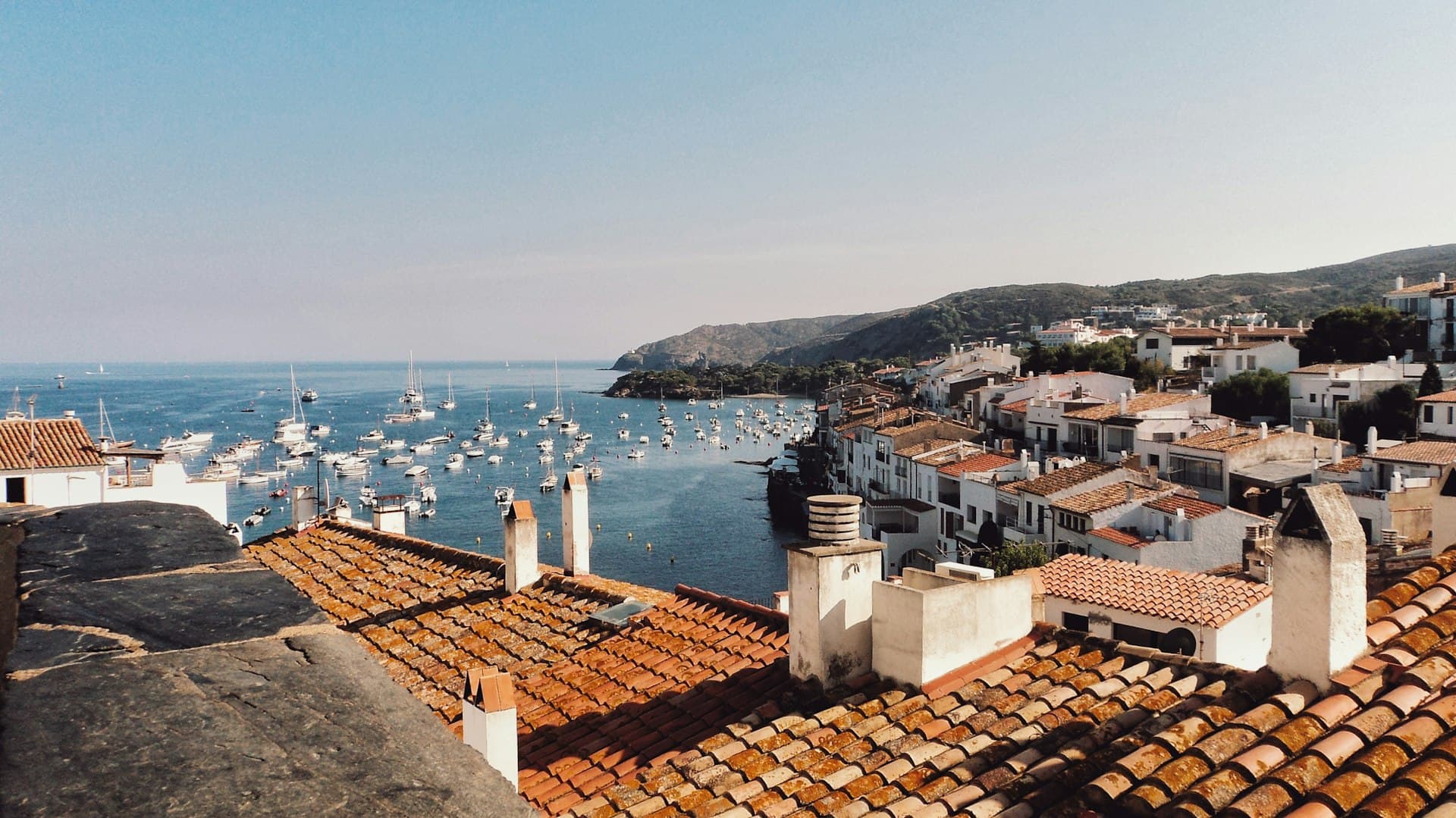 Photo: Jorge Salvador / Unsplash
Self-guided audio walking tour of Cadaqués — GPS route, offline playback, story-driven narration in 32 languages.
“Where the wild coast meets surreal dreams.”
Not the postcards. The stories even locals don't know — whispered in your ear, right where they happened.
Salvador Dalí's home in Portlligat is famously eccentric, but the reason he acquired it piece by piece reveals a personal drama.
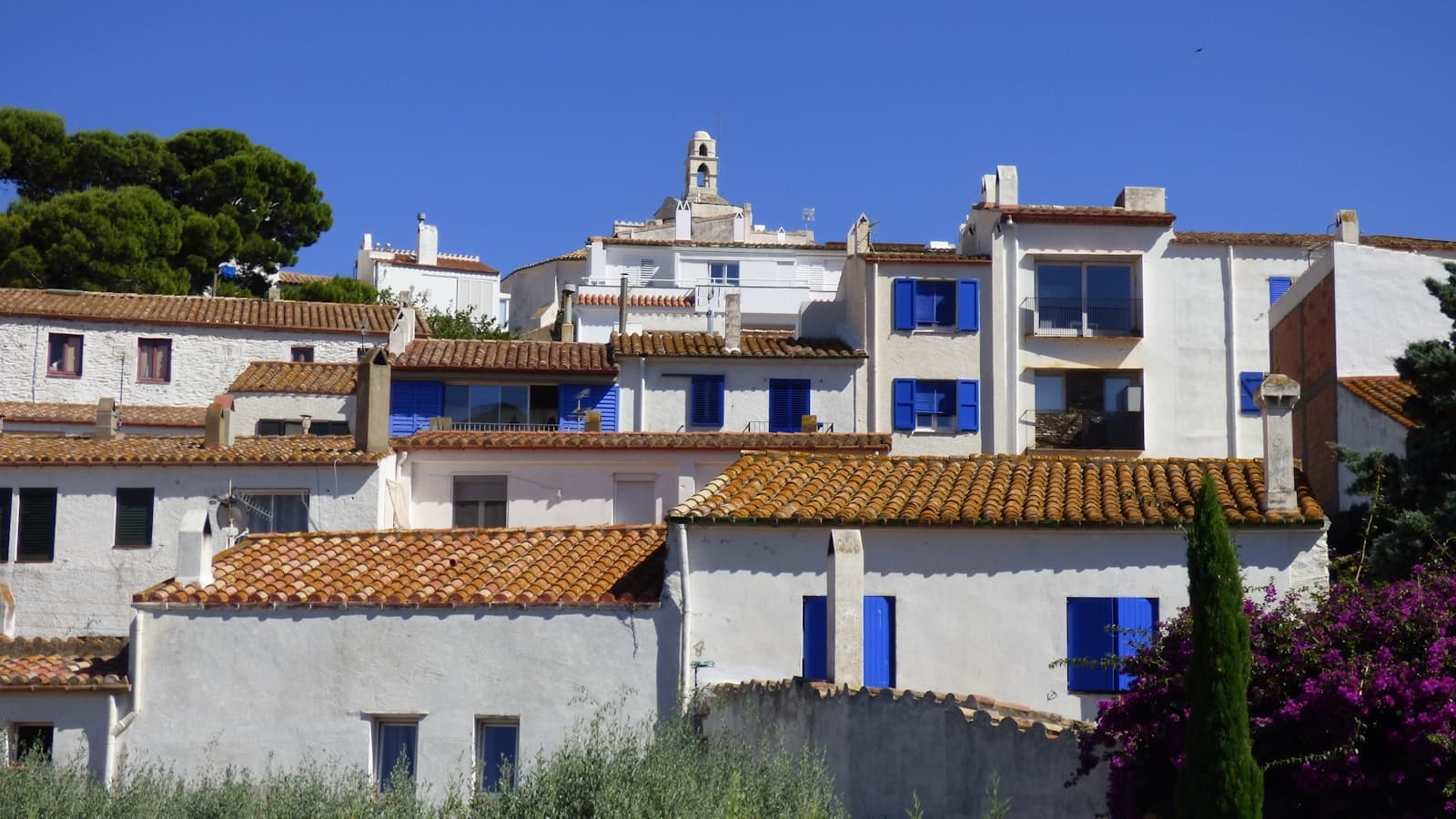
The distinctive white architecture of Cadaqués has a surprising historical purpose beyond aesthetics.
The beaches of Cadaqués offer more than just a place to swim; they can be a window into local traditions.
Discover every secret of Cadaqués
Every address, every reveal in full — in your ear, right where it happened.
You pick your stops. You walk. The voice reveals what the others miss.
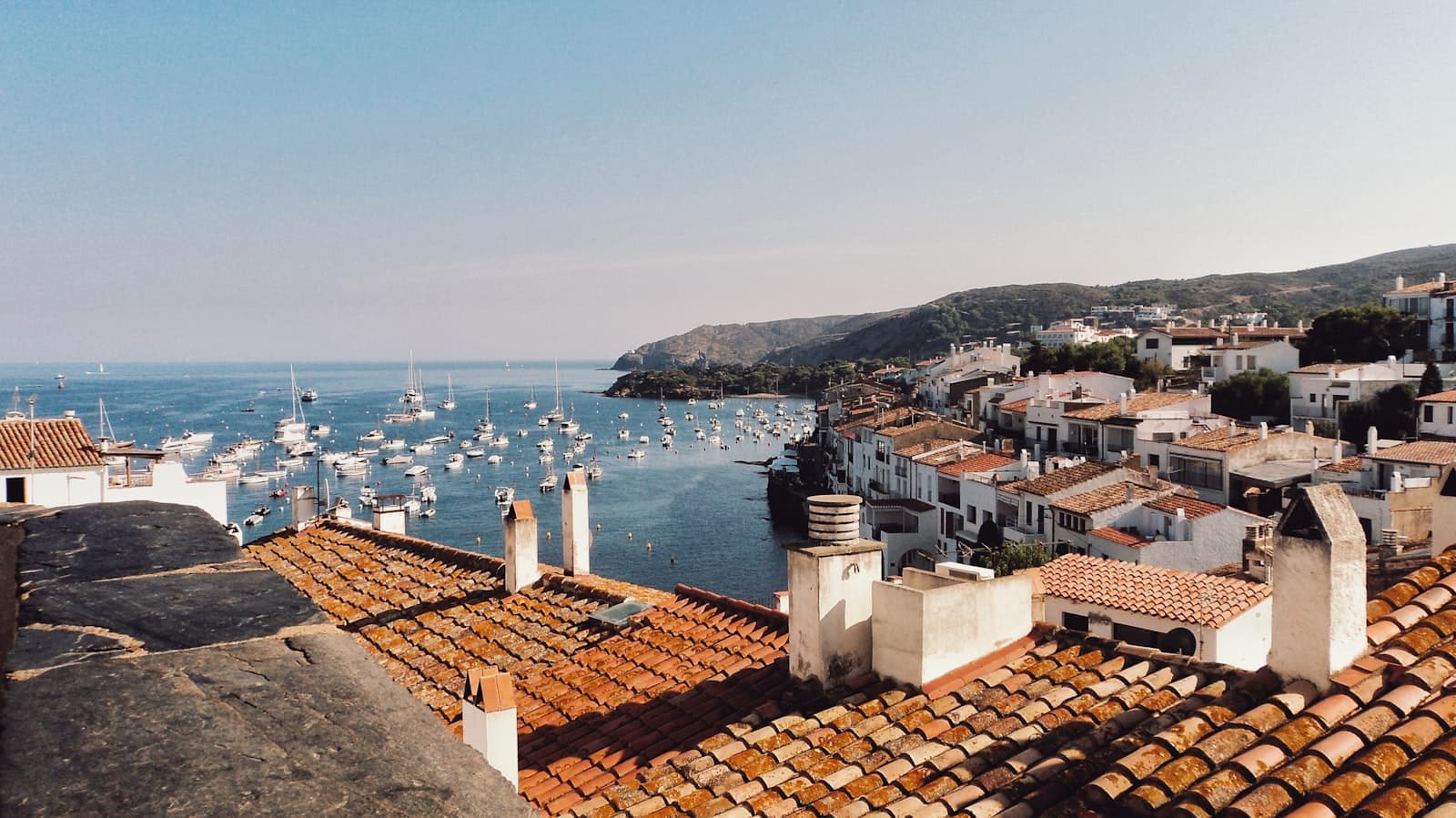

Your self-guided audio tour of Cadaqués is ready — pick your landmarks, choose your language, and start the moment you arrive.
BuyLume has a built-in augmented-reality guide. Hold your phone up and its camera shows the street ahead of you, with a glowing arrow laid over the real view that always points to your next stop — no map to puzzle over, no wrong turns. Like everything in Lume, it works fully offline.
Cadaqués, a captivating town on Spain's Costa Brava, is a place where the dramatic landscape of the Cap de Creus peninsula converges with the serene blue of the Mediterranean. This former fishing village, with its whitewashed buildings and narrow, stone-paved streets, has long drawn artists, writers, and free spirits seeking inspiration from its unique light and rugged beauty. It's a destination that feels both remote and welcoming, offering a slower pace of life amidst a backdrop that inspired surrealist master Salvador Dalí.
Far from the sprawling resorts that characterize much of the Mediterranean coast, Cadaqués has maintained its authentic appeal. Here, you'll find discreet guesthouses and local cafés where conversations linger, rather than towering hotels. The rhythm of daily life is still influenced by the sea breeze and the bells of the Church of Santa Maria, creating an equilibrium between its natural surroundings and its enduring cultural heritage. Whether strolling along the harbor or exploring the wild coastline, Cadaqués offers a timeless experience that leaves a lasting impression.
The history of Cadaqués stretches back to at least the 9th century, with early references describing a village sustained by fishermen and vineyards. Its isolated location on the Cap de Creus peninsula, surrounded by rugged cliffs, shaped the identity of its inhabitants, who relied almost entirely on the sea for survival. This seclusion, however, also made it vulnerable to pirate attacks, with Genoese corsairs and Algerian and Turkish pirates frequently raiding the coast. In 1543, the town and its church were notably attacked and destroyed by the pirate Redbeard. The Church of Santa Maria, rebuilt in the 16th century, even served as a refuge during these raids.
The 19th century brought a period of economic growth for Cadaqués, primarily through its thriving wine industry. Terraced vineyards covered the surrounding hills, producing a local wine that was exported across the Mediterranean and even to Latin America. This prosperity, however, was short-lived, as the phylloxera epidemic in the late 19th century devastated the vines, followed by a freak frost in 1956 that killed off replanted olive trees.
Despite these setbacks, Cadaqués underwent a transformation in the early 20th century, becoming a magnet for artists, writers, and avant-garde thinkers. Its unique light and natural beauty drew figures like Pablo Picasso, Joan Miró, Marcel Duchamp, and most famously, Salvador Dalí. Dalí, who spent his childhood summers here, eventually made his home and studio in the nearby cove of Portlligat, turning Cadaqués into a significant modernist pilgrimage site. The town's enduring appeal to the creative community, coupled with its resistance to mass tourism, has allowed it to retain a distinct character, embodying a unique blend of tradition and artistic experimentation.
Begin your exploration in Cadaqués's historic center, a labyrinth of narrow, stone-paved streets and whitewashed houses adorned with colorful doors and abundant bougainvillea. Ascend to the Church of Santa Maria, a 17th-century architectural landmark with Gothic details, offering sweeping views of the bay.
A short, scenic walk from Cadaqués leads to Portlligat, home to the Salvador Dalí House-Museum. This unique residence, a former collection of fishermen's huts transformed by Dalí himself, provides a fascinating glimpse into the artist's life and work. Advance booking is essential due to limited visitor capacity.
Beyond the village, the Cap de Creus Natural Park, Spain's easternmost point, offers a dramatic landscape of wind-sculpted rocks and secluded coves. Hike to the Far de Cap de Creus lighthouse for expansive sea vistas, or explore the park's trails, keeping in mind that summer heat necessitates early starts and ample water. For a different perspective, consider a kayak tour to discover clear coves and inaccessible caves. Back in Cadaqués, unwind on one of the many pebble beaches, where the clear water is ideal for swimming.
Cadaqués experiences moderate temperatures due to its Mediterranean proximity. The warmest and busiest months are July and August, with temperatures ranging from 18-30°C (64-86°F). For those seeking fewer crowds and pleasant weather, the shoulder seasons of May, June, September, and October are ideal. During these months, temperatures are comfortable, and the coastal waters are warm enough for swimming from late May. While Cadaqués is quieter in winter, many restaurants and hotels may close. The Tramuntana wind, a strong northern wind, can blow at any time of year, purifying the air and creating a remarkable clarity of light.
Cadaqués is a two-and-a-quarter-hour drive from Barcelona. While public transportation is available (train to Girona or Figueres, then a bus), renting a car is recommended for easier exploration of the surrounding area. Parking in Cadaqués can be challenging, especially during peak season, with narrow streets and limited spaces in the center. Free parking is available on the outskirts, near Riera da Sant Vincent.
The village center is compact and best explored on foot. Many shops in the old town offer local, artisanal goods, from handmade ceramics to straw basket bags. The local cuisine highlights fresh seafood and regional specialties, such as fish suquet and cuttlefish with peas, often paired with local Empordà wines.
Cadaqués in Korean, in Chinese or in Hebrew — and 29 more languages, every stop narrated by a native voice. The widest language range of any self-guided audio tour.
Available in: