Callejón del Duende
Diese unglaublich enge Gasse birgt ein romantisches, aber tragisches Geheimnis aus einer Zeit der Invasion.
Die ganze Geschichte wird in der Tour freigeschaltet
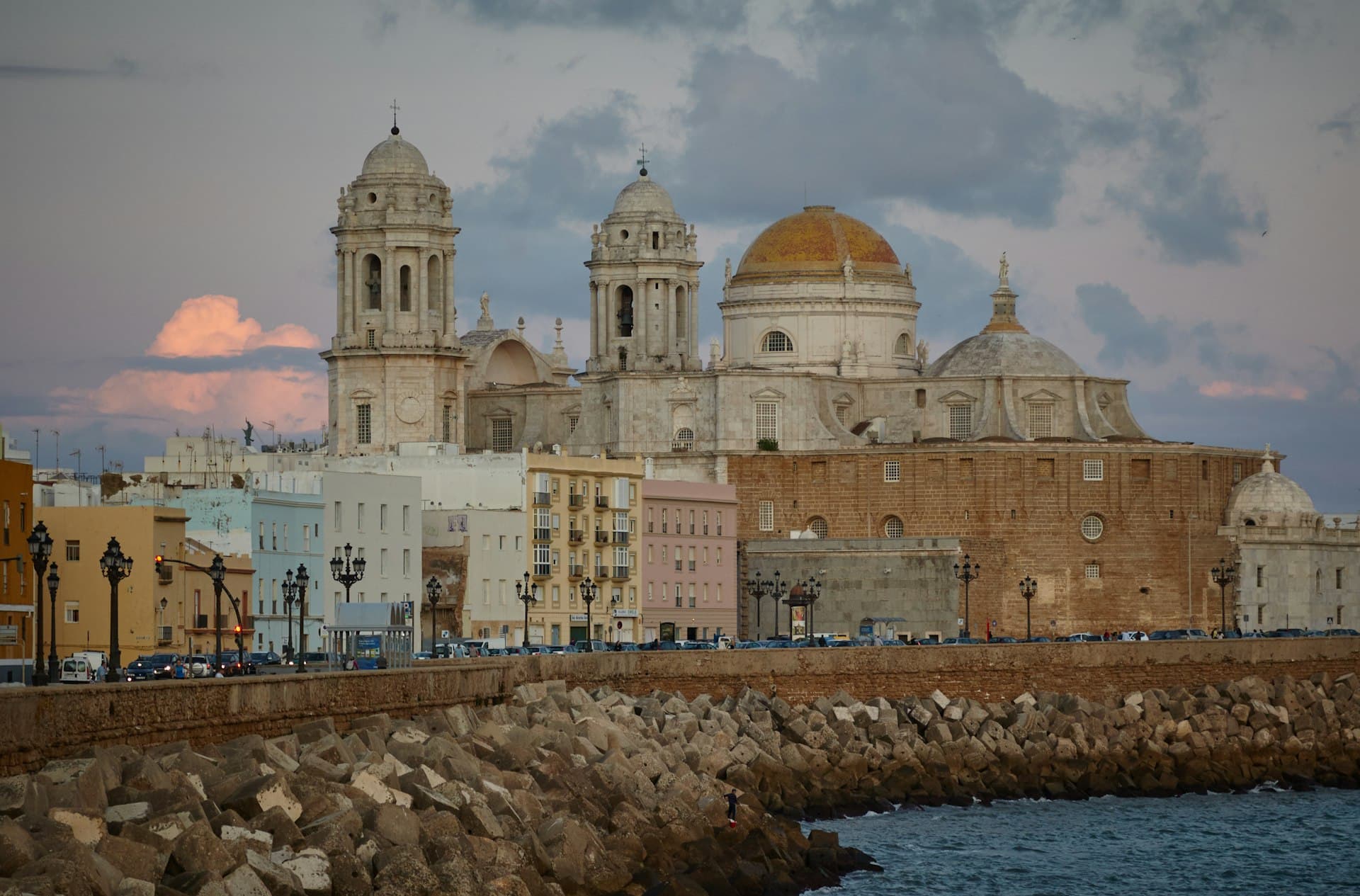 Photo: Vidar Nordli-Mathisen / Unsplash
Selbstgeführte Audio-Walking-Tour durch Cádiz — GPS-Route, Offline-Wiedergabe, erzählerische Narration in 32 Sprachen.
“Cádiz: Wo alte Flüsterer auf die Atlantikbrise treffen.”
Nicht die Postkarten. Die Geschichten, die selbst Einheimische nicht kennen – dir ins Ohr geflüstert, genau dort, wo sie geschahen.
Diese unglaublich enge Gasse birgt ein romantisches, aber tragisches Geheimnis aus einer Zeit der Invasion.
Achten Sie genau auf die Gebäudeecken in der gesamten Altstadt, und Sie werden eine ungewöhnliche Form der städtischen Verteidigung entdecken.
Dieser charmante Stadtstrand hat eine überraschende filmische Verbindung zu einem berühmten Spion.
Entdecke jedes Geheimnis von Cádiz
Jede Adresse, jede Enthüllung vollständig – in deinem Ohr, genau dort, wo es geschah.
Du wählst deine Stationen. Du gehst. Die Stimme enthüllt, was andere übersehen.
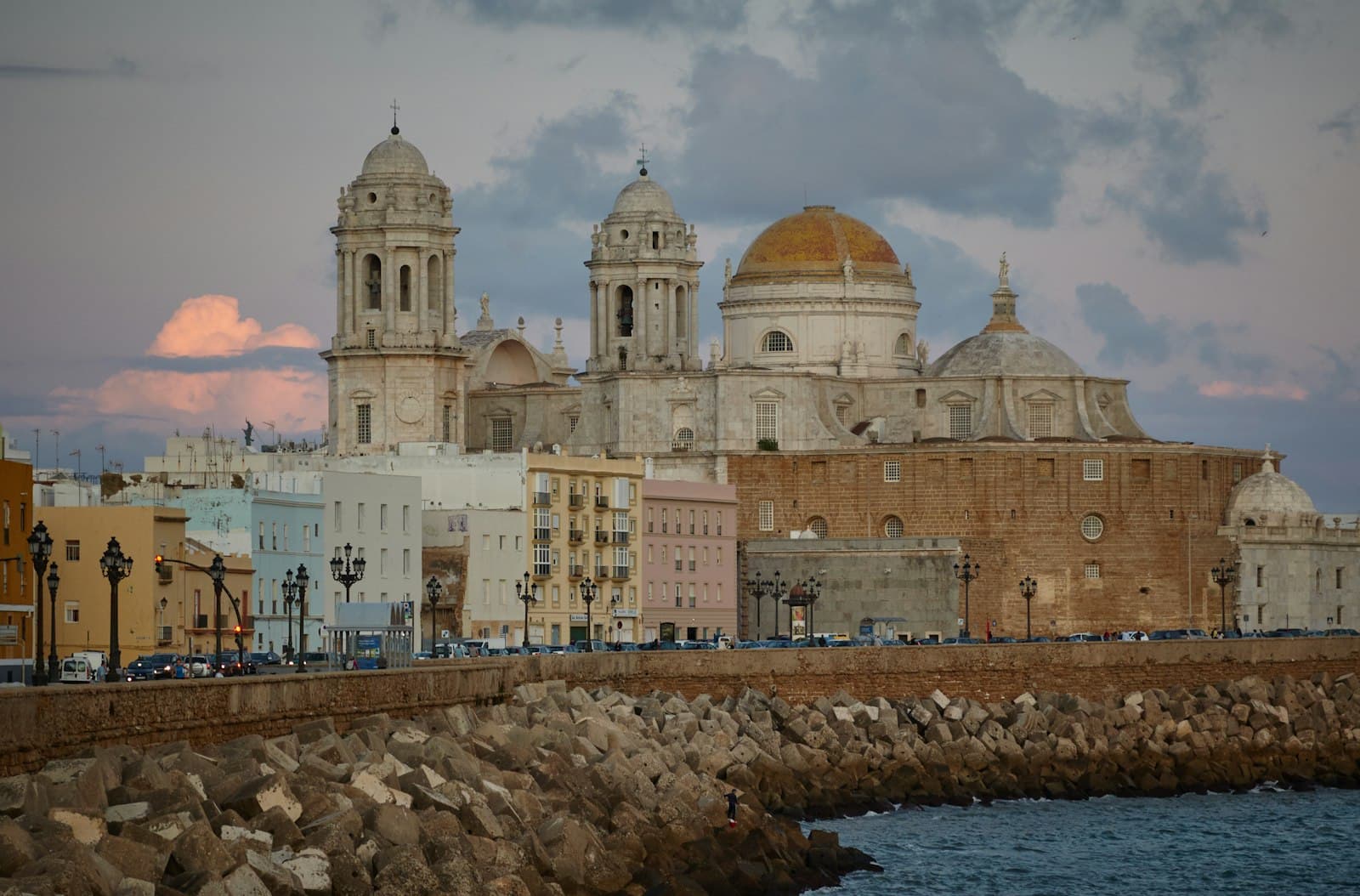

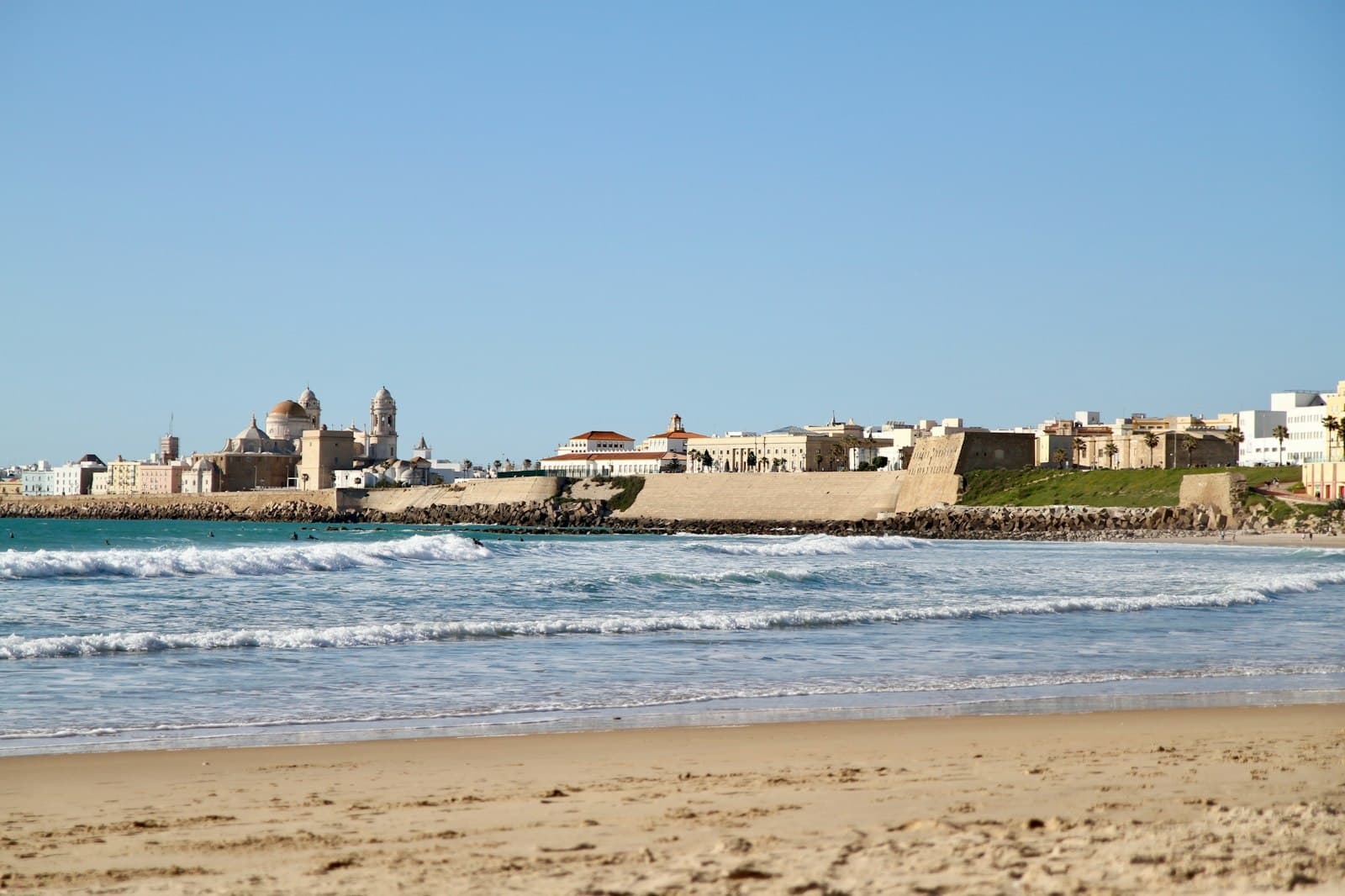
Deine selbstgeführte Audio-Tour durch Cádiz ist bereit – wähle deine Sehenswürdigkeiten, deine Sprache und starte, sobald du ankommst.
KaufenLume enthält einen integrierten Augmented-Reality-Guide. Halten Sie Ihr Handy hoch: Die Kamera zeigt die Straße vor Ihnen, mit einem leuchtenden Pfeil über dem echten Bild, der immer auf Ihren nächsten Stopp zeigt — keine Karte zum Rätseln, keine falschen Abzweigungen. Wie alles bei Lume funktioniert es komplett offline.
Cádiz, oft als 'Tacita de Plata' (Kleine Silberne Tasse) bezeichnet, ist eine Stadt, die auf einem schmalen Landstreifen, fast einer Insel, an Spaniens Atlantikküste schimmert. Es ist ein Ort, an dem der Duft des Meeres sich mit dem Aroma von frittiertem Fisch vermischt und alte Geschichte in das Gefüge des täglichen Lebens eingewoben ist. Als eine der ältesten durchgehend bewohnten Städte Westeuropas erzählen seine Straßen Geschichten, die über drei Jahrtausende zurückreichen.
Diese andalusische Hafenstadt mit ihren gut erhaltenen historischen Sehenswürdigkeiten lädt zu Erkundungen zu Fuß ein. Von ihrer Kathedrale mit der goldenen Kuppel über ihre belebten Plätze bis hin zu ihren Sandstränden bietet Cádiz eine einzigartige Mischung aus kulturellem Eintauchen und Küstenentspannung. Es ist eine Stadt, die sich sowohl groß als auch intim anfühlt, wo jede Biegung eine neue Perspektive auf ihre vielschichtige Vergangenheit und Gegenwart offenbart.
Die Ursprünge von Cádiz reichen tief in die Antike zurück. Traditionell wurde sie um 1100 v. Chr. von den Phöniziern aus Tyrus als 'Gadir' gegründet, was sie zu einer der ältesten Städte Westeuropas macht. Archäologische Funde stützen die Annahme einer kontinuierlichen Besiedlung, die mindestens bis ins 9. Jahrhundert v. Chr. zurückreicht. Diese strategische Lage machte sie zu einem wichtigen Handelszentrum, insbesondere für Metalle wie Gold, Zinn und Silber.
Die Stadt fiel später während der iberischen Kampagne von Hamilkar Barkas nach dem Ersten Punischen Krieg unter karthagische Herrschaft. Hannibal selbst soll in Cádiz zu Herkules/Melkart geopfert haben, bevor er sich 218 v. Chr. auf seine berühmte Reise über die Alpen und die Invasion Italiens begab. Nach dem Zweiten Punischen Krieg ergab sich Cádiz 206 v. Chr. bereitwillig den Römern und florierte als bedeutender Hafen und Marinestützpunkt. Unter römischer Herrschaft erlangte sie Berühmtheit für ihre Exporte von Garum (fermentierte Fischsauce) und ihre Tänzerinnen.
Nach dem Fall des Römischen Reiches erlebte Cádiz eine Abfolge von Eroberungen durch Vandalen, Byzantiner und Westgoten, bevor sie 1262 von Alfons X. von Kastilien von den Mauren zurückerobert wurde. Das Zeitalter der Entdeckungen brachte der Stadt eine Renaissance; Christoph Kolumbus brach von Cádiz zu seinen zweiten und vierten Reisen nach Amerika auf. Im 15. und 16. Jahrhundert wurde Cádiz durch die nach Spanien gebrachten Waren unglaublich reich, und im 18. Jahrhundert hatte sie bis 1778 ein nahezu vollständiges Monopol auf den Handel mit Amerika. Diese Periode immensen Wohlstands spiegelt sich in der barocken Architektur der Stadt wider, die durch amerikanisches Silber und Gold finanziert wurde.
Während der Napoleonischen Kriege war Cádiz eine der wenigen spanischen Städte, die sich der französischen Invasion widersetzten, und diente von 1810 bis 1813 als Hauptstadt Spaniens. Hier, in der Kirche San Felipe Neri, wurde die liberale spanische Verfassung von 1812 unterzeichnet, ein Eckpfeiler des lateinamerikanischen Liberalismus. Die strategische Geografie und die starken Mauern der Stadt erwiesen sich für ihre Verteidigung als entscheidend.
Beginnen Sie Ihre Erkundung an der Kathedrale von Cádiz, einem Meisterwerk des 18. Jahrhunderts, das Barock und Neoklassizismus vereint und über ein Jahrhundert Bauzeit benötigte. Erklimmen Sie ihre Türme für einen weiten Blick über die Stadt und den Atlantik. In der Nähe entdecken Sie das Römische Theater von Cádiz, eine bemerkenswerte archäologische Stätte aus dem 1. Jahrhundert v. Chr., die erst 1980 wiederentdeckt wurde.
Besteigen Sie den Torre Tavira, den höchsten Punkt der Altstadt, für Panoramablicke und um seine einzigartige Camera Obscura zu erleben, die erste, die in Spanien installiert wurde. Spazieren Sie durch den Parque Genovés, einen wunderschönen, von Bougainvilleen bedeckten Park mit Brunnen, oder die Alameda Apodaca mit ihren andalusischen Kacheln und Meerblick.
Für einen Einblick in das lokale Leben besuchen Sie den Mercado Central de Abastos, Spaniens ältesten überdachten Markt, der besonders freitags und samstags lebhaft ist. Spazieren Sie über den Damm zur Castillo de San Sebastián, einer Militärfestung aus dem 17. Jahrhundert auf einer kleinen Insel, die einen faszinierenden Sonnenuntergang bietet. Der La Caleta Strand, gelegen zwischen zwei Burgen, ist ein perfekter Ort, um die Sonne im Atlantik versinken zu sehen.
Cádiz genießt das ganze Jahr über ein warmes Klima und ist daher zu jeder Jahreszeit ein attraktives Reiseziel. Die optimalen Zeiten für einen Besuch sind das Frühjahr (Mitte März bis Mai) und der Frühherbst (Mitte September bis Oktober). In diesen Perioden sind die Temperaturen angenehm (18-25°C), perfekt für die Erkundung der historischen Straßen der Stadt und den Genuss der Strände ohne die Sommer-Stoßzeiten. Der Sommer (Ende Juni bis Anfang September) bietet strandtaugliches Wetter mit Meeresbrise, ist aber auch die geschäftigste und teuerste Zeit. Die Winter sind mild und bieten ein angenehmes Sightseeing-Erlebnis mit weniger Touristen.
Cádiz ist eine kompakte und gut zu Fuß zu erkundende Stadt, insbesondere ihre Altstadt, was es einfach macht, die meisten Sehenswürdigkeiten zu Fuß zu erreichen. Öffentliche Busse und Taxis sind für längere Strecken oder Ausflüge zu nahegelegenen Stränden verfügbar. Die nächstgelegenen Flughäfen sind Jerez de la Frontera (ca. 40 km entfernt) und Sevilla. Züge und Busse verbinden beide Städte mit Cádiz, wobei die Fahrt von Sevilla etwa 1,5–2 Stunden dauert.
Eine Unterkunft in der Altstadt (Casco Antiguo) wird wegen ihrer charmanten Straßen und der Nähe zu Sehenswürdigkeiten empfohlen. Das Essen folgt der spanischen Uhrzeit: Mittagessen wird typischerweise zwischen 14 und 16 Uhr serviert, und Abendessen selten vor 21 Uhr. Cádiz gilt im Allgemeinen als sichere Stadt, aber wie an jedem Touristenziel sollten Sie in überfüllten Gegenden wie dem Kathedralenplatz oder dem Mercado Central auf Taschendiebe achten.
Cádiz — Koreanisch, Chinesisch, Hebräisch und 29 weitere Sprachen, jede Station von einer muttersprachlichen Stimme erzählt. Die größte Sprachauswahl aller selbstgeführten Audiotouren.
Verfügbar auf: