Пещеры Хулуга
Под поверхностью Кагаян-де-Оро скрывается тайна, которая переписывает хронологию города, задолго до того, как его берегов коснулись испанские корабли.
Полная история открывается в туре
 Patrickroque01 / CC BY-SA 4.0, via Wikimedia Commons
Самостоятельная аудиопрогулка по Кагаян-де-Оро — GPS-маршрут, офлайн-воспроизведение, увлекательное повествование на 32 языках.
“Там, где река течет золотом, а дружба куется в приключениях.”
Не открытки. Истории, которые не знают даже местные жители — шепотом в вашем ухе, прямо там, где они произошли.
Под поверхностью Кагаян-де-Оро скрывается тайна, которая переписывает хронологию города, задолго до того, как его берегов коснулись испанские корабли.
Золотое прозвище города не всегда было частью его названия. «де Оро» было добавлено позже, но его корни уходят вглубь веков.
Эта на вид спокойная пещера имеет удивительное прошлое, сыграв ключевую роль в конфликте, который сформировал нацию.
Откройте для себя каждый секрет Кагаян-де-Оро
Каждый адрес, каждое полное раскрытие — в вашем ухе, прямо там, где это произошло.
Вы выбираете остановки. Вы гуляете. Голос раскрывает то, что упускают другие.


Ваш самостоятельный аудиотур по Кагаян-де-Оро готов — выберите свои достопримечательности, выберите свой язык и начните в момент прибытия.
КупитьВ Lume встроен гид дополненной реальности. Поднимите телефон: камера показывает улицу перед вами, а поверх реального изображения светится стрелка, всегда указывающая на вашу следующую остановку — не нужно разбираться с картой и сворачивать не туда. Как и всё в Lume, это работает полностью офлайн.
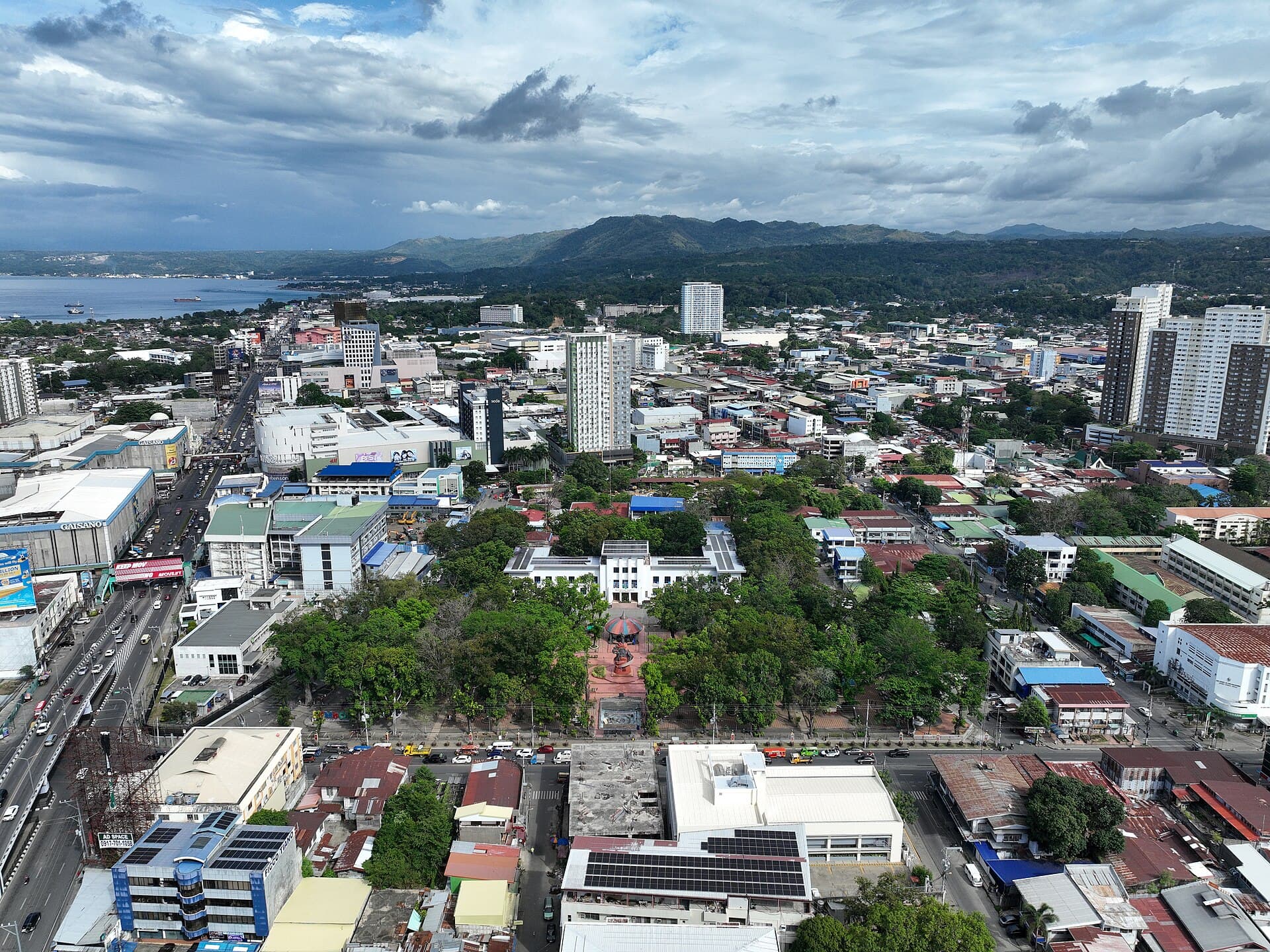
Кагаян-де-Оро, часто сокращаемый до CDO, — это высокоурбанизированный город на северо-центральном побережье острова Минданао на Филиппинах. Известный как «Город Золотой Дружбы» и «Столица Филиппин по рафтингу по бурной воде», он является оживленным городским центром, служащим региональным центром Северного Минданао.
Город предлагает уникальное сочетание культурного наследия, природного великолепия и современных достопримечательностей, что делает его воротами для путешественников, исследующих южные Филиппины. Его стратегическое расположение вдоль реки Кагаян и залива Макахалар способствует его динамичному характеру, где городское развитие встречается с приключенческим туризмом и знаменитой теплой, гостеприимной местной культурой.
История Кагаян-де-Оро насчитывает более 1600 лет, а археологические свидетельства из пещер Хулуга указывают на проживание людей уже в 350 году нашей эры. Это раннее поселение, первоначально известное как Химологан, а затем Каламбагохан, располагалось на утесе с видом на реку Кагаян. Название Каламбагохан произошло от обильных деревьев ламбаго, которые процветали вдоль берегов реки.
Испанское влияние началось в 1622 году с прибытием миссионеров-августинцев-реколлектов. Они основали первое христианское поселение, а к 1738 году испанское правление было прочно установлено. Эта территория, тогда известная как Кагаян-де-Мисамис, стала столицей провинции Мисамис в 1871 году и значительным центром испанского правительства на Минданао к 1883 году.
В конце XIX — начале XX веков Кагаян-де-Мисамис был вовлечен в национальные конфликты. Филиппинские борцы за независимость сражались с американскими войсками в битве при Кагаян-де-Мисамис 7 апреля 1900 года. Заметная филиппинская победа произошла 4 июня 1900 года в битве при холме Макахамбус. Во время Второй мировой войны японские войска оккупировали город в мае 1942 года, а в мае 1945 года он был освобожден объединенными американскими и филиппинскими войсками.
Послевоенное восстановление привело к значительной трансформации. 15 июня 1950 года Кагаян-де-Мисамис получил статус чартерного города и был официально переименован в Кагаян-де-Оро. Суффикс «де Оро» (исп. «золотой») был добавлен конгрессменом Эммануэлем Пелаэсом, признавая историческую добычу золота в регионе. Город продолжал развиваться, завоевав репутацию центра политической оппозиции во время диктатуры Маркоса и участвуя в Народной революции в 1986 году. Сегодня Кагаян-де-Оро является крупным городом, признанным за свою стойкость и адаптивность на протяжении всей своей долгой и многослойной истории.
Кагаян-де-Оро предлагает сочетание приключений и культурных исследований. Город широко известен как Столица Филиппин по рафтингу по бурной воде, а река Кагаян-де-Оро предоставляет захватывающие пороги как для новичков, так и для опытных рафтеров.
Для тех, кто ищет наземные приключения, Природный парк Мапава предлагает такие виды деятельности, как треккинг, катание на лошадях, зиплайн и каньонинг, с водопадами и лесными тропами для исследования. Приключенческий парк Макахамбус предлагает зиплайн длиной 120 метров и подвесной мост длиной 135 метров, натянутый на высоте 150 футов над ущельем.
Культурные достопримечательности включают Музей трех культур в Университете Капитолия, где представлены артефакты коренных, христианских и мусульманских общин, а также Музей Оро в Университете Ксавье. Метрополитен-собор Святого Августина и Парк Гастон являются центральными достопримечательностями, причем последний превращается в Парк Золотой Дружбы для вечерних встреч.
Для спокойного отдыха Эко-туристическая деревня Сады Маласаг предлагает представление о культурах коренных народов Минданао среди ботанических садов. Однодневная поездка на остров Камигин также является популярным вариантом, предлагающим такие достопримечательности, как Белый остров, Холодные источники Сто-Ниньо и Затонувшая кладбище.
В Кагаян-де-Оро круглый год стабильный, теплый тропический климат. Лучшее время для активного отдыха, особенно для рафтинга по бурной воде, — сухой сезон, который длится с декабря по май. Месяцы с февраля по апрель предлагают наиболее благоприятные условия с меньшим количеством осадков и ясным небом, идеально подходящие для речных и горных экспедиций. Хотя в более влажные месяцы с июня по декабрь наблюдаются более частые, кратковременные дожди, они предлагают пышные пейзажи и меньше людей для более безмятежного отдыха.
Международный аэропорт Лагуиндиган (CGY) является основным воздушным портом, расположенным примерно в 26 километрах от центра города. Время в пути от аэропорта до центра Кагаян-де-Оро обычно составляет от 45 минут до часа на такси или шаттле, хотя в часы пик следует закладывать больше времени. В пределах города моторелы (уникальное местное транспортное средство, похожее на помесь джипни и трицикла) являются популярным и доступным способом передвижения по центру города, вмещая до шести пассажиров. Джипни, мультикабы и такси также легко доступны. Английский язык широко распространен, особенно в коммерческих районах. Местная валюта — филиппинское песо (PHP). Чаевые и мелкие наличные платежи распространены.
Кагаян-де-Оро: корейский, китайский, иврит и ещё 29 языков — каждую остановку озвучивает носитель языка. Самый широкий выбор языков среди аудиоэкскурсий без гида.
Доступные языки: