Римский амфитеатр
Под древней ареной, скрытое от солнца, находится место с леденящей душу целью.
Полная история открывается в туре
 Nilo1926 / CC BY-SA 4.0, via Wikimedia Commons
Самостоятельная аудиопрогулка по Кальяри — GPS-маршрут, офлайн-воспроизведение, увлекательное повествование на 32 языках.
“Где древние отголоски встречаются со средиземноморским бризом.”
Не открытки. Истории, которые не знают даже местные жители — шепотом в вашем ухе, прямо там, где они произошли.
Под древней ареной, скрытое от солнца, находится место с леденящей душу целью.
Скульптура слона, украшающая эту средневековую башню, — не просто очаровательная деталь.
Это грандиозное неоклассическое сооружение, ныне любимая смотровая площадка, играло неожиданную роль во время войны.
Откройте для себя каждый секрет Кальяри
Каждый адрес, каждое полное раскрытие — в вашем ухе, прямо там, где это произошло.
Вы выбираете остановки. Вы гуляете. Голос раскрывает то, что упускают другие.
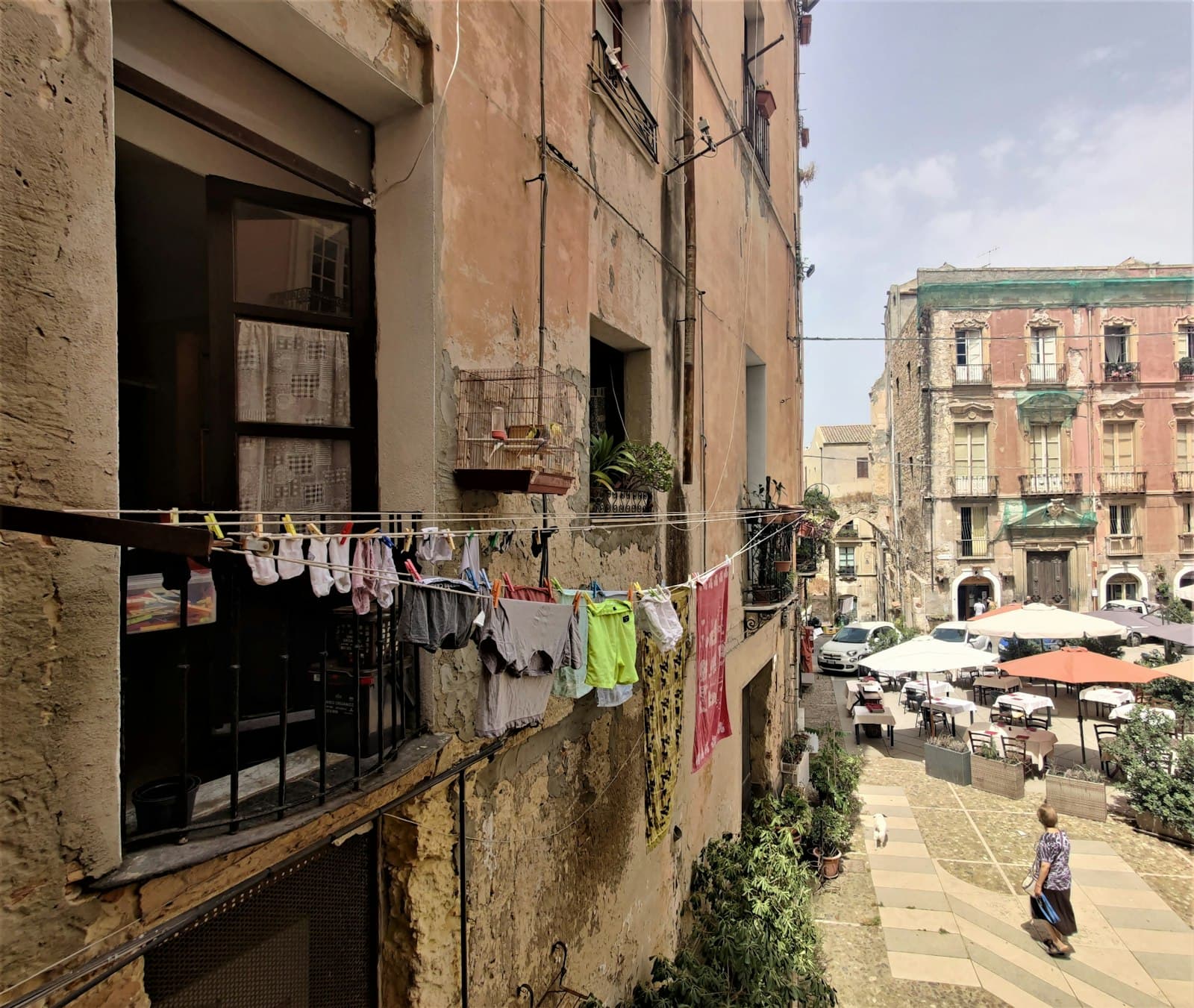
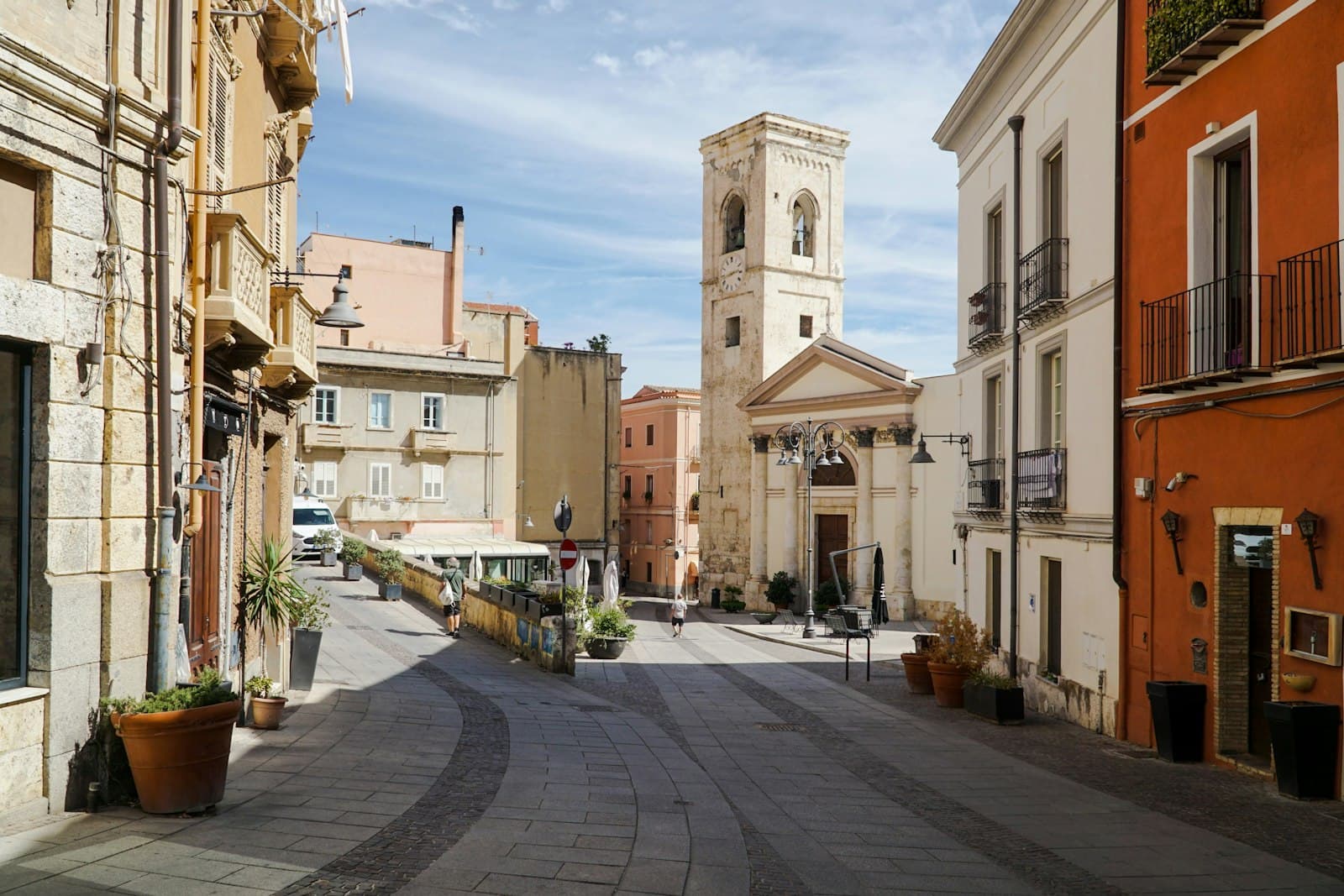
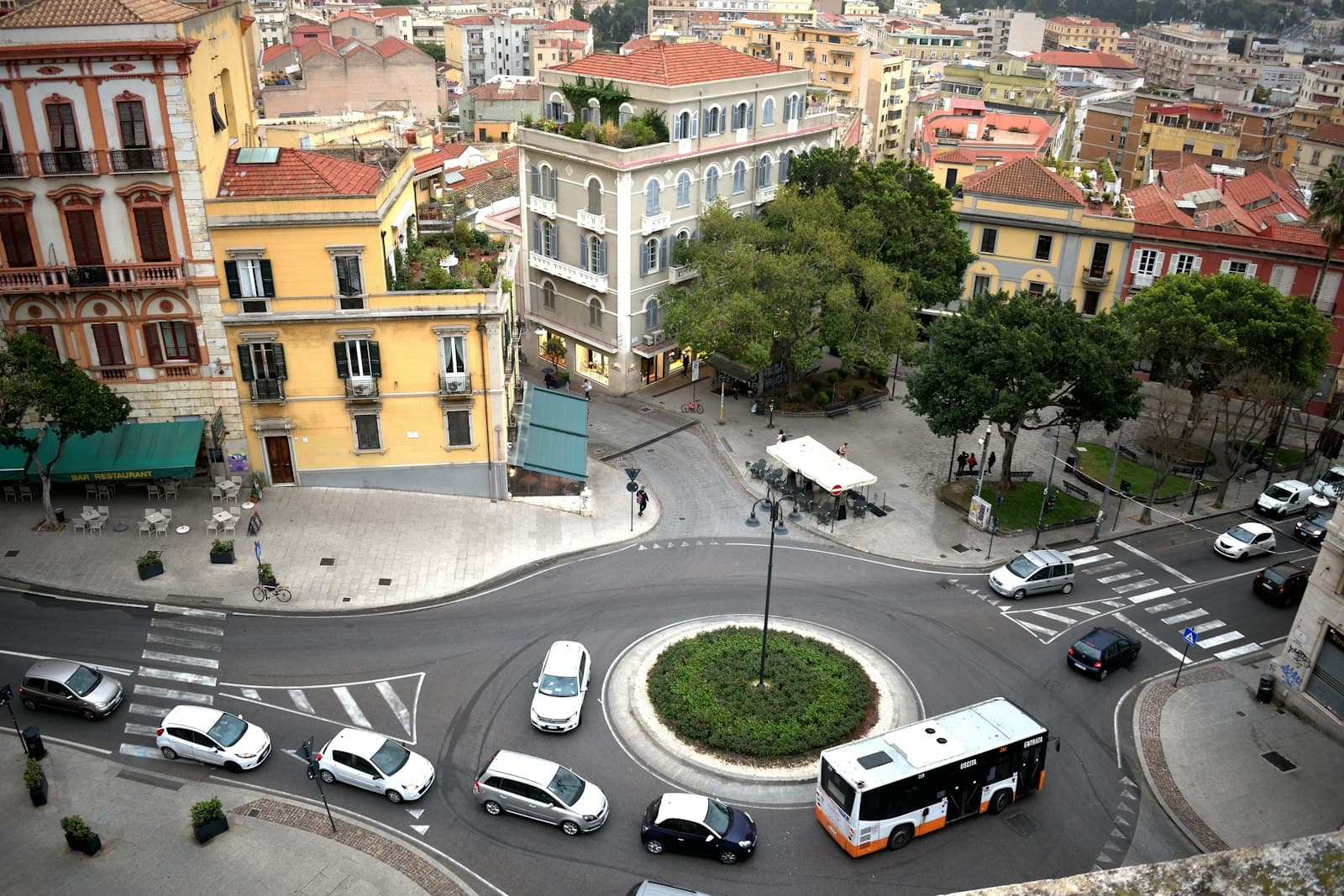
Ваш самостоятельный аудиотур по Кальяри готов — выберите свои достопримечательности, выберите свой язык и начните в момент прибытия.
КупитьВ Lume встроен гид дополненной реальности. Поднимите телефон: камера показывает улицу перед вами, а поверх реального изображения светится стрелка, всегда указывающая на вашу следующую остановку — не нужно разбираться с картой и сворачивать не туда. Как и всё в Lume, это работает полностью офлайн.
Кальяри, столица Сардинии, — город, где тысячелетия человеческого труда вплетены в средиземноморский пейзаж. Построенный на семи холмах, подобно Риму, он предлагает захватывающее сочетание древних руин, средневековых укреплений и оживленной современной культуры. От просторных смотровых площадок района Кастелло на вершине холма до широкого пляжа Поэтто, Кальяри приглашает к исследованиям и неспешным прогулкам.
Уникальная география города позволяет динамично перемещаться из исторических кварталов в природные водно-болотные угодья. Здесь вы можете наблюдать стаи розовых фламинго в охраняемом городском парке, а затем спуститься к оживленной набережной за свежими морепродуктами. Особый характер Кальяри, сформированный его разнообразным прошлым, делает его привлекательным местом для тех, кто ищет как культурную глубину, так и прибрежное очарование.
Привлекательность Кальяри заключается в его способности предлагать разнообразные впечатления на компактной территории, что делает его идеальным для путешественников, которые ценят энергичные утра и приятные вечера. Независимо от того, привлекают ли вас археологические чудеса, захватывающие виды или простое удовольствие от прогулки у моря, Кальяри подарит незабываемое сардинское приключение.
## От неолита до римского величия История Кальяри восходит к эпохе неолита, с свидетельствами раннего присутствия человека, найденными в таких районах, как Монте-Кьяро. Город действительно начал формироваться с приходом финикийцев между VIII и VII веками до нашей эры, которые основали торговое поселение, известное как Каралис, что, вероятно, означает «каменистое место». Его стратегическое положение между морем и плодородной равниной сделало его ценным оплотом.
После Первой Пунической войны Кальяри перешел под римское владычество в 238 году до нашей эры, став важным административным и морским центром. Под властью римлян город, тогда известный как Карис, получил статус муниципия и увидел строительство впечатляющих общественных зданий, включая большой римский амфитеатр. Христианство также укоренилось рано, с епископом, засвидетельствованным к концу III века.
## Средневековые войны и арагонское господство После падения Западной Римской империи Кальяри контролировали вандалы до 533 года нашей эры, когда он перешел к византийцам. В XI веке город захватили пизанцы, укрепив верхнюю часть города, которая стала известна как «Кастель-ди-Кастро» — предок современного района Кастелло в Кальяри. Пизанцы построили впечатляющие оборонительные сооружения, включая две выдающиеся башни из белого известняка — Сан-Панкрацио и Торре-дель-Элефанте.
Столетием позже, в 1326 году, арагонцы завоевали Кальяри, сделав его административной столицей новообразованного Королевства Сардиния. Этот период принес новую фазу развития, хотя он также был отмечен конфликтами с Юдикатом Арбореи. Затем последовало испанское правление, в течение которого в 1620 году был основан Университет Кальяри, укрепивший роль города как интеллектуального центра.
## От савойского правления до современной столицы В 1720 году Сардиния, включая Кальяри, перешла к Савойскому дому. XIX век принес значительное городское расширение за пределы городских стен, при этом части старых укреплений были снесены для создания более широких проспектов и площадей. Грандиозный Бастионе-ди-Сант-Ремьи, построенный между 1896 и 1902 годами, является свидетельством этого периода городского обновления, соединяя район Кастелло с нижними частями города.
Кальяри столкнулся со значительными трудностями во время Второй мировой войны, сильно пострадав от бомбардировок союзников, которые разрушили большую часть города. Однако он был восстановлен, и в 1948 году официально провозглашен административным центром Автономного региона Сардиния. Сегодня Кальяри является региональным культурным, образовательным, политическим и художественным центром с одним из крупнейших портов в Средиземноморье.
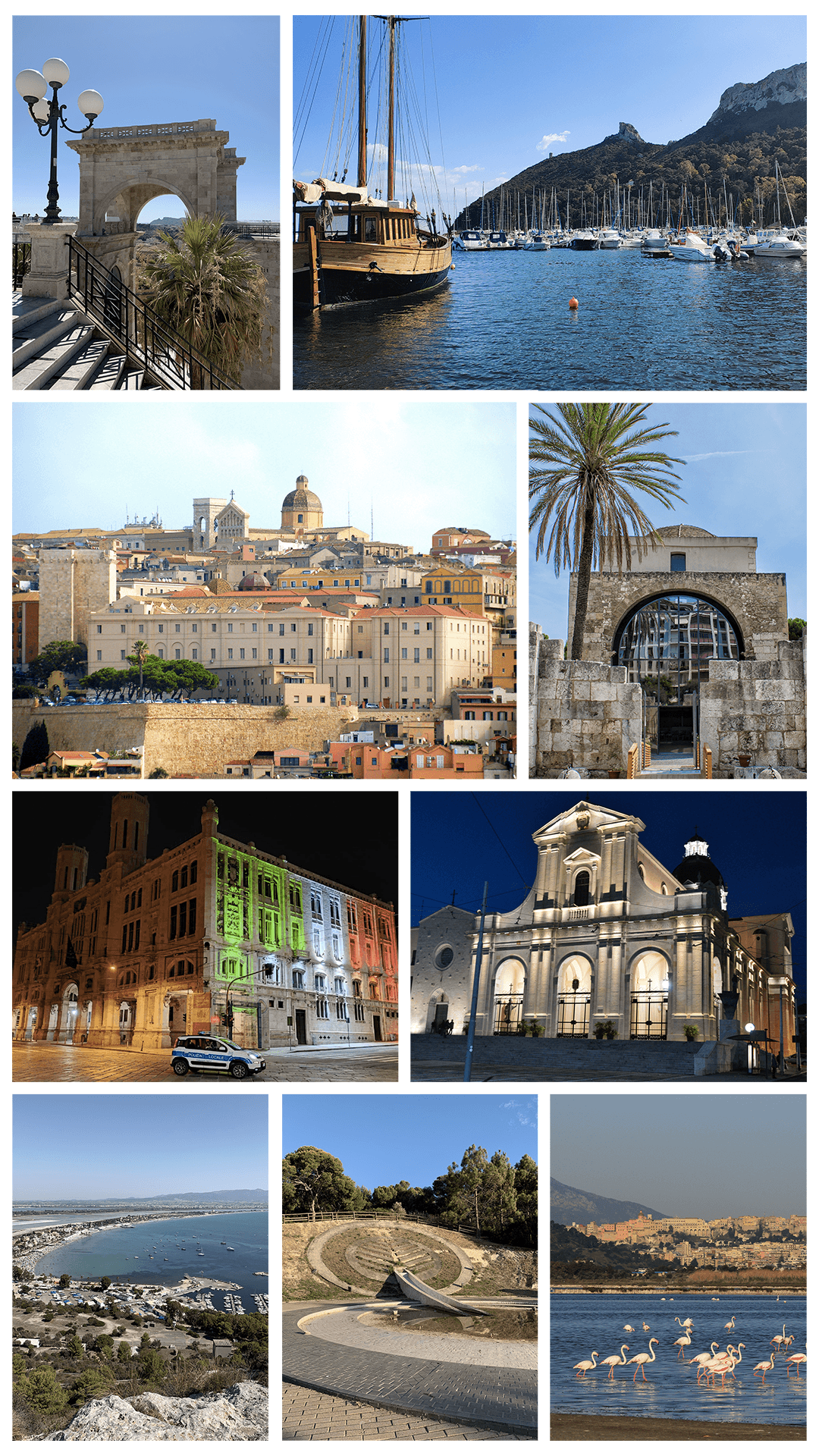
Кальяри предлагает множество достопримечательностей, многие из которых сосредоточены в его отдельных исторических районах. Начните с Кастелло, самого высокого и старого квартала города, откуда открываются захватывающие виды на город и залив Ангелов. Здесь вы найдете Кафедральный собор Санта-Мария, изначально построенный в пизанско-романском стиле в XIII веке, который развивался через различные архитектурные стили. Поднимитесь на Торре-дель-Элефанте для 360-градусной панорамы или исследуйте впечатляющий Бастионе-ди-Сант-Ремьи, неоклассический памятник с широкими видами с террасы Умберто I.
Спуститесь в район Марина, оживленную область со смешением местных жителей и туристов, предлагающую множество ресторанов и культурных достопримечательностей. Национальный археологический музей Кальяри, расположенный в Читтаделле-деи-Музеи, хранит значительные сардинские артефакты, включая впечатляющие статуи Гигантов Монт'э Прама. Чтобы взглянуть на римскую историю, посетите Римский амфитеатр, высеченный в скале холма Буонкаммино, который когда-то принимал гладиаторские бои для более чем 10 000 зрителей.
За пределами исторического центра простирается пляж Поэтто длиной восемь километров с белым песком и оживленной атмосферой, особенно летом. Неподалеку природный парк Молентаргиус-Салине — рай для любителей птиц и постоянное место обитания тысяч розовых фламинго. Не пропустите Ботанический сад, пышный оазис с экзотическими растениями и древними римскими руинами.
Лучшее время для посещения Кальяри — конец весны (май-июнь) и начало осени (сентябрь-октябрь). В эти месяцы погода приятная, с умеренными температурами от 13°C до 24°C весной и достигающими 27°C в начале осени. Эти периоды предлагают комфортные условия для осмотра достопримечательностей города и наслаждения пляжами, с меньшим количеством туристов, чем в пик летнего сезона.
Лето (июль-август) — пик туристического сезона в Кальяри, характеризующийся жаркой погодой с дневными максимумами от 21°C до 32°C и приятной теплой температурой моря в среднем около 24°C. Хотя это время оживленное, с концертами и мероприятиями, оно может быть многолюдным. Средиземноморский климат обеспечивает привлекательные условия большую часть года, даже вне дождливых зимних дней.
Аэропорт Кальяри-Элмас (CAG) находится примерно в 7 км от центра города. Самый эффективный способ добраться до исторического центра — на поезде, поездка занимает 7 минут и стоит несколько евро. Также доступны такси, обычно около 25 евро. В самом городе Кальяри довольно удобно передвигаться пешком, особенно в исторических кварталах. Общественные автобусы — удобный вариант для более дальних расстояний, например, для поездки на пляж Поэтто.
Вождение в центре города, как правило, не рекомендуется из-за ограниченных зон движения и платной парковки. Если вы планируете исследовать окрестности Кальяри, рекомендуется арендовать автомобиль для однодневных поездок в такие места, как Су-Нуракси или южные пляжи. Большинство сотрудников в центральных районах и местах проживания говорят по-английски, хотя знание нескольких итальянских фраз всегда ценится. Многие рестораны закрываются на обед с 13:00 до 15:00, поэтому планируйте свои приемы пищи соответственно.
Кальяри: корейский, китайский, иврит и ещё 29 языков — каждую остановку озвучивает носитель языка. Самый широкий выбор языков среди аудиоэкскурсий без гида.
Доступные языки: