Мост Валентре
Знаменитый мост Валентре, объект Всемирного наследия ЮНЕСКО, скрывает крошечную, озорную деталь.
Полная история открывается в туре
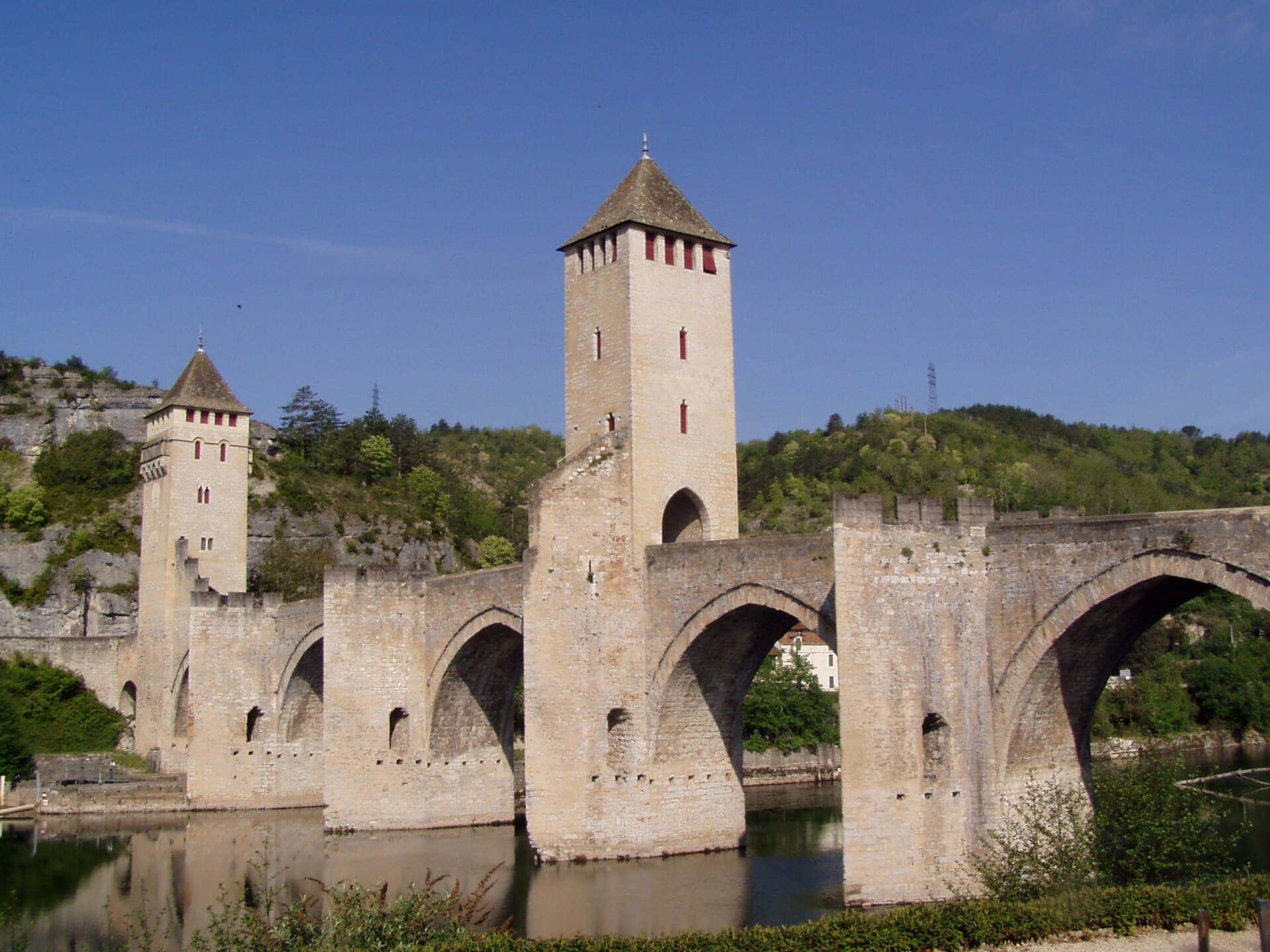 The original uploader was Accrochoc at French Wikipedia. / CC BY-SA 3.0, via Wikimedia Commons
Самостоятельная аудиопрогулка по Каор — GPS-маршрут, офлайн-воспроизведение, увлекательное повествование на 32 языках.
“Где древние камни рассказывают истории о темном вине и древних соглашениях.”
Не открытки. Истории, которые не знают даже местные жители — шепотом в вашем ухе, прямо там, где они произошли.
Знаменитый мост Валентре, объект Всемирного наследия ЮНЕСКО, скрывает крошечную, озорную деталь.
Кафедральный собор Каора, сочетание романского и готического стилей, хранит реликвию с необычным утверждением.
«Черное вино» Каора когда-то было настолько крепким, что сыграло неожиданную роль в российской истории.
Откройте для себя каждый секрет Каор
Каждый адрес, каждое полное раскрытие — в вашем ухе, прямо там, где это произошло.
Вы выбираете остановки. Вы гуляете. Голос раскрывает то, что упускают другие.


Ваш самостоятельный аудиотур по Каор готов — выберите свои достопримечательности, выберите свой язык и начните в момент прибытия.
КупитьВ Lume встроен гид дополненной реальности. Поднимите телефон: камера показывает улицу перед вами, а поверх реального изображения светится стрелка, всегда указывающая на вашу следующую остановку — не нужно разбираться с картой и сворачивать не туда. Как и всё в Lume, это работает полностью офлайн.
Каор, город на юго-западе Франции, живописно расположен на скалистом полуострове, почти полностью охваченном подковой излучины реки Ло. Это стратегическое положение определило его траекторию развития: от галло-римских истоков как Дивона Кадурков до средневекового расцвета как центра торговли и финансов. Сегодня Каор является столицей департамента Ло и признан «Городом искусств и истории» (Ville d'Art et d'Histoire), приглашая посетителей исследовать его непреходящее прошлое через хорошо сохранившуюся архитектуру и извилистые улочки.
Известный своим отличительным «черным вином», созданным в основном из винограда сорта Мальбек, Каор предлагает сочетание исторической интриги, природного великолепия и гастрономических удовольствий. Самая узнаваемая достопримечательность города, мост Валентре, является свидетельством средневекового инженерного искусства и объектом Всемирного наследия ЮНЕСКО. Помимо знаменитого моста и вина, Каор очаровывает своим средневековым кварталом, оживленными рынками и тихими уединенными садами.
История Каора уходит корнями в кельтскую эпоху, когда он был известен как Дивона Кадурков. Название «Дивона» относится к почитаемому природному источнику, Фонтен-де-Шартьёз (Fontaine des Chartreux), который до сих пор снабжает город водой и когда-то был местом поклонения кельтской богине Дивоне. Кадурки, кельтское племя, были одними из последних групп, оказавших сопротивление римскому вторжению около 50 г. до н.э. Несмотря на их неповиновение, романизация была быстрой и глубокой, превратив Каор в значительный римский город с многочисленными памятниками, следы которых видны и по сей день.
К Средним векам Каор превратился в процветающий город и крупного производителя вина, в какой-то момент даже превзойдя Бордо по объему производства вина. Его «черные вина», известные своим глубоким цветом и танинной насыщенностью, получили широкое признание по всей Европе и России. Экономическое значение города еще больше возросло в XIII веке, когда он стал заметным финансовым центром благодаря своим ростовщикам, «каорсинцам», которые были печально известны тем, что взимали проценты по займам — практика, настолько спорная, что ее упоминал Данте в своей «Божественной комедии» (Ад). Папа Иоанн XXII, урожденный Жак Дюэз, был родом из Каора и основал там университет в 1331 году.
В XIV веке был построен знаменитый мост Валентре, укрепленный мост, построенный между 1308 и 1378 годами во время Столетней войны для защиты города. Однако экономическое процветание Каора столкнулось с трудностями, включая ограничения на речную торговлю, наложенные Бордо, а затем и разрушительные стихийные бедствия. Эпидемия филлоксеры в конце XIX века и сильный мороз в 1956 году почти уничтожили виноградники. Несмотря на эти невзгоды, вино Каора, с преобладающим сортом Мальбек, получило статус AOC в 1971 году, что стало важным шагом в его возрождении. Сегодня Каор продолжает восстанавливать свое винодельческое наследие, уделяя особое внимание качеству и устойчивым практикам.
Каор предлагает множество достопримечательностей, сочетающих средневековое очарование с древними истоками. Самая узнаваемая достопримечательность — мост Валентре, великолепный укрепленный мост XIV века с тремя башнями, объект Всемирного наследия ЮНЕСКО. Это пешеходный мост, с которого открываются великолепные виды на реку Ло и город. К югу от моста Валентре находится Фонтен-де-Шартьёз, природный источник, который снабжает Каор водой со времен римлян.
В сердце исторического центра стоит Кафедральный собор Святого Стефана (Cathédrale Saint-Étienne), шедевр романского и готического стилей с характерными куполами в византийском стиле и богато украшенным тимпаном. Клуатр собора, настоящее чудо пламенеющей готики, предлагает умиротворяющие пространства и замысловатую резьбу. Прогуляйтесь по средневековым улицам старого города, где вы сможете полюбоваться внушительными купеческими домами с аркадами и даже обнаружить угловой фахверковый дом на улице Дюрад, 12 (12 Rue de la Daurade), считающийся старейшим зданием в городе. Не пропустите Тайные сады Каора (Secret Gardens of Cahors), серию очаровательных тематических садов, вдохновленных библейскими, средневековыми, мистическими и паломническими сюжетами. Для панорамных видов Каора и его излучины реки Ло поднимитесь на Мон-Сен-Сир (Mont Saint-Cyr).
Самое приятное время для посещения Каора — весна (апрель-июнь) и осень (сентябрь-октябрь). В эти месяцы погода мягкая, средняя дневная температура колеблется от 17°C до 25°C весной и от 19°C до 24°C осенью. Весна идеально подходит для наблюдения за цветущими виноградниками, а осень совпадает с сезоном сбора урожая и винными фестивалями. Лето (июль-август) может быть жарким, со средней дневной температурой около 28-29°C, и более многолюдным. Зимы тише, хотя в некоторых винодельнях и достопримечательностях часы работы могут быть сокращены.
Каор является административным центром департамента Ло в регионе Окситания на юго-западе Франции. Город легко доступен на поезде из Тулузы, время в пути составляет менее 90 минут. Если вы путешествуете на автомобиле, Каор расположен на дороге RN20/A20, соединяющей его с Парижем и Орлеаном. Центр города компактен и легко проходим пешком, многие исторические места находятся в пределах комфортной досягаемости. Мост Валентре предназначен исключительно для пешеходов, что позволяет совершать неспешные прогулки.
За местными деликатесами посетите фермерский рынок в историческом центре, рядом с собором, открытый по средам и субботам с 8:00 до 13:00. Если вы не посещаете город в базарный день, крытый рынок Halle de Cahors через дорогу предлагает региональные продукты, такие как фуа-гра и трюфели. Многие винные магазины и кавы во Франции предлагают бесплатные дегустации местных вин, что является отличным способом познакомиться со знаменитым мальбеком Каора. Каор считается очень безопасным городом, даже для вечерних прогулок по освещенному центру.
Каор: корейский, китайский, иврит и ещё 29 языков — каждую остановку озвучивает носитель языка. Самый широкий выбор языков среди аудиоэкскурсий без гида.
Доступные языки: