Le Piramidi di Giza
Potresti immaginare le piramidi ergersi in splendido isolamento, lontano da qualsiasi città moderna.
La storia completa si sblocca nel tour
 Jorge Láscar from Melbourne, Australia / CC BY 2.0, via Wikimedia Commons
Tour audio autoguidato di Il Cairo — percorso GPS a piedi, riproduzione offline, narrazione coinvolgente in 32 lingue.
“Dove antichi echi incontrano il ritmo incessante della città.”
Non le cartoline. Le storie che nemmeno i locali conoscono — sussurrate nel tuo orecchio, proprio dove sono accadute.
Potresti immaginare le piramidi ergersi in splendido isolamento, lontano da qualsiasi città moderna.
Tra le bancarelle attive di Khan el-Khalili, puoi trovare un caffè che si dichiara il più antico del Cairo.
All'interno delle mura del Cairo Copto, c'è una chiesa costruita direttamente sopra una fortezza romana.
Scopri ogni segreto di Il Cairo
Ogni indirizzo, ogni rivelazione completa — nel tuo orecchio, proprio dove è accaduta.
Scegli le tue tappe. Cammini. La voce rivela ciò che gli altri perdono.


Lume include una guida in realtà aumentata. Alza il telefono: la fotocamera mostra la strada davanti a te, con una freccia luminosa sovrapposta all'immagine reale che punta sempre verso la tua prossima tappa — nessuna mappa da decifrare, nessuna svolta sbagliata. Come tutto in Lume, funziona completamente offline.
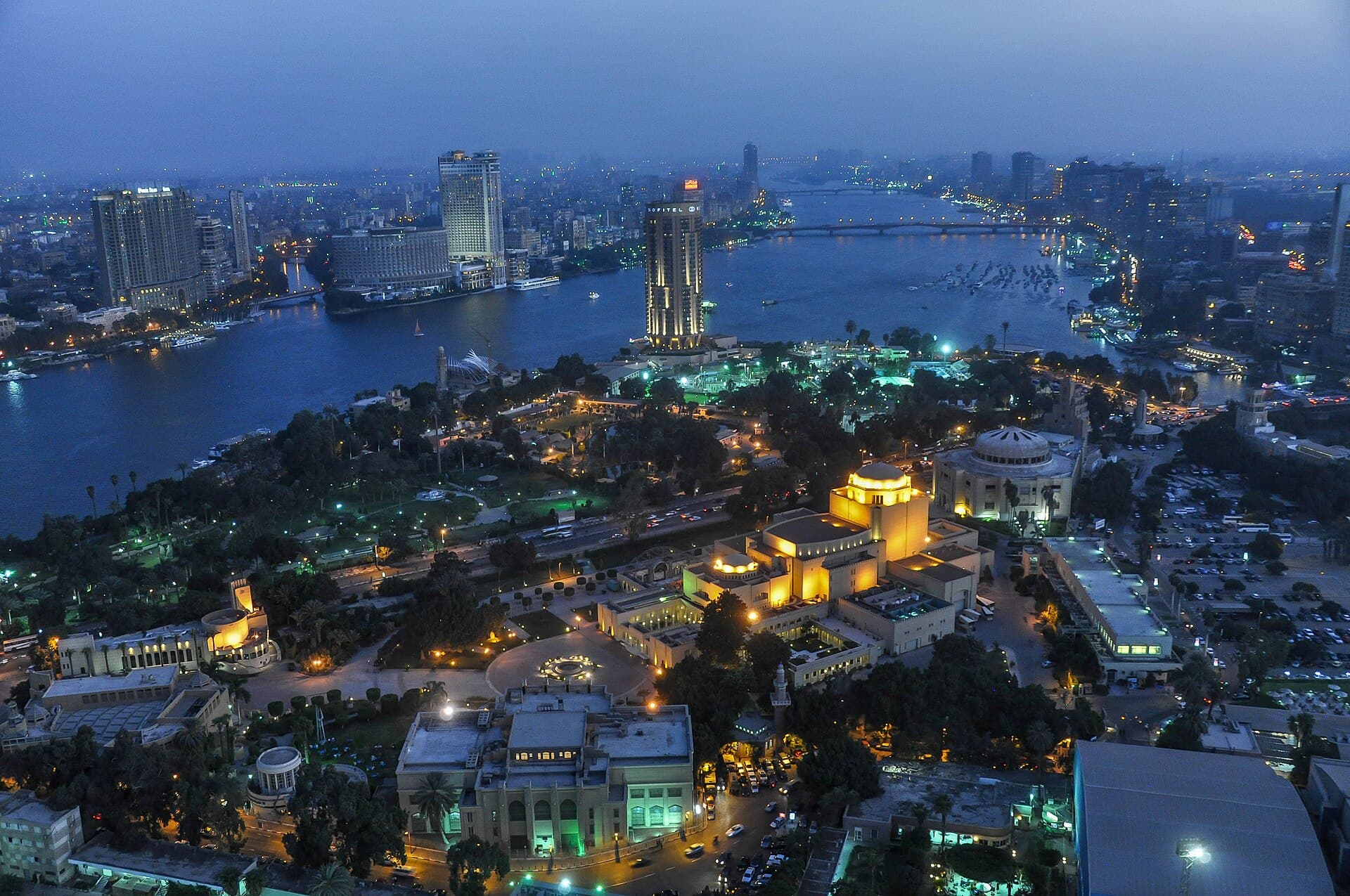
Il Cairo, una città spesso chiamata "Umm al-Dunya" o "Madre del Mondo", è una metropoli tentacolare dove millenni di storia convergono con l'energia inarrestabile della vita moderna. Con una popolazione metropolitana che supera i 20 milioni di abitanti, è la città più grande dell'Africa e del Medio Oriente. Questa capitale, divisa dall'iconico fiume Nilo, è un'esperienza sensoriale, dagli echi delle chiamate alla preghiera all'aroma dei falafel che aleggia per le strade antiche.
I visitatori del Cairo incontrano una città che sfida una semplice categorizzazione. È un luogo dove le meraviglie antiche, come le Piramidi di Giza, sono sorprendentemente vicine ai centri urbani, e dove una ricchezza di patrimonio islamico e copto si svela ad ogni angolo. Il Cairo non ti accoglie soltanto; ti trascina nel suo vortice, invitandoti a esplorare i suoi strati di storia e a sperimentare la sua energia illimitata.
Le radici del Cairo risalgono all'antico insediamento di Menfi, fondato intorno al 3000 a.C., che servì come prima capitale dell'Egitto. L'importanza strategica dell'area fu riconosciuta dai Romani, che costruirono la Fortezza di Babilonia intorno al 30 a.C., un'imponente struttura in pietra che controllava il traffico fluviale. Parti di questa fortezza si ergono ancora oggi nel Vecchio Cairo, a testimonianza dell'ingegneria romana.
La città del Cairo vera e propria, originariamente chiamata Al-Qahirah (che significa "La Città Vittoriosa"), fu fondata nel 969 d.C. dalla dinastia Fatimide come città reale e centro di potere. Assorbì rapidamente il precedente insediamento di al-Fustat, che era stato il primo insediamento e hub commerciale degli Arabi musulmani. Fu sotto il dominio Fatimide che la Moschea di Al-Azhar, uno dei più importanti istituti islamici a livello globale, fu istituita come moschea-università.
Il Cairo raggiunse la sua età d'oro nel XIII secolo sotto i Mamelucchi, che la trasformarono nella città più magnifica del mondo islamico. Questo periodo vide un'ampia costruzione di moschee, madrasa, ospedali e opere pubbliche, mostrando la ricchezza e la pietà mamelucca. Tuttavia, un declino iniziò dopo la peste bubbonica nel 1348 e fu esacerbato dalla deviazione della rotta commerciale delle spezie. Nel 1517, gli Ottomani conquistarono la città indebolita, riducendola a una capitale provinciale.
L'inizio del XIX secolo portò Muhammad Ali Pascià, che fondò lo stato egiziano moderno, avviando riforme sociali ed economiche e significative costruzioni, inclusi ampi viali ispirati a Parigi. L'occupazione britannica seguì nel 1882, durando fino alla dichiarazione di indipendenza dell'Egitto nel 1922, sebbene il dominio coloniale continuasse fino alla rivoluzione del 1952. Sotto Gamal Abdel Nasser, il Cairo si sviluppò in una metropoli moderna, attirando egiziani da tutto il paese. Oggi, il Cairo continua ad essere un hub commerciale e industriale, la capitale culturale del mondo arabo e un punto di riferimento di siti storici e culturali.
Nessuna visita al Cairo è completa senza aver ammirato le monumentali Piramidi di Giza e la Sfinge, l'unica meraviglia antica del mondo rimasta. Queste strutture iconiche possono essere esplorate in mezza giornata, con un nuovo sistema di autobus che facilita la navigazione sull'altopiano.
Approfondisci la vasta storia dell'Egitto al Grand Egyptian Museum (In evidenza), che ospita oltre 100.000 manufatti che coprono migliaia di anni, inclusa la collezione completa di Tutankhamon. Un'altra istituzione significativa è il Museo Nazionale della Civiltà Egizia, sede delle Mummie Reali.
Esplora la Cittadella del Cairo, un'imponente fortezza del XII secolo costruita da Saladino, che offre ampie viste sulla città e ospita diverse moschee, tra cui l'imponente Moschea di Muhammad Ali. Passeggia per gli intricati vicoli del Bazar Khan el-Khalili, un souk di 600 anni dove i venditori vendono di tutto, dalle spezie ai souvenir artigianali. Nelle vicinanze, Al-Muizz Street espone un'architettura islamica sorprendente, che si illumina drammaticamente al tramonto.
Scopri l'eredità cristiana duratura nel Cairo Copto, un'area racchiusa da mura antiche. Qui troverai la Fortezza di Babilonia, la Chiesa Sospesa e la Chiesa di Abu Serga, ritenuta la chiesa più antica d'Egitto.
Il periodo ideale per visitare il Cairo è tra ottobre e aprile, quando le temperature sono più fresche e più confortevoli per esplorare. Il tempo diurno è mite e le serate sono abbastanza fresche per le attività all'aperto. I mesi più freschi, in particolare da dicembre a marzo, offrono una visibilità più chiara per siti come Giza e Saqqara. Novembre, febbraio e marzo sono spesso considerati i mesi migliori, bilanciando bel tempo con meno folla. Sebbene l'estate (giugno-agosto) sia calda, è la bassa stagione, che offre meno visitatori e prezzi più bassi.
Il Cairo è una metropoli attiva e navigarla richiede alcune considerazioni pratiche. La valuta ufficiale è la Lira Egiziana (EGP). La maggior parte dei viaggiatori avrà bisogno di un visto, ottenibile online come e-visa o all'arrivo all'aeroporto internazionale del Cairo per molte nazionalità. È richiesto un passaporto valido per almeno sei mesi oltre la data di arrivo e con almeno una pagina bianca.
Per spostarsi, la metropolitana del Cairo è l'opzione di trasporto pubblico più veloce ed economica, con carrozze riservate alle donne disponibili. Le app di ride-sharing come Uber e Careem sono alternative affidabili e convenienti ai taxi tradizionali, che possono essere soggetti a prezzi gonfiati. Dall'aeroporto internazionale del Cairo (CAI), taxi, trasferimenti privati e autobus pubblici sono disponibili per raggiungere il centro città, che dista circa 21 km. Un taxi o un trasferimento privato impiega circa 25 minuti, mentre un autobus può impiegare 45 minuti o più.
Vestiti in modo modesto, soprattutto quando visiti luoghi religiosi. Le donne dovrebbero considerare di portare un foulard per coprire i capelli, e tutti dovrebbero mirare a coprire spalle e ginocchia. Abbigliamento leggero e traspirante e scarpe comode da passeggio sono essenziali. Sebbene generalmente sicuro, fai attenzione nelle aree affollate per evitare piccoli furti e truffe.
Il Cairo — coreano, cinese, ebraico e altre 29 lingue, ogni tappa narrata da una voce madrelingua. La più ampia scelta di lingue tra i tour audio autoguidati.
Disponibile in: