Шахта Чукикамата
Крупнейшая в мире меднорудная шахта открытого типа, монументальное инженерное достижение, когда-то вмещала город, теперь безмолвный свидетель недавнего прошлого.
Полная история открывается в туре
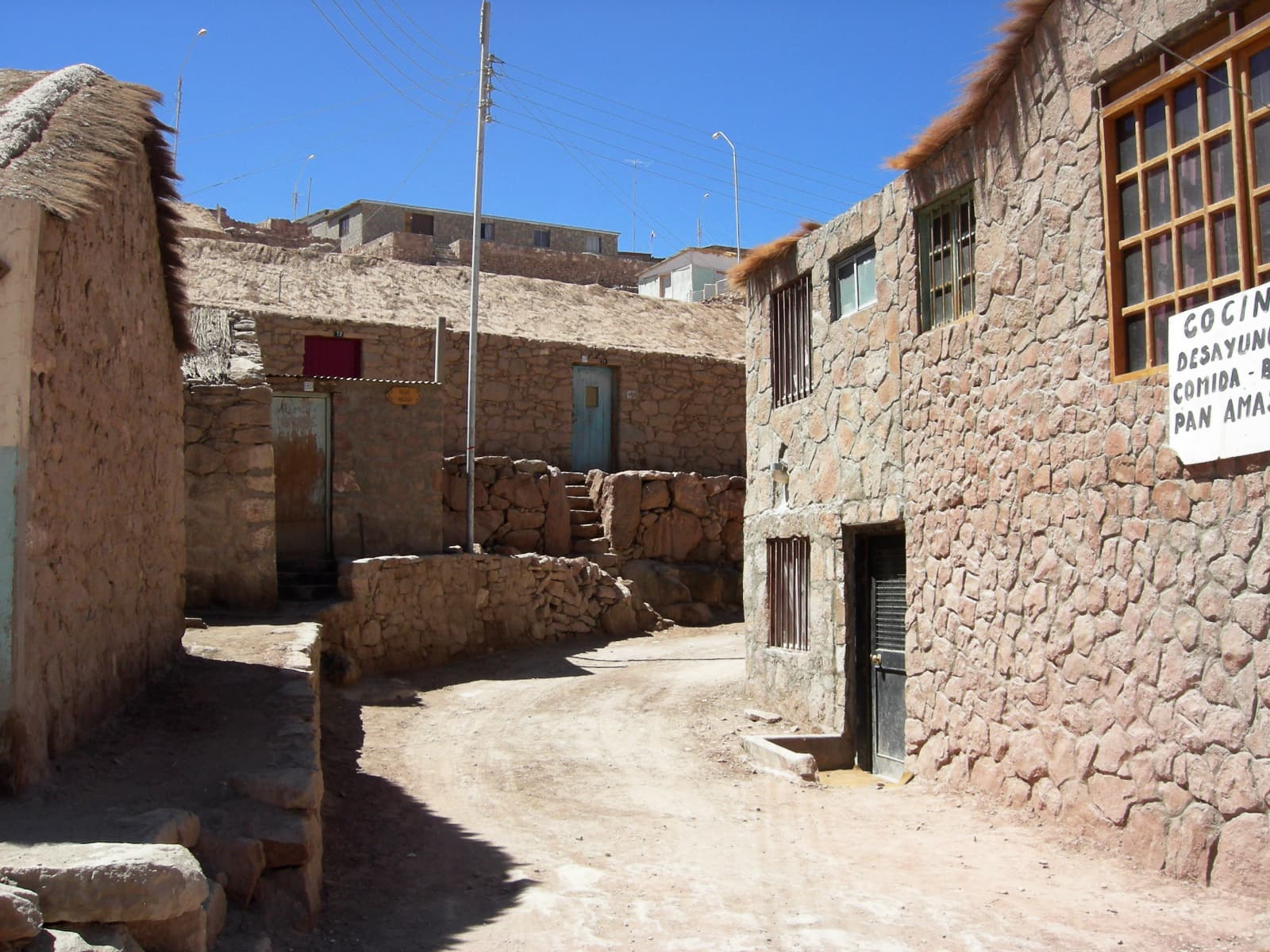 Carrie.g11 / CC BY-SA 3.0, via Wikimedia Commons
Самостоятельная аудиопрогулка по Калама — GPS-маршрут, офлайн-воспроизведение, увлекательное повествование на 32 языках.
“Там, где самая сухая пустыня встречается с самой длинной рекой, жизнь находит свой путь.”
Не открытки. Истории, которые не знают даже местные жители — шепотом в вашем ухе, прямо там, где они произошли.
Крупнейшая в мире меднорудная шахта открытого типа, монументальное инженерное достижение, когда-то вмещала город, теперь безмолвный свидетель недавнего прошлого.
В городе, известном своей экстремальной засушливостью, река прорезает зеленую тропу, неожиданную зеленую ленту.
Прибытие на автобусе в Каламу может познакомить путешественников с местным «спортом», испытанием бдительности.
Откройте для себя каждый секрет Калама
Каждый адрес, каждое полное раскрытие — в вашем ухе, прямо там, где это произошло.
Вы выбираете остановки. Вы гуляете. Голос раскрывает то, что упускают другие.


Ваш самостоятельный аудиотур по Калама готов — выберите свои достопримечательности, выберите свой язык и начните в момент прибытия.
КупитьВ Lume встроен гид дополненной реальности. Поднимите телефон: камера показывает улицу перед вами, а поверх реального изображения светится стрелка, всегда указывающая на вашу следующую остановку — не нужно разбираться с картой и сворачивать не туда. Как и всё в Lume, это работает полностью офлайн.
Калама раскинулся на высокогорных равнинах северного Чили, город, выкованный из меди, залегающей под его засушливой поверхностью. Это место резких контрастов: суровая, неукротимая красота пустыни Атакама, простирающаяся до самого горизонта, в сочетании с индустриальным гулом горнодобывающего центра. Воздух разрежен и чист, несет запах пыли и далекой промышленности, а солнце палит с такой силой, что определяет этот уникальный ландшафт.
Жизнь в Каламе вращается вокруг ритма шахт, особенно колоссальной Чукикамата, одной из крупнейших в мире меднорудных шахт открытого типа. Однако, помимо своего индустриального сердца, Калама предлагает ворота к глубоким природным чудесам и взгляд на стойкий дух тех, кто называет этот экстремальный регион своим домом. Это город, который, хотя и не является обычным туристическим направлением, предлагает подлинный опыт чилийской горнодобывающей границы и необыкновенной пустыни, которая его обнимает.
## Древние корни и колониальные сдвиги Задолго до появления современной горнодобывающей промышленности район Каламы пересекали коренные народы, в том числе атакаменьос, которые ориентировались в этих засушливых землях, используя жизненно важные воды реки Лоа. Свидетельства их присутствия, от древних петроглифов до ранних поселений, говорят о глубокой связи с этой сложной средой. Река служила источником жизни, позволяя заниматься сельским хозяйством и поддерживать общины в иначе негостеприимном регионе.
В колониальную эпоху территория стала частью вице-королевства Перу, затем Боливии, прежде чем окончательно стать чилийской. Ее удаленное расположение означало, что она оставалась в значительной степени незатронутой великими колониальными движениями, развиваясь вместо этого как серия небольших оазисов и транзитных пунктов вдоль древних торговых путей. Немногочисленное население жило в гармонии с землей, извлекая необходимое, не изменяя значительно обширные пустынные просторы.
## Медный бум и современный Калама Настоящая трансформация Каламы началась в конце 19-го и начале 20-го веков с открытием и последующей эксплуатацией огромных месторождений меди. Шахта Чукикамата, к северу от города, выросла в промышленного гиганта, привлекая рабочих и их семьи со всего Чили и за его пределами. Калама быстро превратился из скромного поселения в оживленный сервисный город, предоставляющий жилье, припасы и инфраструктуру для бурно развивающихся горнодобывающих предприятий.
Этот период ознаменовался значительным ростом и созданием современных удобств, хотя и всегда с учетом ограничений пустыни. Архитектура и планировка города отражают его утилитарное назначение, разработанное для поддержки тысяч людей, которые искали возможности в медных рудниках. Переселение жителей города Чукикамата в Каламу в 2003 году еще больше укрепило его роль как основного городского центра для горнодобывающего сообщества региона, сформировав его современную идентичность как стойкого и трудолюбивого пустынного мегаполиса.
Начните свое исследование с парка Эль Лоа, зеленого пространства, питаемого рекой Лоа, предлагающего освежающий контраст с окружающей пустыней. Здесь вы можете найти Археологический музей Каламы, в котором хранятся артефакты доколумбовых культур, дающие представление о древних жителях региона. Короткая поездка на север приведет вас к огромной шахте Чукикамата, поистине монументальной меднорудной шахте открытого типа. Хотя доступ часто ограничен организованными турами, наблюдение за ее масштабами — это глубокий опыт. Рассмотрите посещение главной площади города, Пласа 23 де Марсо, центрального места сбора, окруженного местными магазинами и закусочными. Для тех, кто интересуется местными ремеслами и продуктами, Меркадо Сентраль предлагает взгляд на повседневную жизнь и региональные товары. Окружающая пустыня также таит в себе достопримечательности, включая геоглифы и древние руины, которые лучше всего исследовать с местным гидом.
В Каламе преобладает засушливый пустынный климат с постоянно ясным небом и очень малым количеством осадков. Дни обычно теплые и солнечные, а ночи могут быть довольно прохладными, особенно зимой (с июня по август). Переходные сезоны, весна (сентябрь-ноябрь) и осень (март-май), предлагают наиболее комфортные температуры для исследований, избегая пиковой летней жары и самых холодных зимних ночей. Независимо от сезона, возьмите с собой многослойную одежду, чтобы приспособиться к значительным суточным колебаниям температуры.
До Каламы можно добраться по воздуху через аэропорт Эль Лоа (CJC), с регулярными рейсами из Сантьяго. Междугородние автобусы также соединяют Каламу с крупными чилийскими городами. В городе такси и коллективос (общие такси) являются распространенным и доступным средством передвижения. Учитывая высоту города (около 2260 метров или 7415 футов), рекомендуется не торопиться в первый день, чтобы акклиматизироваться. Интенсивность солнечного света в пустыне значительна, поэтому всегда используйте солнцезащитный крем, носите шляпу и пейте достаточно жидкости. Хотя Калама в целом безопасен, будьте внимательны к своим вещам, особенно в людных местах, таких как автобусная станция.
Калама: корейский, китайский, иврит и ещё 29 языков — каждую остановку озвучивает носитель языка. Самый широкий выбор языков среди аудиоэкскурсий без гида.
Доступные языки: