BOH Tea Plantation, Sungai Palas
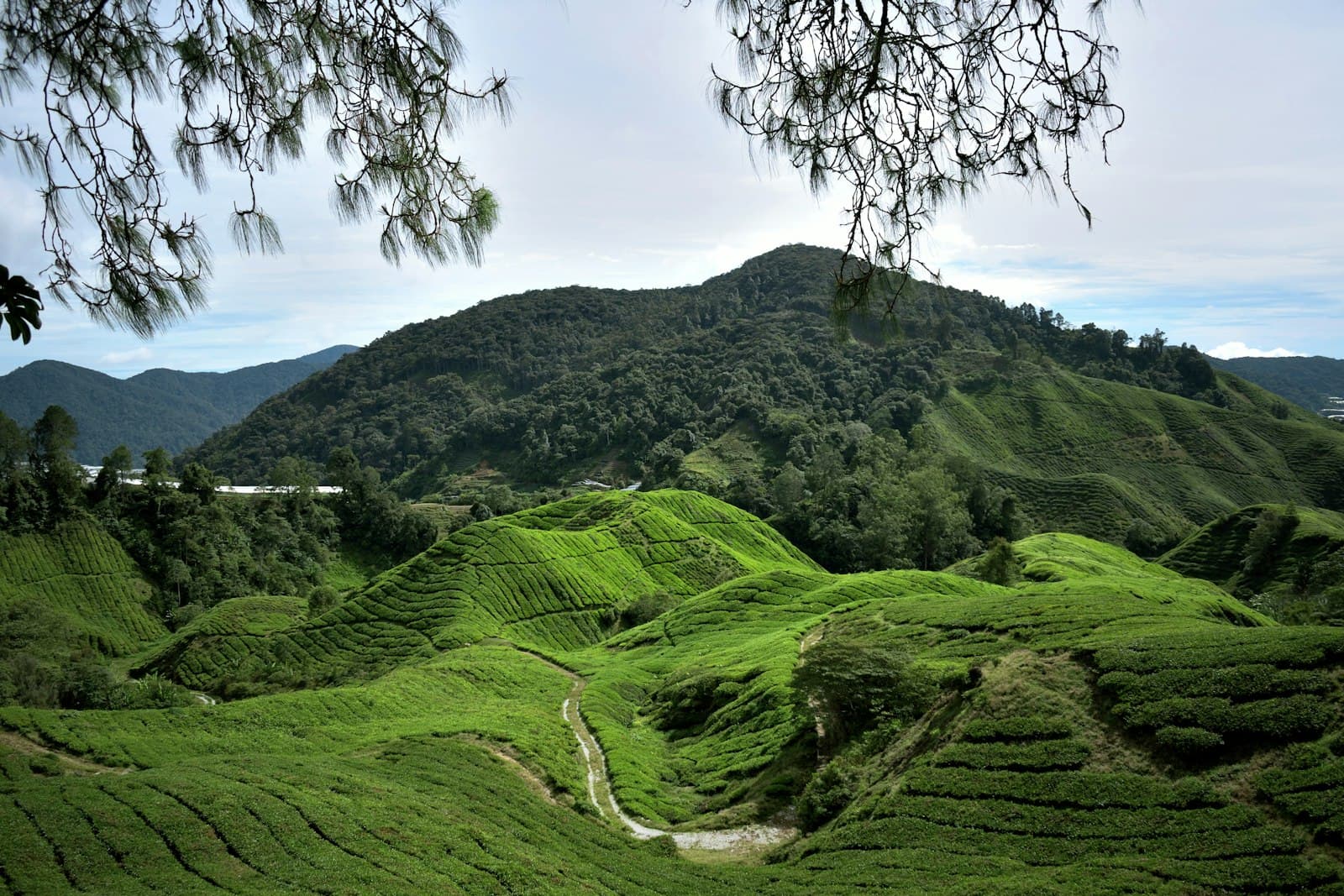
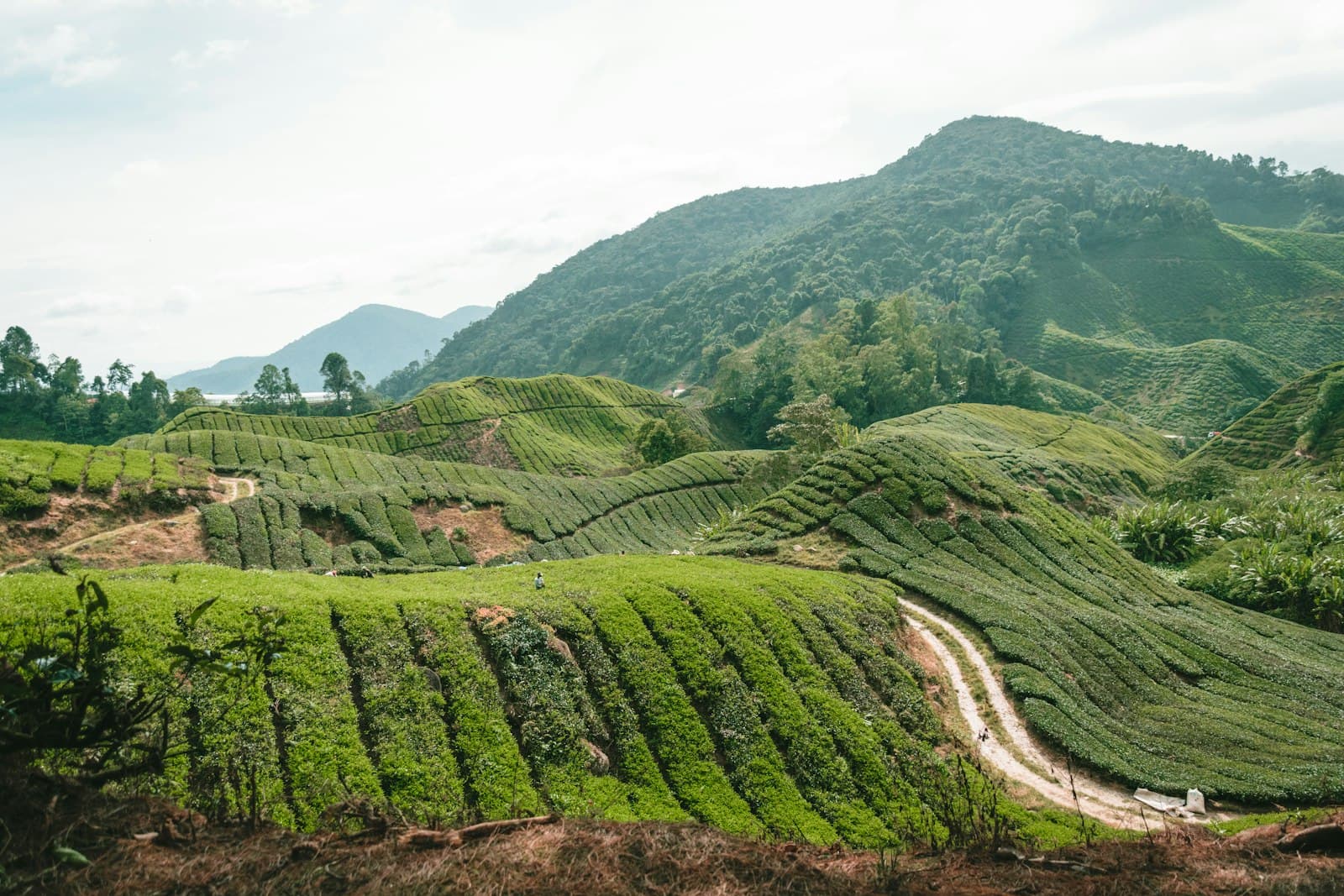
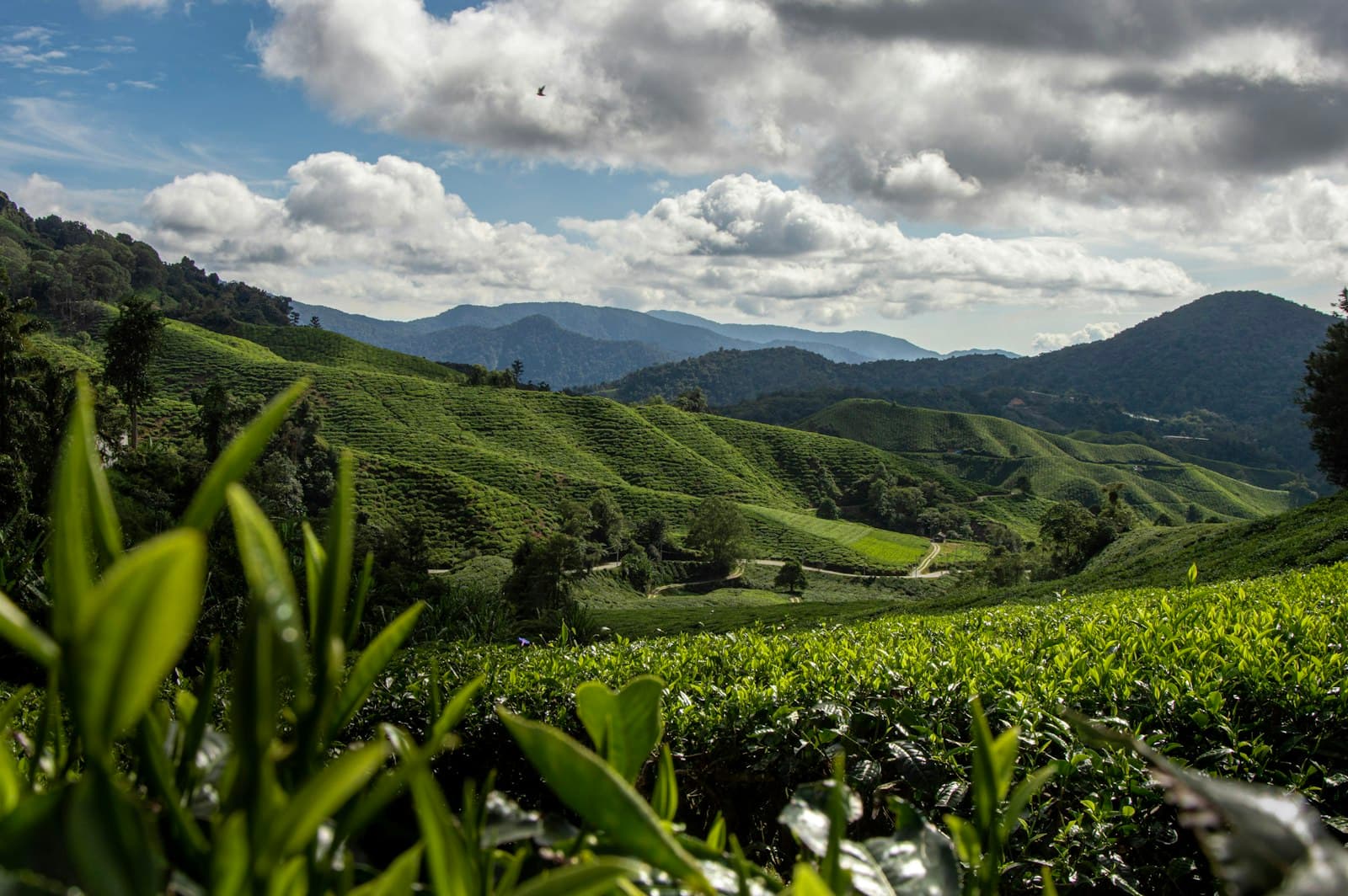
Die ikonische BOH Tea Plantation bietet mehr als nur eine Tasse Tee; sie birgt ein filmisches Geheimnis in ihrer üppigen Weite.
Die ganze Geschichte wird in der Tour freigeschaltet
 Will Ellis from Reading, England / CC BY 2.0, via Wikimedia Commons
Selbstgeführte Audio-Walking-Tour durch Cameron Highlands — GPS-Route, Offline-Wiedergabe, erzählerische Narration in 32 Sprachen.
“Wo smaragdgrüne Teehügel auf neblige Wälder und koloniale Echos treffen.”
Nicht die Postkarten. Die Geschichten, die selbst Einheimische nicht kennen – dir ins Ohr geflüstert, genau dort, wo sie geschahen.
Die ikonische BOH Tea Plantation bietet mehr als nur eine Tasse Tee; sie birgt ein filmisches Geheimnis in ihrer üppigen Weite.
Dieser uralte Wald besitzt eine ätherische Qualität, doch seine besondere Atmosphäre ist mehr als nur ein visueller Anblick.
Die Cameron Highlands bewahren eines der beständigsten ungelösten Rätsel Südostasiens, das eine berühmte amerikanische Persönlichkeit betrifft.
Entdecke jedes Geheimnis von Cameron Highlands
Jede Adresse, jede Enthüllung vollständig – in deinem Ohr, genau dort, wo es geschah.
Du wählst deine Stationen. Du gehst. Die Stimme enthüllt, was andere übersehen.
Deine selbstgeführte Audio-Tour durch Cameron Highlands ist bereit – wähle deine Sehenswürdigkeiten, deine Sprache und starte, sobald du ankommst.
KaufenLume enthält einen integrierten Augmented-Reality-Guide. Halten Sie Ihr Handy hoch: Die Kamera zeigt die Straße vor Ihnen, mit einem leuchtenden Pfeil über dem echten Bild, der immer auf Ihren nächsten Stopp zeigt — keine Karte zum Rätseln, keine falschen Abzweigungen. Wie alles bei Lume funktioniert es komplett offline.
Die Cameron Highlands, ein Hochebenenplateau im malaysischen Bundesstaat Pahang, bieten eine erfrischende Abwechslung von der tropischen Hitze des Tieflandes. Die Region liegt auf einer Höhe von 800 bis 1.800 Metern über dem Meeresspiegel und zeichnet sich durch ihr kühles, gemäßigtes Klima aus, was sie zu einem besonderen Reiseziel in Malaysia macht. Weite Teeplantagen bedecken die sanften Hügel und schaffen eine beeindruckende Landschaft, die Besucher anzieht, die Ruhe und natürliche Schönheit suchen. Neben den Teeplantagen ist die Gegend auch für ihre Erdbeerfarmen, Blumengärten und vielfältigen Waldwege bekannt.
Dieser Bezirk, der Städte wie Tanah Rata und Brinchang umfasst, verbindet indigene Orang Asli-Gemeinschaften mit deutlichem britischem Einfluss aus der Kolonialzeit und zeitgenössischen malaysischen Anbautraditionen. Tudor-inspirierte Architektur steht neben lebhaften lokalen Märkten und spiegelt eine vielschichtige kulturelle Identität wider. Ob Sie die kurvenreichen Straßen erkunden, durch alte Wälder wandern oder einfach nur eine Tasse lokal angebauten Tee genießen, die Cameron Highlands bieten ein einzigartiges Erlebnis, das sie von anderen Zielen in Malaysia unterscheidet.
Die Geschichte der Cameron Highlands begann 1885, als der britische Vermesser William Cameron während einer Kartierungsexpedition des Titiwangsa-Gebirges ein weites Plateau mit sanften Hängen entdeckte. Sein erster Bericht blieb jedoch jahrzehntelang weitgehend unbeachtet. Erst in den 1920er Jahren besuchte der britische Kolonialverwalter Sir George Maxwell das Gebiet und erkannte sein Potenzial als 'Hill Station' – ein Kurort zur Flucht vor der drückenden tropischen Hitze des Tieflandes.
Die Entwicklung begann ernsthaft in den 1920er und 1930er Jahren, als Straßen durch den dichten Dschungel geschlagen wurden, eine anspruchsvolle Aufgabe angesichts des Geländes. Das kühle Klima und der fruchtbare Boden erwiesen sich als ideal für die Landwirtschaft, insbesondere für den Anbau von Tee, einer wertvollen Ware für die Briten. 1885 gründete John Archibald Russell die BOH Tea Estate, die schnell zu Malaysias größtem Teeproduzenten wurde und es bis heute ist. Neben Tee wurde die Hochebene auch für den Anbau von Gemüsesorten der gemäßigten Zone wie Erdbeeren, Kohl und Blumen bekannt, die in den heißeren Ebenen nicht gedeihen konnten.
Die Region gedieh als Zufluchtsort für britische Auswanderer, die im Tudorstil erbaute Herrenhäuser errichteten und englische Gärten anlegten, wodurch Teile des Dschungels in eine europäisch geprägte Kulturlandschaft verwandelt wurden. Hotels, Schulen und sogar ein Golfplatz wurden entwickelt. Nach dem Zweiten Weltkrieg wurden die dichten Dschungel der Cameron Highlands während des Malaiischen Notstands (1948-1960) zu einem Zufluchtsort für kommunistische Aufständische, eine Zeit, die den Fortschritt behinderte. Nach dem Ende des Aufstands wurde die Hill Station sorgfältig zu dem beliebten Ferienort entwickelt, der sie heute ist und sowohl lokale als auch internationale Besucher mit ihrer einzigartigen Mischung aus Naturschönheit, landwirtschaftlichen Angeboten und kolonialem Erbe anzieht.
Die Cameron Highlands bieten eine Vielzahl von Attraktionen, die ihre einzigartige Landschaft und ihr landwirtschaftliches Erbe unterstreichen. Ein Besuch der BOH Tea Plantation, Sungai Palas, gilt oft als unerlässlich. Sie bietet Werksbesichtigungen, ein Café mit weitem Ausblick und Einblicke in den Teeherstellungsprozess. Ein weiterer bedeutender Teeproduzent, die Cameron Valley Tea Plantation (Bharat Tea Plantation), bietet ebenfalls beeindruckende Ausblicke und ein Café, um frisch gebrühten Tee zu genießen.
Für Naturliebhaber ist der Mossy Forest ein einzigartiges Ökosystem mit alten Bäumen, seltenen Blumen und einem Holzsteg, der die Erkundung seiner ständig nebligen Umgebung erleichtert. Wanderwege gibt es in Hülle und Fülle, von leichten Spaziergängen bis hin zu anspruchsvolleren Aufstiegen, mit beliebten Routen wie Trail 10 zum Gunung Jasar, die weite Ausblicke bieten. Erdbeerfarmen wie die Big Red Strawberry Farm und Raju Hill's Strawberry Farm laden Besucher ein, selbst Erdbeeren zu pflücken und sich mit erdbeerhaltigen Leckereien zu verwöhnen. Der Cameron Lavender Garden, eine neuere Ergänzung, zeigt Lavendelfelder und andere bunte Blüten, komplett mit einem Café und einem Souvenirladen. Darüber hinaus bietet der Sam Poh Tempel, ein chinesischer buddhistischer Tempel in Brinchang, eine kulturelle Pause mit Blick auf die Stadt.
Die Cameron Highlands sind aufgrund ihres konstant kühlen, gemäßigten Klimas mit Temperaturen zwischen 15 °C und 25 °C das ganze Jahr über ein Reiseziel. Für diejenigen, die trockenes Wetter und klaren Himmel bevorzugen, sind die günstigsten Monate in der Regel Februar bis April. Diese Zeit ist ideal für Outdoor-Aktivitäten wie die Erkundung von Teeplantagen und Wanderungen. Die Übergangszeiten Mai, Juni und September bieten eine gute Balance zwischen mäßigem Regenfall und weniger Menschenmassen. Es ist ratsam, Wochenenden und Feiertage nach Möglichkeit zu meiden, da das Gebiet mit lokalen Besuchern sehr voll werden kann.
Die Hauptorte in den Cameron Highlands sind Tanah Rata (das Verwaltungszentrum) und Brinchang, die etwa 5 Kilometer voneinander entfernt liegen. Tanah Rata wird oft für Unterkünfte und Restaurants bevorzugt, während viele Attraktionen näher an Brinchang liegen. Die öffentlichen Verkehrsmittel in den Highlands sind begrenzt und können unzuverlässig sein. Taxis sind eine Option, aber die Anmietung eines Autos oder Rollers bietet mehr Flexibilität für die Erkundung. Viele Besucher entscheiden sich für organisierte Tagestouren, um beliebte Sehenswürdigkeiten effizient zu besuchen. Die Straße zu den Cameron Highlands kann kurvenreich sein, daher sollten Personen, die anfällig für Reisekrankheit sind, Vorsichtsmaßnahmen treffen. Obwohl im Allgemeinen sicher, ist es ratsam, die üblichen Vorsichtsmaßnahmen zu beachten, insbesondere beim Wandern, und Wertsachen zu sichern.
Cameron Highlands — Koreanisch, Chinesisch, Hebräisch und 29 weitere Sprachen, jede Station von einer muttersprachlichen Stimme erzählt. Die größte Sprachauswahl aller selbstgeführten Audiotouren.
Verfügbar auf: