Название Чаннаккале
Название города «Чаннаккале» содержит удивительную подсказку о некогда процветающей местной промышленности.
Полная история открывается в туре
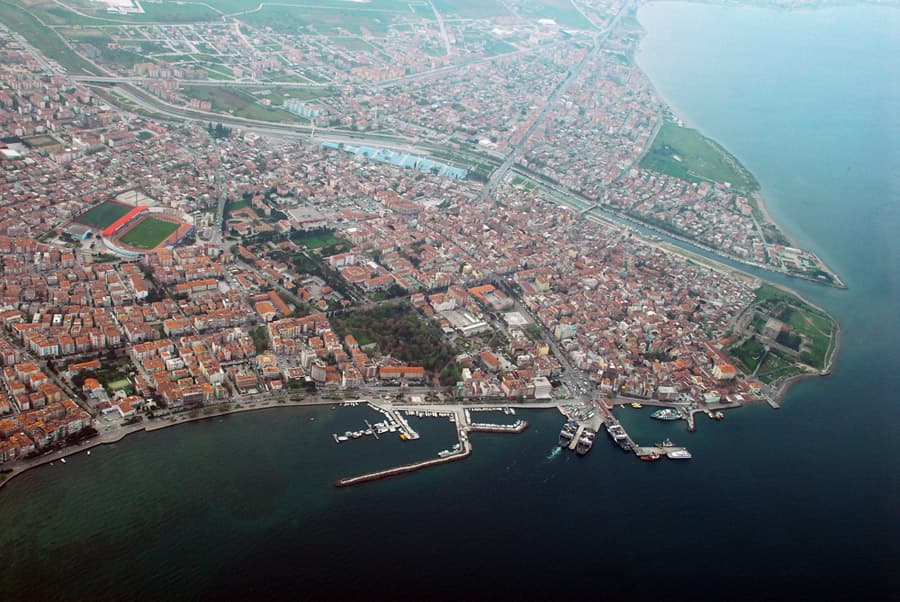 Myamya / Public domain, via Wikimedia Commons
Самостоятельная аудиопрогулка по Чанаккале — GPS-маршрут, офлайн-воспроизведение, увлекательное повествование на 32 языках.
“Где древние отголоски встречаются с эгейскими бризами.”
Не открытки. Истории, которые не знают даже местные жители — шепотом в вашем ухе, прямо там, где они произошли.
Название города «Чаннаккале» содержит удивительную подсказку о некогда процветающей местной промышленности.
Дарданеллы, которые охраняет Чаннаккале, имеют легендарного пловца, подвиг которого до сих пор повторяется.
Знаменитый деревянный Троянский конь на набережной Чаннаккале — не историческая копия, но у него есть голливудская предыстория.
Откройте для себя каждый секрет Чанаккале
Каждый адрес, каждое полное раскрытие — в вашем ухе, прямо там, где это произошло.
Вы выбираете остановки. Вы гуляете. Голос раскрывает то, что упускают другие.


Ваш самостоятельный аудиотур по Чанаккале готов — выберите свои достопримечательности, выберите свой язык и начните в момент прибытия.
КупитьВ Lume встроен гид дополненной реальности. Поднимите телефон: камера показывает улицу перед вами, а поверх реального изображения светится стрелка, всегда указывающая на вашу следующую остановку — не нужно разбираться с картой и сворачивать не туда. Как и всё в Lume, это работает полностью офлайн.
Çanakkale, город на южном берегу пролива Дарданеллы на северо-западе Турции, служит важнейшим мостом между Европой и Азией. Это стратегическое расположение формировало его идентичность на протяжении тысячелетий, от древних мифов до современных конфликтов. Сам город предлагает расслабленную атмосферу с оживленной набережной, местными кафе и студенческой энергией благодаря Университету Чаннаккале Онсекиз Март.
Помимо своего непосредственного очарования, Чаннаккале служит жизненно важными воротами к некоторым из самых глубоких исторических мест Турции. Это ближайший крупный городской центр к знаменитым руинам Трои и основная база для исследования трогательных полей сражений и мемориалов Первой мировой войны в Галлиполи. Независимо от того, привлекает ли вас эпическая поэзия, торжественное воспоминание или просто очарование прибрежного города с глубоким прошлым, Чаннаккале предлагает убедительный опыт.
История региона Чаннаккале насчитывает около 6000 лет, с ранними поселениями, идентифицированными в Кумтепе, и легендарным городом Троя, основанным между 3500 и 3000 годами до нашей эры. Этот район, особенно полуостров Бига, был заселен с позднего халколита. Древний город Троя, увековеченный в «Илиаде» Гомера, был выдающимся культурным центром с 3000 по 2000 год до нашей эры и был разрушен и перестроен девять раз, причем Троя VII считается городом Троянской войны.
Контроль над регионом переходил к различным империям. Эолийские греки поселились в 8 веке до нашей эры, основав торговые колонии. Лидийцы, а затем персы держали власть, прежде чем Александр Македонский победил персов в битве при Гранике, подчинив регион македонскому правлению в 4 веке до нашей эры. Позже он стал частью Пергамского царства во 2 веке до нашей эры.
Сам современный город Чаннаккале начал формироваться в османскую эпоху. В 1462 году султан Мехмед II Завоеватель приказал построить крепость Кале-и Султание на азиатском берегу Дарданелл для защиты пролива. Эта крепость стала ядром будущего города. К 17 и 18 векам Чаннаккале превратился из военного аванпоста в значительный центр производства керамики, что в конечном итоге дало городу его нынешнее название.
Пролив Дарданеллы, соединяющий Эгейское море с Мраморным морем, всегда имел огромное стратегическое значение. Это было драматически подчеркнуто во время Первой мировой войны Галлиполийской кампанией (1915–1916 гг.). Османские турецкие войска под командованием Мустафы Кемаля (позже Ататюрка) успешно отразили вторжение союзников, направленное на захват пролива и Стамбула. Эта кампания привела к большим потерям с обеих сторон и остается глубоким символом национального сопротивления для Турции и основополагающим событием в легенде АНЗАК (Австралийско-новозеландский армейский корпус). Ежегодные памятные мероприятия в День АНЗАК 25 апреля привлекают международных посетителей и способствуют межкультурному диалогу, чтя как турецкие, так и союзнические жертвы.
Сегодня Чаннаккале продолжает оставаться оживленным городом с населением около 143 622 человека (по состоянию на 2021 год). Он служит жизненно важным центром исторического туризма, связывая посетителей с древним миром Трои и торжественными полями сражений Галлиполи, а также предлагая оживленный современный опыт.
Начните свое исследование с набережной, где вы найдете знаменитого деревянного Троянского коня, реквизит из фильма «Троя» 2004 года, популярное место для фотографий. Недалеко находится Часовая башня Чаннаккале, построенная в 1897 году итальянским консулом Эмилио Виталисом. Для более глубокого погружения в местную историю и культуру посетите Городской музей, где проходят выставки и мероприятия.
Ни один визит в Чаннаккале не будет полным без посещения древнего города Троя, расположенного примерно в 30 километрах (18 милях) к юго-западу от города. Здесь вы можете пройтись среди археологических слоев, раскрывающих тысячи лет истории, и увидеть копию Троянского коня. Дополните свой визит современным Музеем Трои, где хранятся артефакты из раскопок и представлены интерактивные экспонаты, оживляющие легендарный город.
Через пролив Дарданеллы короткая паромная переправа приведет вас на полуостров Галлиполи, где находятся трогательные поля сражений и мемориалы Первой мировой войны. Ключевые объекты включают бухту АНЗАК, Сосновый бор и различные кладбища и памятники, посвященные павшим солдатам. Регулярные паромы соединяют Чаннаккале с Килитбахиром, где вы можете посетить замок Килитбахир, еще одну крепость османской эпохи, охраняющую Дарданеллы.
Лучшим временем для посещения Чаннаккале считаются переходные сезоны — весна (апрель-май) и осень (сентябрь-октябрь). В эти месяцы температура умеренная, а туристов меньше, что делает их идеальными для изучения исторических мест, таких как Галлиполи и Троя. Лето (июнь-август) теплое и солнечное, привлекает больше туристов, особенно на близлежащие острова. Зима (декабрь-февраль) прохладная, дождливая и ветреная, с меньшим количеством доступных услуг.
Официальная валюта в Чаннаккале и по всей Турции — турецкая лира (TRY), символизируемая ₺. Хотя в некоторых туристических зонах могут принимать евро или доллары США, для совершения покупок обычно рекомендуется использовать турецкие лиры, чтобы избежать менее выгодных обменных курсов. Вы можете обменять валюту в офисах по всей Турции, и часто рекомендуется делать это до прибытия в аэропорт.
Официальным языком является турецкий. Хотя в туристических зонах есть английские вывески, знание нескольких основных турецких фраз может улучшить ваш опыт. Центр города Чаннаккале компактен и очень удобен для пеших прогулок, многие достопримечательности, кафе и магазины находятся в пределах легкой досягаемости пешком. Для более дальних расстояний доступны маршрутные такси (долмуши) и муниципальные автобусы с системой «Kent Kart», упрощающей общественный транспорт. Автобусная линия C9 соединяет главный автовокзал, расположенный примерно в 5 километрах от центра города, с центром города.
Чанаккале: корейский, китайский, иврит и ещё 29 языков — каждую остановку озвучивает носитель языка. Самый широкий выбор языков среди аудиоэкскурсий без гида.
Доступные языки: