Along a secluded stretch of road, some claim to encounter a figure that defies explanation.
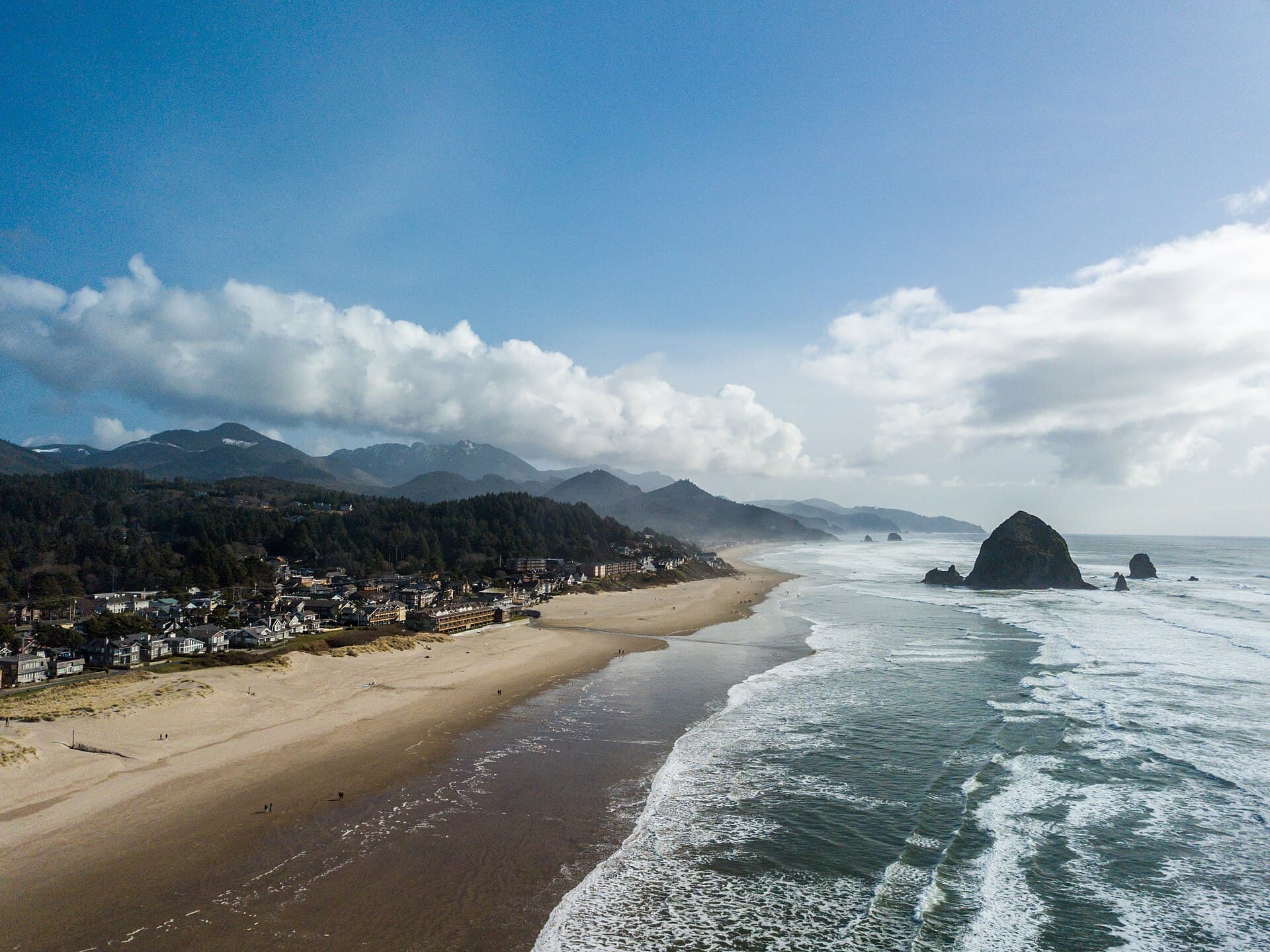
Dima Sergiyenko; Please attribute this image as the work of "DiscoverWithDima." / CC BY-SA 4.0, via Wikimedia CommonsCannon Beach
Self-guided audio walking tour of Cannon Beach — GPS route, offline playback, story-driven narration in 32 languages.
“Where an immense monolith meets artistic whimsy and coastal lore.”
Cannon Beach, as no one tells it.
Not the postcards. The stories even locals don't know — whispered in your ear, right where they happened.
One spring night, the town was inexplicably adorned with a curious collection, only for it to vanish by morning.
This isolated lighthouse, visible from Ecola State Park, holds a secret far beyond its guiding light.
Discover every secret of Cannon Beach
Every address, every reveal in full — in your ear, right where it happened.
You pick your stops. You walk. The voice reveals what the others miss.


How long do you have in Cannon Beach?
Your self-guided audio tour of Cannon Beach is ready — pick your landmarks, choose your language, and start the moment you arrive.
BuyThe story of Cannon Beach
Cannon Beach, a small city along the Oregon Coast, draws visitors with its dramatic scenery and appealing atmosphere. With a population of around 1,500 residents, it welcomes an estimated 750,000 visitors annually. The town is most recognized for Haystack Rock, a 235-foot sea stack that rises from the Pacific Ocean and is accessible at low tide. National Geographic recognized Cannon Beach as one of the world's '100 most beautiful places' in 2013.
The town offers a blend of natural splendor and a thriving arts scene. Its main street, North Hemlock Street, features clapboard-style architecture, art galleries, boutiques, and diverse dining options. Beyond Haystack Rock, the area provides opportunities for exploring tide pools, hiking coastal trails, and observing diverse wildlife.
Located about 90 minutes west of Portland and four hours southwest of Seattle, Cannon Beach is easily accessible by car. Public transportation via a twice-daily bus from Portland is also available. The city's blend of iconic natural landmarks, artistic flair, and a relaxed coastal ambiance makes it a distinctive Pacific Northwest experience.
Indigenous Roots and Early Exploration
The history of Cannon Beach begins with the Tillamook people, who inhabited the area for generations before European explorers arrived, with archaeological evidence suggesting their presence since the 15th century. In early 1806, Captain William Clark, along with Sacagawea and other members of the Lewis and Clark Expedition, ventured to the area while wintering at Fort Clatsop. They were drawn by reports of a beached whale and traded with the local Tillamook people for blubber. Clark described the views from Tillamook Head, within what is now Ecola State Park, as 'the grandest and most pleasing prospects which my eyes ever surveyed.'
The Cannon's Arrival and Town Naming
The town's distinctive name originates from a real cannon. In September 1846, the U.S. Navy schooner USS Shark shipwrecked at the mouth of the Columbia River. Debris from the wreck, including cannons, drifted south along the coast. Rumors of cannons in the surf circulated for years until one was rediscovered in Arch Cape Creek in 1898 by a mail carrier, James Austin. This cannon was then moved and displayed, inspiring the name Cannon Beach for a post office established in 1891. The community itself, originally known as Elk Creek, officially adopted the name Cannon Beach in 1922, with Elk Creek being renamed Ecola Creek to honor Clark's original designation. The original cannon is now preserved at the Cannon Beach History Center and Museum, while a replica can be seen along Highway 101. Two more cannons from the USS Shark were discovered in 2008.
Protecting the Coastline and Community Spirit
Oregon's beaches were declared a public highway in 1913 by Governor Oswald West, a foundational step for the later Beach Bill. In 1932, much of the land encompassing Ecola State Park was acquired by Oregon State Parks through gifts and purchases from private landowners. The park's development continued with Civilian Conservation Corps crews building trails and facilities.
Cannon Beach faced a significant challenge in 1964 when a tsunami, triggered by an earthquake in Alaska, flooded the downtown area and destroyed the Elk Creek bridge. In response, the community initiated the annual Cannon Beach Sandcastle Contest to boost morale and attract visitors, an event that continues today and has been designated an Oregon Heritage Event. The pivotal Oregon Beach Bill, ensuring public access to beaches, was signed by Governor Tom McCall in 1967. Today, Cannon Beach is recognized as a top art town, with a focus on preserving its natural beauty and fostering a strong community spirit.
The most iconic landmark in Cannon Beach is Haystack Rock, a 235-foot sea stack that is part of the Oregon Islands National Wildlife Refuge. At low tide, visitors can walk up to the rock and explore its tide pools, which teem with marine life such as starfish, anemones, and crabs. Haystack Rock is also a vital nesting site for seabirds, including the colorful Tufted Puffins, visible from April through early July.
Just a short drive north of town, Ecola State Park offers dramatic views of the coastline, headlands, and the Tillamook Rock Lighthouse. The park features miles of hiking trails, including a segment of the Oregon Coast Trail, winding through lush Sitka spruce forests and offering cliffside viewpoints. Indian Beach, within Ecola State Park, is a secluded sandy beach popular for surfing and tidepooling.
Strolling through downtown Cannon Beach reveals an appealing village with clapboard architecture, art galleries, boutiques, and a variety of restaurants and breweries. The Cannon Beach History Center and Museum houses the original cannon that gave the town its name, offering insight into the area's past.
For more coastal exploration, consider a visit to Hug Point, where at low tide, you can see a waterfall cascading onto the sand and ocean-carved caves.
Cannon Beach offers distinct experiences throughout the year. Summer (June to August) is the most popular time, with average daily highs in the mid-70s°F (24°C), ideal for beach activities and events like the Cannon Beach Sandcastle Contest. However, this season also brings larger crowds and higher prices.
For fewer crowds and a more relaxed pace, consider the 'magic season' of fall (September to November) and winter (December to February). Fall brings crisp mornings, warm afternoons, and opportunities for whale watching as gray whales migrate. Winter offers dramatic storm watching, with waves crashing against the rocks, and holiday events. Spring (March to May) provides a mix of cooler weather and fewer visitors, perfect for hiking, observing blooming wildflowers, and prime whale and Tufted Puffin watching (April through July).
Cannon Beach is approximately 90 minutes west of Portland and about four hours southwest of Seattle by car. Most visitors drive, with the town located four miles south of the US-26 junction on US-101. Public transportation from Portland is available via a twice-daily bus service.
Dress in layers, as the North Oregon Coast experiences a cool marine climate year-round, with unpredictable weather. Summer highs are in the upper 60s°F (20s°C), while winter lows drop to the high 30s°F (around 3°C). November to January are the rainiest months, often presenting as a drizzle. Comfortable walking shoes suitable for both beach and trails are recommended.
Lodging options range from resorts and boutique hotels to vacation rentals and campgrounds. Reservations are highly recommended, especially during summer, holidays, and popular event weekends. Dining options are varied, from fine dining to family-friendly restaurants, and reservations are advisable, particularly during peak seasons.
- What is Haystack Rock?
- Haystack Rock is a 235-foot basalt sea stack on Cannon Beach, known for its tide pools and as a nesting site for seabirds, including Tufted Puffins. It was formed by lava flows 15-17 million years ago.
- Can you walk to Haystack Rock?
- Yes, Haystack Rock is accessible by foot at low tide, allowing visitors to explore its tide pools. However, it is a protected marine garden, and activities are not allowed within 100 feet of the rock to protect wildlife.
- When is the best time to see Tufted Puffins?
- Tufted Puffins nest on Haystack Rock from April through early July, making this the best time to observe them. They are most visible and active during this breeding season.
- How did Cannon Beach get its name?
- Cannon Beach was named after a cannon from the *USS Shark*, a U.S. Navy schooner that shipwrecked in 1846. The cannon washed ashore and was rediscovered in 1898, inspiring the town's name.
- What is Ecola State Park?
- Ecola State Park, located north of Cannon Beach, is a 1,023-acre park offering panoramic coastal views, hiking trails through Sitka spruce forests, and access to Indian Beach. It was visited by the Lewis and Clark Expedition in 1806.
- Is Cannon Beach family-friendly?
- Yes, Cannon Beach is considered a family-friendly destination with activities like exploring tide pools, puffin watching, building sandcastles, and visiting nearby attractions like Fort Stevens State Park. The town also hosts an annual Sandcastle Contest.