The Moon and Star Symbol
The iconic symbol etched into Canoa Quebrada's cliffs carries several origin stories. Which narrative resonates most with you?
Full story unlocks in the tour
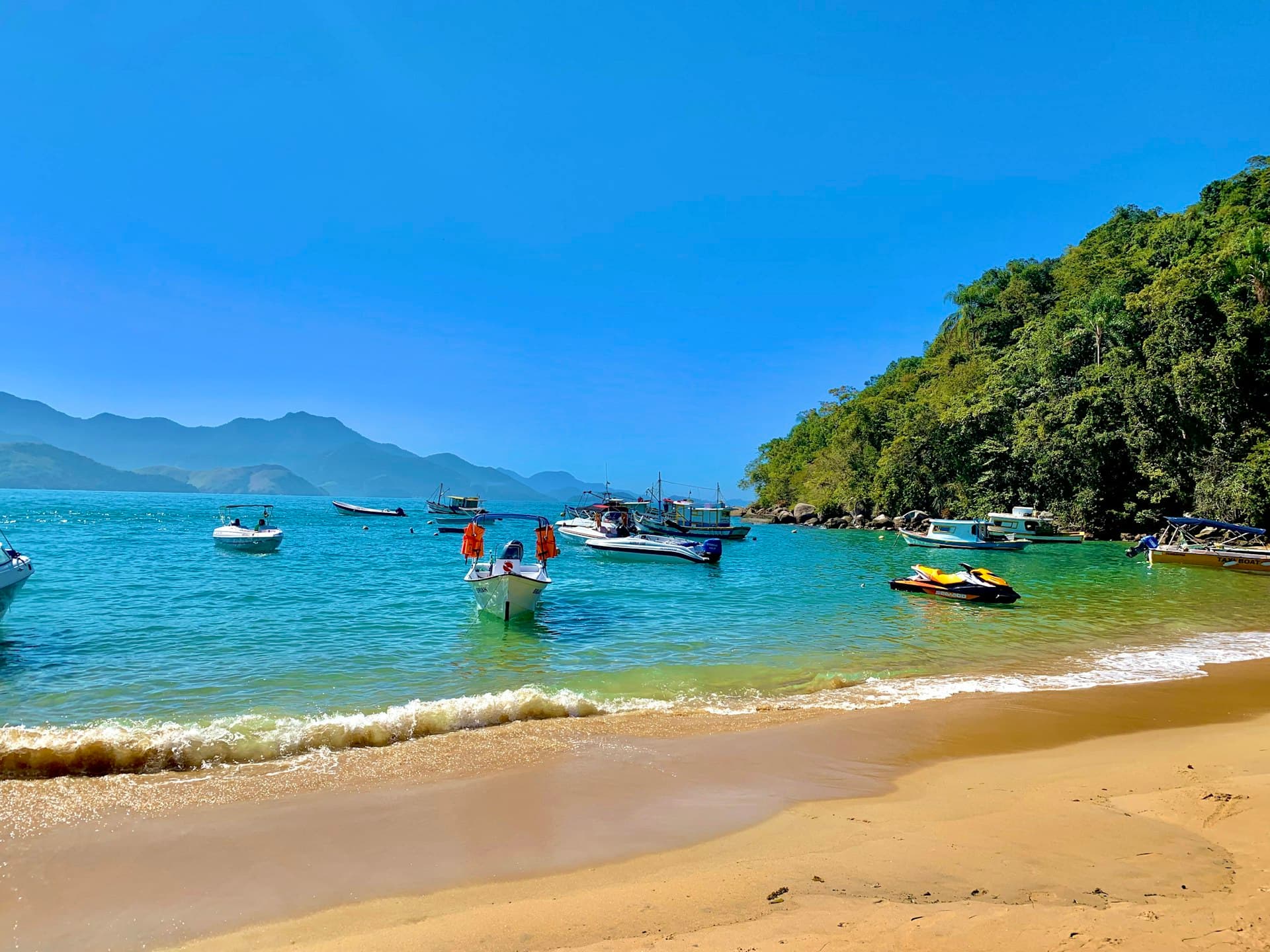 Photo: Kevin Ramos / Unsplash
Self-guided audio walking tour of Canoa Quebrada — GPS route, offline playback, story-driven narration in 32 languages.
“Where ochre cliffs meet emerald seas, and a free spirit dances with the wind.”
Not the postcards. The stories even locals don't know — whispered in your ear, right where they happened.
The iconic symbol etched into Canoa Quebrada's cliffs carries several origin stories. Which narrative resonates most with you?
Canoa Quebrada's primary thoroughfare, affectionately known as 'Broadway,' bears an official name that carries more historical weight than its lively moniker suggests.
The dune buggy, an integral part of the Canoa Quebrada experience, holds a surprising origin far from the Brazilian coast.
Discover every secret of Canoa Quebrada
Every address, every reveal in full — in your ear, right where it happened.
You pick your stops. You walk. The voice reveals what the others miss.


Your self-guided audio tour of Canoa Quebrada is ready — pick your landmarks, choose your language, and start the moment you arrive.
BuyLume has a built-in augmented-reality guide. Hold your phone up and its camera shows the street ahead of you, with a glowing arrow laid over the real view that always points to your next stop — no map to puzzle over, no wrong turns. Like everything in Lume, it works fully offline.
Canoa Quebrada, often called the 'pearl of the east coast of Ceará,' is a captivating beach town in northeastern Brazil, approximately 160 kilometers (100 miles) southeast of Fortaleza. This former fishing village is celebrated for its striking red cliffs, expansive white sand beaches, and a lively, free-spirited atmosphere. The landscape is a vivid composition of colorful cliffs, towering sand dunes, and the calm turquoise waters of the Atlantic.
Once a secluded haven for artists and free spirits in the 1970s and 80s, Canoa Quebrada has matured into an internationally recognized destination. Despite its growing renown, it retains a relaxed allure, blending natural splendor with opportunities for adventure and cultural engagement. The town's singular character is evident in its animated main street, known as 'Broadway,' and the distinctive moon and star symbol carved into its cliffs.
The story of Canoa Quebrada begins in 1650 when Portuguese navigator Francisco Aires da Cunha shipwrecked on Ponta Grossa beach and received aid from local fishermen. The area subsequently became known as “Canoa Quebrada,” meaning “Broken Canoe,” a name that echoes this historical event.
For centuries, it remained a tranquil fishing settlement. Its re-discovery in the 1960s by French filmmakers from the Nouvelle Vague movement marked a turning point, introducing the remote locale to a broader audience. This exposure led to Canoa Quebrada becoming a favored retreat for free spirits throughout the 1970s and backpackers in the 1980s, drawn by its secluded access and sense of liberty.
In 1995, paved access from the main highway significantly improved connectivity, making the village more reachable. The main street, affectionately dubbed 'Broadway,' remained a sandy track until 2003, when it was paved with Portuguese rock sidewalks, further cementing the town's evolution into a modern beach destination. Despite these transformations, the community has actively worked to conserve its natural grandeur and quality of life, establishing the Canoa Quebrada Environmental Protection Area (APACQ) in 1997 to manage tourism-driven growth.
The dramatic red cliffs that frame Canoa Quebrada beach are a defining characteristic, providing a striking backdrop to the white sands and clear waters. Etched into these cliffs is the iconic symbol of a crescent moon and a star, a landmark that inspires multiple local legends regarding its genesis.
For those seeking adventure, dune buggy tours are an essential experience, traversing the expansive sand dunes and visiting freshwater lagoons. The strong, consistent winds make Canoa Quebrada an ideal location for kitesurfing and windsurfing, with lessons often available at the Jaguaribe River estuary. Paragliding from the cliffs offers a unique vista of the coastline.
Evenings come alive on 'Broadway' (Rua Dragão do Mar), the main street lined with eateries, bars, and shops, creating an animated atmosphere that extends late into the night. For a more peaceful experience, a traditional jangada (sailing raft) ride provides a serene way to appreciate the coastal views.
Canoa Quebrada enjoys a consistent, warm climate throughout the year, with average daytime temperatures around 30°C (86°F). The dry season, from July to December, is generally considered the most opportune time to visit, offering clear skies and minimal rain, perfect for beach activities and water sports. While the region experiences a short rainy season from February to May, rainfall is moderate and often brings thunderstorms rather than prolonged downpours. The strong winds favorable for kitesurfing are particularly steady from July to January.
Canoa Quebrada is situated approximately 160-165 kilometers (100-102 miles) from Fortaleza, the capital of Ceará. The most convenient way to reach Canoa Quebrada from Fortaleza is by bus, with several daily direct routes from Fortaleza's main bus terminal. Alternatively, private minivan transfers or renting a car offer greater flexibility. While Aracati has a regional airport (Dragão do Mar Airport), flights are limited and can be more costly, though vans and taxis connect the airport to Canoa Quebrada.
Once in Canoa Quebrada, the village is compact and easily explored on foot. Accommodations range from pousadas (guesthouses) to hotels, many within walking distance of the beach and 'Broadway.' The local cuisine often features fresh seafood, especially lobster, which can be savored at beachfront barracas (small bars or restaurants) or local eateries.
Canoa Quebrada in Korean, in Chinese or in Hebrew — and 29 more languages, every stop narrated by a native voice. The widest language range of any self-guided audio tour.
Available in: