Santuario de la Vera Cruz
La croce all'interno del santuario di Caravaca non è una reliquia ordinaria; la sua presenza qui è attribuita a un intervento divino che ha influenzato un re moro.
La storia completa si sblocca nel tour
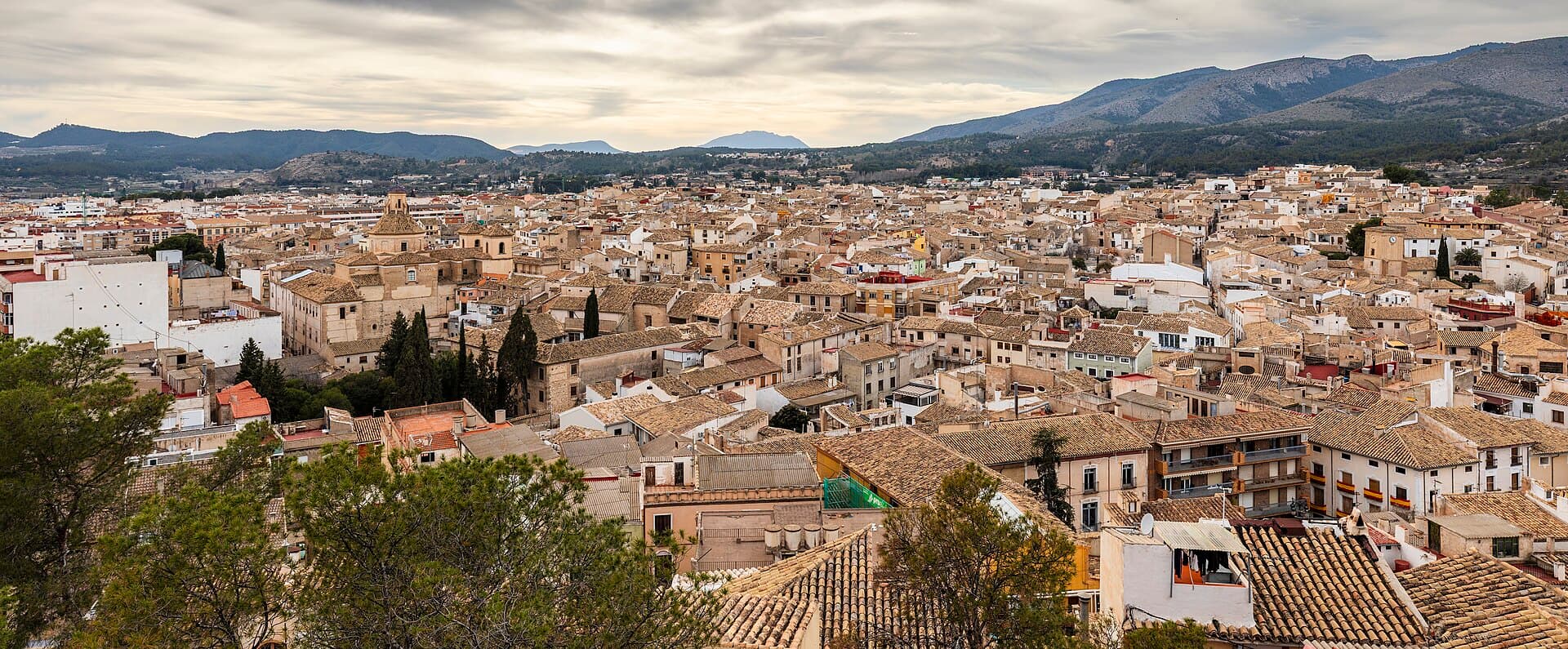 Ximonic (Simo Räsänen) / CC BY-SA 4.0, via Wikimedia Commons
Tour audio autoguidato di Caravaca de la Cruz — percorso GPS a piedi, riproduzione offline, narrazione coinvolgente in 32 lingue.
“Dove antiche leggende e sacre reliquie si intrecciano con la vita spagnola.”
Non le cartoline. Le storie che nemmeno i locali conoscono — sussurrate nel tuo orecchio, proprio dove sono accadute.
La croce all'interno del santuario di Caravaca non è una reliquia ordinaria; la sua presenza qui è attribuita a un intervento divino che ha influenzato un re moro.
La festa annuale dei 'Cavalli del Vino' presenta uno spettacolo di cavalli ricamati che corrono in salita, ma le sue origini sono legate a un disperato assedio medievale.
Oltre al suo significato religioso, la distintiva Croce di Caravaca a doppio braccio porta un potere meno conosciuto, specialmente quando ricevuta come un dono premuroso.
Scopri ogni segreto di Caravaca de la Cruz
Ogni indirizzo, ogni rivelazione completa — nel tuo orecchio, proprio dove è accaduta.
Scegli le tue tappe. Cammini. La voce rivela ciò che gli altri perdono.
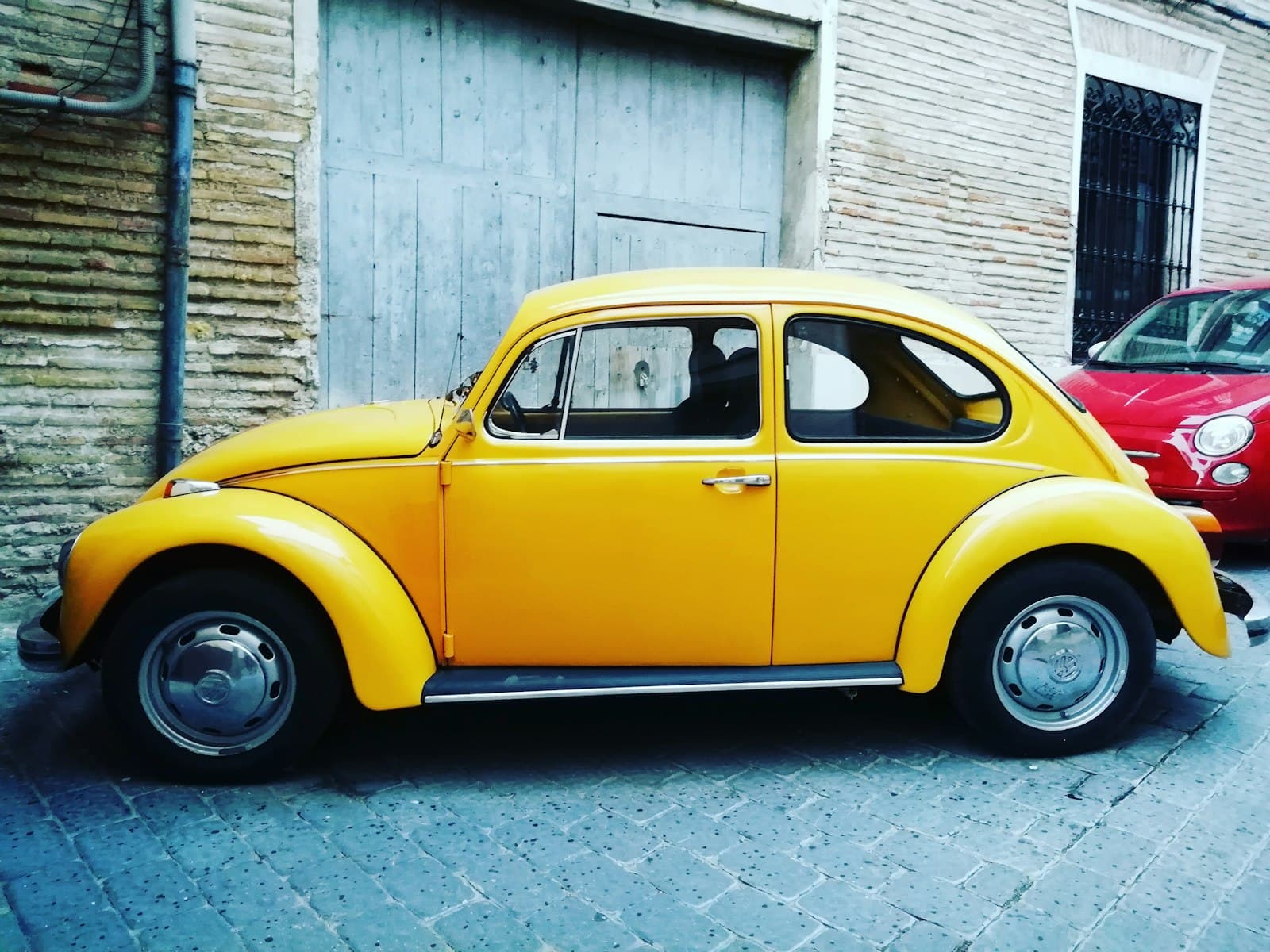
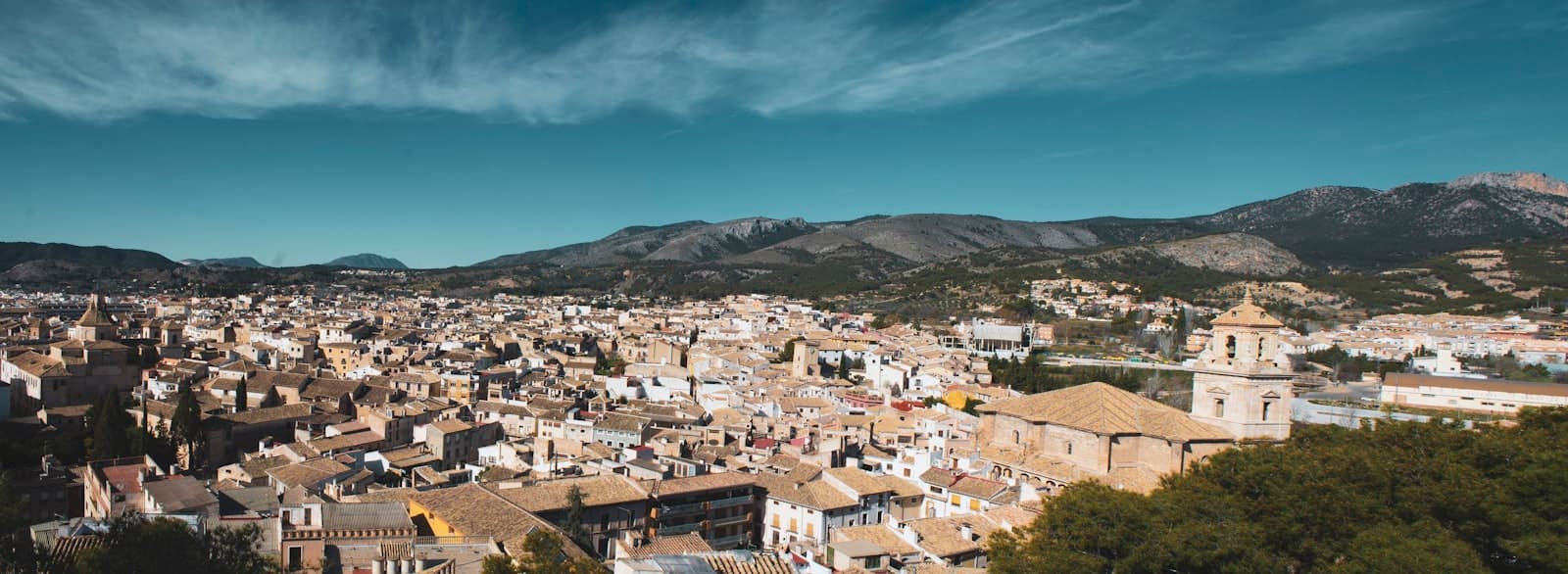
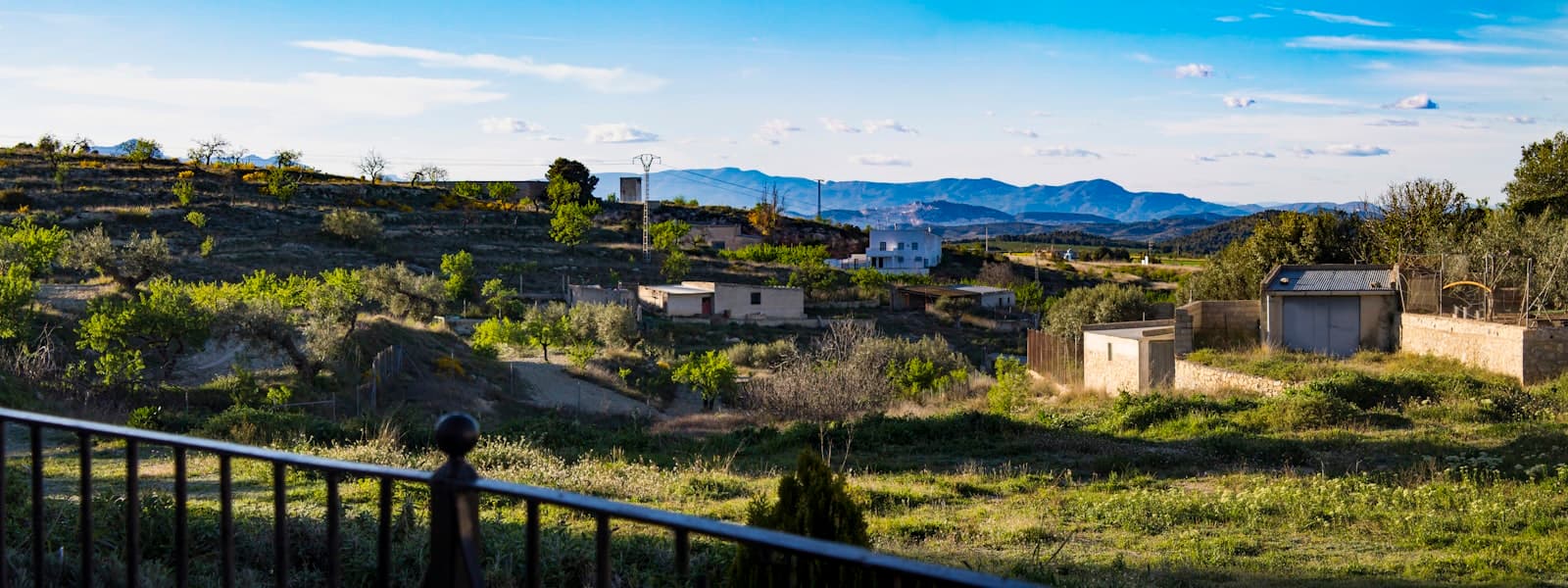
Il tuo tour audio autoguidato di Caravaca de la Cruz è pronto — scegli i tuoi punti di interesse, seleziona la tua lingua e inizia nel momento in cui arrivi.
AcquistaLume include una guida in realtà aumentata. Alza il telefono: la fotocamera mostra la strada davanti a te, con una freccia luminosa sovrapposta all'immagine reale che punta sempre verso la tua prossima tappa — nessuna mappa da decifrare, nessuna svolta sbagliata. Come tutto in Lume, funziona completamente offline.
Caravaca de la Cruz, una città nel nord-ovest della regione spagnola di Murcia, è una destinazione dove storia, spiritualità e tradizioni durature convergono. Detiene l'esclusiva distinzione di essere una delle uniche cinque Città Sante della cristianità cattolica, un privilegio concesso da Papa Giovanni Paolo II nel 1998, che le consente di celebrare un Anno Giubilare perpetuo ogni sette anni.
L'identità della città è indissolubilmente legata alla Vera Cruz, o Vera Croce, una reliquia venerata che si ritiene contenga frammenti della croce su cui fu crocifisso Gesù Cristo. Questa pietra angolare spirituale attira migliaia di pellegrini e visitatori ogni anno, in particolare durante i suoi Anni Santi, con il prossimo previsto per il 2024.
Oltre al suo fascino religioso, Caravaca de la Cruz offre un affascinante mix di patrimonio culturale, dal suo castello medievale alle sue vivaci feste, in particolare le Feste Maggiori con lo spettacolare 'Corsa dei Cavalli del Vino'. Il centro storico della città, con i suoi stretti passaggi ed edifici storici, invita all'esplorazione, rivelando strati di influenze moresche, templari e castigliane.
La storia di Caravaca de la Cruz risale a ben prima dell'epoca romana, con prove archeologiche che suggeriscono la presenza umana per oltre 800.000 anni, inclusi resti di Homo Heidelbergensis. L'area fu successivamente abitata dalle culture argarica, iberica e romana, con i romani che utilizzavano la regione per la produzione di grano, olio e vino.
Dopo la caduta dell'Impero Romano, la penisola iberica vide invasioni da parte dei Visigoti e successivamente dei Mori. Caravaca de la Cruz subì trasformazioni significative durante il periodo moresco, e molte influenze architettoniche e culturali di quest'epoca sono ancora visibili oggi. La posizione strategica della città al confine tra territori cristiani e moreschi la rese teatro di frequenti conflitti.
Un momento cruciale nella storia di Caravaca avvenne nel 1231 o 1232, con la leggendaria apparizione miracolosa della Vera Croce. Secondo la tradizione, due angeli portarono una croce a doppio braccio a un sacerdote cristiano prigioniero, permettendogli di celebrare la Messa davanti al re moro Abú Zeid. Questo evento portò alla conversione del re al cristianesimo e alla successiva costruzione del Santuario della Vera Cruz.
Dopo la Reconquista cristiana, il re Alfonso X 'il Saggio' affidò Caravaca de la Cruz ai Cavalieri Templari nel 1266. I Templari giocarono un ruolo cruciale nella difesa del confine strategico contro le incursioni del vicino Emirato di Granada e nel ripopolamento dell'area con coloni cristiani. Fortificarono l'esistente castello islamico, rendendolo un simbolo del loro potere e una salvaguardia per la reliquia della Vera Croce. La città passò successivamente sotto il controllo dell'Ordine di Santiago, che continuò a plasmare il suo paesaggio religioso e architettonico per secoli.
Il XVI e XVII secolo segnarono un periodo di splendore per Caravaca, poiché divenne un importante centro politico. Nel 1998, Papa Giovanni Paolo II conferì a Caravaca de la Cruz lo status di Città Santa, concedendole il privilegio di celebrare un Anno Giubilare ogni sette anni a perpetuità. Questo riconoscimento consolidò il suo posto come importante meta di pellegrinaggio accanto a Roma, Gerusalemme, Santiago de Compostela e Santo Toribio de Liébana.
Il Santuario de la Vera Cruz è il cuore spirituale di Caravaca. Questa basilica, costruita all'interno delle mura di un castello medievale, custodisce la venerata Vera Croce. La sua imponente facciata barocca del XVIII secolo, realizzata in marmo rosso di Cehegín, è una notevole caratteristica architettonica. Adiacente al Santuario, il Museo della Vera Cruz approfondisce la storia e il significato religioso della reliquia, esponendo arte sacra e oggetti storici.
Il Castello di Caravaca de la Cruz, originariamente moresco e successivamente fortificato dai Cavalieri Templari, offre ampie viste sulla città e sul paesaggio circostante. Le sue 15 torri e il cortile interno testimoniano la sua importanza difensiva.
Passeggiate per la Plaza del Arco e la Plaza del Hoyo nel centro storico per vivere la vita locale e ammirare l'architettura. La Chiesa Parrocchiale di El Salvador è un importante esempio di architettura rinascimentale murciana, con le sue colonne slanciate e l'intricato altare.
Per uno sguardo alle tradizioni uniche della città, visitate la Casa-Museo de los Caballos del Vino, che esplora la storia e l'arte della festa dei 'Cavalli del Vino'. Il Museo Archeologico Comunale La Soledad, ospitato nell'ex chiesa parrocchiale di El Salvador, espone reperti archeologici della regione, comprese scoperte delle culture iberica e romana.
Appena fuori dal centro città, il Parco Naturale Las Fuentes del Marqués offre una tranquilla fuga con sorgenti naturali, sentieri escursionistici e lo storico Torreón de los Templarios (Torre Templare). Il Templete, un edificio barocco del XVIII secolo con pianta esagonale, è un altro monumento simbolico, associato alla tradizione di benedire l'acqua con la Vera Croce.
Caravaca de la Cruz è piacevole quasi tutto l'anno, anche se molti preferiscono la primavera e l'autunno per le temperature più miti. Da marzo a giugno e da settembre a ottobre, le temperature sono confortevoli, variando tra 18°C e 30°C, ideali per esplorare. Il periodo più vivace per visitare è durante la Festa della Santísima y Vera Cruz, che si tiene annualmente dal 1° al 5 maggio, con processioni, la 'Corsa dei Cavalli del Vino' e celebrazioni di Mori e Cristiani. Se cercate un'esperienza più tranquilla, l'inverno offre giornate miti (12-16°C) adatte per passeggiate e visite ai musei, anche se le notti possono essere fredde. Le estati possono essere calde, con luglio che raggiunge temperature medie diurne di 33°C.
Caravaca de la Cruz si trova a circa 75 km a ovest di Murcia. La città è raggiungibile via strada, con percorsi panoramici, e anche tramite servizi di autobus frequenti e affidabili da Murcia, Lorca e Alicante, che vi lasciano a pochi passi dal centro storico. La maggior parte delle principali attrazioni di Caravaca è concentrata nel suo centro collinare medievale, rendendola molto percorribile a piedi. Tuttavia, preparatevi a percorsi in salita e superfici irregolari, quindi si consigliano scarpe comode. Sebbene l'inglese sia compreso nelle aree turistiche, imparare qualche frase base in spagnolo migliorerà la vostra esperienza. La valuta locale è l'Euro. Per mangiare, considerate di provare piatti tradizionali murciani come "arroz empedrao" o il dolce locale, "yemas de Caravaca". La città offre vari ristoranti nella zona centrale.
Caravaca de la Cruz — coreano, cinese, ebraico e altre 29 lingue, ogni tappa narrata da una voce madrelingua. La più ampia scelta di lingue tra i tour audio autoguidati.
Disponibile in: