Базилика Богоматери Ангелов
Самая важная католическая церковь Коста-Рики стоит на месте, выбранном благодаря вечной тайне.
Полная история открывается в туре
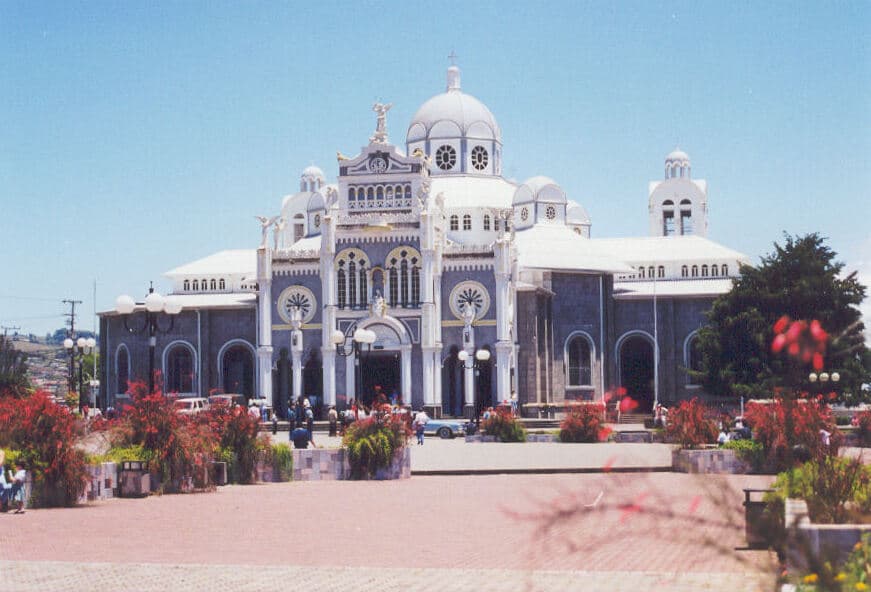 Magalhães / Public domain, via Wikimedia Commons
Самостоятельная аудиопрогулка по Картаго — GPS-маршрут, офлайн-воспроизведение, увлекательное повествование на 32 языках.
“Картаго: где воздух несет отголоски прошлого.”
Не открытки. Истории, которые не знают даже местные жители — шепотом в вашем ухе, прямо там, где они произошли.
Самая важная католическая церковь Коста-Рики стоит на месте, выбранном благодаря вечной тайне.
Помимо обширной коллекции орхидей, этот ботанический заповедник имеет неожиданную связь с далекой страной.
Скелетные останки этой церкви свидетельствуют не только о стихийных бедствиях, но и о стойком местном поверье.
Откройте для себя каждый секрет Картаго
Каждый адрес, каждое полное раскрытие — в вашем ухе, прямо там, где это произошло.
Вы выбираете остановки. Вы гуляете. Голос раскрывает то, что упускают другие.


Ваш самостоятельный аудиотур по Картаго готов — выберите свои достопримечательности, выберите свой язык и начните в момент прибытия.
КупитьВ Lume встроен гид дополненной реальности. Поднимите телефон: камера показывает улицу перед вами, а поверх реального изображения светится стрелка, всегда указывающая на вашу следующую остановку — не нужно разбираться с картой и сворачивать не туда. Как и всё в Lume, это работает полностью офлайн.
Картаго, город, вплетенный в Центральную долину Коста-Рики, предлагает увлекательное путешествие к истокам нации. Основанный в 1563 году испанским конкистадором Хуаном Васкесом де Коронадо, он стал первым постоянным испанским поселением и служил столицей Коста-Рики до 1823 года. Несмотря на бурное прошлое, сформированное землетрясениями и извержениями вулканов, Картаго остается культурно и исторически значимым городским центром. Сегодня это место, где колониальные воспоминания переплетаются с ритмами современной жизни Коста-Рики, и все это на фоне плодородных вулканических земель и впечатляющих горных просторов.
Хотя Картаго больше не является центром политической власти, он остается жизненно важным узлом, известным своими сельскохозяйственными основами — его часто называют «городом картофеля» благодаря значительному вкладу в поставки картофеля в страну. Помимо своего сельскохозяйственного значения, Картаго служит воротами к природным чудесам, таким как вулканы Ирасу и Турриальба, и местом назначения для тех, кто ищет более глубокого понимания коста-риканской идентичности и веры. Город предлагает уникальное сочетание исторических мест, религиозной преданности и доступа к миру природы, предлагая более спокойный и аутентичный опыт по сравнению с шумной столицей Сан-Хосе.
История Картаго начинается в 1563 году, когда испанский конкистадор Хуан Васкес де Коронадо основал его как первое постоянное европейское поселение в Коста-Рике. Король Испании Филипп II пожаловал городу герб в 1565 году, укрепив его значение в зарождающейся колонии. Более двух с половиной веков Картаго служил столицей Коста-Рики, период, который глубоко сформировал большую часть ранней идентичности нации. Расположение города в плодородной Центральной долине, у подножия вулкана Ирасу, оказалось выгодным для сельского хозяйства, способствуя его раннему процветанию.
Однако история Картаго — это также история непоколебимой стойкости перед лицом стихийных бедствий. Землетрясения неоднократно разрушали город, уничтожая многие из его ранних колониальных построек. Особенно разрушительное землетрясение 1910 года оставило большую часть города в руинах и унесло жизни более 1000 человек. Это событие стимулировало изменение строительных практик, отказ от самана и глинобитных стен в пользу более прочных материалов, таких как дерево и листовой металл. Вулкан Ирасу также способствовал проблемам города: серия извержений между 1963 и 1965 годами вызвала наводнения и оползни.
Политический ландшафт также принес значительные преобразования. После обретения Коста-Рикой независимости в 1821 году разразился гражданский конфликт из-за местоположения новой столицы. Битва при Очомонго в 1823 году, произошедшая недалеко от Картаго, привела к поражению сил Картаго, и столица была официально перенесена в Сан-Хосе в 1823 году. Несмотря на утрату статуса столицы, Картаго оставался и продолжает оставаться городом огромного культурного, экономического и исторического значения для жизни Коста-Рики.
Начните свое путешествие с Базилики Богоматери Ангелов (Basílica de Nuestra Señora de los Ángeles), самой значимой католической церкви в Коста-Рике. Ее уникальная архитектура сочетает в себе колониальные и византийские элементы XIX века, и здесь хранится почитаемая статуя Черной Мадонны, или Ла Негрита, покровительницы Коста-Рики. В нескольких шагах отсюда, на Пласа Сентраль, вы найдете Руины церкви Сантьяго Апостол (Las Ruinas de la Parroquia). Эти незавершенные сооружения — остатки нескольких церквей, неоднократно разрушавшихся землетрясениями, предлагающие пронзительный взгляд на бурное прошлое города.
Для любителей природы обязательным к посещению является Ботанический сад Ланкестер (Jardín Botánico Lankester), управляемый Университетом Коста-Рики. Он является ведущим исследовательским центром орхидей в Латинской Америке, демонстрируя почти тысячу различных видов орхидей наряду с другими тропическими растениями, такими как бромелии, пальмы и бамбук, на площади 27 акров. Дальше находится величественный Национальный парк Вулкан Ирасу, где можно наблюдать самый высокий действующий вулкан Коста-Рики, с обширными видами на окружающие долины. Не забудьте заранее приобрести билеты онлайн. Еще одним интригующим местом является Санаторий Дуран, заброшенная психиатрическая больница недалеко от леса Прусия, предлагающая уникальный, хотя и несколько жуткий, исторический опыт.
Идеальное время для знакомства с достопримечательностями Картаго под открытым небом — сухой сезон, с середины декабря до конца марта. В эти месяцы ожидайте более ясного неба и меньшего количества дождей, средняя температура около 80°F (29°C). Сезон дождей, с мая по ноябрь, приносит пышные пейзажи и меньше посетителей, средняя температура около 75°F (24°C). Если вы хотите увидеть полное цветение в Ботаническом саду Ланкестер, март и апрель — идеальное время. Чтобы стать свидетелем уникального культурного события, запланируйте свой визит на 2 августа, чтобы наблюдать ежегодную Ромерию, большое паломничество в Базилику Богоматери Ангелов; будьте готовы к значительным толпам.
Картаго легко доступен из Сан-Хосе. Вы можете доехать на машине или воспользоваться общественным автобусом, который ходит часто, время в пути займет примерно 40-45 минут. Между Сан-Хосе и Картаго также курсируют пригородные поезда, предлагающие живописные виды. Ближайший международный аэропорт — Хуан Сантамария (SJO) в Алахуэле, примерно в часе езды от города.
Хотя в целом он считается безопасным, рекомендуется проявлять повышенную бдительность в отношении мелких краж, особенно в городских коммерческих районах, на автобусных остановках, центральных рынках и плохо освещенных улицах после наступления темноты. Храните ценности в сейфах отелей и берите с собой только самое необходимое на день. При посещении вулкана Ирасу или леса Прусия возьмите с собой свитер или куртку, так как на больших высотах температура может быть заметно прохладнее и ветренее. Для мелких покупок рекомендуется использовать местную валюту (колоны).
Картаго: корейский, китайский, иврит и ещё 29 языков — каждую остановку озвучивает носитель языка. Самый широкий выбор языков среди аудиоэкскурсий без гида.
Доступные языки: