Zitadelle von Cascais
1878 erlebte Cascais als erste Stadt Portugals elektrische Beleuchtung.
Die ganze Geschichte wird in der Tour freigeschaltet
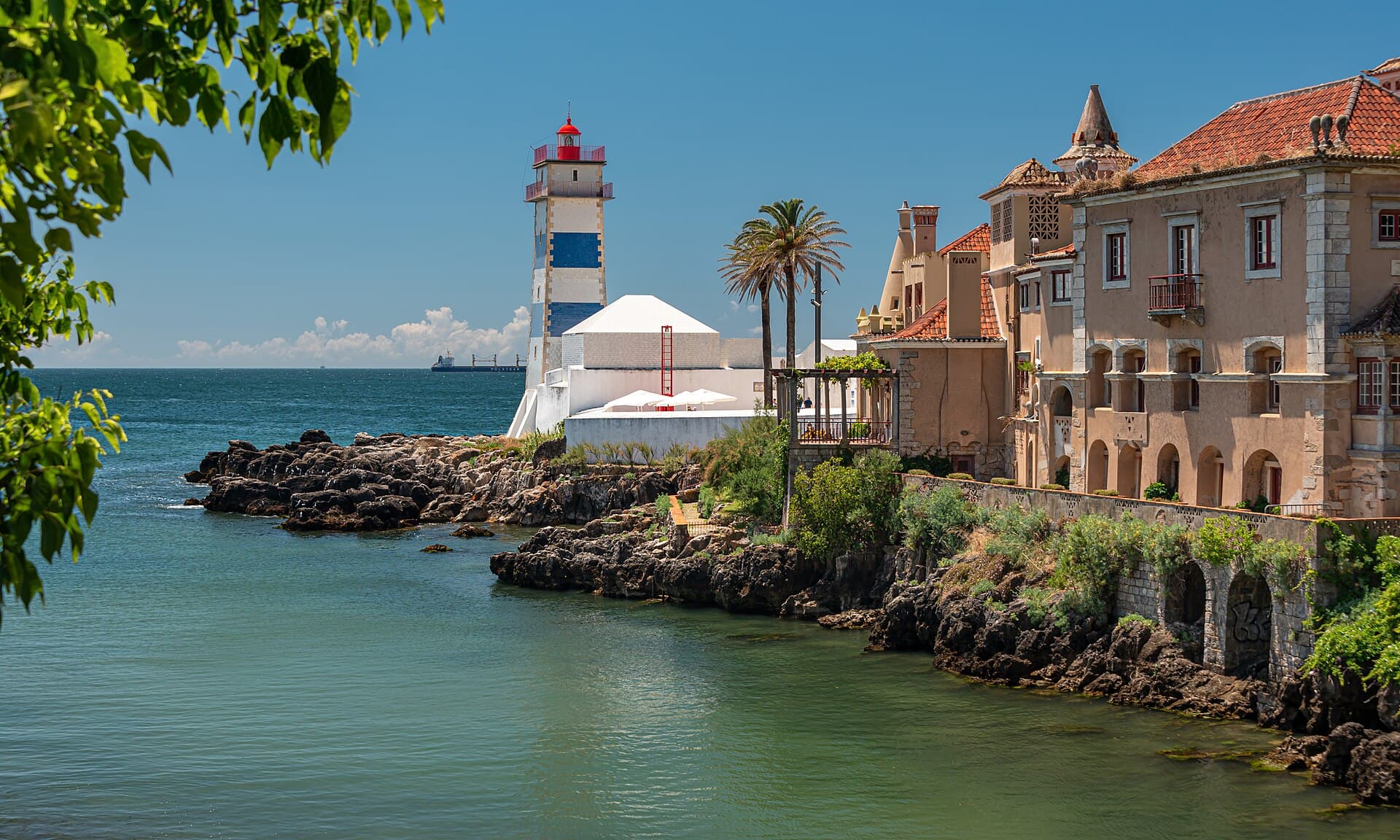 Jorge Franganillo / CC BY 2.0, via Wikimedia Commons
Selbstgeführte Audio-Walking-Tour durch Cascais — GPS-Route, Offline-Wiedergabe, erzählerische Narration in 32 Sprachen.
“Wo der Tejo auf den Atlantik trifft, entfaltet Cascais seinen Küstenreiz.”
Nicht die Postkarten. Die Geschichten, die selbst Einheimische nicht kennen – dir ins Ohr geflüstert, genau dort, wo sie geschahen.
1878 erlebte Cascais als erste Stadt Portugals elektrische Beleuchtung.
Selbst viele Einheimische kennen diesen abgelegenen Sandstreifen nicht.
Seit Jahrzehnten ist ein gelber Hotdog-Wagen ein vertrauter Anblick entlang der Küstenstraße.
Entdecke jedes Geheimnis von Cascais
Jede Adresse, jede Enthüllung vollständig – in deinem Ohr, genau dort, wo es geschah.
Du wählst deine Stationen. Du gehst. Die Stimme enthüllt, was andere übersehen.
![Cascais — boats docked near seaside promenade]](/_next/image?url=https%3A%2F%2Fxkitrzghrapdsyyvojzr.supabase.co%2Fstorage%2Fv1%2Fobject%2Fpublic%2Flume-images%2Fcities%2Fcascais-gallery-1.jpg&w=1920&q=75)


Deine selbstgeführte Audio-Tour durch Cascais ist bereit – wähle deine Sehenswürdigkeiten, deine Sprache und starte, sobald du ankommst.
KaufenLume enthält einen integrierten Augmented-Reality-Guide. Halten Sie Ihr Handy hoch: Die Kamera zeigt die Straße vor Ihnen, mit einem leuchtenden Pfeil über dem echten Bild, der immer auf Ihren nächsten Stopp zeigt — keine Karte zum Rätseln, keine falschen Abzweigungen. Wie alles bei Lume funktioniert es komplett offline.
Cascais, ausgesprochen "kas-kais", ist eine bezaubernde Küstenstadt an der portugiesischen Riviera, wo der Fluss Tejo auf den Atlantik trifft. Einst ein bescheidenes Fischerdorf, entwickelte es sich zu einem eleganten Ferienort, als König Luís I. es Ende des 19. Jahrhunderts zu seiner Sommerresidenz erklärte. Diese königliche Gunst zog den portugiesischen Adel und die europäische High Society an, was zum Bau eleganter Villen aus dem 19. Jahrhundert führte, die noch heute seine Wege und die Uferpromenade schmücken.
Heute bewahrt Cascais seinen traditionellen portugiesischen Charakter und bietet gleichzeitig die Annehmlichkeiten eines modernen Ferienortes. Es ist ein Ort, an dem historischer Charme auf eine lebendige Atmosphäre trifft, was es zu einem beliebten Ziel sowohl für Tagesausflügler aus Lissabon als auch für diejenigen macht, die einen längeren Aufenthalt suchen. Mit seinen einladenden Sandstränden, einem belebten Yachthafen und einer reichen Kulturlandschaft bietet Cascais vielfältige Erlebnisse, von der Erkundung alter Festungen bis zum Genuss frischer Meeresfrüchte am Meer.
Die Stadt dient auch als Tor zu kontrastreicher Naturschönheit, mit den geschützten Stränden der portugiesischen Riviera im Osten und den wilden, dramatischen Surfstränden der Serra de Sintra-Küste im Norden. Ob Sie sich von seiner königlichen Vergangenheit, seiner lebendigen Gegenwart oder seiner beeindruckenden natürlichen Umgebung angezogen fühlen, Cascais bietet eine unvergessliche Auszeit an Portugals Atlantikküste.
## Vom Fischerdorf zum königlichen Rückzugsort Die Geschichte von Cascais reicht bis in die Altsteinzeit zurück, mit archäologischen Funden, die auf eine antike Besiedlung hinweisen. Als dauerhafte Siedlung begann es sich jedoch im 12. Jahrhundert zu etablieren und fungierte als kleines Fischerdorf, das administrativ mit Sintra verbunden war. Seine Hauptaufgabe war die Versorgung Lissabons mit Fisch.
Ein entscheidender Moment ereignete sich 1364, als König Pedro I. Cascais den Status einer "Vila" (Stadt) verlieh, was ihm administrative Unabhängigkeit und eigene Gerichtsbarkeit verschaffte. Seine strategische Lage an der Mündung des Tejo machte es auch zu einem wichtigen Verteidigungsposten für Lissabon, was ab dem 15. Jahrhundert zum Bau von Befestigungsanlagen führte, um Piraten und feindliche Flotten abzuwehren.
Die bedeutendste Transformation der Stadt begann 1870, als König Luís I. Cascais zu seiner offiziellen Sommerresidenz wählte und die Residenz des Gouverneurs in der Zitadelle in einen Königspalast umwandelte. Diese Entscheidung, beeinflusst durch verbesserte Straßen und die natürliche Schönheit von Cascais, zog den portugiesischen Adel und anschließend die europäische High Society an. Diese Ära leitete eine rasante Infrastrukturentwicklung ein, einschließlich der Installation von Elektrizität in der Zitadelle im Jahr 1878 – eine Premiere für Portugal – und der Ankunft der Eisenbahn aus Lissabon im Jahr 1889, die den Tourismus weiter ankurbelte.
Während des Zweiten Weltkriegs und des Spanischen Bürgerkriegs wurde Cascais zu einem Zufluchtsort für exilierte Königsfamilien aus ganz Europa, darunter die von Spanien, Italien, Ungarn und Bulgarien, was ihm den Ruf einer "Zuflucht der Könige" einbrachte. Heute zeugen die eleganten Villen und historischen Gebäude aus dem 19. Jahrhundert von seiner königlichen Vergangenheit, während sein Fischererbe ein sichtbarer und geschätzter Teil seiner Identität bleibt.
Beginnen Sie Ihre Erkundung im historischen Zentrum, wo Wege traditionelle portugiesische Architektur, einladende Geschäfte und ansprechende Restaurants offenbaren. Der Hauptplatz, Praça 5 de Outubro, ist ein guter Ausgangspunkt mit seinen charakteristischen schwarz-weißen Mosaikfliesen. Schlendern Sie entlang der Uferpromenade zum Fischerhafen und dem eleganten Yachthafen, der oft internationale Veranstaltungen beherbergt.
Besuchen Sie die Cidadela de Cascais, eine restaurierte Festung, die heute ein Kunsthandwerkszentrum, ein Museum und ein Luxushotel beherbergt. In der Nähe befindet sich das Museu Condes de Castro Guimarães, eine Villa aus dem 19. Jahrhundert mit Kunst und Möbeln, die im Marechal Carmona Park liegt, komplett mit einem Ententeich und Pfauen. Verpassen Sie nicht die auffälligen blau-weißen Streifen des Santa Marta Leuchtturms und seines dazugehörigen Museums, das Einblicke in portugiesische Leuchttürme bietet.
Für Naturwunder unternehmen Sie einen 20-minütigen Spaziergang entlang der Küstenstraße vom Yachthafen zur Boca do Inferno, oder "Höllenmund", einer dramatischen Felsformation, die von den Wellen des Atlantiks geformt wurde und besonders bei Sonnenuntergang beeindruckend ist. Die Strände der Stadt, wie Praia da Rainha, Praia da Conceição und Praia da Duquesa, bieten goldenen Sand und ruhiges Wasser, während der exponiertere Praia do Guincho im Norden ein bekannter Ort zum Surfen und Kitesurfen ist.
Die angenehmsten Zeiten für einen Besuch in Cascais sind das späte Frühjahr (Mai bis Juni) und der frühe Herbst (September bis Oktober). In diesen Perioden ist das Wetter angenehm, mit warmen Tagen und milden Abenden, ideal zum Erkunden und Genießen der Strände ohne die intensiven Menschenmassen des Hochsommers. Die Meerestemperatur bleibt auch im Sommer kühl und erreicht im August etwa 21 °C. Juli und August sind die wärmsten und belebtesten Monate mit lebendiger Energie, aber auch höheren Preisen und größeren Menschenmassen. Der Winter (November bis Februar) ist milder, kann aber nass und kühl sein, und viele touristische Betriebe sind geschlossen.
Cascais ist von Lissabon aus leicht mit einem direkten Zug von der Station Cais do Sodré erreichbar, eine malerische 40-minütige Fahrt, die alle 12-20 Minuten verkehrt und etwa 2,30 € pro Strecke kostet. Die Stadt selbst ist weitgehend flach und sehr gut zu Fuß erkundbar, daher sind bequeme Schuhe für die Erkundung des historischen Zentrums und der Küstenpfade unerlässlich. Eine etwa 1,6 km lange Promenade verbindet Cascais mit der Nachbarstadt Estoril, die für ihr Casino bekannt ist. Für weitere Ausflüge verbinden Busse Cascais mit Sintra (über Linie 403) und anderen nahegelegenen Sehenswürdigkeiten.
Obwohl viele Attraktionen zu Fuß erreichbar sind, sollten Sie ein Fahrrad mieten, um bequem zum Praia do Guincho zu fahren. Für diejenigen, die Strandzeit mit kultureller Erkundung verbinden möchten, ist ein Museumspass für etwa 10 Euro erhältlich, der Zugang zu mehreren lokalen Museen gewährt. Portugal ist ein sicheres Land, und Cascais ist besonders familienfreundlich mit sauberen, ruhigen Stränden, die im Sommer beaufsichtigt werden.
Cascais — Koreanisch, Chinesisch, Hebräisch und 29 weitere Sprachen, jede Station von einer muttersprachlichen Stimme erzählt. Die größte Sprachauswahl aller selbstgeführten Audiotouren.
Verfügbar auf: