La Rocca di Cashel
La leggenda locale suggerisce che la Rocca di Cashel non si trovasse sempre nella sua posizione attuale. Il suo arrivo fu, a detta di tutti, un evento piuttosto drammatico e infuocato.
La storia completa si sblocca nel tour
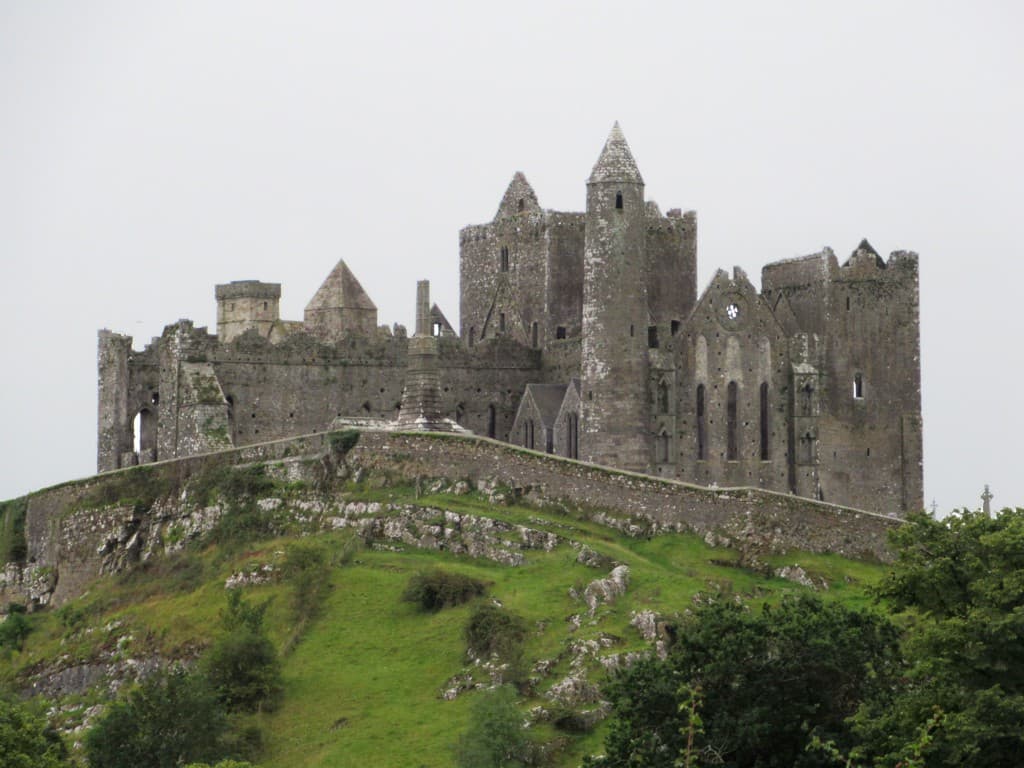 David Stanley from Nanaimo, Canada / CC BY 2.0, via Wikimedia Commons
Tour audio autoguidato di Cashel — percorso GPS a piedi, riproduzione offline, narrazione coinvolgente in 32 lingue.
“Dove i monarchi si convertirono e le antiche pietre parlano.”
Non le cartoline. Le storie che nemmeno i locali conoscono — sussurrate nel tuo orecchio, proprio dove sono accadute.
La leggenda locale suggerisce che la Rocca di Cashel non si trovasse sempre nella sua posizione attuale. Il suo arrivo fu, a detta di tutti, un evento piuttosto drammatico e infuocato.
Questa tranquilla abbazia cistercense possiede un'intrigante storia d'origine, che coinvolge un arcivescovo, un sogno profetico e uno spostamento brusco.
Oltre alla sua collezione di volumi rari, questa biblioteca conserva un sorprendente legame con due delle figure più affascinanti della storia.
Scopri ogni segreto di Cashel
Ogni indirizzo, ogni rivelazione completa — nel tuo orecchio, proprio dove è accaduta.
Scegli le tue tappe. Cammini. La voce rivela ciò che gli altri perdono.


Il tuo tour audio autoguidato di Cashel è pronto — scegli i tuoi punti di interesse, seleziona la tua lingua e inizia nel momento in cui arrivi.
AcquistaLume include una guida in realtà aumentata. Alza il telefono: la fotocamera mostra la strada davanti a te, con una freccia luminosa sovrapposta all'immagine reale che punta sempre verso la tua prossima tappa — nessuna mappa da decifrare, nessuna svolta sbagliata. Come tutto in Lume, funziona completamente offline.
Cashel, una cittadina nella contea di Tipperary, Irlanda, è definita dal suo punto di riferimento più celebre, la Rocca di Cashel. Questo sito prominente, noto anche come Rocca di San Patrizio o Cashel dei Re, si erge maestosamente dalla Golden Vale, ospitando un'impressionante serie di strutture medievali. La città stessa, con una popolazione di circa 4.800 abitanti, offre un'atmosfera pacifica nonostante attiri molti visitatori. Il nome di Cashel, derivato dalla parola irlandese 'Caiseal' che significa 'anello di pietra', allude al suo antico passato come insediamento fortificato.
## Da Sede Reale a Potenza Ecclesiastica Il passato di Cashel risale alla fine del IV o all'inizio del V secolo, quando servì come sede tradizionale dei re del Munster. Fu qui, secondo la leggenda, che San Patrizio convertì Re Aengus al cristianesimo nel V secolo, perforando inavvertitamente il piede del re con il suo pastorale durante il battesimo. Brian Boru, uno dei più famosi Gran Re d'Irlanda, fu incoronato a Cashel nel 978 d.C., stabilendola come sua capitale.
Nel 1101, un momento cruciale si svolse quando Re Muirchertach Ua Briain donò la sua fortezza sulla Rocca alla Chiesa, trasformando Cashel in un importante centro ecclesiastico. La maggior parte delle strutture visibili oggi sulla Rocca risalgono ai secoli XII e XIII, mostrando una notevole collezione di arte celtica e architettura medievale. La città di Cashel stessa fu fondata nel 1218, con un'influenza anglo-normanna evidente nella sua disposizione stradale strutturata.
## Tempi Turbolenti e Eredità Duratura Il XVII secolo portò notevoli turbolenze a Cashel. Nel 1647, durante le Guerre Confederate Irlandesi, le truppe parlamentari inglesi sotto Lord Inchiquin saccheggiarono Cashel, portando al massacro di soldati confederati irlandesi, chierici cattolici romani e centinaia di civili all'interno della cattedrale. Il ricordo di questo evento rimase vivido quando Cromwell prese la città con facilità nel 1649. Nel 1749, l'Arcivescovo Arthur Price rimosse controversamente il tetto principale della cattedrale, una decisione ampiamente criticata per il suo impatto sull'edificio.
Nonostante questi periodi turbolenti, Cashel ha mantenuto la sua importanza storica. I resti dell'Abbazia di San Domenico, fondata nel 1243, e l'Abbazia di Hore, l'ultima fondazione cistercense in Irlanda prima della dissoluzione dei monasteri, illustrano ulteriormente il profondo passato religioso della città.
Il punto focale indiscusso di Cashel è la Rocca di Cashel, un drammatico affioramento calcareo coronato da una collezione di edifici medievali. Esplora la cattedrale gotica del XIII secolo, la Torre Rotonda del XII secolo (la struttura più antica sulla Rocca) e la Cappella Romanica di Cormac, che conserva gli unici affreschi romanici rimasti in Irlanda. Sono disponibili tour guidati, che illuminano la storia avvincente del sito.
A pochi passi dalla Rocca si trova l'Abbazia di Hore, un monastero cistercense in rovina che offre un'esperienza pacifica e meno affollata con scorci sulla Rocca. Nel centro della città, il Cashel Folk Village offre uno sguardo sulla storia irlandese con una collezione di manufatti, tra cui una Cappella Penale, un Museo della Grande Carestia Irlandese e una Carovana Gitana/Tinker. Per coloro interessati ai libri rari, la Bolton Library custodisce un'impressionante collezione di opere antiquarie, tra cui un manoscritto del XII secolo e scritti di Dante e Swift. Il Cashel Heritage Centre su Main Street presenta un modello su larga scala di Cashel negli anni '40 del '600 e espone le Carte di Cashel.
Il periodo più piacevole per visitare Cashel per attività all'aperto va da fine giugno a fine agosto, quando le temperature oscillano generalmente tra i 17°C e i 19°C. Anche le stagioni di transizione, primavera (aprile-maggio) e autunno (settembre-ottobre), offrono condizioni piacevoli. Sebbene la Rocca di Cashel possa essere affollata in estate, arrivare presto può offrire un'esperienza più tranquilla. La Rocca è aperta tutti i giorni, con orari prolungati da metà marzo a metà ottobre (9:00 - 17:30) e orari ridotti durante i mesi invernali (9:00 - 16:30). Si consiglia di verificare eventuali chiusure dovute a condizioni meteorologiche avverse, poiché il sito è esposto.
Cashel è facilmente percorribile a piedi una volta arrivati in centro. Per raggiungere la Rocca di Cashel, è disponibile un parcheggio pubblico nelle vicinanze. Bus Éireann fornisce servizi per Cashel da Dublino e Cork, con la fermata dell'autobus situata lungo Main Street. La stazione ferroviaria più vicina è Thurles, da cui è possibile raggiungere Cashel in autobus. Le opzioni di alloggio a Cashel vanno da hotel come il Baileys Hotel Cashel e il raffinato Cashel Palace Hotel a vari B&B e pensioni. Molte strutture offrono parcheggio e colazione gratuiti. Cashel si trova a circa 1 ora e 10 minuti dall'aeroporto di Shannon, 1 ora e 15 minuti dall'aeroporto di Cork e 2 ore dall'aeroporto di Dublino in auto.
Cashel — coreano, cinese, ebraico e altre 29 lingue, ogni tappa narrata da una voce madrelingua. La più ampia scelta di lingue tra i tour audio autoguidati.
Disponibile in: