Castelo de Castiglione della Pescaia
O imponente castelo medieval que coroa o centro histórico de Castiglione della Pescaia guarda um segredo sobre seu propósito principal que vai além da simples defesa.
História completa desbloqueada no tour
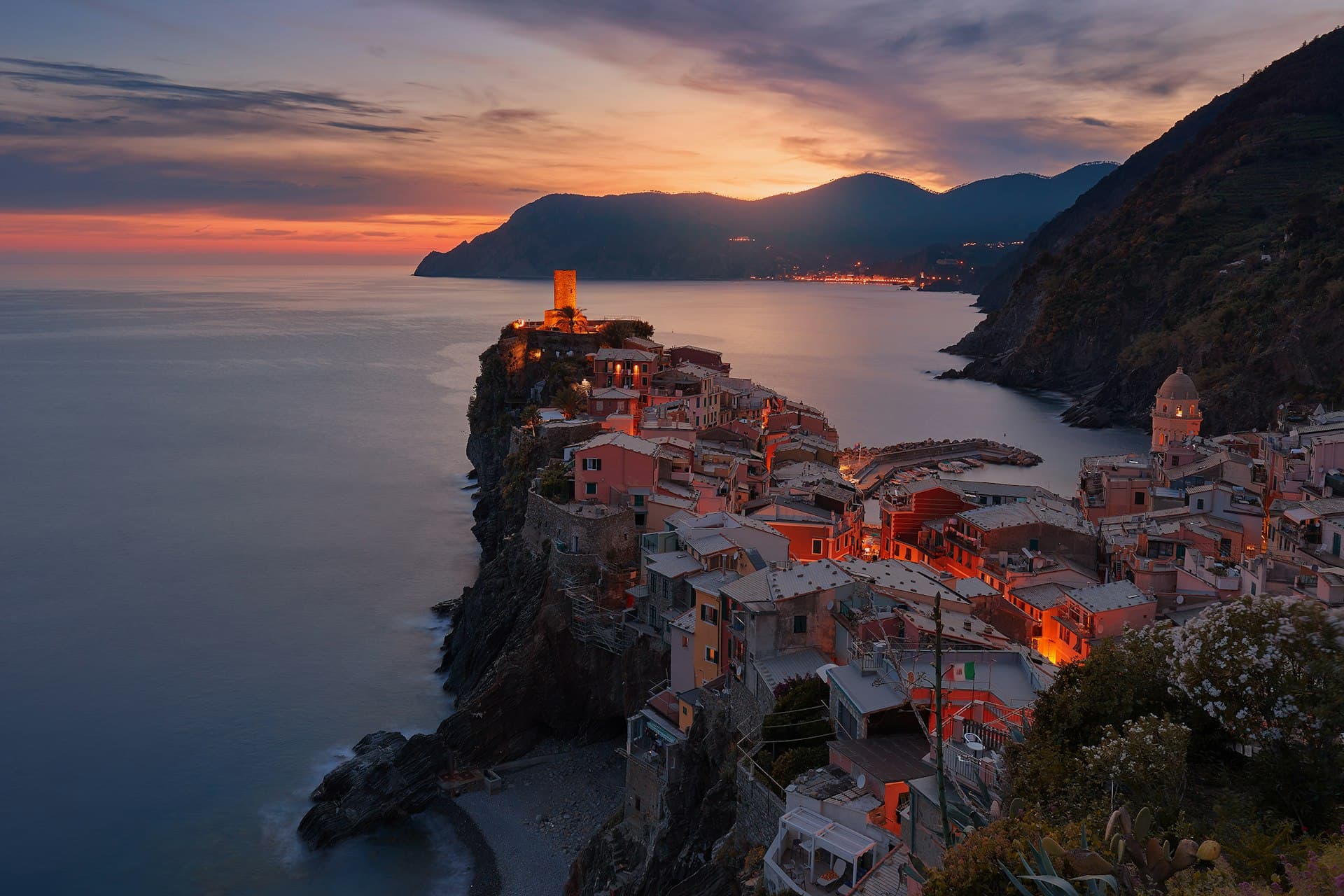 Photo: Anders Jildén / Unsplash
Tour de áudio autoguiado por Castiglione della Pescaia — rota GPS a pé, reprodução offline, narração envolvente em 32 idiomas.
“Onde muralhas antigas encontram o mar da Maremma, uma história toscana se desenrola.”
Não os postais. As histórias que nem os locais conhecem — sussurradas ao seu ouvido, exatamente onde aconteceram.
O imponente castelo medieval que coroa o centro histórico de Castiglione della Pescaia guarda um segredo sobre seu propósito principal que vai além da simples defesa.
Esta zona úmida reconhecida internacionalmente, um refúgio para diversas aves, já foi algo completamente diferente, com uma conexão surpreendente com civilizações antigas.
Muito antes de se tornar um popular resort à beira-mar, Castiglione della Pescaia ganhou um apelido surpreendente que indicava sua importância econômica.
Descubra cada segredo de Castiglione della Pescaia
Cada endereço, cada revelação na íntegra — no seu ouvido, exatamente onde aconteceu.
Você escolhe as suas paragens. Você caminha. A voz revela o que os outros perdem.
O seu tour áudio autoguiado de Castiglione della Pescaia está pronto — escolha os seus pontos de interesse, selecione o seu idioma e comece no momento em que chegar.
ComprarA Lume inclui um guia de realidade aumentada. Levante o telemóvel: a câmara mostra a rua à sua frente, com uma seta luminosa sobreposta à imagem real que aponta sempre para a sua próxima paragem — sem mapa para decifrar, sem voltas erradas. Como tudo na Lume, funciona totalmente offline.
Castiglione della Pescaia, uma antiga vila de pescadores na costa da Toscana, oferece uma mistura cativante de caráter medieval e charme à beira-mar. Situada na região de Maremma, apresenta uma paisagem pitoresca onde uma vila histórica no topo de uma colina domina o Mar Tirreno. A cidade é celebrada por suas praias imaculadas e águas cristalinas, ganhando consistentemente prêmios Bandeira Azul pela qualidade ambiental.
A cidade é dividida em uma seção superior e inferior. A vila superior, com suas ruelas estreitas e sinuosas, é coroada por um impressionante castelo medieval e muralhas antigas, oferecendo vistas expansivas da costa e do Arquipélago Toscano, incluindo as ilhas de Elba e Giglio em dias claros. A cidade baixa se estende ao longo da costa, apresentando um animado calçadão à beira-mar, um porto de canal vibrante com barcos de pesca e embarcações de lazer, e uma variedade de lojas e restaurantes.
Além de suas atrações costeiras, Castiglione della Pescaia é uma porta de entrada para os diversos tesouros naturais e históricos da Maremma. Serve como uma base ideal para explorar áreas naturais protegidas como a Reserva Natural Diaccia Botrona, antigos sítios arqueológicos etruscos como Vetulonia, e as colinas ondulantes pontilhadas de vinhedos e olivais.
As origens de Castiglione della Pescaia remontam à era etrusca (séculos IX a III a.C.), quando era o local do grande Lago de Sal Prelius (ou Lago Prile), e mais tarde, o porto romano de Salebrum. Evidências de obras urbanas romanas, incluindo aquedutos e estradas pavimentadas, ainda existem. Após a queda do Império Romano, a área passou por um período de declínio até a Idade Média.
Por volta do século IX d.C., a cidade, então conhecida como Castellione de Piscaria, começou a ressurgir. Dos séculos X ao XIII, Castiglione della Pescaia esteve sob a proteção de Pisa, que reconheceu sua importância estratégica como base marítima. Os pisanos iniciaram a fortificação da cidade, construindo uma torre central no topo da colina que se tornaria o núcleo do castelo medieval. Este circuito defensivo inicial, juntamente com adições posteriores, formou as impressionantes muralhas que ainda hoje cercam a vila histórica.
Ao longo dos séculos, o controle de Castiglione della Pescaia mudou entre várias potências, incluindo Siena, os Aragoneses e, eventualmente, a família Médici de Florença. Os Aragoneses, por exemplo, restauraram as muralhas da cidade no século XV. No entanto, a cidade enfrentou desafios ambientais significativos. O gradual assoreamento do Lago Prile levou à sua transformação em uma lagoa pantanosa, que trouxe consigo a praga da malária nos séculos XIII e XIV, causando uma grave crise para a população local.
Grandes esforços para recuperar as terras pantanosas e melhorar as condições de vida começaram sob os Médici e foram significativamente avançados pelos Grão-Duques da Lorena nos séculos XVIII e XIX. Um projeto notável foi a construção da Casa Rossa Ximenes em 1765, projetada para regular o fluxo de água nas terras pantanosas. Essas obras de recuperação, especialmente as realizadas sob Leopoldo II nas décadas de 1820 e 1830, ajudaram a repovoar a área e fomentaram um período de renascimento para Castiglione della Pescaia, levando à sua crescente importância como porto.
No início do século XX, o castelo foi transformado em residência particular e, hoje, Castiglione della Pescaia prospera como um destino turístico popular, reconhecido por sua beleza natural, patrimônio histórico e compromisso com a preservação ambiental.
Comece sua exploração na Vila Medieval, um charmoso labirinto de ruelas antigas que sobem o promontório. No seu ápice, ergue-se o Castelo de Castiglione della Pescaia, uma formidável fortaleza medieval com três torres e uma planta triangular. Embora seja propriedade privada e não esteja aberto para visitas internas, seu exterior e as Muralhas da Cidade circundantes oferecem um vislumbre cativante do passado e proporcionam vistas panorâmicas do mar e da planície de Maremma.
Dentro do centro histórico, descubra a Igreja de San Giovanni Battista, datada do século XIII com um distinto campanário, e a Igreja de Santa Maria del Giglio, perto das muralhas da cidade. O Palazzo Centurioni, um edifício renascentista, também merece uma visita por seus detalhes arquitetônicos.
Desça para a cidade baixa para vivenciar o animado porto de canal, onde barcos de pesca atracam ao lado de embarcações de lazer. Um mercado nas manhãs de sábado, perto do porto, oferece uma chance de observar a vida local e frutos do mar frescos. O calçadão à beira-mar é ideal para passeios tranquilos, oferecendo vistas do Arquipélago Toscano e se transformando em uma área animada com restaurantes e bares à noite.
Um pouco fora da cidade, a Reserva Natural Diaccia Botrona é um ecossistema de zonas úmidas significativo. Explore-a por trilhas equipadas para observação de pássaros ou faça um passeio de barco guiado. A Casa Rossa Ximenes, um edifício hidráulico do século XVIII dentro da reserva, abriga agora um museu multimídia dedicado à ecologia da área.
Para os entusiastas de praia, a Spiaggia delle Rocchette é renomada por sua areia fina e mar claro. Outras opções populares incluem a ampla e arenosa Praia de Castiglione della Pescaia e o cenário mais natural de Roccamare, com sua floresta de pinheiros circundante.
A melhor época para visitar Castiglione della Pescaia para um clima agradável e atividades ao ar livre é da primavera ao início do outono. Especificamente, de meados de maio a final de julho e de final de agosto a início de outubro são recomendados para passeios turísticos em geral. Para atividades em clima quente e dias de praia, de final de junho a final de agosto é ideal, com julho sendo o mês mais claro. Maio, junho e setembro oferecem clima agradável com menos multidões em comparação com os meses de pico de verão de julho e agosto, quando a cidade se torna mais animada. A temperatura do mar é mais quente no final de agosto e setembro, tornando-se um excelente momento para nadar.
Castiglione della Pescaia está localizada na província de Grosseto, ao longo da costa da Maremma Toscana. Fica a aproximadamente 25 minutos de carro de Follonica. As estações de trem mais próximas são em Grosseto e Follonica, de onde você pode pegar um ônibus para chegar a Castiglione della Pescaia. A cidade é facilmente navegável a pé, especialmente o centro histórico e o calçadão plano à beira-mar.
As opções de estacionamento incluem lotes pagos perto da praia e do centro da cidade, bem como algum estacionamento gratuito na rua. Para acesso à praia, estão disponíveis áreas públicas 'gratuitas' e clubes de praia privados (stabilimenti balneari). Os clubes privados oferecem comodidades como espreguiçadeiras, guarda-sóis, chuveiros e, muitas vezes, um bar ou restaurante. Castiglione della Pescaia é conhecida por sua atmosfera familiar, com praias amplas e bem conservadas e águas rasas adequadas para crianças.
Castiglione della Pescaia — coreano, chinês, hebraico e mais 29 idiomas, cada parada narrada por uma voz nativa. A maior variedade de idiomas entre os passeios de áudio autoguiados.
Disponível em: