Museo Goya
Castres custodisce un tesoro artistico, rendendola una destinazione inaspettata per gli amanti dei maestri spagnoli.
La storia completa si sblocca nel tour
 Teddy Kamlot / CC BY-SA 4.0, via Wikimedia Commons
Tour audio autoguidato di Castres — percorso GPS a piedi, riproduzione offline, narrazione coinvolgente in 32 lingue.
“Dove case colorate incontrano il patrimonio artistico sul fiume Agout.”
Non le cartoline. Le storie che nemmeno i locali conoscono — sussurrate nel tuo orecchio, proprio dove sono accadute.
Castres custodisce un tesoro artistico, rendendola una destinazione inaspettata per gli amanti dei maestri spagnoli.
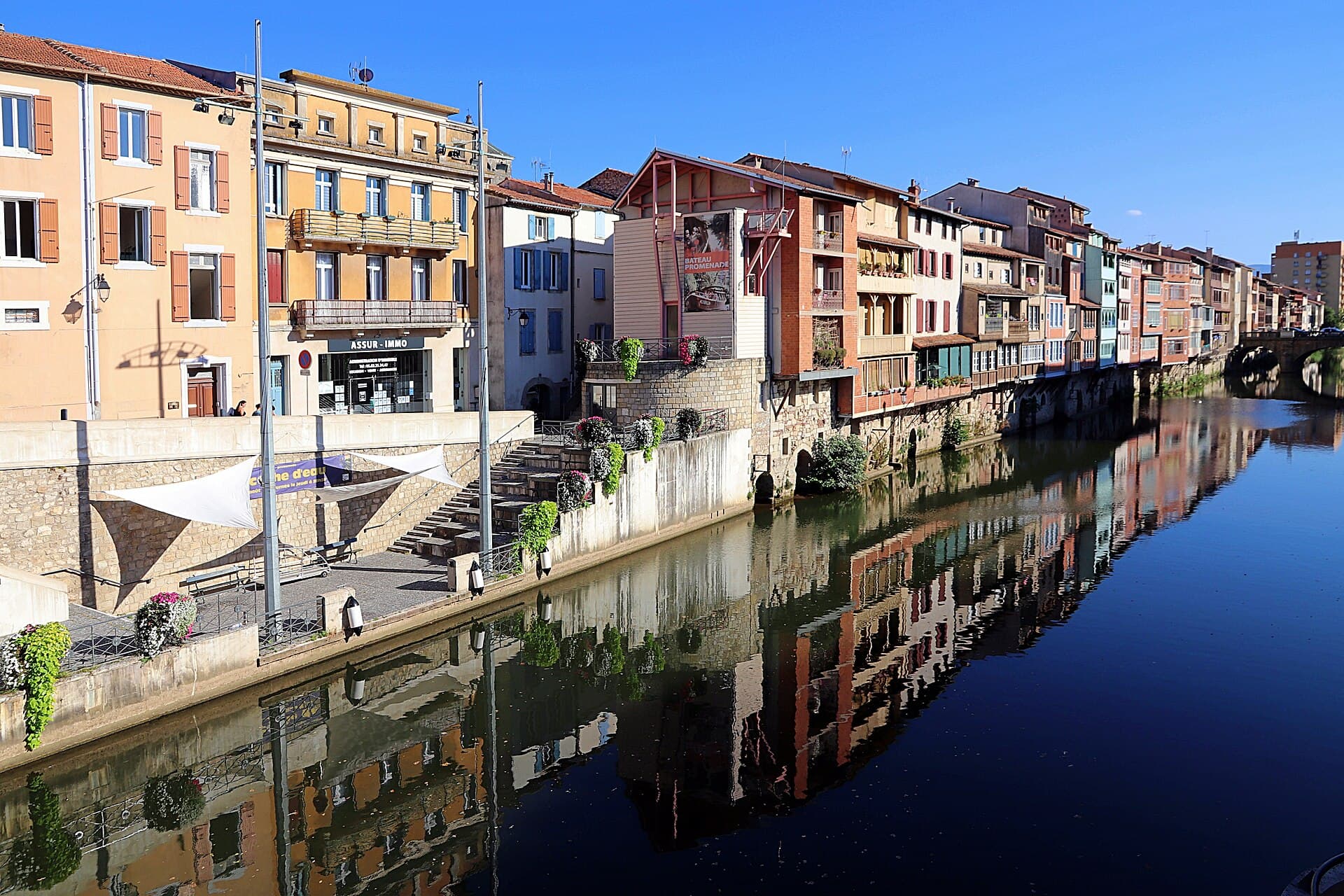
Le case colorate e a sbalzo lungo il fiume Agout avevano uno scopo più che puramente scenografico.
Sebbene in gran parte perduto nel tempo, un frammento dell'abbazia fondatrice di Castres perdura, sebbene non nella forma che ci si potrebbe aspettare.
Scopri ogni segreto di Castres
Ogni indirizzo, ogni rivelazione completa — nel tuo orecchio, proprio dove è accaduta.
Scegli le tue tappe. Cammini. La voce rivela ciò che gli altri perdono.

Il tuo tour audio autoguidato di Castres è pronto — scegli i tuoi punti di interesse, seleziona la tua lingua e inizia nel momento in cui arrivi.
AcquistaLume include una guida in realtà aumentata. Alza il telefono: la fotocamera mostra la strada davanti a te, con una freccia luminosa sovrapposta all'immagine reale che punta sempre verso la tua prossima tappa — nessuna mappa da decifrare, nessuna svolta sbagliata. Come tutto in Lume, funziona completamente offline.
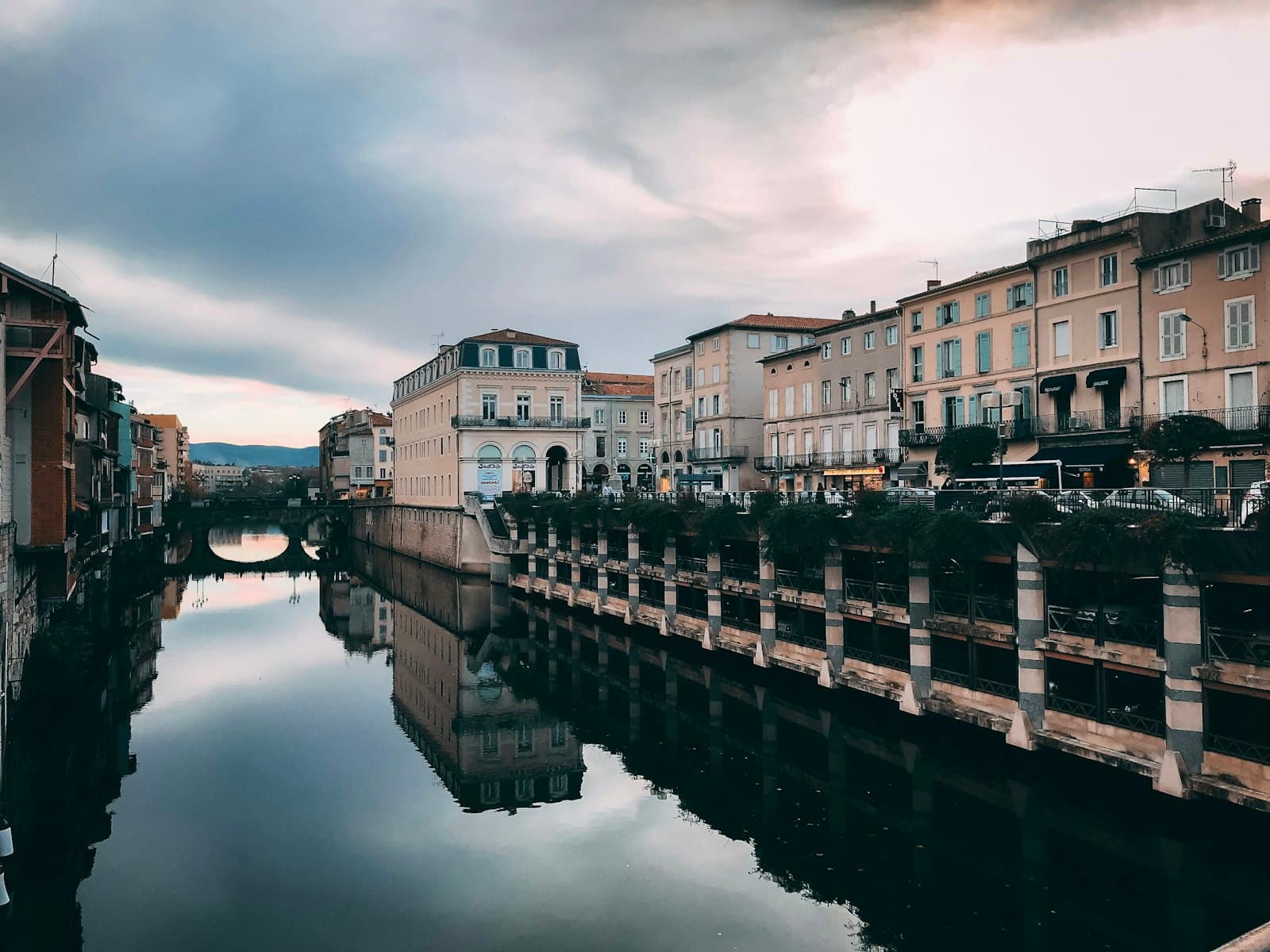
Castres, una città affascinante nel dipartimento del Tarn, nel sud della Francia, offre un connubio unico di architettura storica e splendore naturale. Spesso definita la 'Piccola Venezia della Linguadoca' per le sue caratteristiche case fluviali, Castres offre un'esperienza francese autentica e tranquilla, lontana dai sentieri turistici più affollati. L'atmosfera della città è genuina, con le sue strade lastricate in pietra e il profondo legame con il suo patrimonio occitano.
Posizionata lungo il fiume Agout, Castres attira coloro che sono interessati all'arte, alla storia e alle tranquille fughe rurali. Ospita una delle collezioni d'arte più significative della Francia al di fuori di Parigi, affermandosi come un sorprendente centro culturale. Che si esplori il suo nucleo storico, si goda un tranquillo pomeriggio in riva al fiume o ci si avventuri nella vicina Montagne Noire, Castres promette una visita arricchente e rigenerante.
Le origini di Castres risalgono a tempi antichi, con prove di presenza umana risalenti all'età del bronzo, intorno al 1000 a.C. La città si sviluppò da un accampamento gallo-romano e crebbe notevolmente attorno a un monastero benedettino fondato intorno al 647 d.C. Nel IX secolo, l'arrivo delle reliquie di San Vincenzo di Saragozza trasformò Castres in un'importante tappa del Cammino di Santiago, la Via Tolosana, alimentandone l'espansione e la prosperità.
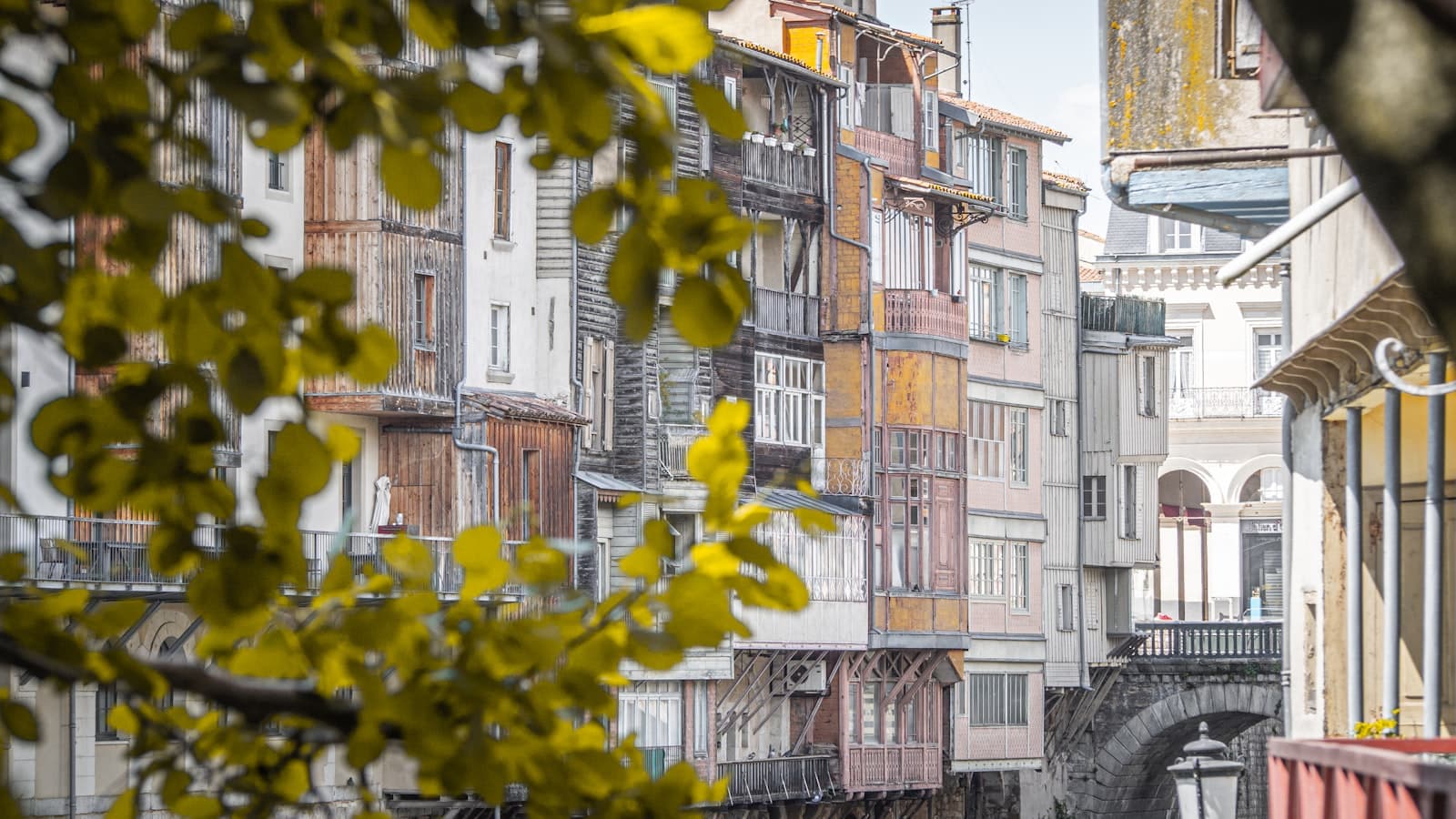
Il Medioevo vide la fioritura di Castres, in particolare dal XII secolo in poi, con il fiume Agout che divenne un'arteria economica cruciale. Le acque del fiume erano vitali per la lavorazione della lana e del cuoio, portando alla formazione di corporazioni di tessitori, tintori e conciatori. Questa attività industriale diede origine alle celebrate 'Maisons sur l'Agout' – case colorate con gallerie in legno che si estendevano sull'acqua, servendo sia da laboratori che da residenze. Nel 1317, Papa Giovanni XXII creò un vescovado a Castres e nel 1356, il re Giovanni II di Francia elevò la città a contea.
Il XVI secolo portò profondi cambiamenti quando Castres abbracciò la Riforma protestante, diventando una significativa roccaforte protestante nel sud della Francia. La città si fortificò e formò persino una repubblica indipendente. Tuttavia, questo periodo di conflitti religiosi causò vaste distruzioni. Re Luigi XIII sottomise Castres nel 1629 e le sue difese furono smantellate. Dopo le Guerre di Religione e l'Editto di Nantes, Castres divenne sede della Camera dell'Editto, un tribunale che si occupava degli affari protestanti. Molti magistrati si stabilirono a Castres durante quest'epoca, costruendo eleganti dimore rinascimentali che ancora oggi adornano la città. Sotto Luigi XIV, Castres ritrovò la sua prosperità, segnata dalla costruzione del municipio (progettato da Jules Hardouin-Mansart) e di chiese barocche. L'industria tessile continuò a prosperare e, nel XIX secolo, Castres si affermò come un importante centro industriale.
Castres offre una deliziosa gamma di attrazioni, che uniscono arte, storia e paesaggi pittoreschi. Il Museo Goya, ospitato nell'ex Palazzo Vescovile, è una destinazione primaria, che custodisce la più grande collezione d'arte spagnola in Francia al di fuori del Louvre, con opere di Goya, Velázquez e Zurbarán. Il palazzo stesso fu concepito da Jules Hardouin-Mansart, riconosciuto per i suoi contributi a Versailles, e presenta giardini progettati da André Le Nôtre. Accanto al museo si erge la Cattedrale di Saint-Benoît, un edificio barocco con una facciata sobria che contrasta il suo elaborato interno.
Le caratteristiche Maisons sur l'Agout sono forse l'elemento più fotografato di Castres. Queste case colorate a graticcio, un tempo abitate da conciatori e tessitori, costeggiano il fiume Agout. Un giro in barca sul Miredames, una tradizionale chiatta di legno, offre una prospettiva distinta di queste dimore storiche. Esplora il Centro Storico di Castres con le sue strade lastricate in pietra e scopri eleganti dimore rinascimentali del XVII secolo come l'Hôtel de Nayrac. Per gli spazi aperti, il Parco Gourjade, una vasta tenuta di 53 ettari lungo il fiume Agout, offre sentieri pedonali, uno zoo gratuito e una fattoria. Il Museo Jean Jaurès è dedicato al rinomato leader socialista nato a Castres, offrendo uno spaccato della sua vita e della storia sociale della fine del XIX e inizio del XX secolo.
Il periodo ideale per visitare Castres va dalla tarda primavera all'inizio dell'autunno (maggio-settembre), quando il clima è mite e si svolgono vari eventi. Luglio e agosto sono i mesi più attivi, con concerti all'aperto e mercati notturni, ma anche con più visitatori. La primavera porta fioriture colorate nei giardini, mentre l'autunno offre un'atmosfera più tranquilla, perfetta per passeggiate in campagna. Le estati sono generalmente calde e piacevoli, con massime medie giornaliere a luglio che raggiungono circa 27-28°C e piogge minime. Gli inverni sono miti e umidi, con temperature medie intorno ai 5,5°C a gennaio e piogge più frequenti.
Castres è generalmente una città sicura, sebbene siano consigliate le precauzioni consuete per i beni personali. La valuta locale è l'Euro (EUR). Castres è raggiungibile in treno, con servizi regolari da Tolosa, e su strada. L'aeroporto principale più vicino è Tolosa-Blagnac (TLS), a circa 1,5 ore di auto o navetta, sebbene Castres-Mazamet disponga anche di un aeroporto più piccolo con voli regionali limitati. Una volta a Castres, la città offre un affidabile sistema di trasporto pubblico di autobus e taxi, che semplifica la navigazione. In particolare, la rete di autobus Libellus a Castres-Mazamet offre trasporto pubblico gratuito in tutta la sua area di servizio. Sono inoltre disponibili noleggio auto e programmi di bike-sharing. L'Ufficio del Turismo di Castres-Mazamet, situato in Place de la République 2, offre informazioni utili e assistenza ai visitatori.
Castres — coreano, cinese, ebraico e altre 29 lingue, ogni tappa narrata da una voce madrelingua. La più ampia scelta di lingue tra i tour audio autoguidati.
Disponibile in: