Bajo el centro histórico medieval
Castro Urdiales se asienta sobre capas de historia, pero su pasado romano permanece en gran parte oculto.
La historia completa se desbloquea en el tour
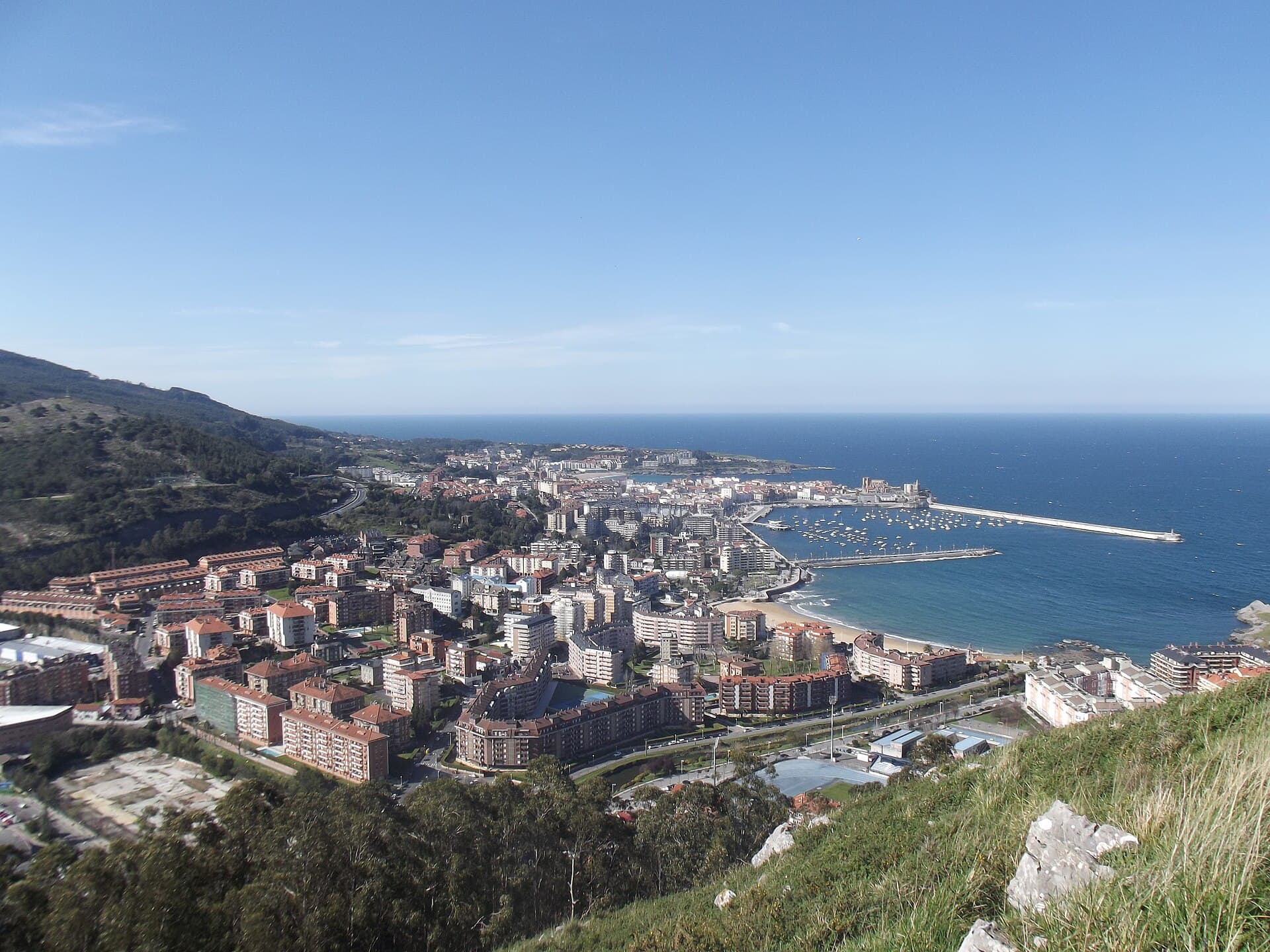 Asqueladd / CC BY-SA 4.0, via Wikimedia Commons
Tour de audio autoguiado de Castro-Urdiales — ruta GPS a pie, reproducción offline, narración en 32 idiomas.
“Donde las piedras milenarias se encuentran con el ritmo del Cantábrico.”
No las postales. Las historias que ni los locales conocen — al oído, justo donde ocurrieron.
Castro Urdiales se asienta sobre capas de historia, pero su pasado romano permanece en gran parte oculto.
Esta majestuosa residencia narra una historia de inesperadas influencias arquitectónicas.
Castro Urdiales experimenta un drástico cambio estacional en sus habitantes.
Descubre todos los secretos de Castro-Urdiales
Cada dirección, cada revelación al completo — a tu oído, justo donde ocurrió.
Eliges tus paradas. Caminas. La voz te revela lo que los demás ignoran.


Tu tour de audioguía por Castro-Urdiales te espera — elige tus lugares, tu idioma y empieza al llegar.
ComprarLume incluye una guía de realidad aumentada. Levanta el móvil y su cámara muestra la calle que tienes delante, con una flecha luminosa sobre la imagen real que siempre apunta a tu próxima parada — sin mapas que descifrar, sin giros equivocados. Como todo en Lume, funciona completamente sin conexión.
Castro Urdiales es una ciudad portuaria en la costa norte de España, dentro de la comunidad autónoma de Cantabria, donde el golfo de Vizcaya se encuentra con un paisaje de carácter medieval y esplendor natural. Esta ciudad costera, a menudo llamada simplemente Castro, fusiona una larga historia con una atmósfera animada, convirtiéndola en un destino favorito tanto para visitantes regionales como nacionales.
La identidad de la ciudad está marcada por su herencia marítima, evidente en su atractivo puerto y la presencia duradera de las industrias pesqueras y conserveras, particularmente de sardinas y anchoas. Más allá de sus orígenes marineros, Castro Urdiales ofrece una cautivadora mezcla de monumentos históricos, diversas playas y pintorescos senderos costeros. Es un lugar donde se pueden pasear por estrechos pasajes empedrados, encontrar arquitectura gótica y saborear mariscos frescos, todo ello enmarcado por el mar Cantábrico.
Castro Urdiales es también una parada en el Camino del Norte, atrayendo a peregrinos y a aquellos que desean explorar la combinación de montañas y mar de la región. Su ubicación, aproximadamente a 30 kilómetros de Bilbao y 70 kilómetros de Santander, la convierte en una excursión de un día accesible y atractiva o en una estancia más larga para aquellos que buscan una experiencia costera española más tranquila y auténtica.
La historia de Castro Urdiales se remonta al menos 12.000 años, con evidencia de habitación humana descubierta en cuevas como El Cuco y La Lastrilla, que contienen pinturas rupestres del Paleolítico Superior que representan ciervos, caballos y cabras. Originalmente conocido como Portus Amanum, fue un asentamiento significativo para la tribu de los Autrigones. En el año 74 d.C., se estableció aquí una colonia romana llamada Flaviobriga, probablemente debido a los abundantes depósitos de hierro en la zona. Este asentamiento romano sirvió como un importante puerto en la ruta comercial marítima que conectaba el norte de España y Francia, siendo la única colonia romana conocida en la costa cántabra.
La ciudad recibió su fuero municipal en 1163 de Alfonso VIII de Castilla, fomentando un fuerte desarrollo marítimo y comercial. Castro Urdiales fue la primera de la Hermandad de las Cuatro Villas en recibir este título legal. Su posición estratégica en un cruce de caminos para el comercio entre el norte de Europa y Castilla contribuyó a su expansión. Los barcos de la ciudad desempeñaron un papel en la conquista de Sevilla en 1248.
A lo largo de los siglos, Castro Urdiales mantuvo una orgullosa tradición marinera, con sus habitantes cazando ballenas y construyendo barcos para el comercio a través de Europa y América, así como para fines militares. El centro medieval de la ciudad, o "Puebla Vieja", con sus estrechos pasajes y casas características con balcones de madera, fue declarado Conjunto Histórico en 1978. A pesar de ser destruida por los franceses en 1813 durante la Guerra de la Independencia, la ciudad fue rápidamente reconstruida y fortificada. Un rápido aumento de la población y la prosperidad siguió al desarrollo de la minería de hierro y la comunicación ferroviaria después de 1879. Hoy en día, la ciudad continúa su legado como un centro moderno para el turismo y la pesca, mientras conserva su patrimonio histórico y artístico.
La Iglesia Gótica de Santa María de la Asunción, monumento nacional, se alza sobre el puerto, mostrando impresionantes arbotantes y pináculos. Adyacente a la iglesia se encuentra el Castillo medieval de Santa Ana, que también funciona como faro, ofreciendo perspectivas de la bahía. Un puente medieval conecta el castillo con la Ermita de Santa Ana.
Explore los estrechos pasajes empedrados del casco antiguo para encontrar tiendas con soportales y restaurantes de mariscos. El Palacio de Ocharan, o Toki-Eder, es un notable edificio ecléctico con un pórtico de columnas de estilo griego y un colorido friso de azulejos. Otros ejemplos arquitectónicos incluyen el Chalet Sotileza (1914) y el Hotel Royal, ambos ilustrando estilos modernistas y eclécticos.
Para aquellos que disfrutan del aire libre, Castro Urdiales ofrece varias playas. La Playa de Ostende, cerca del castillo, es reconocida por su entorno limpio y vistas de acantilados y el océano. La Playa de Brazomar es otra playa urbana en la parte sur de la ciudad. Más lejos, se pueden encontrar costas más salvajes como Oriñón, un lugar popular para el surf y el piragüismo, y Ontón-El Berrón. No se pierda el Ojo del Diablo, una ventana natural en la roca que ofrece amplias vistas del acantilado.
El momento más favorable para visitar Castro Urdiales para actividades de clima cálido es desde finales de junio hasta principios de septiembre. Los veranos son suaves, con temperaturas promedio alrededor de 25°C (77°F), lo que lo hace ideal para disfrutar de las playas. Mayo, junio, septiembre y octubre también ofrecen temperaturas agradables para la exploración, con máximas promedio entre 18°C y 24°C (65-75°F). Aunque noviembre trae más lluvia, es también cuando la ciudad celebra su festival más grande, las Fiestas de San Andrés.
Castro Urdiales es fácilmente transitable a pie, especialmente su centro medieval. La ciudad está aproximadamente a 30 kilómetros de Bilbao y a 70 kilómetros de Santander, con servicios de autobús disponibles desde ambas ciudades. Para quienes conducen, la A-8 proporciona acceso por carretera. Aparcar puede ser un desafío en el centro de la ciudad.
Las opciones de alojamiento van desde albergues económicos hasta hoteles junto a la playa. Cenar en Castro Urdiales es un punto culminante, con un énfasis en mariscos frescos. Las especialidades locales incluyen anchoas, sardinas, merluza y varios mariscos. Muchos restaurantes alrededor del puerto ofrecen cocina tradicional cántabra y vasca, a menudo maridada con vinos locales. La ciudad también alberga un mercado marítimo a lo largo de La Barrera, que ofrece capturas frescas y artesanía local, aunque su horario puede variar con la temporada de pesca.
Castro-Urdiales en coreano, en chino o en hebreo — y 29 idiomas más, cada parada narrada por una voz nativa. La mayor variedad de idiomas de cualquier audioguía autoguiada.
Disponible en: