Комплекс монументального Сан-Джованни
Под современным культурным центром слои истории рассказывают удивительную историю.
Полная история открывается в туре
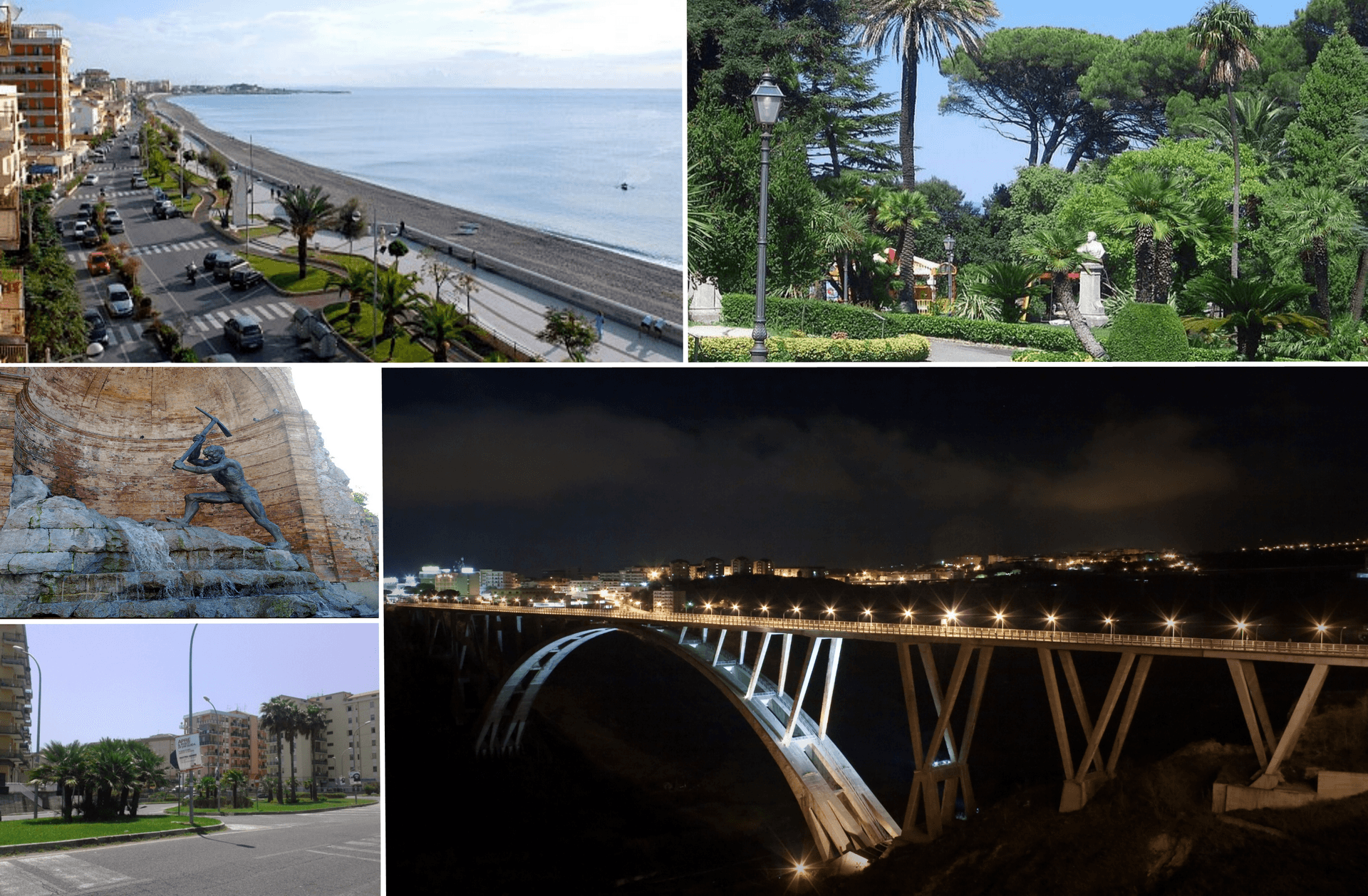 Ste81 / CC BY-SA 3.0, via Wikimedia Commons
Самостоятельная аудиопрогулка по Катандзаро — GPS-маршрут, офлайн-воспроизведение, увлекательное повествование на 32 языках.
“Где встречаются два моря, и древние ветры несут аромат шелка.”
Не открытки. Истории, которые не знают даже местные жители — шепотом в вашем ухе, прямо там, где они произошли.
Под современным культурным центром слои истории рассказывают удивительную историю.
Уникальная идентичность города воплощена в трех неожиданных элементах.
Местный кулинарный специалитет имеет историю происхождения, основанную на необходимости и страстных поклонниках.
Откройте для себя каждый секрет Катандзаро
Каждый адрес, каждое полное раскрытие — в вашем ухе, прямо там, где это произошло.
Вы выбираете остановки. Вы гуляете. Голос раскрывает то, что упускают другие.
Ваш самостоятельный аудиотур по Катандзаро готов — выберите свои достопримечательности, выберите свой язык и начните в момент прибытия.
КупитьВ Lume встроен гид дополненной реальности. Поднимите телефон: камера показывает улицу перед вами, а поверх реального изображения светится стрелка, всегда указывающая на вашу следующую остановку — не нужно разбираться с картой и сворачивать не туда. Как и всё в Lume, это работает полностью офлайн.
Катандзаро, столица региона Калабрия в Италии, занимает драматическое положение на трех холмах, откуда открываются обширные виды на Ионическое море и залив Сквиллаче. Часто называемый «Городом двух морей», он расположен в самой узкой части Италии, стратегической полосе земли, разделяющей побережья Ионического и Тирренского морей. Эта уникальная география сформировала его историю и культуру, сделав его местом, где древние корни переплетаются с живой современной атмосферой.
Высота города, с его историческим центром около 300 метров над уровнем моря, обеспечивает не только захватывающие панорамы, но и особый средиземноморский климат, характеризующийся умеренными условиями и частыми сильными ветрами. Хотя он служит административным центром и здесь находится Университет Магна Греция, Катандзаро также предлагает сочетание исторических мест, культурных учреждений и удивительных зеленых зон, приглашая к исследованию за пределами его городской черты.
Происхождение Катандзаро является предметом нескольких теорий, некоторые из которых прослеживают его начало до древнегреческой колонии, возможно, земли Сколациум, или даже до мифической высадки Одиссея. Несомненно его значительная роль как византийского города, основанного около X века как «Катасарион» для контроля над горным перевалом между Ионическим и Тирренским морями. В этот период, между IX и XI веками, Катандзаро стал пионерским центром производства шелка в Италии, ремеслом, которое определяло его экономику на протяжении веков.
Стратегическое значение города сделало его желанной территорией. В 1059 году он перешел к нормандскому лидеру Роберту Гвискару после длительного сопротивления, став последним городом в Калабрии, который это сделал. Под нормандским правлением был построен замок, и город получил епископский статус. Шелковая промышленность Катандзаро процветала, ее тонкие бархаты, дамаст и парча получили международное признание и поставлялись на рынки по всей Европе и даже в Ватикан.
На протяжении веков Катандзаро переживал периоды как процветания, так и трудностей. Он выдержал четырехмесячную осаду французами в 1528 году и сыграл роль в Наполеоновских войнах и итальянском Рисорджименто. Однако XVII и XVIII века принесли экономический упадок, усугубленный чумой и разрушительными землетрясениями в 1638, 1783, 1905 и 1907 годах. Несмотря на эти трудности, Катандзаро выстоял, став столицей региона Калабрия в 1971 году и продолжая свое развитие как городской центр.
Начните свое исследование с Кафедрального собора Катандзаро, значимого места поклонения, первоначально построенного в XII веке, где хранится «Мадонна с младенцем» XVI века работы Антонелло Гаджини. Неподалеку Комплекс монументального Сан-Джованни стоит на останках нормандского замка, откуда открываются панорамные виды и проводятся художественные выставки. Не пропустите поразительную бронзовую скульптуру «Каменотес» Джузеппе Рито, расположенную на Пьяцца Префеттура, как дань уважения трудовому наследию города.
Для глотка свежего воздуха Вилла Маргарита, также известная как Вилла Триесте, — старейший общественный сад города, предлагающий безмятежный отдых с разнообразными растениями, скульптурами и видами на побережье Ионического моря. Обширный Парк биоразнообразия Средиземноморья (Parco della Biodiversità Mediterranea) представляет собой зеленую зону площадью 60 гектаров с ботаническими садами, прудами и Международным парком скульптур, где современное искусство интегрировано с природой. Любители культуры оценят современную архитектуру и разнообразную программу Театра Политеама. Для интересующихся военной историей Музей военной истории бригады Катандзаро в Парке биоразнообразия подробно рассказывает о роли бригады в Первой мировой войне.
В Катандзаро средиземноморский климат с мягкой, дождливой зимой и жарким, солнечным летом. Лучшее время для посещения для общих мероприятий на свежем воздухе — с середины мая по середину июля и с начала сентября по начало октября, когда температура приятная. Для пляжного отдыха на побережье Ионического моря идеально подходят июль и август, со средней дневной температурой около 29°C и теплой морской водой. Весна (апрель-июнь) предлагает мягкую погоду, идеально подходящую для изучения исторических мест без летних толп.
Ближайший крупный аэропорт к Катандзаро — Международный аэропорт Ламеция-Терме (SUF), расположенный примерно в 35 км к западу от города. Из аэропорта регулярно ходят автобусы до Катандзаро, время в пути около 51 минуты. Внутри Катандзаро общественный транспорт управляется AMC, предлагая около 49 автобусных маршрутов, охватывающих различные районы муниципалитета. В городе также действует городская служба с 11 железнодорожными станциями и фуникулером, соединяющим центр города с нижними районами. Билеты на общественный транспорт можно приобрести в табачных киосках и газетных киосках. Местная валюта — евро (€). Хотя официальным языком является итальянский, рекомендуется выучить несколько основных итальянских фраз, так как в Южной Италии английский язык может быть не очень распространен.
Катандзаро: корейский, китайский, иврит и ещё 29 языков — каждую остановку озвучивает носитель языка. Самый широкий выбор языков среди аудиоэкскурсий без гида.
Доступные языки: