Cavan Town
Das Sprichwort „the life of Reilly“ soll seine Wurzeln in Cavan haben.
Die ganze Geschichte wird in der Tour freigeschaltet
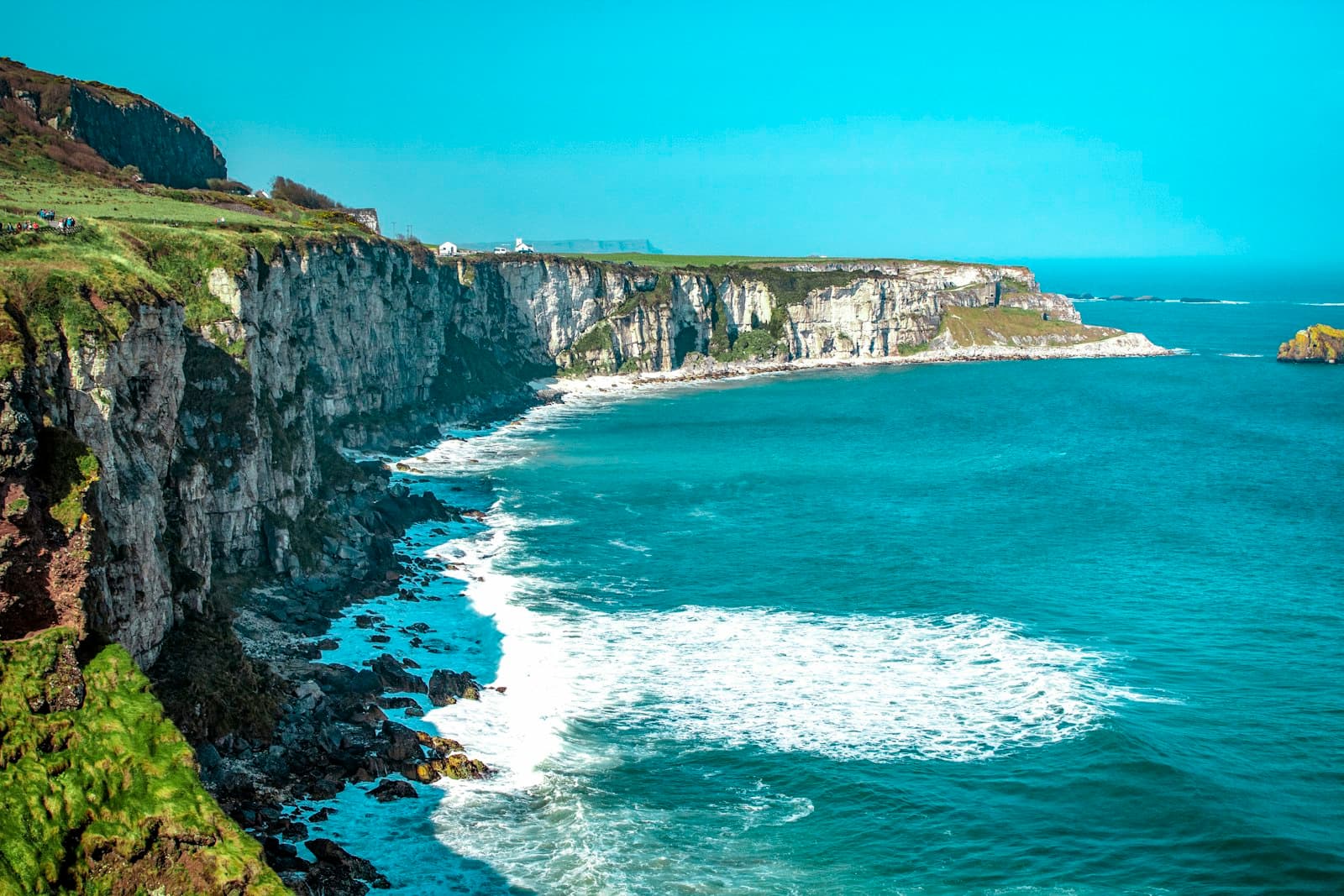 Photo: Sylvia Szekely / Unsplash
Selbstgeführte Audio-Walking-Tour durch Cavan — GPS-Route, Offline-Wiedergabe, erzählerische Narration in 32 Sprachen.
“Cavan: Wo alte Geschichten über 365 Seen und ruhige Drumlin-Hügel gleiten.”
Nicht die Postkarten. Die Geschichten, die selbst Einheimische nicht kennen – dir ins Ohr geflüstert, genau dort, wo sie geschahen.
Das Sprichwort „the life of Reilly“ soll seine Wurzeln in Cavan haben.
Diese Inselburg soll einen spektralen Bewohner haben.
Ein unvollendeter Turm südlich von Cavan Town birgt eine kuriose Ambition.
Entdecke jedes Geheimnis von Cavan
Jede Adresse, jede Enthüllung vollständig – in deinem Ohr, genau dort, wo es geschah.
Du wählst deine Stationen. Du gehst. Die Stimme enthüllt, was andere übersehen.

Deine selbstgeführte Audio-Tour durch Cavan ist bereit – wähle deine Sehenswürdigkeiten, deine Sprache und starte, sobald du ankommst.
KaufenLume enthält einen integrierten Augmented-Reality-Guide. Halten Sie Ihr Handy hoch: Die Kamera zeigt die Straße vor Ihnen, mit einem leuchtenden Pfeil über dem echten Bild, der immer auf Ihren nächsten Stopp zeigt — keine Karte zum Rätseln, keine falschen Abzweigungen. Wie alles bei Lume funktioniert es komplett offline.
Cavan, die Bezirkshauptstadt von County Cavan, liegt in einer Senke zwischen zwei Drumlins, was der Stadt ihren Namen gibt – An Cabhán bedeutet auf Irisch „der hohle Ort“. Diese Marktgemeinde im Herzen Irlands bietet eine Mischung aus historischer Tiefe und natürlicher Schönheit und ist damit ein attraktives Reiseziel für alle, die abseits der ausgetretenen Touristenpfade erkunden möchten.
Bekannt als „The Lake County“, soll Cavan angeblich 365 Seen haben, einen für jeden Tag des Jahres, zusammen mit gewundenen Flüssen und sanften Drumlin-Hügeln. Diese natürlichen Merkmale bieten eine ruhige Kulisse für Outdoor-Aktivitäten und ein Gefühl friedlicher Entspannung. Cavans einzigartige Position, historisch Teil von Connacht, bevor es im 16. Jahrhundert Teil von Ulster wurde, trägt zu seinem besonderen Charakter und Erbe bei.
Besucher von Cavan entdecken eine Grafschaft, die langsames Reisen und Neugier belohnt, mit unüberfüllten Kulturerbestätten, Möglichkeiten zum Kajakfahren auf den Seen und alten Steinkreisen, die oft von großen Menschenansammlungen ungestört bleiben. Es ist ein Ort, an dem die Landschaft selbst Geschichten erzählt, von ihren geologischen Formationen, die durch die Eiszeit geformt wurden, bis zu ihren historischen Stätten, die Jahrhunderte irischen Lebens widerspiegeln.
## Frühe Ursprünge und gälische Herrschaft Cavans Geschichte reicht bis in prähistorische Zeiten zurück, mit archäologischen Beweisen früher Siedlungen in Grabkomplexen in Gebieten wie dem Burren und Cohaw. Die Region war ursprünglich Teil des alten Königreichs Bréifne, das das heutige Cavan und Leitrim umfasste. Bis zum 12. Jahrhundert stieg die O'Rourke-Dynastie als Führer in Bréifne auf. Konflikte mit dem O'Reilly-Clan führten jedoch 1256 zur Teilung des Königreichs, wobei die O'Reillys Ost-Bréifne beherrschten, das zu County Cavan wurde.
Cavan Town selbst wurde zwischen 1300 und 1330 vom irischen Clan-Häuptling Giolla Íosa Ruadh O'Reilly gegründet. Ungewöhnlich für eine irische Stadt wurde sie von einer einheimischen irischen Familie und nicht von anglo-normannischen oder nordischen Siedlern gegründet, was sie zur einzigen mittelalterlichen gälischen Stadt Irlands macht. Die O'Reillys bauten später im späten 14. Jahrhundert eine neue Burg auf dem Tullymongan Hill.
## Kolonisation und turbulente Zeiten Das 16. Jahrhundert brachte bedeutende Veränderungen für Cavan. 1579 wurde Ost-Bréifne zu County Cavan erklärt und ab 1584 offiziell nach Ulster verlegt. Anfang des 17. Jahrhunderts kam die Ulster Plantation, ein Plan, bei dem englische und schottische Siedler konfiszierte O'Reilly-Ländereien erhielten, insbesondere in der Nähe von Cavan Town und Belturbet. Cavan Town erhielt 1610 von König Jakob I. eine städtische Charta, die es ihm erlaubte, Märkte und Messen abzuhalten, seine eigenen Angelegenheiten zu regeln und zwei Mitglieder ins irische Parlament zu entsenden.
Das 17. Jahrhundert war eine turbulente Zeit. Im Februar 1690 fand während der Glorious Revolution die Schlacht von Cavan statt, bei der ein Großteil der Stadt niederbrannte. Im 18. Jahrhundert verlagerte sich der lokale Verwaltungsfluss auf die Familie Maxwell, die später Baron Farnham wurde. Die Farnham Street, eine breite Straße mit Stadthäusern und öffentlichen Gebäuden wie dem Cavan Courthouse (aus dem Jahr 1824), wurde im frühen 19. Jahrhundert entwickelt.
## Moderne Entwicklungen Cavan wurde Mitte des 19. Jahrhunderts zu einem wichtigen Eisenbahnknotenpunkt und verband die Midland Great Western Railway und die Great Northern Railway. Die Große Hungersnot der 1840er Jahre traf die Grafschaft schwer und verursachte einen drastischen Bevölkerungsrückgang. Das 20. Jahrhundert sah den Bau des Cavan Town Hall zwischen 1908 und 1910, das auch als erstes Kino der Stadt diente. Die Arbeiten an der römisch-katholischen Kathedrale der Heiligen Patrick und Felim begannen 1938 und wurden 1942 abgeschlossen. Sie verfügt über einen 68 Meter hohen Turm und ein basilikaartiges Inneres.
Beginnen Sie Ihre Erkundung im Cavan County Museum in Ballyjamesduff, das umfangreiche Galerien mit über 6.000 Jahren Geschichte der Grafschaft bietet, von der Steinzeit bis zum 20. Jahrhundert. Bemerkenswert ist ein nachgebauter Schützengraben aus dem Ersten Weltkrieg, der einen eindringlichen Einblick in das Schlachtfeldleben bietet. Für einen tieferen Einblick in alte Landschaften besuchen Sie den Cavan Burren Park, Teil des Marble Arch Caves UNESCO Global Geopark. Dieser Park verfügt über megalithische Gräber und Steinkisten inmitten einer Karstkalkstein-Pflasterung und bietet Wanderwege und Panoramablicke auf die Cuilcagh Mountains.
Ein Besuch in Cavan ist erst komplett, wenn Sie Lough Oughter erleben, ein Seesystem mit zahlreichen Inseln und dem ikonischen Clogh Oughter Castle. Dieser kreisförmige Turm aus dem 13. Jahrhundert, der auf einer Insel steht, ist per Boot oder Kajak erreichbar und bietet einen malerischen Anblick. Für Outdoor-Enthusiasten bietet der Killykeen Forest Park malerische Wanderwege entlang Lough Oughter mit Möglichkeiten zum Kajakfahren und Genießen der lokalen Flora und Fauna. Der Shannon Pot, die Quelle des längsten Flusses Irlands, des River Shannon, ist eine weitere bedeutende natürliche Attraktion in den Cuilcagh Mountains. Für diejenigen, die sich für traditionelle Musik und Kultur interessieren, halten Sie Ausschau nach lokalen Sessions und Festivals, da Cavan für seine lebendige traditionelle Musikszene bekannt ist.
Die beste Zeit für Aktivitäten bei warmem Wetter in Cavan ist von Ende Juni bis Ende August, wenn die durchschnittlichen täglichen Höchsttemperaturen über 17 °C liegen. Juli ist typischerweise der wärmste Monat mit einem Durchschnittshoch von 19 °C. Für eine ausgewogene Mischung aus mildem Wetter und weniger Menschenmassen sollten Sie einen Besuch im Mai oder Juni oder im September und Oktober in Betracht ziehen. Diese Übergangszeiten bieten angenehme Temperaturen und helle Landschaften, wobei der Frühling Wildblumen und der Herbst bunte Blätter bietet. Während der Winter kalt sein kann, mit Januar als kältestem Monat bei durchschnittlichen Tiefstwerten von 2 °C, kann er eine ruhige und malerische Erfahrung bieten, besonders um die Weihnachtszeit mit festlichen Märkten.
Cavan ist mit dem Auto oder Bus von Dublin und Belfast aus leicht erreichbar, wobei Dublin etwa 90 Minuten entfernt ist. Die Stadt wird von der N3 umfahren, die Dublin mit Enniskillen und Donegal verbindet. Obwohl Cavan einst Eisenbahnverbindungen hatte, gibt es heute keine aktiven Zugverbindungen mehr.
Die Unterkunftsoptionen in Cavan reichen von gemütlichen B&Bs bis hin zu komfortablen Hotels und Resorts, darunter das Farnham Estate Spa & Golf Resort und das Cavan Crystal Hotel. Zum Essen bietet die Stadt eine Vielzahl von Pubs, Restaurants und Cafés. Das Cavan Tourist Information Office und das Genealogy Centre befinden sich beide in der Farnham Street und bieten wertvolle Ressourcen für Besucher. Es ist ratsam, wasserdichte Kleidung und festes Schuhwerk einzupacken, da das Wetter in Cavan unvorhersehbar sein kann und es 10–15 Tage im Monat regnet.
Cavan — Koreanisch, Chinesisch, Hebräisch und 29 weitere Sprachen, jede Station von einer muttersprachlichen Stimme erzählt. Die größte Sprachauswahl aller selbstgeführten Audiotouren.
Verfügbar auf: